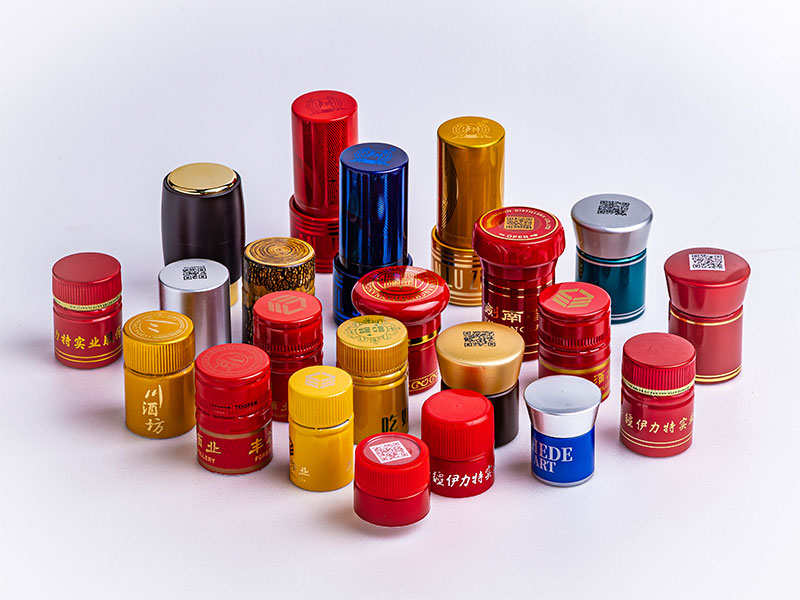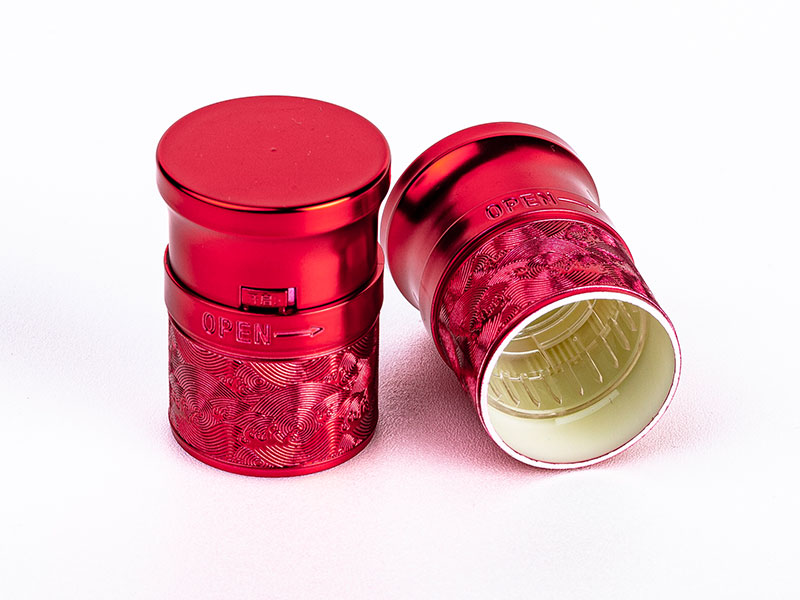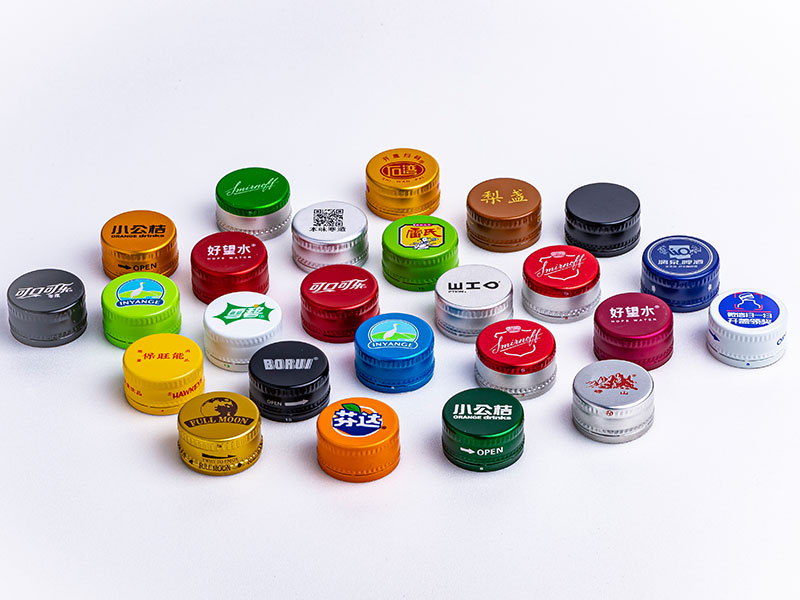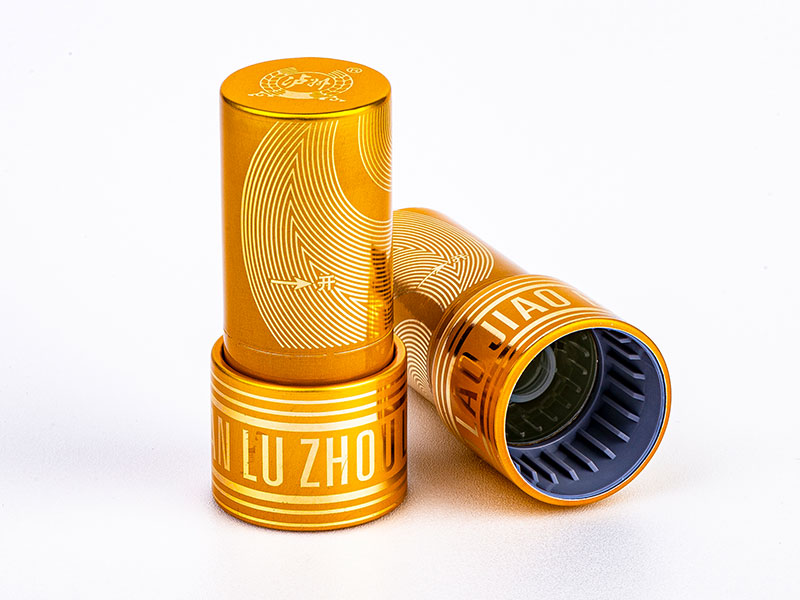


Soda Bottle Closures with Aluminum Twist Off Cap for Easy Opening
Soda Bottle Closures with Aluminum Twist Off Cap for Easy Opening: Where Convenience Meets Engineering
The most memorable part of a soda isn't only the fizz-it's the moment you open it. That instant of release has to feel effortless, safe, and consistent whether the bottle is chilled, wet from condensation, or handled in a fast-paced retail environment. Aluminum twist off caps are designed around that moment. From the outside they look simple, but the performance of a soda bottle closure is the result of careful alloy selection, temper control, liner chemistry, thread geometry, and food-contact compliance.
Why Aluminum Twist Off Caps Feel So Easy to Open
Easy opening is not an accident; it's designed into the cap's material and geometry.
Aluminum has a naturally favorable strength-to-formability balance. That means manufacturers can create precise thread profiles and a consistent skirt without making the cap thick or overly stiff. When the cap is applied, controlled deformation helps it "seat" onto the bottle finish and compress the liner evenly. This reduces the peak torque needed for opening while still maintaining strong sealing performance.
In practical terms, a well-made aluminum twist off closure delivers:
- Smooth thread engagement with less "stick-slip" resistance
- Reliable sealing across temperature changes and carbonation pressure
- Consistent opening torque for consumers, even with cold or wet hands
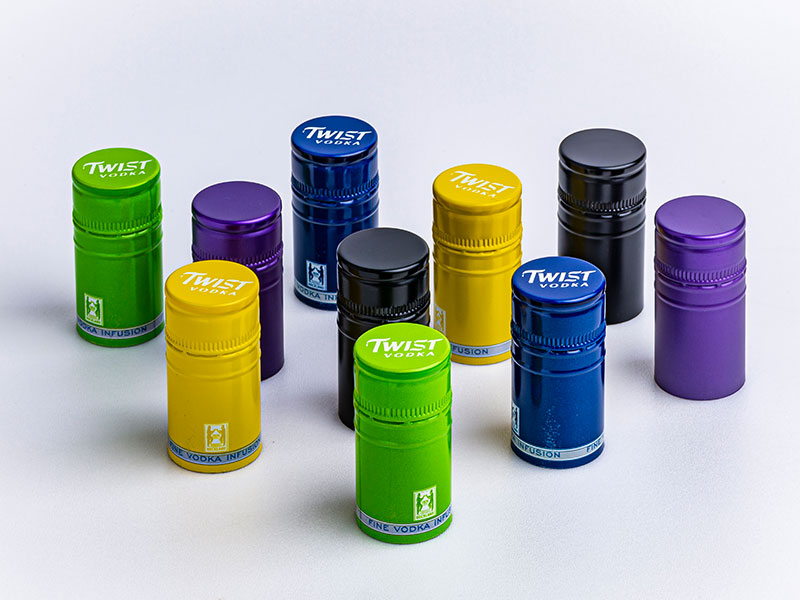
- A clean aesthetic surface for premium printing and branding
Typical Parameters for Soda Aluminum Twist Off Bottle Caps
Soda packaging differs by market, but many closures fall into familiar ranges. Below are commonly used parameter windows for aluminum twist off caps used on carbonated soft drinks and sparkling beverages.
Common specification ranges (typical, customizable):
- Cap diameter: 28 mm, 30 mm, 38 mm (other sizes available)
- Skirt height: about 12–18 mm depending on finish and design
- Aluminum sheet thickness: about 0.20–0.28 mm
- Opening torque target: tuned by application, liner, and thread design
- Seal system: compression liner (EPE or PVC-free alternatives), or gasketed lining
- Decoration: offset printing, UV printing, embossing, anodized or coated finishes
- Application: twist-on with capping head torque control; suitable for high-speed lines
These values shift depending on bottle neck finish, beverage pressure, filling temperature, and the brand's opening "feel" goals.
Implementation Standards and Food-Contact Compliance
For customers, compliance is as important as convenience. Aluminum closures and their liners must meet food-contact requirements for the target market, and the cap system must perform under pressure.
Common compliance and implementation references include:
- FDA 21 CFR (US) for food-contact components where applicable
- EU Framework Regulation (EC) No 1935/2004 for materials intended to contact food
- EU GMP Regulation (EC) No 2023/2006 for manufacturing practice
- Migration testing requirements for coatings and liners (market-dependent)
- Internal performance tests for carbonation retention, leakage, torque, and corrosion resistance
On the production side, a closure's real "standard" is repeatable performance on a bottling line. That includes controlled dimensions, stable temper, consistent liner compression, and coating integrity to avoid corrosion or flavor interactions.
Alloy Selection and Tempering: The Quiet Foundation of Performance
Most aluminum twist off caps are produced from AA 3xxx series aluminum, frequently AA 3105 or related grades, because they combine good forming characteristics, corrosion resistance, and surface quality for printing.
Temper is critical. Too soft and the cap can deform excessively during application or transport. Too hard and it may crack during forming or create an inconsistent seal. Manufacturers typically use H-temper conditions suited for cap forming and thread definition.
Common alloy and temper choices (typical):
- Alloy: AA3105 or equivalent 3xxx series
- Temper: H14, H16, H18 (selected based on forming and strength requirements)
Tempering affects yield strength, ductility, and springback behavior. In closures, that translates to how well the cap holds its shape after application and how stable the opening torque remains over shelf life.
Coatings and Liners: Chemistry That Protects Taste and Pressure
A soda bottle closure isn't just metal. The liner provides the primary seal, and the coating protects the aluminum from beverage vapors, humidity, and external handling.
considerations include:
- Beverage acidity and potential corrosive components
- Carbonation pressure and temperature cycling
- Compatibility with cleaning agents and condensation exposure
- Preference for PVC-free liner systems in many markets
Common liner options include EPE-based liners and other elastomeric systems engineered for carbonation retention. The liner's compression set behavior is especially important: it must remain elastic enough to seal after months of storage, yet not so soft that it requires excessive application torque.
Chemical Properties Table (Typical Aluminum Closure Alloy AA3105)
Values below are typical composition limits for AA3105-type aluminum sheet used in closures. Exact ranges can vary by supplier and standard; confirm with mill certificates for each batch.
| Element | Typical Composition (wt%) |
|---|---|
| Aluminum (Al) | Remainder |
| Manganese (Mn) | 0.30–0.80 |
| Magnesium (Mg) | 0.20–0.80 |
| Iron (Fe) | ≤ 0.70 |
| Silicon (Si) | ≤ 0.60 |
| Copper (Cu) | ≤ 0.30 |
| Zinc (Zn) | ≤ 0.40 |
| Titanium (Ti) | ≤ 0.10 |
| Chromium (Cr) | ≤ 0.10 |
| Others (each) | ≤ 0.05 |
| Others (total) | ≤ 0.15 |
This chemistry supports corrosion resistance and formability while keeping surface quality high for decoration.
Performance in the Real World: What "Good" Looks Like
A strong aluminum twist off cap is one that behaves predictably in every stage of the product's life.
In bottling, it should run smoothly at high speed without thread damage or liner misalignment. In distribution, it should resist vibration loosening and withstand temperature swings. On the shelf, it should keep carbonation locked in without paneling or seepage. For the consumer, it should open cleanly with a confident twist, without sharp edges and without the need for tools.
That's why manufacturers pay attention to details that customers rarely see, such as skirt knurling depth, bridge geometry, coating cure conditions, and liner concentricity. Each small factor influences torque scatter, leakage rate, and the "feel" of opening.
Why Brands Choose Aluminum Twist Off Closures for Soda
Aluminum twist off caps offer a balanced package: premium appearance, high-speed manufacturability, corrosion resistance, strong branding potential, and an opening experience that feels intuitive. They also align well with recycling systems in many regions, making them a practical choice for brands that care about both performance and perception.