

Durable Aluminum Bottle Caps for Soda with Custom Graphics and Logos
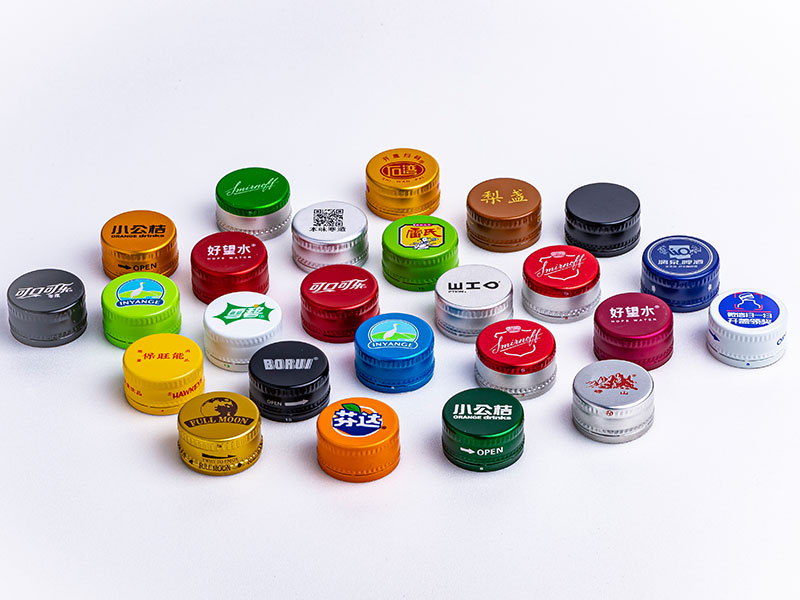
A soda bottle cap does far more than close a bottle. It protects carbonation, preserves flavor, carries brand identity, and creates a small but powerful first impression in the customer's hand. From a packaging perspective, durable aluminum bottle caps with custom graphics and logos are where engineering and storytelling meet. They are not only sealing components, but also visible brand assets designed to perform under pressure, moisture, handling, transport, and shelf display.
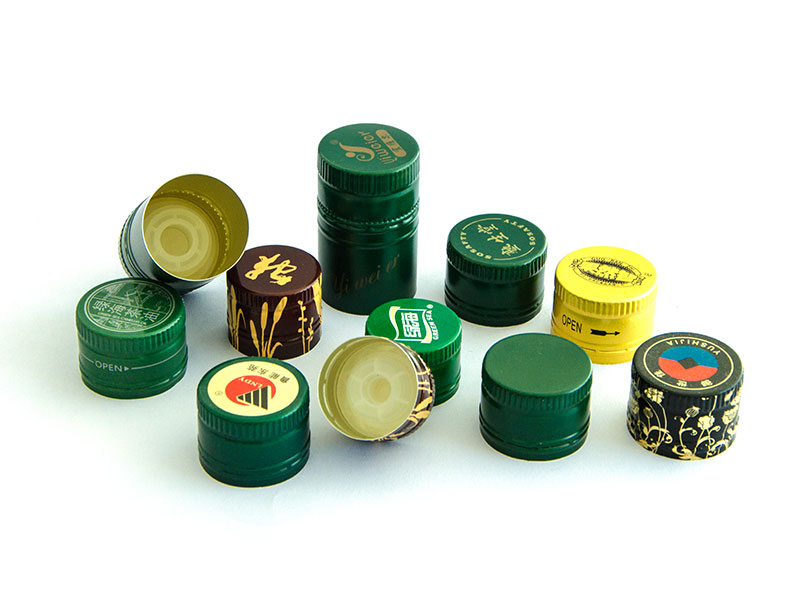
For soda brands, aluminum caps are especially attractive because they combine strength, corrosion resistance, lightweight performance, and excellent printability. A well-made aluminum bottle cap can handle the mechanical demands of bottling lines while offering a premium surface for vivid colors, embossed marks, matte or glossy finishes, and sharp logo reproduction. This makes aluminum an ideal choice for soft drinks that need both reliable sealing and memorable presentation.
Why Aluminum Works So Well for Soda Packaging
Carbonated beverages create an environment that is deceptively demanding. The closure must endure internal pressure, possible temperature fluctuation during transport, and constant exposure to moisture. At the same time, the cap should open smoothly, retain its shape, and resist scratching or fading after decoration.
Aluminum performs well here because it offers a balanced combination of low weight and structural integrity. Compared with heavier materials, it reduces overall packaging mass, which supports more efficient transport and easier handling. Its natural oxide layer also helps improve corrosion resistance, an important advantage in humid storage and cold-chain conditions where condensation often forms on the cap surface.
From a design standpoint, aluminum is highly adaptable. It can be formed into roll-on pilfer-proof caps, screw caps, and specialty closures for glass or PET soda bottles. It also accepts multiple decoration methods including offset printing, screen printing, color coating, hot stamping, and embossing. For beverage brands that want custom graphics and logos to remain crisp and attractive across production batches, aluminum offers a reliable and premium printing substrate.
A Distinctive View: The Cap as a Brand Handshake
Many people think first about the bottle label, but the cap is often the first part a customer touches. That makes it more than a closure. It is the handshake of the package. The feel of the knurling, the sharpness of the printed logo, the smooth turn during opening, and even the click of the seal breaking all contribute to perceived quality.
This is why durable aluminum bottle caps matter so much for soda brands. They let technical performance and visual branding support each other. A cap that holds pressure but arrives scuffed or with weak print quality loses marketing value. A cap that looks beautiful but cannot maintain sealing integrity risks the product itself. The best aluminum caps are made with both functions in mind, treating durability and custom graphics as parts of the same package experience.
Typical Technical Parameters for Soda Aluminum Bottle Caps
Although dimensions vary by bottle neck finish and market standard, several common parameters help buyers evaluate quality and compatibility.
| Parameter | Typical Range / Option | Notes |
|---|---|---|
| Material | Aluminum alloy sheet | Usually food-contact grade with coated interior |
| Common cap diameter | 28 mm, 30 mm, 38 mm | Depends on bottle neck design |
| Cap height | Approx. 12–18 mm | Customized to closure style |
| Thickness | Approx. 0.20–0.28 mm | Selected based on forming and strength needs |
| Closure type | ROPP, screw cap, tamper-evident cap | Common for beverage applications |
| Internal lining | EPE, PVC-free liner, specialized sealing wad | Chosen for carbonation and compatibility |
| External finish | Gloss, matte, metallic, embossed, printed | Supports premium branding |
| Pressure suitability | Designed for carbonated beverages | Must match filling pressure and bottle system |
| Printing option | CMYK, spot color, top print, side print | Custom logos and graphics available |
| Surface treatment | Coated, lacquered, anodized appearance options | Enhances durability and visual effect |
For carbonated soda applications, compatibility between the cap, liner, and bottle neck finish is critical. Even a well-printed cap cannot perform properly if the torque range, thread engagement, or liner compression are not suited to the filling line and beverage pressure conditions.
Alloy Selection and Tempering Conditions
The performance of an aluminum bottle cap begins with alloy choice and temper. In closure manufacturing, alloys are selected not simply for strength, but for formability, consistency, and decoration performance. Common aluminum alloys for caps often come from the 1xxx, 3xxx, or selected 8xxx series depending on closure design and processing route.
| Alloy | Typical Temper | Characteristics | Suitability for Soda Caps |
|---|---|---|---|
| 1070 | O, H14 | High purity, excellent formability, good corrosion resistance | Suitable for decorative closures where deep formability is valued |
| 8011 | H14, H16, H24 | Good strength-formability balance, widely used in packaging | Common choice for bottle cap shells |
| 3105 | H14, H16 | Good workability, coating adhesion, moderate strength | Useful for printed and formed cap applications |
Temper condition affects how the metal behaves during shell forming, threading, knurling, and lining. Softer tempers such as O or lower work-hardened states offer better formability, while H14 or H16 tempers provide a stronger balance between shape retention and processability. In soda cap production, the exact temper is chosen to support stable forming without cracking, while still maintaining sufficient rigidity for sealing and handling.
In practice, manufacturers often optimize temper according to cap geometry, embossing depth, and line speed. A cap carrying custom graphics may also require a surface and temper condition that minimizes coating defects during deformation.
Chemical Properties of Typical Aluminum Alloys for Caps
Chemical composition influences corrosion behavior, formability, and final mechanical performance. The following table shows typical reference ranges for commonly used packaging alloys. Exact values may vary by supplier and applicable standard.
| Element (%) | 1070 | 8011 | 3105 |
|---|---|---|---|
| Al | ≥ 99.7 | Remainder | Remainder |
| Si | ≤ 0.20 | 0.50–0.90 | ≤ 0.60 |
| Fe | ≤ 0.25 | 0.60–1.00 | ≤ 0.70 |
| Cu | ≤ 0.04 | ≤ 0.10 | ≤ 0.30 |
| Mn | ≤ 0.03 | ≤ 0.20 | 0.30–0.80 |
| Mg | ≤ 0.03 | ≤ 0.05 | 0.20–0.80 |
| Zn | ≤ 0.04 | ≤ 0.10 | ≤ 0.40 |
| Ti | ≤ 0.03 | ≤ 0.08 | ≤ 0.10 |
For soda packaging, corrosion resistance is not only a function of the alloy itself. Interior coatings and liners are equally important because the cap may be exposed to acidic beverage vapor, flavor compounds, and moisture. A properly selected lacquer or food-grade internal coating helps protect both the aluminum surface and the beverage.
Implementation Standards and Quality Expectations
Buyers of aluminum bottle caps for soda should look beyond appearance and ask how production is controlled. Reliable manufacturers typically produce according to recognized quality and food-contact requirements. The exact standards vary by destination market, but the following are commonly relevant:
| Standard / Requirement | Relevance |
|---|---|
| ISO 9001 | Quality management system for consistent manufacturing |
| ISO 22000 or HACCP-based control | Food safety management in packaging production |
| FDA or EU food-contact compliance | Material suitability for beverage packaging |
| RoHS / REACH where applicable | Chemical substance control for specific markets |
| GB, ASTM, EN, or customer-specific specifications | Dimensional, material, and testing reference standards |
Performance testing often includes torque testing, leak resistance, pressure resistance, coating adhesion, print abrasion resistance, and liner sealing performance. For custom graphic caps, color consistency and registration accuracy are also important, especially for brands with strict visual identity standards.
Custom Graphics and Logos That Survive Real Use
A custom logo on a soda cap is only valuable if it remains clear through manufacturing, filling, shipping, refrigeration, and retail handling. That is why decoration durability matters as much as visual creativity. High-quality aluminum caps usually use controlled coating systems and printing inks formulated for adhesion, color stability, and abrasion resistance.
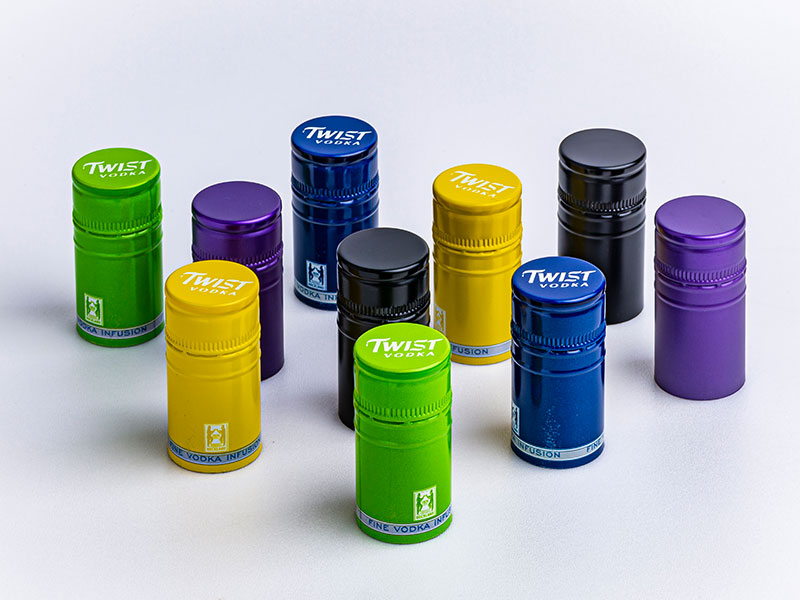
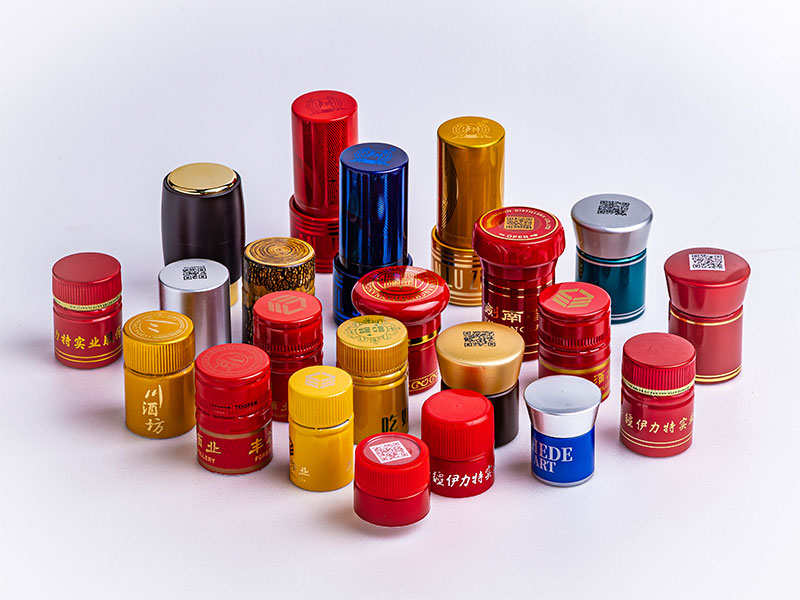
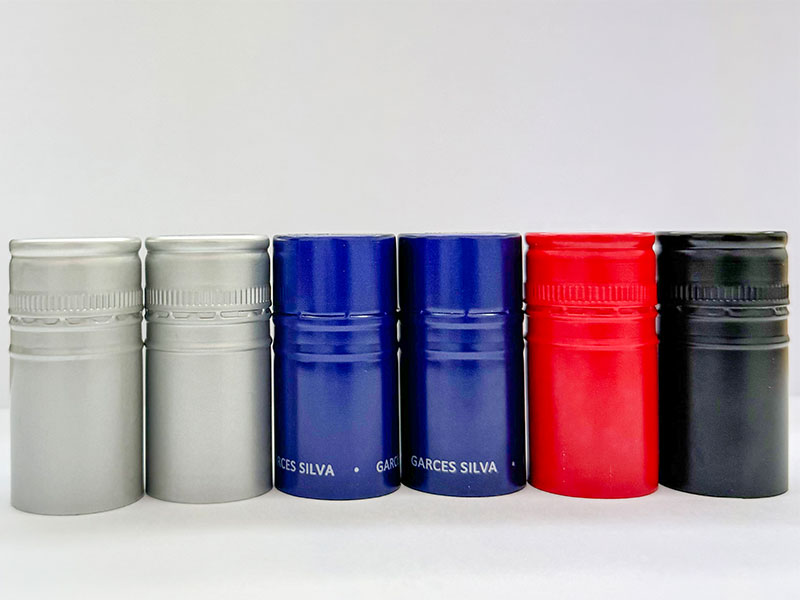
Brands can choose from bold metallic finishes, minimalist matte surfaces, embossed logos for tactile recognition, or high-contrast printing for stronger shelf impact. The best results come when artwork is developed with production reality in mind. Fine lines, heavy ink layering, and complex gradients may need adjustment to ensure stable reproduction on curved cap surfaces.
In other words, good cap decoration is not just graphic design placed on metal. It is graphic design translated into a forming and coating process.
What Customers Should Ask Before Ordering
When sourcing durable aluminum bottle caps for soda, customers should confirm bottle neck compatibility, carbonation requirements, liner type, alloy grade, temper condition, print method, and food-contact compliance. It is also wise to review samples under actual filling and storage conditions, not only in a showroom setting. A cap should be tested for opening feel, sealing reliability, and graphic durability after exposure to cold, moisture, and transport vibration.
This practical view often reveals the true value of a well-engineered aluminum closure. The best cap is the one that still looks like the brand and still protects the soda after every stage of the product journey.
Final Thought
Durable aluminum bottle caps for soda with custom graphics and logos offer a rare packaging advantage: they solve technical and branding challenges at the same time. They preserve carbonation, support efficient bottling, resist corrosion, and provide a premium canvas for visual identity. When alloy selection, temper, coating, liner design, and printing quality are all aligned, the result is a closure that feels reliable in the hand and memorable in the market.
For soda brands that want packaging to do more than simply close a bottle, aluminum caps are a smart and expressive choice.