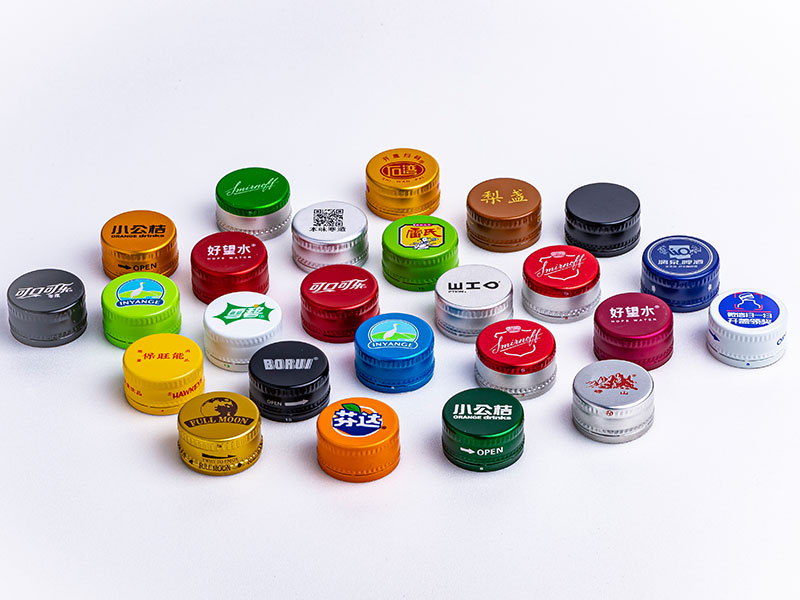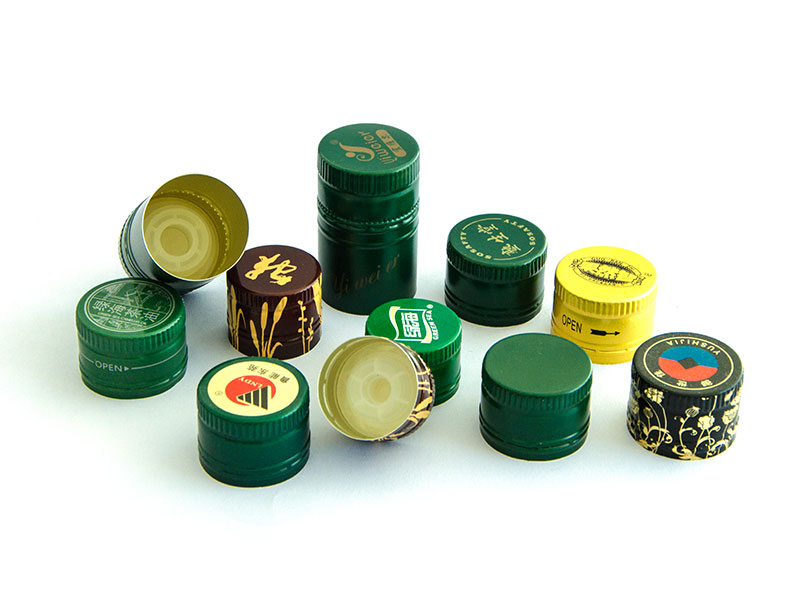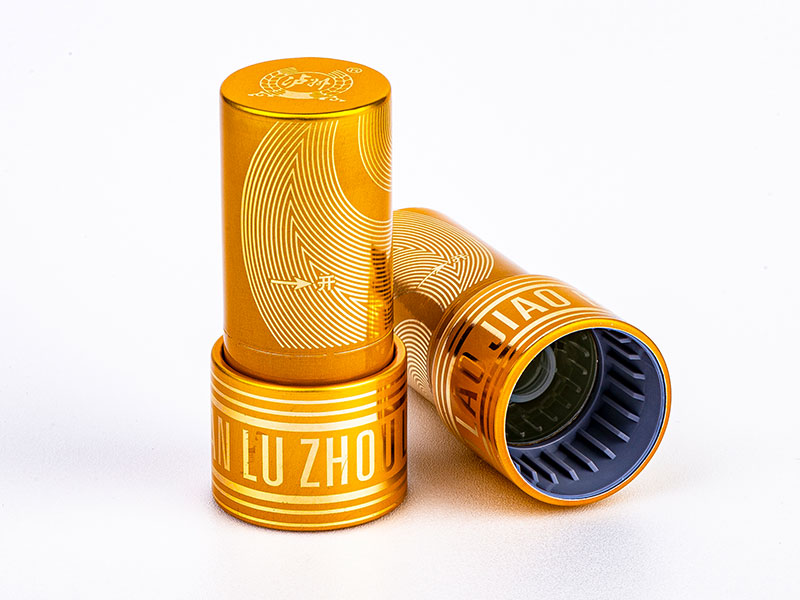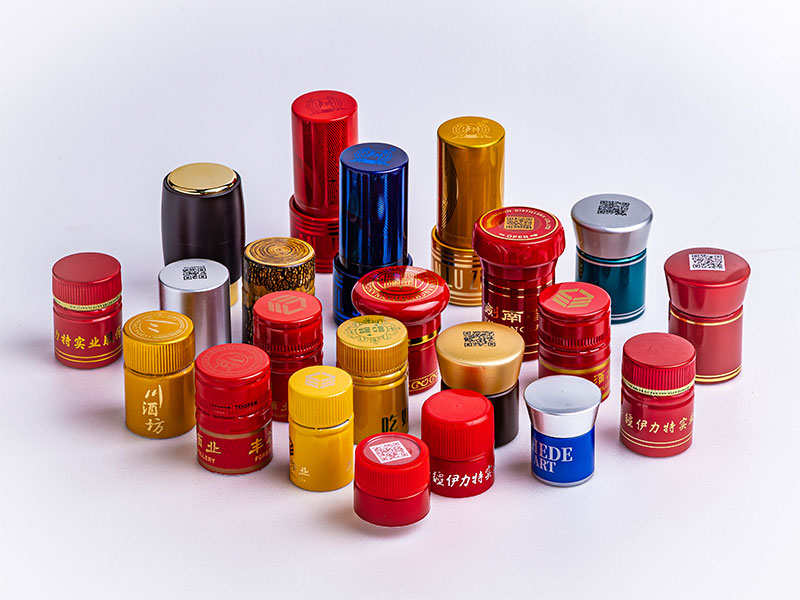


Aluminum Wine Closures 30x60mm for Enhanced Freshness Preservation
Wine packaging is often discussed in terms of tradition, but the real story is performance. From a practical point of view, a closure is not only the final component placed on the bottle. It is the silent guardian of aroma, structure, color, and shelf stability. In this sense, Aluminum Wine Closures 30x60mm offer a modern answer to one of the oldest questions in wine storage: how to keep wine as fresh and expressive as the winemaker intended.
What makes this closure especially interesting is its balance between precision engineering and sensory protection. While cork carries romance, aluminum screw closures bring consistency. For wineries, distributors, and private-label beverage brands, the 30x60mm format has become a trusted specification because it matches common wine bottle neck finishes while providing reliable sealing strength, controlled opening torque, and excellent barrier performance.
A Closure Designed Around Freshness
Freshness preservation is not only about stopping leaks. Wine is highly sensitive to oxygen ingress, volatile aroma loss, and contamination from external conditions. A well-made aluminum wine closure creates a stable micro-environment inside the bottle. This matters greatly for white wines, rosés, aromatic varietals, young reds, and any wine style where fruit character and crispness are central to quality.
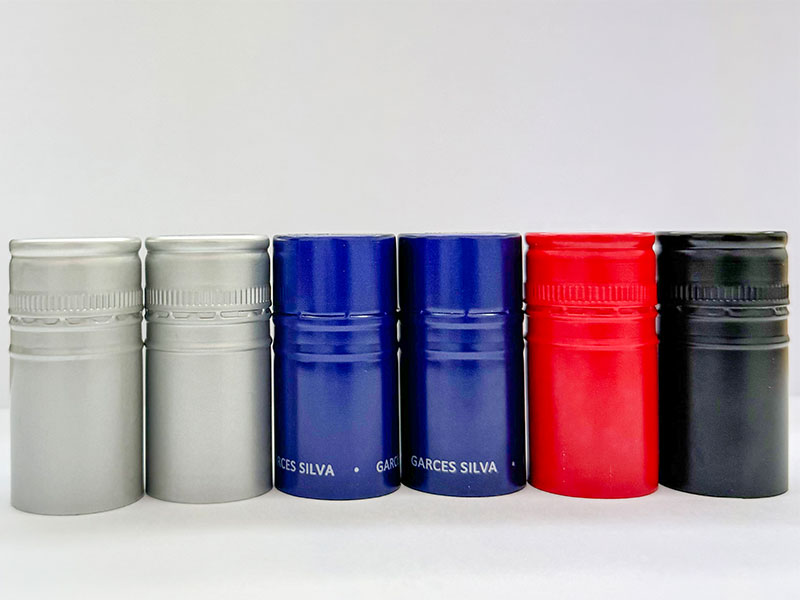
The 30x60mm aluminum wine closure is typically used with BVS or compatible threaded glass bottle finishes. Its dimensions refer to an outer diameter of approximately 30 mm and a height of 60 mm, making it suitable for standard wine bottle applications. The longer skirt also supports elegant appearance, secure threading, and tamper-evident performance.
From a distinctive viewpoint, this closure can be seen as a precision valve rather than a simple cap. It controls the relationship between the wine and the outside world. When liner material, aluminum shell quality, and thread forming are all correctly matched, the result is a closure that protects delicate flavor compounds while maintaining dependable consumer convenience.
Parameters of Aluminum Wine Closures 30x60mm
Customers often need quick, practical data. The following parameters are commonly used in production and sourcing. Exact values may vary according to customer drawings, bottle finish standards, and liner options.
| Parameter | Typical Specification |
|---|---|
| Product name | Aluminum Wine Closure |
| Size | 30x60 mm |
| Material | Aluminum alloy sheet |
| Alloy grade | 8011 / 3105 / 1060 / customized |
| Temper | H14, H16, H24 or as required |
| Closure type | ROPP / screw cap / pilfer proof |
| Neck finish compatibility | BVS and compatible wine bottle necks |
| Liner options | Saranex, Tin-Saran, PE, EPE, customized oxygen barrier liners |
| Surface finish | Plain, printed, embossed, anodized, lacquered |
| Decoration | Offset printing, top embossing, side printing, hot stamping |
| Sealing performance | High barrier against leakage and external contamination |
| Application | Wine, spirits, olive oil, specialty beverages |
The selection of liner plays a major role in freshness preservation. Some wineries prefer liners designed for very low oxygen transfer, while others choose options that allow an extremely controlled ingress depending on the aging profile desired. This flexibility gives aluminum closures a strong advantage in market segments where wine style consistency matters.
Alloy, Tempering, and Material Behavior
The body of the closure is usually formed from aluminum alloy sheet chosen for drawability, strength, corrosion resistance, and printability. In wine closure manufacturing, 8011 aluminum alloy is widely used because of its excellent formability and stable performance in closure conversion. 3105 alloy may also be selected when strength and decorative finish requirements are emphasized.
Tempering affects how the aluminum behaves during stamping, forming, threading, and rolling. Common temper conditions include H14, H16, and H24. These tempers represent different levels of strain hardening and partial annealing, allowing the manufacturer to fine-tune rigidity and shaping performance.
A softer temper can improve forming behavior, while a harder temper may support better structural retention during capping and transport. The correct balance depends on cap design, wall thickness, embossing depth, and line-speed requirements. For wine closures, the goal is not simply hardness. It is controlled deformability, so the closure can form tightly around the bottle neck threads without cracking or losing sealing integrity.
Typical material thickness may range from about 0.20 mm to 0.24 mm, though customized specifications are common for premium packaging projects.
Chemical Properties of Common Aluminum Alloys
Below is a reference table for commonly used aluminum alloy compositions in closure production. Actual ranges may vary by supplier and standard.
| Alloy | Si (%) | Fe (%) | Cu (%) | Mn (%) | Mg (%) | Zn (%) | Al (%) |
|---|---|---|---|---|---|---|---|
| 8011 | 0.5–0.9 | 0.6–1.0 | ≤0.10 | ≤0.20 | ≤0.05 | ≤0.10 | Balance |
| 3105 | ≤0.6 | ≤0.7 | ≤0.3 | 0.3–0.8 | 0.2–0.8 | ≤0.4 | Balance |
| 1060 | ≤0.25 | ≤0.35 | ≤0.05 | ≤0.03 | ≤0.03 | ≤0.05 | ≥99.6 |
These chemical properties influence mechanical performance, corrosion resistance, and forming stability. For closures exposed to humid storage, transport stress, and contact with wine vapor around the finish area, chemical consistency is essential. High-purity and properly processed aluminum also contributes to a cleaner decorative surface, which is important for premium brand presentation.
Implementation Standards and Quality Control
In global packaging supply, closure quality is usually evaluated through a combination of material standards, dimensional control, and functional testing. Depending on the market and production system, aluminum wine closures may be manufactured in reference to international or customer-specific requirements such as:
| Item | Common Standard or Practice |
|---|---|
| Aluminum material | GB/T, ASTM, EN, or equivalent customer specification |
| Food contact compliance | FDA, EU food contact regulations, LFGB as applicable |
| Quality management | ISO 9001 |
| Environmental management | ISO 14001 |
| Dimensions and tolerances | According to bottle neck finish and closure drawings |
| Coating and printing tests | Adhesion, abrasion resistance, solvent resistance |
| Sealing performance tests | Leak test, vacuum test, torque test |
| Corrosion resistance | Salt spray or internal validation methods |
A closure that looks attractive but fails in torque consistency or liner adhesion is not suitable for wine. This is why experienced manufacturers focus on the full process, including alloy sourcing, rolling, coating, shell forming, knurling, liner insertion, and final inspection.
Why 30x60mm Stands Out in Wine Packaging
The 30x60mm format is valued because it answers both technical and commercial needs. It fits widely used wine bottles, supports elegant shelf appearance, and performs well on high-speed bottling lines. The tamper-evident band gives visible security, while the smooth opening experience improves customer satisfaction.
From a freshness perspective, the greatest strength of aluminum wine closures lies in predictability. Natural closures can vary from piece to piece, but aluminum closures are manufactured with high dimensional consistency. This helps wineries reduce bottle variation and preserve the intended sensory profile across large production batches.
For export-oriented brands, this consistency is especially useful. Wine may travel through changing temperatures, warehouse humidity, and long distribution chains before reaching the end consumer. A stable aluminum closure helps defend the wine during that journey.
Practical Advantages for Wineries and Brands
Aluminum wine closures are not only technical components. They are also branding tools. The outer surface can be customized with vivid printing, metallic colors, embossing, matte textures, or premium top decoration. This means the closure contributes directly to shelf identity while still serving a critical preservation function.
Buyers also appreciate several operational benefits:
- Excellent sealing reliability for still wines
- Consistent application on automated bottling lines
- Reduced risk of cork taint
- Strong decorative flexibility for brand differentiation
- Good recyclability and lightweight logistics performance
In fast-moving retail channels, convenience matters too. Consumers increasingly value a closure that opens smoothly, reseals effectively, and protects leftover wine for short-term storage after opening.
A Modern Closure with a Protective Role
The Aluminum Wine Closure 30x60mm succeeds because it combines material science, sealing precision, and visual appeal in one compact component. With suitable alloy selection, proper temper condition, compliant food-contact coatings, and a high-performance liner, it offers a dependable solution for enhanced freshness preservation.
For wineries seeking clean expression, stable quality, and premium packaging efficiency, this closure is not just a cap. It is a carefully engineered finishing touch that keeps wine closer to its original character, from bottling line to glass.