

Custom Aluminum Bottle Closures for Soda Bottles with Personalized Designs
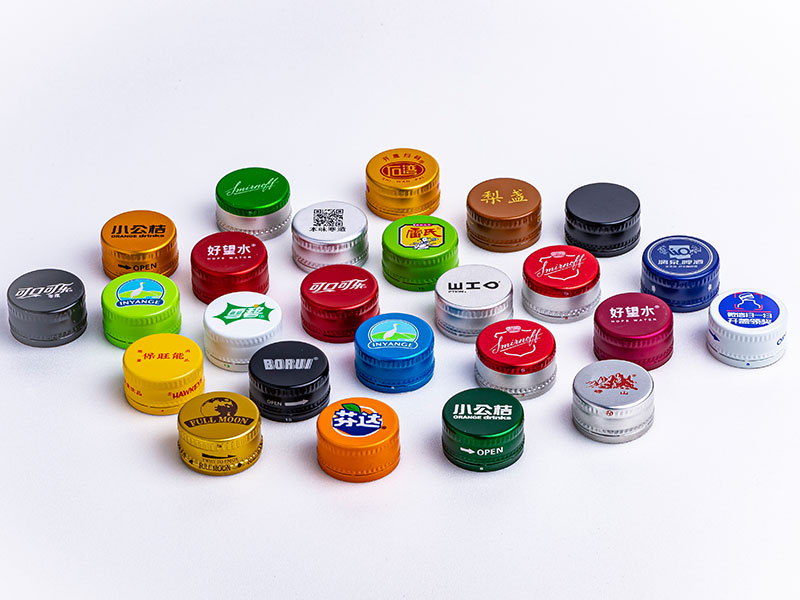
A soda bottle closure is easy to overlook. It is small, circular, familiar, and often treated as a simple utility part that exists only to seal carbonation inside the bottle. Yet from a brand owner's perspective, and increasingly from a consumer's point of view, the closure is one of the most intimate touchpoints on the package. It is the first part touched, twisted, heard, and judged. When custom aluminum bottle closures are developed with personalized designs, that small component stops being a commodity and begins acting like a signature.
What makes aluminum especially interesting in this role is that it sits between engineering discipline and visual storytelling. A closure for soda bottles must resist internal pressure, maintain thread integrity, survive transport vibration, and perform consistently on high-speed capping lines. At the same time, it can carry embossed graphics, color treatments, premium finishes, tactile details, and brand symbols that a plastic cap often cannot communicate with the same metallic precision. The result is a closure that does more than protect the drink. It helps define the experience of opening it.
From a material standpoint, aluminum offers a useful balance of low weight, corrosion resistance, formability, and decorative adaptability. For bottle closure shells, manufacturers commonly consider alloys from the 3xxx and 5xxx series where controlled manganese or magnesium additions support forming strength and practical corrosion behavior. In some designs, 8011 is also used for packaging applications because of its excellent workability. The final choice depends on the closure geometry, liner system, internal pressure target, and desired finish quality.
Below is a simplified reference table often used at the concept stage for aluminum closure material evaluation.
| Alloy | Typical Temper | Main Characteristics | Typical Use in Closures |
|---|---|---|---|
| AA 3105 | H14 / H16 | Good formability, moderate strength, good coating performance | Drawn closure shells, decorative caps |
| AA 3004 | H14 / H16 | Higher strength than 3105, good forming response | Pressure-resistant closure components |
| AA 5052 | H32 | Good corrosion resistance, stronger with Mg addition | Specialty closures, premium applications |
| AA 8011 | H14 / H16 | Excellent workability, widely used in packaging | Lightweight formed closure parts |
A general chemical composition reference is also useful when discussing suitability. Exact values vary by standard and supplier certificate, but the common ranges below are representative.
| Alloy | Mn % | Mg % | Si % | Fe % | Cu % | Zn % | Al |
|---|---|---|---|---|---|---|---|
| AA 3105 | 0.30–0.80 | 0.20–0.80 | ≤0.60 | ≤0.70 | ≤0.30 | ≤0.40 | Balance |
| AA 3004 | 1.00–1.50 | 0.80–1.30 | ≤0.30 | ≤0.70 | ≤0.25 | ≤0.25 | Balance |
| AA 5052 | ≤0.10 | 2.20–2.80 | ≤0.25 | ≤0.40 | ≤0.10 | ≤0.10 | Balance |
| AA 8011 | Variable minor additions | Variable minor additions | 0.50–0.90 | 0.60–1.00 | ≤0.10 | ≤0.10 | Balance |
For soda bottles, pressure management is not optional. Carbonated beverages generate internal stress that places demands on the closure's skirt, thread profile, tamper band, and sealing interface. A custom aluminum closure must therefore be more than attractive. It has to work within the actual filling environment, including hot-fill or ambient-fill conditions, carbonation volumes, storage temperature fluctuation, and expected torque performance. In practical production terms, closure designers often check application torque, removal torque, pressure retention, buckle resistance, and leakage after thermal cycling. A beautiful cap that fails after warehouse heat exposure is simply an expensive mistake.
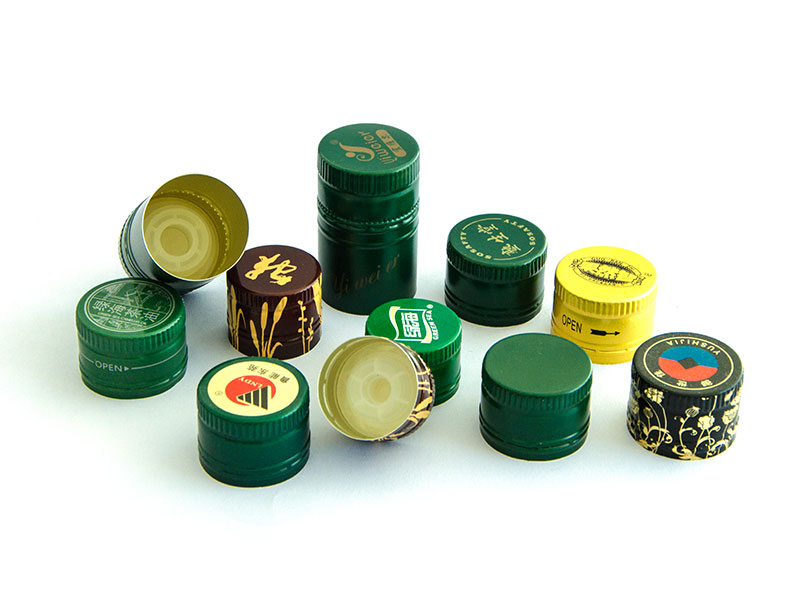
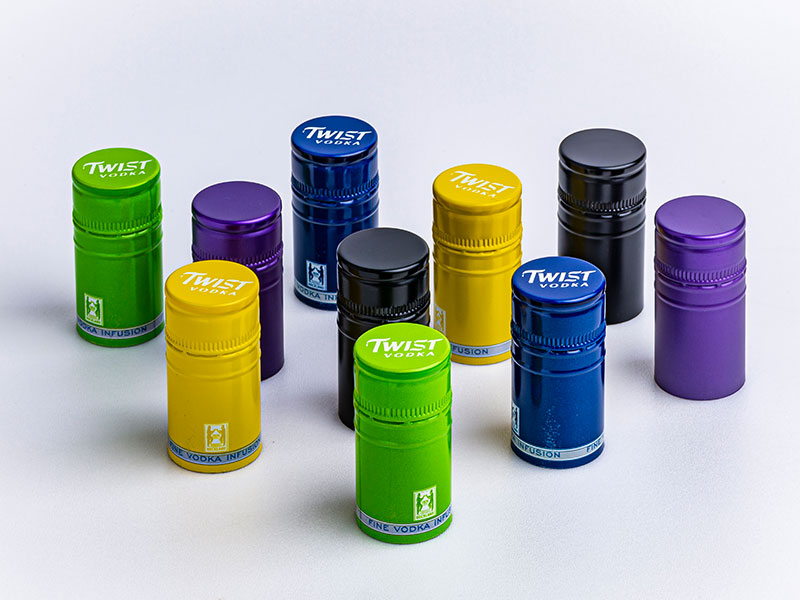
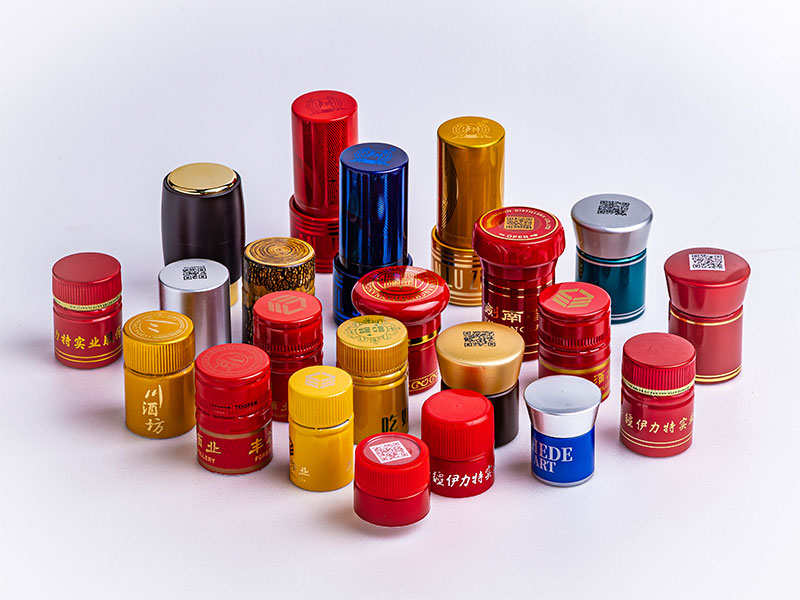
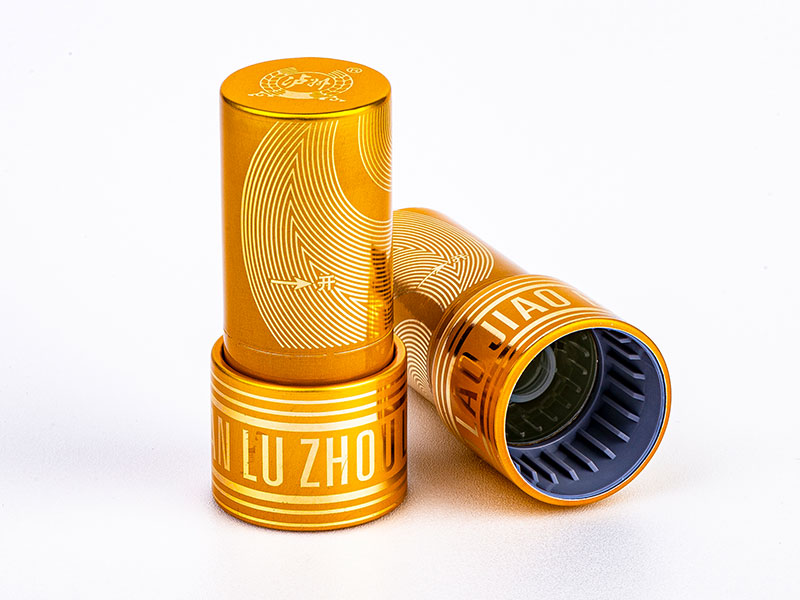
Personalized design begins with surface expression, but it should not end there. The most successful custom closures integrate design into structure. A beverage brand targeting a nostalgic market may prefer a brushed metallic finish with soft embossing that feels like a classic soda fountain accessory. A youth-oriented sparkling drink might use bold anodized colors, laser-marked names, or seasonal graphics. A luxury craft soda producer may choose deep knurling, satin lacquer, and a clean monogram on the top panel so that the closure feels more like a watch crown than a disposable package part.
This is where aluminum shows unusual flexibility. It accepts multiple decoration methods, including offset printing, screen printing, embossing, debossing, anodizing, color lacquering, and laser engraving. It also provides a cool tactile sensation that psychologically signals quality. Consumers often describe metallic packaging as cleaner, more premium, or more durable even before they taste the product. That emotional response is difficult to quantify, but it matters in retail.
The liner system deserves equal attention, because personalization means little if the seal is unreliable. Soda bottle closures often use food-grade sealing compounds or inserted liners compatible with PET bottle neck finishes. The liner must resist beverage acids, flavor oils, CO₂ migration, and temperature variation. If the beverage includes citrus extracts or aggressive flavor systems, compatibility testing becomes especially important. The closure shell and the liner should be evaluated together, not as separate purchases. In real packaging systems, leakage complaints rarely care where responsibility was supposed to begin.
Manufacturing standards and quality controls help turn a creative idea into a stable product. Depending on market and customer requirements, closure materials and coatings may be developed with reference to ASTM aluminum material standards, EN aluminum sheet specifications, and food-contact regulations such as FDA compliance in the United States or EU framework requirements for food-contact materials. Dimensional tolerances are generally verified against the bottle neck finish standard selected by the filling line, while coating adhesion, lacquer cure, salt spray resistance, and migration behavior are validated through lab testing. For carbonated soft drink applications, producers also watch for torque consistency over time, because closure behavior can drift after warehousing if temper, coating, or liner compression is not well balanced.
Temper selection plays a quiet but decisive role. Softer tempers improve formability during shell production, especially where deep drawing or detailed embossing is needed. Harder tempers support strength retention and deformation resistance, but they can become less forgiving in aggressive forming operations. In practice, H14 and H16 tempers are often chosen because they offer a workable middle ground for packaging parts that need both shape precision and functional stiffness. If a design includes prominent top embossing, wide-diameter geometry, or a tamper-evident feature, the temper decision should be reviewed together with tooling layout and wall thickness rather than treated as a late-stage procurement item.
A few practical parameters often guide project discussions for custom aluminum soda closures:
| Parameter | Typical Range / Consideration |
|---|---|
| Shell thickness | Approx. 0.18–0.30 mm depending on design |
| Closure diameter | Commonly matched to PET neck finish, such as 28 mm |
| Application torque | Defined by bottle finish, liner, and filling line setup |
| Internal pressure resistance | Verified according to beverage carbonation level |
| Surface finish | Gloss lacquer, matte lacquer, brushed, anodized, embossed |
| Decoration method | Top print, side print, laser mark, emboss/deboss |
| Food-contact compliance | FDA, EU, or local regulation as required |
From a brand strategy angle, personalized aluminum closures create opportunities beyond basic packaging differentiation. They can carry names for regional promotions, commemorative artwork for limited editions, QR-linked laser marks for campaigns, or textured icons that support accessibility and shelf recognition. In a crowded soda market where labels and bottle shapes increasingly resemble one another, the closure becomes a surprisingly efficient canvas. It adds identity without requiring a full bottle redesign.
There is also a sustainability story, though it should be told honestly rather than romantically. Aluminum is widely recyclable, and that is a meaningful advantage. However, sustainability depends on actual collection systems, coating choices, package compatibility, and the broader life cycle of the bottle-and-closure combination. Brands that choose aluminum closures should coordinate with recyclability guidelines in their target markets and avoid decorative systems that create unnecessary processing complications. The best sustainable packaging is usually not the one with the loudest claim, but the one designed with manufacturing reality in mind.