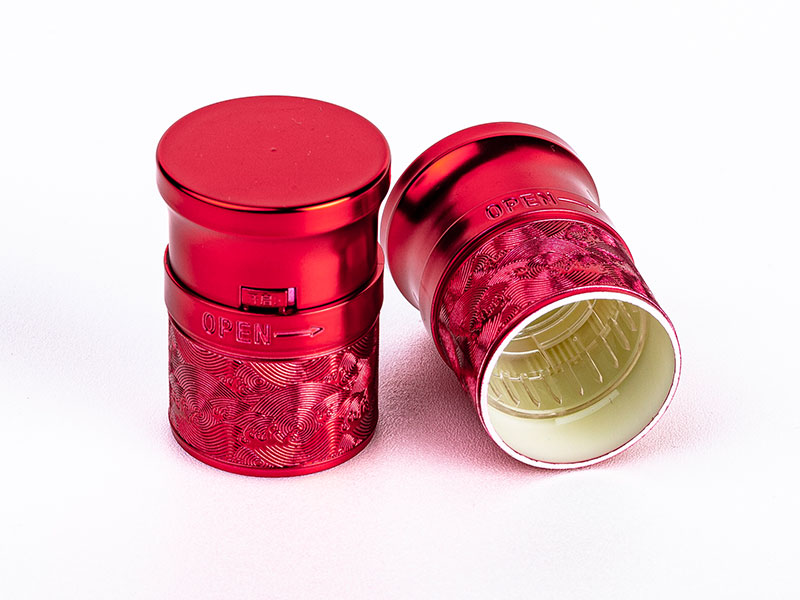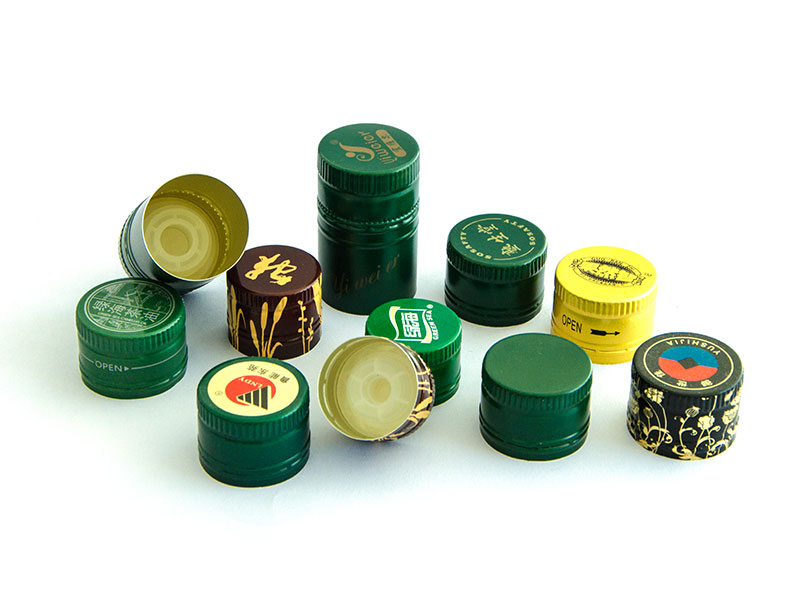


Aluminum 30x60mm Screw Caps for Wine Bottles with Optimal Leak Prevention
Aluminum 30x60mm Screw Caps for Wine Bottles with Optimal Leak Prevention: A Closure That Thinks Like a Cellar
Wine packaging is often discussed in romantic terms-terroir, barrel aging, bottle shape-but the quiet hero is the closure. A 30x60mm aluminum screw cap looks simple, yet it performs a complex task: it has to seal reliably through temperature swings, vibration in transit, altitude changes, and years of storage, all while preserving aroma and preventing oxidation. From a practical standpoint, "optimal leak prevention" is not a single feature. It's a system built from precise geometry, controlled alloy tempering, liner chemistry, and implementation standards that keep performance repeatable from batch to batch.
Why 30x60mm Matters in Real-World Wine Logistics
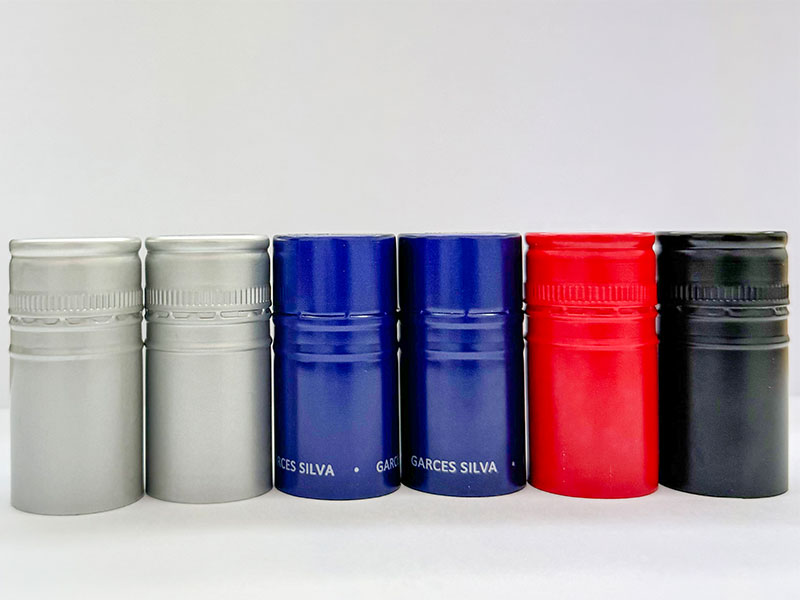
The 30x60mm format is commonly chosen for wine bottles requiring a robust skirt length and strong thread engagement, especially where distribution conditions are demanding. The diameter provides a stable sealing footprint over the bottle finish, while the 60mm height offers ample skirt area to form consistent threads and maintain tight vertical compression on the liner.
In practice, this size tends to be favored when producers want higher torque tolerance, improved tamper evidence geometry, and a secure feel for consumers opening the bottle-without compromising line speed in bottling.
The Leak-Prevention "Stack": Metal, Thread, Liner, Torque
Leak prevention in aluminum screw caps is best understood as a layered design.
The shell acts like a springy clamp. Aluminum's elastic behavior at thin gauges allows controlled deformation during capping. It "sets" around the glass finish rather than merely sitting on top of it.
The thread profile converts application torque into axial load. Properly formed threads pull the cap down evenly, ensuring the liner compresses uniformly instead of creating micro-channels where wine can creep.
The liner is the true seal. Most leaks happen when liner compression is uneven, or when liner material isn't matched to the product's chemistry and storage conditions.
Application torque and capping head setup are the final gatekeepers. Even the best cap can fail if applied outside its intended torque window or if bottle finish tolerances drift.
Parameters for Aluminum 30x60mm Wine Screw Caps
Below are typical technical parameters used in commercial production. Exact values may be adjusted based on bottle finish, liner selection, and customer branding requirements.
Common dimensional and performance parameters
- Cap type: Aluminum roll-on pilfer proof (ROPP) screw cap
- Nominal size: 30 x 60 mm
- Shell material: Aluminum alloy strip for closures
- Typical shell thickness: 0.20–0.23 mm (customizable by strength and forming needs)
- Skirt height: 60 mm
- Top type: Flat or slightly crowned top (branding dependent)
- Thread: Formed during capping (ROPP), matched to bottle finish specification
- Decoration: External coating + printing (offset, flexo, or digital), optional emboss/deboss
- Tamper evidence: TE band with bridges (bridge count and geometry customized)
- Typical application torque range: tuned per liner and finish; controlled for consistent compression
- Leak prevention approach: controlled skirt forming + liner compression + finish compatibility
Implementation Standards and Compatibility
For wine screw caps, performance depends heavily on matching cap design to the bottle finish standard used by your glass supplier. Most 30mm wine caps are designed around established ROPP bottle finish systems used globally.
Common implementation and quality references in production
- Dimensional inspection of aluminum strip and formed shells (thickness, hardness, curl geometry)
- Coating adhesion and cure verification (especially important for sulfite environments and humid shipping)
- Liner compression set evaluation and seal integrity testing
- Torque and removal torque monitoring during filling runs
- Vacuum/pressure leak tests and thermal cycling tests (to simulate transport and storage)
Where relevant, many manufacturers align aluminum strip selection and chemical composition control with widely used aluminum alloy standards such as ASTM and EN systems, and manage coatings under food-contact compliance regimes depending on the destination market.
Alloy and Tempering: Why the Shell Behaves Like a Seal, Not Just a Cover
Aluminum closures often use 3xxx-series (Al-Mn) or similar closure-grade alloys because they balance formability, strength, and corrosion resistance. The temper determines how the metal flows when the capping head rolls threads and forms the tamper band.
A closure shell must be soft enough to form cleanly without cracking, yet strong enough to maintain clamp force over time. In practice, this is why closure manufacturers carefully choose tempers such as H14/H16 (work-hardened) or equivalent closure-grade tempers depending on tooling and line conditions.
Typical alloy/temper considerations
- Formability: prevents skirt cracks during high-speed forming
- Yield behavior: supports consistent thread definition and liner compression
- Springback control: helps maintain sealing load after application
- Corrosion performance: protects the shell under condensation, wine splashes, and humid cartons
Liner Systems That Support "Optimal Leak Prevention"
If aluminum is the clamp, the liner is the gasket. For wine, liner selection also influences oxygen transmission and flavor preservation.
Common liner configurations include:
- Saranex-based liners for balanced oxygen control and reliable sealing
- Tin-saran style liners for extremely low oxygen ingress (often used when maximum barrier is desired)
- Food-grade PE-based liners engineered for elastic recovery and low taste transfer
Optimal leak prevention usually favors liners with strong elastic rebound and low compression set, especially when bottles may experience temperature cycling that can relax the seal.
Chemical Properties Table (Typical Aluminum Closure Alloy Composition)
Below is a representative chemical composition table for a commonly used closure-grade aluminum alloy in the Al-Mn family (example aligned with AA 3105-type chemistry). Actual compositions vary by supplier and certification, so final values should be confirmed by mill test certificates.
| Element | Typical Content (wt%) |
|---|---|
| Aluminum (Al) | Balance |
| Manganese (Mn) | 0.30–0.80 |
| Magnesium (Mg) | 0.20–0.80 |
| Iron (Fe) | ≤ 0.70 |
| Silicon (Si) | ≤ 0.60 |
| Copper (Cu) | ≤ 0.30 |
| Zinc (Zn) | ≤ 0.40 |
| Titanium (Ti) | ≤ 0.10 |
| Chromium (Cr) | ≤ 0.10 |
| Others (each) | ≤ 0.05 |
| Others (total) | ≤ 0.15 |
This chemistry is popular for closures because Mn improves strength and form stability, while maintaining good corrosion resistance and excellent workability for thin-gauge shell forming.
What "Optimal" Leak Prevention Looks Like on the Bottling Line
From a producer's point of view, the best cap is the one you stop thinking about. That's the true operational definition of leak prevention: fewer wet cartons, fewer consumer complaints, less rework, and stable removal torque months later.
In practical terms, a well-made Aluminum 30x60mm screw cap supports:
- Consistent thread formation without skirt splits
- Uniform liner compression across glass finish variations
- Stable torque behavior after shipping vibration and temperature exposure
- Strong tamper evidence that breaks cleanly and predictably
- Reliable barrier performance for the wine style you're bottling
Closing Thought: A Small Part That Protects a Large Investment
A wine bottle contains years of vineyard decisions and cellar work. The closure is the final mechanical promise that all of it arrives intact. Aluminum 30x60mm screw caps deliver that promise through disciplined metallurgy, controlled tempering, liner engineering, and repeatable standards-turning a simple-looking cap into a dependable seal system built for real-world logistics and real-world cellars.