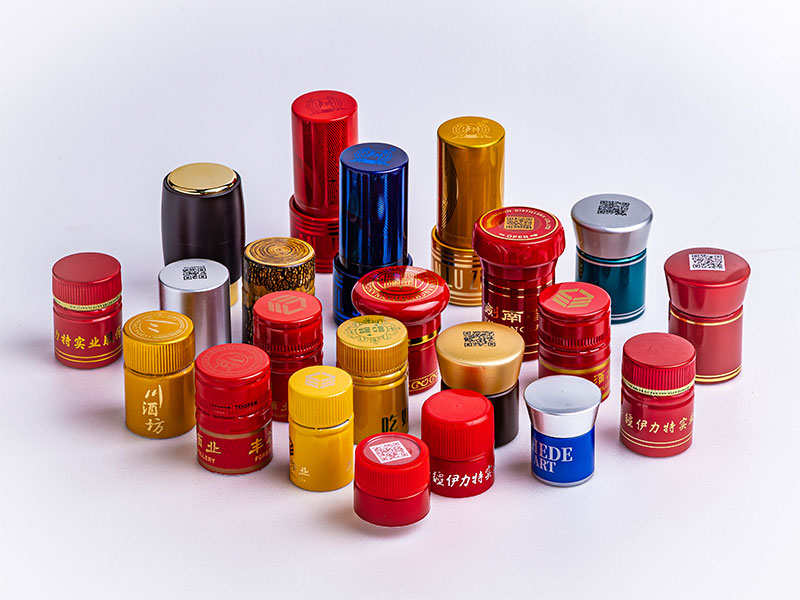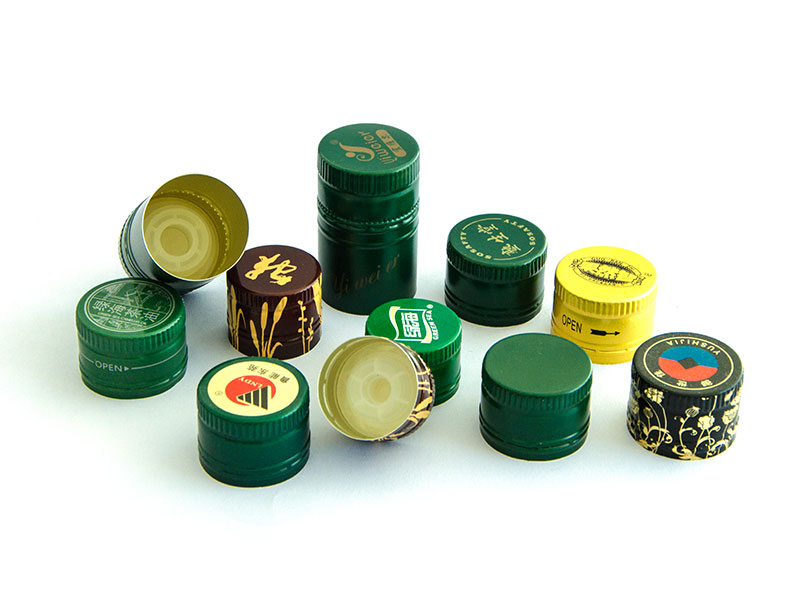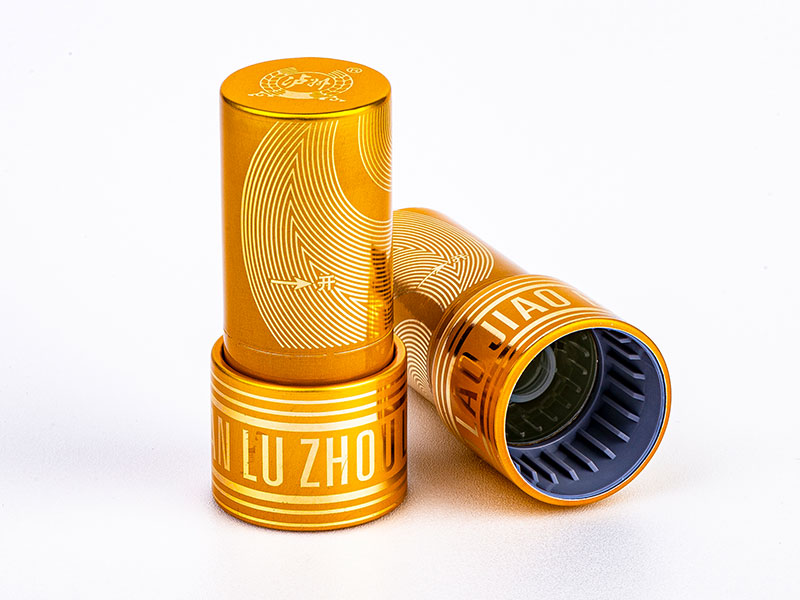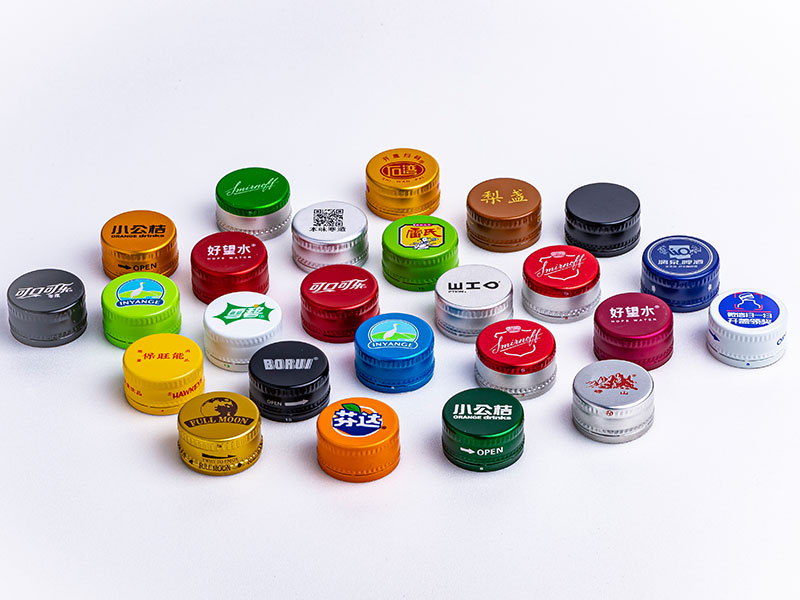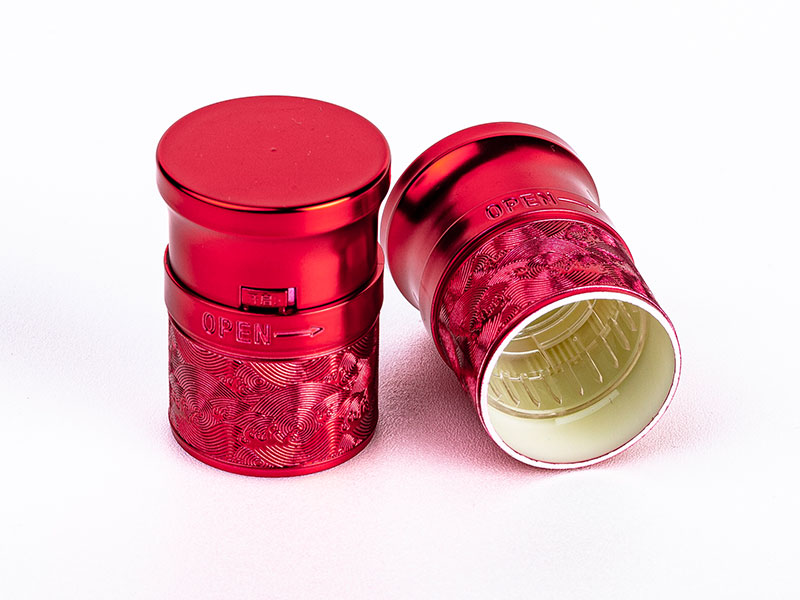


30x60mm Aluminum Screw Caps for Wine Bottles with High Gloss Coating
30x60mm Aluminum Screw Caps for Wine Bottles with High Gloss Coating: When Closure Engineering Becomes Part of the Wine Experience
In wine packaging, the closure is often treated as a finishing accessory. Yet for brands that care about consistency across markets, shelf conditions, and consumer handling, the closure is a functional micro-device: it manages oxygen ingress, resists corrosion from acidic vapors, survives distribution vibration, and communicates premium cues in the first half-second of touch. A 30x60mm aluminum screw cap for wine bottles with high gloss coating is a particularly interesting format because it sits at the intersection of engineering and brand theatre-where alloy choice, temper, coating chemistry, and thread geometry quietly decide whether the bottle opens cleanly and the wine tastes as intended months later.
Why 30x60mm Matters in Real Packaging Terms
The 30mm diameter with 60mm skirt height is a widely adopted wine screw cap size for standard wine bottle finishes. The 30mm top provides enough area to carry high-impact decoration, while the 60mm skirt gives the cap a long, elegant profile that hides glass finish variation and supports a stable thread engagement length.
In practical production, 30x60mm is also a "sweet spot" for manufacturers because it balances material usage with rigidity. The skirt length contributes to hoop strength and helps maintain roundness during capping, which directly influences removal torque consistency and the "smooth unscrew" feel consumers notice instantly.
High Gloss Coating: More Than Shine
A high gloss coating is not just a visual upgrade. In aluminum closures, gloss performance often signals coating integrity: evenness, crosslinking quality, and surface smoothness. Those factors translate into measurable benefits:
- Lower scuffing during bottle-on-bottle contact in cartons and cases
- Better print clarity and metallic depth for premium branding
- Improved barrier performance against humidity, salt fog, and winery condensate environments
- Reduced micro-scratch initiation sites that can become corrosion starting points over time
From a wine-industry perspective, the cap's outer coating is a "transportation coating" as much as a "marketing coating." It protects brand appearance through real-world friction and abrasion.
Parameters for 30x60mm Aluminum Screw Caps (Typical Specification Window)
While final values depend on bottling line, bottle finish, liner system, and desired opening feel, the following parameters are commonly defined during purchasing and validation:
Dimensional basics
- Nominal size: 30 x 60 mm (diameter x skirt height)
- Application: standard wine bottle screw finish compatible with 30mm closure systems
- Geometry: roll-formed threads, tamper-evident (TE) band design depending on market
Material and structure
- Aluminum alloy: commonly 8011 or 3105 series used for closure stock
- Temper: H14/H16/H18 selected to balance formability and stiffness
- Typical sheet thickness (closure stock): around 0.20–0.23 mm depending on design targets
- Skirt rigidity: tuned via temper + profile features to prevent ovality during capping
Coating and decoration
- Exterior: high gloss clear or pigmented system, often polyester/epoxy-based depending on process
- Interior: food-contact lacquer compatible with wine vapor environment
- Print method: offset, flexo, or digital depending on design complexity
- Performance expectations: adhesion, gloss retention, abrasion resistance, and corrosion resistance
Sealing system (liner/wad)
- Common liner families: Saranex-based, PVDC-free barrier liners, EPE, or tailored oxygen transmission systems
- Seal requirement: low oxygen ingress, stable seal under temperature cycling, consistent release
Torque behavior (application-dependent)
- Application torque, removal torque, and bridge break force are normally validated on the customer's line
- Consistency is driven by cap roundness, thread definition, liner compression, and coating friction coefficient
Because the closure is a system component, these specs are best confirmed with line trials on the target glass finish and capper head configuration.
Implementation Standards and Compliance: Where Closure Quality Becomes Verifiable
For wine screw caps, "quality" is not an abstract promise; it is typically verified against a mix of packaging, coating, and food-contact requirements. Manufacturers commonly align production and inspection with standards and practices such as:
- Quality management systems aligned with ISO 9001 for consistent output and traceability
- Food-contact and packaging chemical safety compliance applicable to destination markets, often involving migration testing of internal lacquers and inks
- Coating performance testing methods for adhesion, solvent resistance, abrasion, and corrosion resistance
- Dimensional and torque-related inspection plans tied to customer bottle finishes and capping equipment
Depending on export destination, documentation often includes material declarations, coating compliance statements, and test reports relevant to food-contact packaging regulations in the target region.
Alloy Selection and Temper: The Quiet Architecture of "Feel" and "Seal"
The most underrated part of a high gloss aluminum screw cap is the alloy tempering choice, because temper determines how the cap behaves during forming and later during capping.
- A softer temper improves drawability and reduces risk of micro-cracking in tight radii, but can lead to skirt deformation under capping load
- A harder temper improves stiffness, maintains roundness, and supports stable torque behavior, but demands tighter forming control to avoid defects
For 30x60mm wine caps, closure stock often uses 8011-H14/H16/H18 or 3105-H14/H16 depending on the forming line, target stiffness, and coating system. These alloys are favored for their balance of formability, strength, and corrosion resistance in coated applications.
From a distinctive viewpoint, the temper is effectively the cap's "memory." It determines how well the cap returns to designed geometry after forming and how stable it remains when compressed against a liner for months of shelf life.
Chemical Properties (Typical Composition) for Common Closure Alloys
Actual composition depends on the specific mill and material certificate, but the following table reflects widely used aluminum alloys for closure stock. Values are given as typical or maximum ranges consistent with common industry references.
Aluminum Alloy Chemical Composition Table (wt%)
| Alloy | Si (%) | Fe (%) | Cu (%) | Mn (%) | Mg (%) | Cr (%) | Zn (%) | Ti (%) | Al |
|---|---|---|---|---|---|---|---|---|---|
| 8011 | 0.50–0.90 | 0.60–1.00 | ≤0.10 | ≤0.20 | ≤0.05 | - | ≤0.10 | ≤0.08 | Balance |
| 3105 | ≤0.60 | ≤0.70 | ≤0.30 | 0.30–0.80 | 0.20–0.80 | ≤0.20 | ≤0.40 | ≤0.10 | Balance |
Why this matters for wine caps
- Fe and Si in 8011 support strength and forming stability for thin-gauge stock
- Mg and Mn in 3105 help with work-hardening behavior and stiffness, useful for maintaining skirt geometry
- Both alloys rely on coating and interior lacquer for long-term corrosion protection in wine packaging environments
High Gloss Coating System: Performance Targets That Protect Branding
A high gloss cap is a promise that the surface will stay premium after handling, chilling buckets, cellar humidity, and transportation abrasion. Manufacturers typically design coating stacks to meet performance targets such as:
- Stable gloss after curing and after abrasion cycles
- Strong adhesion to aluminum substrate after forming, not only on flat panels
- Resistance to common winery exposures like moisture, mild cleaning residues, and incidental alcohol contact
- Compatibility with printing inks and overvarnishes without loss of slip control
In closure production, controlling friction is as important as controlling shine. A cap that is too "grabby" may scuff in bulk packing; too "slippery" can reduce handling stability during feeding and capping. High gloss systems are often engineered to hold a narrow friction window while delivering premium aesthetics.
The Seal Interface: Where Metal Meets Wine
Consumers see gloss. Winemakers care about the seal.
With screw caps, the sealing performance is typically determined by the liner material and compression characteristics, but the aluminum shell influences sealing more than many expect. If the skirt ovalizes, or thread geometry varies, liner compression becomes uneven. That can create micro-leak paths or inconsistent oxygen transmission outcomes across a batch.
A well-made 30x60mm aluminum screw cap supports the liner by remaining dimensionally stable during application torque and maintaining consistent geometry through storage temperature changes.
Wine packaging faces a subtle challenge: it must behave consistently across changing climates. Bottles travel from warm filling halls to cool warehouses, from trucks to retail shelves, then into home refrigerators. Each temperature swing changes material dimensions slightly and can stress the seal.
Thinking of the closure as "packaging climate control" changes what you prioritize:
- Alloy temper and skirt stiffness become tools for dimensional stability
- Coating integrity becomes a barrier system, not decoration
- Thread and TE band precision become reliability mechanisms, not just compliance features
- Gloss becomes a proxy for process control and coating health
When engineered this way, high gloss is not superficial-it is the visible outcome of controlled metallurgy and controlled chemistry.
Why Brands Choose 30x60mm High Gloss Aluminum Screw Caps for Wine
The format continues to grow in premium wine because it combines strong shelf presence with predictable performance:
- Premium appearance with high gloss depth and high-definition decoration
- Reliable sealing behavior with modern liner options tailored for oxygen management
- Strong corrosion protection through well-designed exterior and interior coating systems
- Consistent consumer opening experience when alloy temper and geometry are controlled
For wineries and packaging buyers, specifying a 30x60mm aluminum screw cap is most successful when it includes not only dimensions and artwork, but also alloy/temper, coating system expectations, and validation on the actual bottling line.