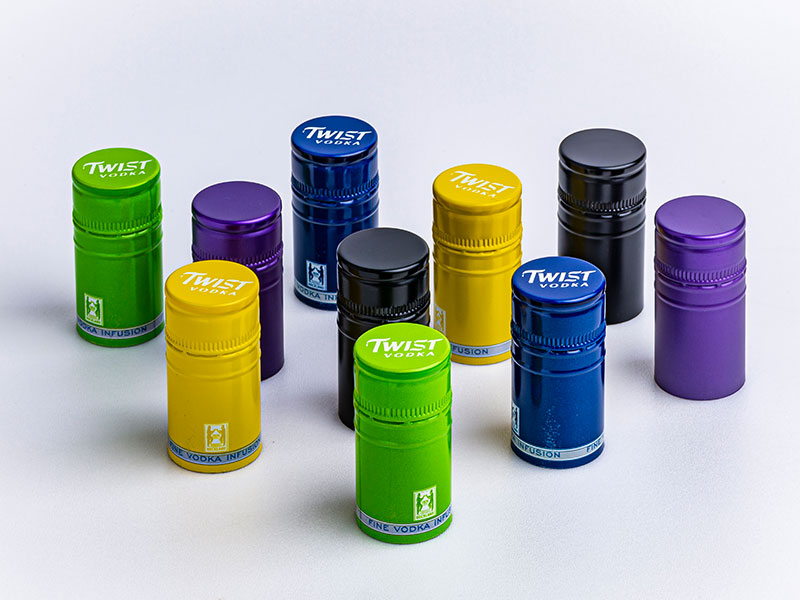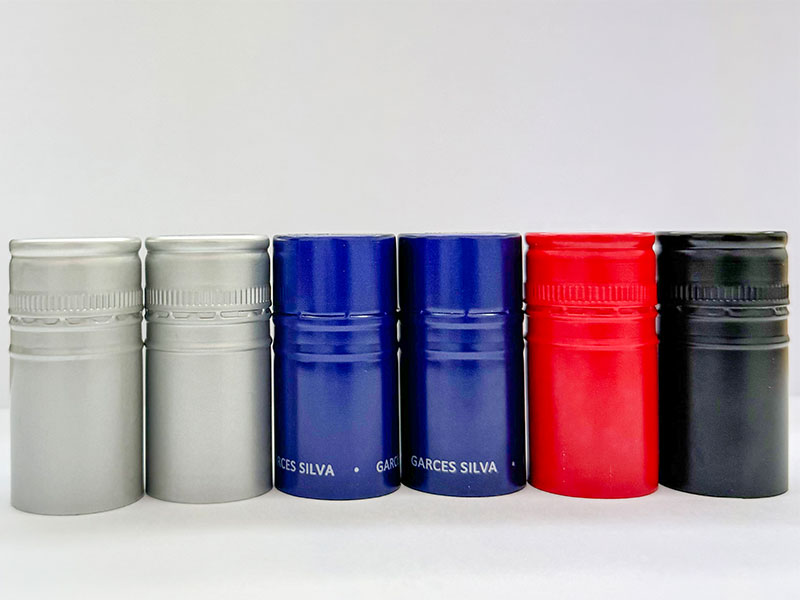


Screw On 30x60mm Aluminum Wine Closures for Bottles with Custom Finish
There's a quiet moment on every bottling line that says more about a wine brand than most people realize. It's the instant the closure meets the bottle finish, the thread catches, and the cap seats with a clean, confident stop. For many wineries, that small mechanical handshake is where the promise of the label becomes physical. In that sense, a screw on 30x60mm aluminum wine closure isn't a commodity at all-it's a functional signature, engineered for protection and then dressed in a custom finish that customers will touch before they taste.
From the perspective of an aluminum alloy specialist, the fascination lies in how a deceptively simple component has to perform like a system: metal shell, thread geometry, liner chemistry, torque behavior, sealing reliability, and surface aesthetics all acting together. Get any one of them wrong and the wine will tell on you later-through scalping, leakage, inconsistent oxygen pickup, or a cap that feels "cheap" in the hand.
Why 30x60mm, and why it feels different
The 30x60mm format is often chosen when the brand wants presence and proportion. That extra diameter and skirt length can make a bottle look more deliberate and premium, especially on tall bottles or heavier glass. But the size isn't just visual. It changes how the closure grips, how it deforms during application, and how much surface is available for custom finishes.
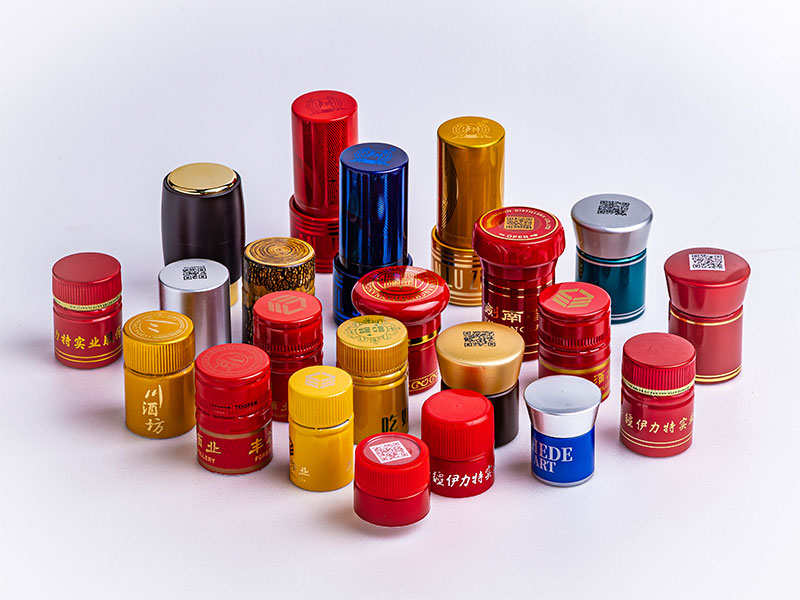
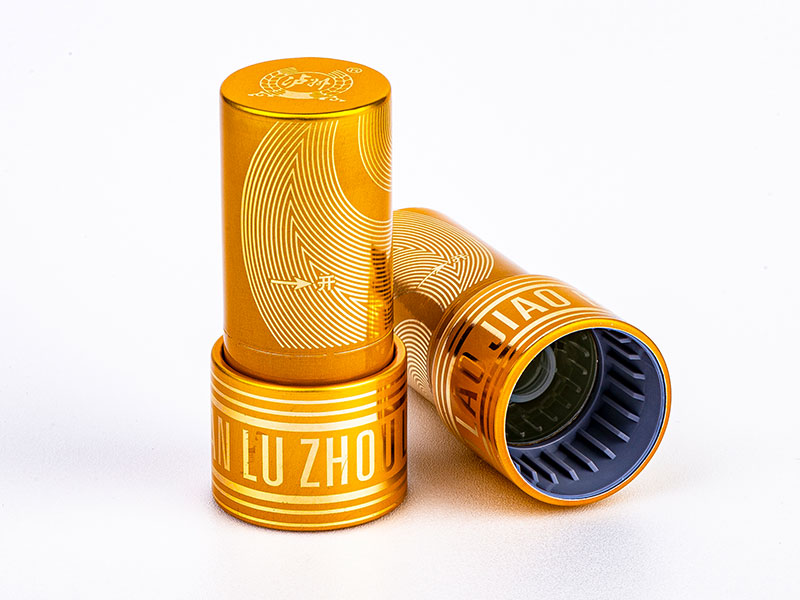
A 30mm diameter also offers more real estate for embossing, debossing, and multi-layer coatings. The 60mm skirt can hide the neck finish and create a smooth silhouette-useful when the brand wants the closure to look like a continuous extension of the bottle rather than a "cap sitting on top."
The aluminum alloy behind the polish
Most screw caps in this category are made from aluminum alloy strip in the 3xxx series, selected for a balance of formability, strength, and corrosion resistance. In practical terms, you want the shell to draw smoothly without tearing, hold thread shape without springing back excessively, and resist staining under coatings or humid storage.
A commonly used option is AA 3105, widely adopted for packaging closures because it forms well and supports consistent coating adhesion. Another frequent choice is AA 8011 in certain supply chains, valued for its deep draw characteristics and stability in thin gauges. The "right" alloy often comes down to a manufacturer's tooling, coating system, and the end-market's regulatory expectations.
Below is a representative reference table for typical closure-grade aluminum alloys. Actual composition limits vary by supplier and applicable standard, so final selection should be confirmed against mill certificates and the closure maker's qualification data.
Typical chemical composition (wt.%)
| Alloy | Si | Fe | Cu | Mn | Mg | Zn | Ti | Al |
|---|---|---|---|---|---|---|---|---|
| AA 3105 | ≤0.60 | ≤0.70 | ≤0.30 | 0.30–0.80 | 0.20–0.80 | ≤0.40 | ≤0.10 | Balance |
| AA 8011 | 0.50–0.90 | 0.60–1.00 | ≤0.10 | ≤0.20 | ≤0.05 | ≤0.10 | ≤0.08 | Balance |
Temper is as important as chemistry. Closure shells typically use H19 or similar "hard" tempers at the strip stage to help thread definition and reduce post-forming relaxation, while still allowing draw and knurl formation. Some production routes begin with a different temper and rely on process controls during forming and washing to achieve the final mechanical behavior.
Implementation standards and practical compliance points
Wine closures sit at the intersection of packaging law and food-contact chemistry. Even when the shell is "just aluminum," the coatings, inks, and liner compound are where compliance is truly won or lost.
In many export markets, manufacturers align with a blend of the following expectations:
- EU food-contact framework principles under Regulation (EC) No 1935/2004, plus applicable GMP requirements for packaging production (EC) No 2023/2006.
- US FDA food-contact considerations for coatings and elastomers when the liner or internal lacquer may contact the product.
- Heavy metal limits, migration testing, and organoleptic neutrality requirements, often driven by brand owner specifications rather than a single global rule.
From a buyer's viewpoint, the most useful documents are the Declaration of Compliance for the coating and liner system, migration/organoleptic test reports for the assembled closure, and the lot traceability procedure that connects finished caps back to raw material batches.
Seal performance: liners, oxygen, and the truth of shelf life
A screw cap's reputation in wine is built on oxygen management. The shell contributes structure, but the liner is the gatekeeper.
Common liner families include:
- Saran-tin (or other barrier constructions) aimed at low oxygen ingress and long aging stability.
- Co-extruded PE/EVA-based liners engineered for specific OTR targets.
- Alternative barrier liners designed to reduce chlorine-containing materials, depending on market preference.
The is matching liner choice to wine style and distribution reality. A crisp aromatic white shipped through hot climates has different needs than a cellar-worthy red. What matters operationally is that the closure supplier can provide measured oxygen transmission data, compression set behavior, and application torque windows that stay stable across production lots.
Torque isn't a trivial detail. Too low and you risk microleaks and inconsistent seal compression. Too high and you can damage the thread interface, deform the neck finish, or make the consumer experience feel aggressive. For 30x60mm closures, application settings often need fine tuning because the larger shell can change how friction and seating force behave.
The bottle finish: where engineering meets "feel"
Screw caps are not universal by default. They are married to a bottle finish standard, typically a BVS-type finish or a market-specific thread design. The thread profile, start angle, and tamper-evident band geometry must match the glass.
If a closure feels gritty when it turns, or if the tamper band breaks unevenly, the cause is often not "bad caps" or "bad bottles" alone-it's the tolerance stack. Glass variation, cap thread roll quality, liner compression behavior, and capper head alignment all contribute.
This is why experienced closure makers talk about systems rather than parts, and why pilot trials on the actual bottling line are more revealing than any spec sheet.
Custom finish: the surface is your brand's handshake
Custom finish is where the closure stops being purely functional and becomes an identity. But even here, metallurgy and coating science quietly set the limits.
Popular finish options include:
- Matte, satin, and high-gloss topcoats that change how light reads on the cap
- Soft-touch coatings that add tactile "warmth" to aluminum
- Metallic inks, pearlescent effects, and spot UV for contrast
- Embossing and debossing for logos that can be recognized by fingertips
- Anodized-like appearances achieved through specialized coating stacks (true anodizing is less common in mass wine closures due to process complexity and food-contact requirements)
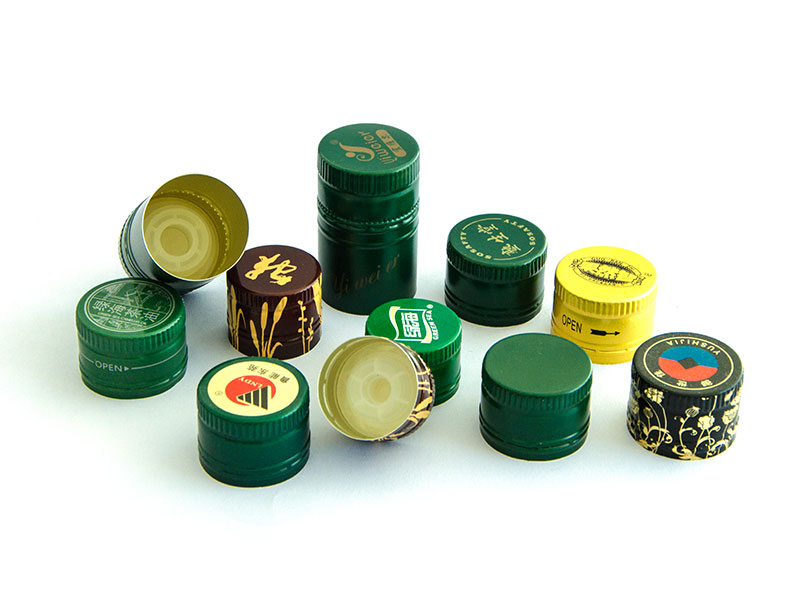
A reliable custom finish starts with surface preparation. Aluminum strip is typically cleaned, chemically treated, and coil-coated before forming. The coating must remain flexible enough to survive deep drawing, knurling, and rolling without crazing. That's why closure-grade coatings are not interchangeable with general-purpose decorative paints.
Color control is another practical frontier. If your brand cares about consistency across multiple production months, specify color targets using recognized measurement methods such as CIE Lab* with defined tolerances under standard illuminants. "Gold" is not a color; it's a family of reflections.
Quality parameters that actually matter on arrival
When closures arrive at a winery, the most meaningful checks are the ones that predict line behavior and shelf performance:
- Visual inspection for coating defects, edge chips, skirt wrinkles, and print registration issues
- Thread integrity and tamper band uniformity
- Liner placement, cleanliness, and absence of contamination
- Dimensional consistency that affects capper setup repeatability
- Odor neutrality, especially if closures are stored in warm conditions
A strong supplier will offer lot-based inspection records and be willing to align on acceptance criteria that reflect your bottling reality, not just their factory's internal metrics.
A closure that earns its quiet moment
A screw on 30x60mm aluminum wine closure with custom finish is, at its best, a small engineered ritual: it protects the wine, opens smoothly, and leaves the consumer with a sense that the brand paid attention. The artistry is visible in the color and texture, but the trust comes from less glamorous choices-an alloy that forms consistently, a temper that holds threads, a liner that manages oxygen, and standards that keep chemistry safely in bounds.
In the end, the closure doesn't need to shout. It just needs to do its job so well that nobody notices-until the bottle is opened, and everything tastes exactly as intended.