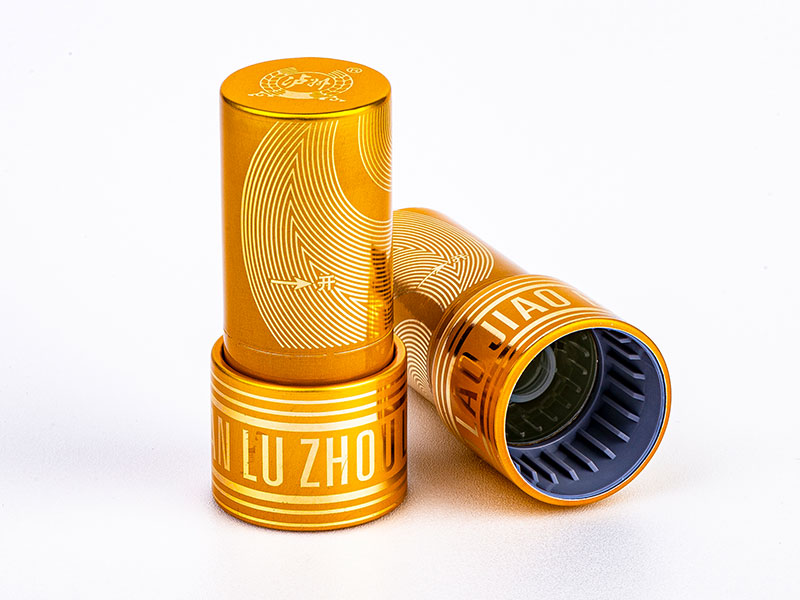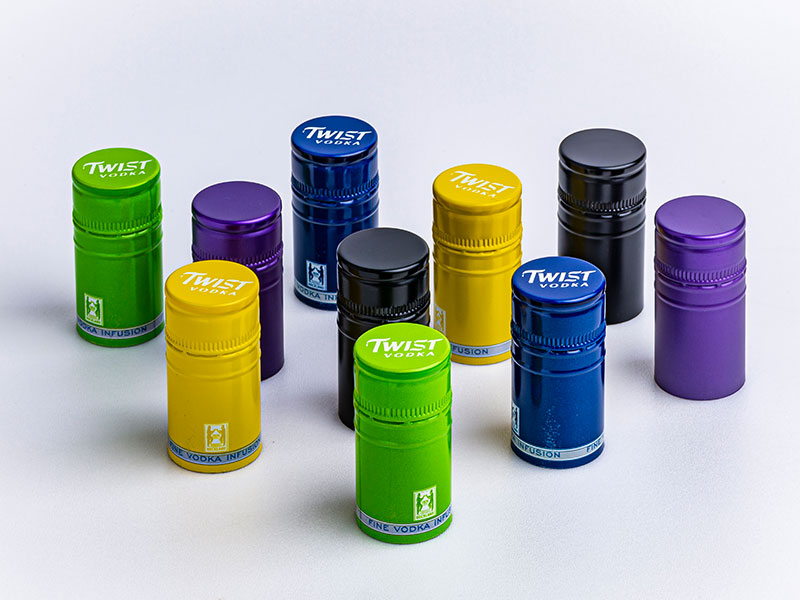


Aluminum Soda Bottle Caps with Tight Pressure Seal for Carbonated Drinks
A good soda cap is easy to ignore. That is probably the highest compliment it can receive. It sits quietly on top of a bottle, taking the full brunt of internal pressure, handling temperature changes, surviving transport vibration, and still opening with the familiar crisp release that tells the drinker the carbonation is intact. In the world of carbonated beverages, the cap is not a decorative afterthought. It is a pressure-retaining component, a corrosion-resistant barrier, and a small piece of precision metal forming that carries a surprisingly serious engineering burden.
From that perspective, aluminum soda bottle caps are fascinating. They combine light weight, formability, recyclability, and controlled strength in a way that suits modern beverage packaging. While plastic closures dominate many segments, aluminum remains highly attractive where brand appearance, barrier performance, and premium tactile feel matter. For carbonated drinks especially, a tight pressure seal is not simply desirable. It is the line between a lively product and a flat disappointment.
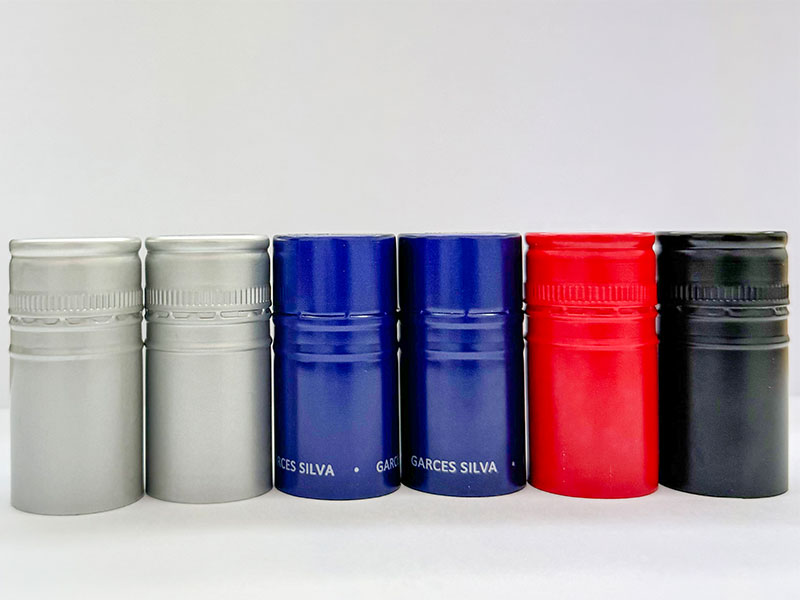
What makes aluminum suitable begins with the alloy itself. Bottle cap shells are typically produced from rolled aluminum sheet or coil with excellent deep-drawing and threading performance. Common choices include 8011, 3105, and 5052 in carefully selected tempers, depending on the closure design, liner system, and forming route. For pilfer-proof roll-on closures and pressure-resistant beverage caps, the material must balance ductility with enough stiffness to maintain thread geometry and sealing load after application.
A practical comparison is shown below.
| Alloy | Typical Temper | Main Characteristics | Approx. Tensile Strength | Approx. Yield Strength | Elongation | Typical Use in Caps |
|---|---|---|---|---|---|---|
| 8011 | H14 / H16 | Excellent formability, good corrosion resistance, economical | 150–190 MPa | 130–170 MPa | 2–5% | General bottle cap shells, lined closures |
| 3105 | H14 / H16 | Good strength-formability balance, good surface finish | 180–220 MPa | 160–200 MPa | 2–4% | Beverage closures, decorative shells |
| 5052 | H32 / H34 | Higher strength, excellent corrosion resistance, good fatigue behavior | 210–260 MPa | 160–220 MPa | 3–8% | Specialty pressure-resistant closures |
The chemistry behind those properties is equally important, because closure behavior is affected not only by mechanical values but also by corrosion resistance in humid, acidic, and CO₂-rich packaging environments.
| Alloy | Si % | Fe % | Cu % | Mn % | Mg % | Cr % | Zn % | Al % |
|---|---|---|---|---|---|---|---|---|
| 8011 | 0.5–0.9 | 0.6–1.0 | ≤0.1 | ≤0.2 | ≤0.05 | - | ≤0.1 | Balance |
| 3105 | ≤0.6 | ≤0.7 | ≤0.3 | 0.3–0.8 | 0.2–0.8 | ≤0.2 | ≤0.4 | Balance |
| 5052 | ≤0.25 | ≤0.4 | ≤0.1 | ≤0.1 | 2.2–2.8 | 0.15–0.35 | ≤0.1 | Balance |
The phrase "tight pressure seal" sounds simple, but in manufacturing terms it depends on a chain of interlocking details. The aluminum shell must be formed with consistent wall thickness, the skirt must resist cracking during knurling or thread rolling, and the cap must work in harmony with the liner. Most carbonated drink closures rely on a sealing compound or inserted liner, often based on PE, EVA, or specialized oxygen-barrier materials. The aluminum itself provides structural containment; the liner creates the intimate contact with the bottle finish that blocks gas loss.
That partnership between metal and liner is where many closure failures begin or end. If the alloy is too soft, the cap may deform excessively during application, reducing long-term sealing force. If it is too hard, it may crack at the thread bridges or fail to conform properly to the bottle neck profile. If the inside lacquer is poorly matched to the beverage, acidic ingredients or flavor compounds may attack the interface. A cap for carbonated lemon soda does not live the same life as a cap for still water.
In practice, cap manufacturers often specify aluminum sheet in a narrow thickness range, commonly around 0.20 mm to 0.25 mm for lightweight closure stock, though specialty designs may go thicker depending on pressure requirements and geometry. Surface treatment is another essential layer of reliability. The shell may be coated internally with food-grade epoxy, polyester, or BPA-NI systems to reduce metal-product interaction, while the outer surface receives printing varnish or decorative coating for branding and abrasion resistance.
For implementation, quality control is less glamorous than alloy selection but just as decisive. Carbonated beverage caps are usually evaluated through torque performance, buckle resistance, leakage testing, and pressure retention under thermal cycling. A closure might pass dimensional inspection and still fail in real life if the seal relaxes after hot warehouse exposure or if liner compression changes during cold filling. Reliable producers therefore test applied caps under simulated transport and storage conditions, often including internal pressure retention checks at elevated temperatures.
Several standards and reference frameworks guide this work. Aluminum material itself is commonly supplied to recognized specifications such as ASTM B209 for aluminum and aluminum-alloy sheet and plate, or corresponding EN standards such as EN 485 for wrought aluminum products. Chemical composition is typically controlled according to ASTM B209, EN 573, or GB/T alloy designation standards depending on the market. For food-contact safety, coatings and liner systems are evaluated under FDA, EU Framework Regulation, and related migration requirements. In closure manufacturing lines, dimensional consistency and sealing performance are also aligned with beverage-industry internal specifications, which can be stricter than general metal standards because carbonation loss tolerances are unforgiving.
There is also a more human way to understand why aluminum caps matter. Think of a bottle of sparkling drink as a controlled disagreement between liquid and gas. Carbon dioxide wants to escape. The beverage maker wants it to stay dissolved until the exact moment of opening. The bottle body carries the visible pressure, but the cap negotiates the final terms. It must clamp down firmly enough to hold pressure over weeks or months, yet release in a clean and consumer-friendly way. That means the closure needs not only strength, but composure.
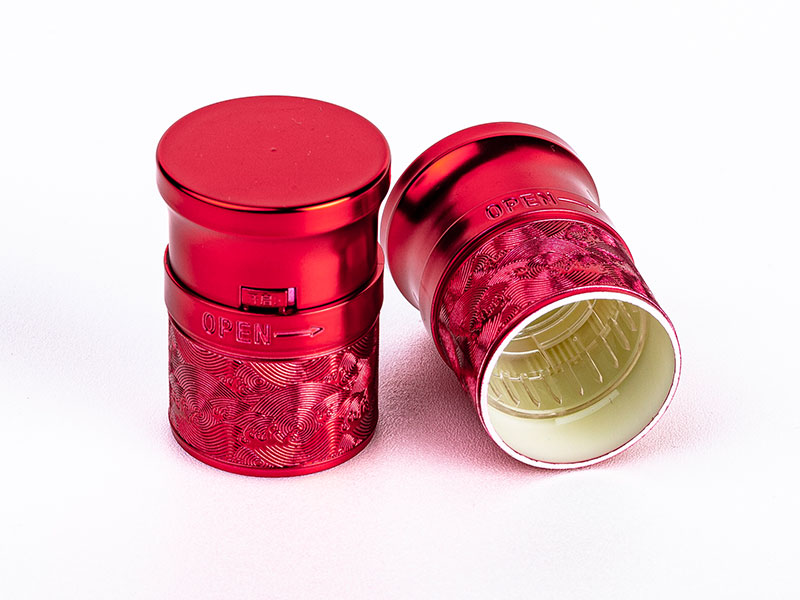
Aluminum performs well in this role because it has a natural oxide film that supports corrosion resistance, and because its forming behavior allows precise shaping in high-speed production. It also gives a premium acoustic signal during opening. That soft metallic break and hiss can become part of product identity. For premium sodas, craft sparkling beverages, and export brands that want shelf impact, aluminum closures deliver a visual and tactile impression plastic often struggles to match.
Still, no material earns trust automatically. When selecting aluminum soda bottle caps for tight pressure seal applications, buyers should look beyond appearance. The important questions are practical. Which alloy and temper are being used? Is the closure intended for the internal pressure level of the drink? What liner material is paired with the cap? Has the coating been validated for acidic or flavored carbonated beverages? What are the torque and leakage test results after accelerated aging? These are not technical distractions. They are the real predictors of whether a closure will protect carbonation from filling line to consumer hand.
A well-made aluminum cap is a small example of disciplined engineering. It uses just enough metal, just enough hardness, just enough elasticity, and just enough barrier performance to do its job invisibly. When it works, the soda opens lively, the aroma rises immediately, and the drink tastes the way it was intended. In that instant, the cap disappears from attention. But behind that effortless moment is a carefully chosen alloy, a controlled temper, a food-safe coating, a compatible liner, and a sealing design built to hold pressure without drama.
That is the quiet achievement of aluminum soda bottle caps. They are not merely closures. They are guardians of carbonation, shaped from alloy into confidence.