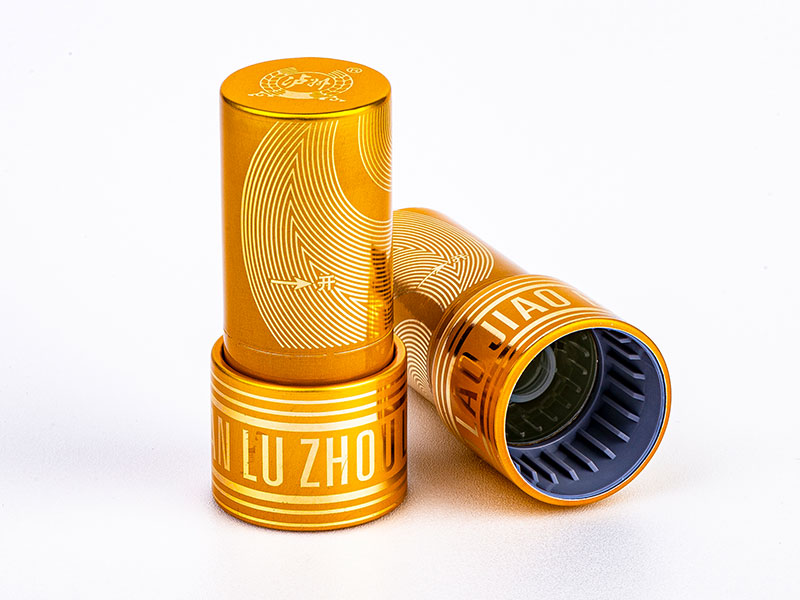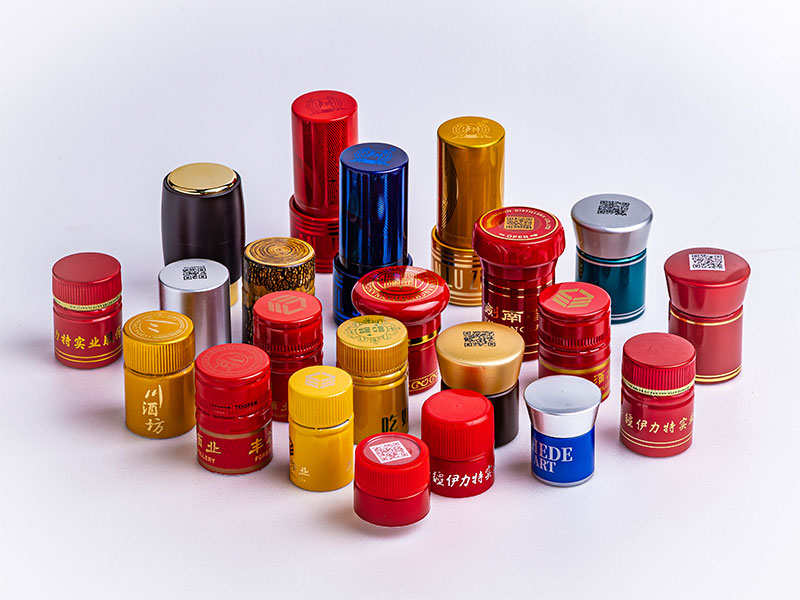


Aluminum Soda Bottle Caps with Reliable Seal for Fizzy Drinks
Fizzy drinks are unforgiving: carbonation pressure rises and falls with temperature, bubbles hunt for micro-leaks, and aromas escape through the smallest imperfection. Aluminum soda bottle caps are engineered to protect that "fresh-open" sensation by combining high-formability aluminum with a precisely designed liner and controlled surface finish. The result is a cap that closes smoothly on high-speed lines, seals consistently across capper variations, and maintains internal pressure without tainting taste.
What Makes an Aluminum Cap "Reliable" for Carbonated Drinks
A reliable seal is achieved through a system, not a single attribute. Aluminum closures perform well for fizzy beverages because they offer:
- Dimensional stability under torque so thread engagement is predictable
- Controlled alloy strength to resist skirt deformation and pressure cycling
- Excellent barrier behavior with proper coating/liner design
- Clean, food-safe surfaces that avoid metallic taste transfer
- Compatibility with high-speed capping equipment and common bottle neck finishes
In practical terms, the cap must hold pressure, prevent CO₂ loss, and avoid weeping leaks during distribution, refrigeration, and repeated handling.
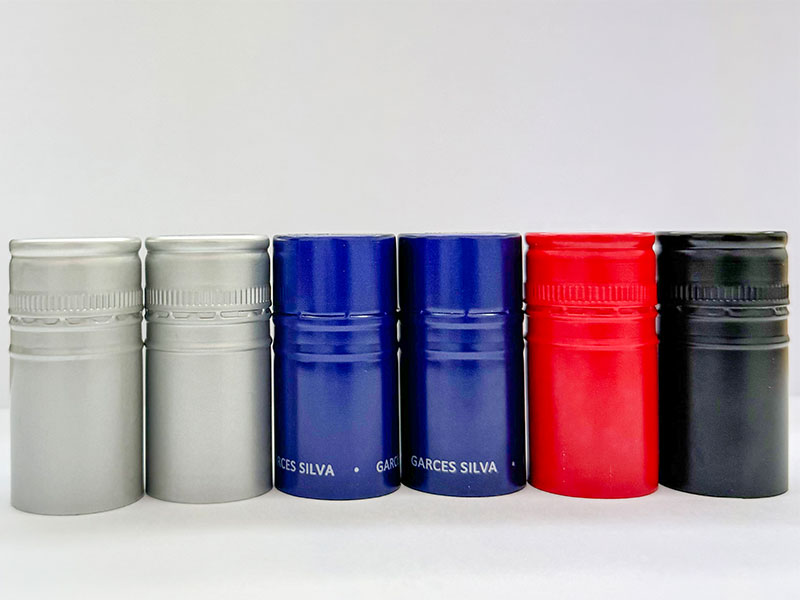
Aluminum Soda Bottle Caps with Reliable Seal for Fizzy Drinks are typically roll-on pilfer-proof (ROPP) or threaded aluminum closures designed for glass bottles used in carbonated soft drinks, sparkling water, energy drinks, and craft carbonated beverages. They are produced from coated aluminum sheet, formed by stamping and shaping, then fitted with a liner (wad) selected for carbonation retention and flavor neutrality.
Material Selection and Chemical Composition (Typical)
Aluminum caps are commonly made from AA 8011 or AA 3105 due to their balance of formability, strength, and coating adhesion. The exact alloy is selected to match cap geometry, skirt height, and line speed.
Typical Alloy Chemistry (wt.%)
| Alloy (Typical) | Si | Fe | Cu | Mn | Mg | Zn | Ti | Al |
|---|---|---|---|---|---|---|---|---|
| AA 8011 | 0.50–0.90 | 0.60–1.00 | ≤0.10 | ≤0.20 | ≤0.05 | ≤0.10 | ≤0.08 | Balance |
| AA 3105 | ≤0.60 | ≤0.70 | ≤0.30 | 0.30–0.80 | 0.20–0.80 | ≤0.40 | ≤0.10 | Balance |
Note: Ranges shown are representative for cap stock. Final selection depends on customer equipment, closure design, and targeted opening torque.
Features for Fizzy Drink Performance
High Seal Integrity Under Pressure Cycling
Carbonated beverages can create demanding internal pressure, especially in warm distribution environments. Aluminum's controlled yield behavior helps maintain skirt geometry and thread contact. Combined with a properly specified liner, this reduces CO₂ loss and micro-leak paths.
Consistent Torque Window
A cap that is too soft can "relax" after capping; too hard can crack the liner or damage the bottle finish. Optimized alloy temper and coating friction help maintain a stable application torque window, improving line efficiency and consumer opening feel.
Excellent Print and Brand Finish
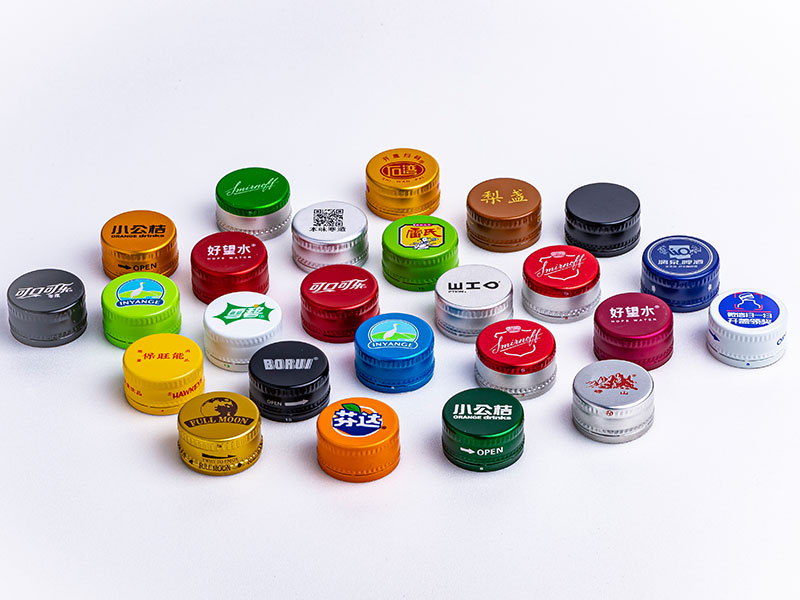
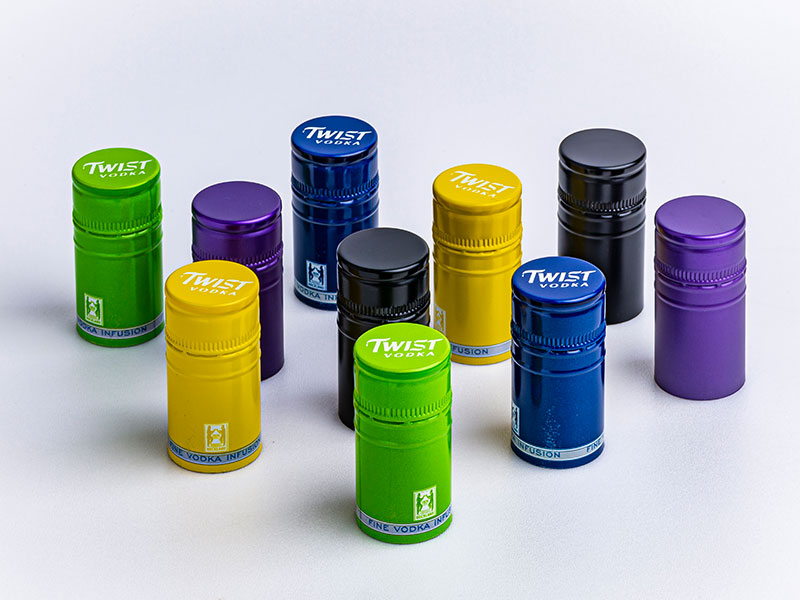
Aluminum surfaces accept decorative coatings and printing for premium shelf impact. Matte, gloss, metallic, and textured effects are possible, including embossing and knurl patterns for grip.
Food-Safe Barrier Coatings
Interior coatings are selected to prevent product interaction, protect against corrosion from acidic beverages, and keep flavor clean. Modern systems can be specified to meet regional regulations and brand policies.
Tamper Evidence and Consumer Confidence
ROPP-style aluminum caps can form a tamper-evident band on application, providing a clear indication of first opening-important for retail, export, and safety-focused brands.
Technical Specifications (Typical Ranges)
Specifications vary with cap diameter, neck finish, and capping style. The table below summarizes common technical targets for aluminum soda caps used on glass bottles.
Closure Technical Data (Typical)
| Parameter | Typical Range | Notes |
|---|---|---|
| Cap type | ROPP / threaded aluminum | Selection based on bottle finish and capper tooling |
| Nominal diameters | 28–38 mm (common), other sizes on request | Carbonated drinks often use robust finishes |
| Shell thickness | 0.20–0.25 mm (typical) | Tuned for forming and pressure resistance |
| Cap height | 15–25 mm (typical) | Depends on thread profile and tamper band |
| Liner type | EPE, EPE+PET, PVC-free compounds, foamed liners | Chosen for carbonation retention and torque behavior |
| Inside coating | Epoxy, polyester, BPA-NI options | Matched to beverage acidity and brand compliance |
| Outside coating | Polyester / UV varnish / printable basecoat | Supports high-definition branding |
| Knurling | straight / diagonal / custom | Improves grip and visual premium feel |
| Tamper evidence | banded TE (ROPP) / bridge features | Depends on design and bottle finish |
Performance Targets (Numerical Data)
For fizzy beverages, the closure must deliver measurable sealing performance. Actual acceptance criteria should be aligned with bottle supplier tolerances, line conditions, and beverage carbonation levels.
Typical Performance Benchmarks
| Performance Item | Typical Target | Test Context |
|---|---|---|
| CO₂ retention / leak resistance | No leakage at beverage-equivalent pressure | Pressure hold or water-bath leak test |
| Application torque | Set per bottle finish and liner | Verified on capper and at QA station |
| Removal torque (initial) | Comfortable consumer opening | Influenced by liner compression and coating friction |
| Torque retention | Stable after 24–72 h | Evaluated at room and chilled temperatures |
| Top-load / deformation resistance | No permanent buckle in normal handling | Case stacking and transport simulation |
| Corrosion resistance | No blistering, staining, or pitting | Humidity + product-contact evaluations |
Tip for buyers: Request performance data tied to your bottle finish drawing and your target carbonation (volumes of CO₂). This ensures the cap is tuned to real conditions, not generic criteria.
Liner and Sealing Interface: Where the Seal Is Won
The liner is the interface between aluminum and glass, and it heavily influences carbonation retention.
Common Liner Options (Practical Comparison)
| Liner | Strengths | Best Fit Applications |
|---|---|---|
| EPE (expanded polyethylene) | Cost-effective, consistent compression | Standard carbonated soft drinks, sparkling water |
| EPE + barrier film (PET/foil) | Better gas barrier and aroma retention | Premium sparkling beverages, flavored carbonation |
| PVC-free compound liners | Strong sealing on varied finishes | Mixed bottle suppliers, export distribution |
| Customized foamed liners | Tunable torque and sealing profile | High-speed lines, demanding torque windows |
A well-matched liner compensates for minor glass finish variations and maintains contact pressure as temperatures change-both crucial for fizzy drinks.
Manufacturing and Quality Controls That Matter
Aluminum cap reliability comes from process control as much as material choice. Typical controls include:
- Coil traceability from alloy and temper to finished lots
- Coating weight and cure verification to avoid taste/odor issues and corrosion
- Dimensional checks (diameter, height, skirt roundness) for capper compatibility
- Liner placement and compression consistency for seal repeatability
- Torque audits and leak testing aligned with customer QA plans
If your beverage travels long distances or experiences hot/cold cycling, these controls directly impact shelf-life and customer experience.
Applications: Where These Caps Perform Best
Aluminum soda bottle caps are chosen when brands want a premium look without compromising carbonation control.
Typical Beverage Uses
| Application | Why Aluminum Caps Work Well |
|---|---|
| Carbonated soft drinks in glass | Reliable seal, strong branding surface, retail-ready look |
| Sparkling water (plain or flavored) | Clean taste profile with proper liner/coating, consistent opening |
| Energy drinks in glass bottles | Secure seal under pressure, durable handling performance |
| Craft sodas and premium mixers | High-end decoration, tamper evidence, strong shelf appeal |
| Export beverages | Better integrity through distribution stress and temperature swings |
Aluminum closures are also attractive for seasonal limited editions due to rapid decoration changes and visual differentiation.
Ordering Notes and Customization Options
To ensure fast qualification and stable production, align these items at RFQ stage:
| Customer Input | What It Affects |
|---|---|
| Bottle finish drawing and tolerance | Thread forming, liner selection, torque window |
| Target carbonation and fill temperature | Liner compression profile and retention |
| Capping line speed and capper type | Alloy temper choice, skirt design, coating friction |
| Decoration requirements (colors, embossing) | Outside coating system and print method |
| Regulatory and brand requirements | BPA-NI needs, PVC-free liner policy, migration limits |
Aluminum Soda Bottle Caps with Reliable Seal for Fizzy Drinks combine controlled-alloy aluminum, engineered liners, and food-safe coatings to protect carbonation, flavor, and consumer confidence. They deliver dependable sealing under pressure cycling, stable torque behavior, and premium decoration possibilities-making them a strong choice for carbonated soft drinks, sparkling waters, and craft fizzy beverages packaged in glass.
https://www.bottle-cap-lids.com/a/aluminum-soda-bottle-caps-with-reliable-seal-for-fizzy-drinks.html