

Bulk Aluminum Caps for Soda Bottles with Custom Labels
The first thing most people notice about a soda isn't the sweetness, the bubbles, or even the color. It's the moment of entry: the cap. That small disc of metal is where your brand meets a hand, where freshness is promised, where a customer decides-often in seconds-whether the bottle looks trustworthy, exciting, premium, nostalgic, or simply forgettable.
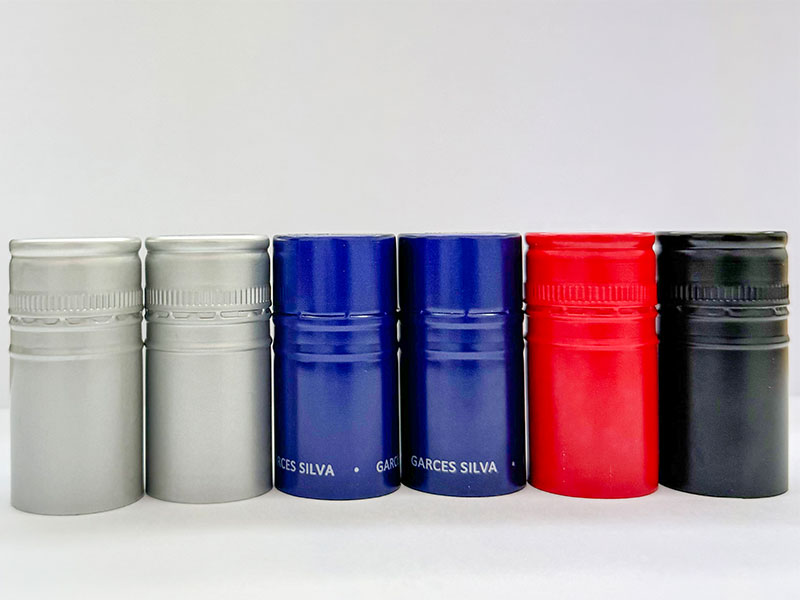
From the perspective of an aluminum alloy specialist, bulk aluminum caps with custom labels are less like "packaging accessories" and more like precision components that happen to carry your message. They must seal reliably, survive transport, resist corrosion, accept print cleanly, and still look sharp under retail lighting. When you buy them in bulk, you're not just buying volume-you're locking in consistency across your production runs.
Why aluminum caps keep winning for soda
Soda is a demanding product. It's carbonated, often acidic, sometimes filled hot, sometimes cold-filled, sometimes stored for months in imperfect conditions. A cap has to hold pressure, maintain an airtight barrier, and avoid reacting with condensate, flavorings, or cleaning residues.
Aluminum performs well here because it combines a stable oxide layer, low density, and excellent formability. Properly selected alloy and temper can be curled, knurled, and lined without cracking while still offering enough stiffness to keep the closure geometry stable. Aluminum also takes surface treatments and inks well, which matters when you're applying custom labels or direct printing.
In bulk supply, aluminum's consistency becomes a quiet superpower. When your cap hardness, coating thickness, and liner compression behave predictably, your capping torque window becomes easier to control-meaning fewer leaks, fewer returns, and fewer "mystery" quality issues that only appear after pallets have shipped.
Custom labels: not just decoration, but functional identity
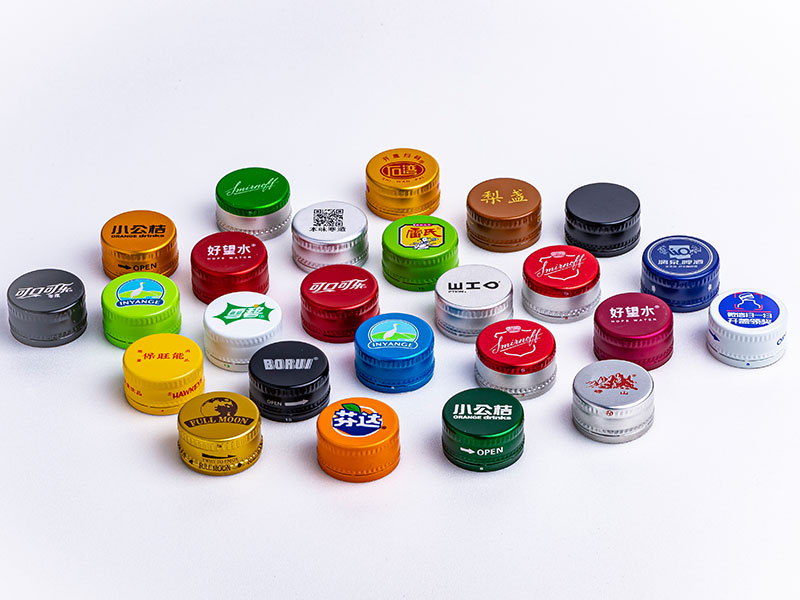
Custom-labeled caps do more than advertise. They can carry batch codes, promotional art, tamper cues, or even brand authentication features. In an era where consumers photograph what they drink, the cap is often in the frame. That turns it into a miniature billboard that doesn't feel like advertising-because it's part of the ritual.
There are two common routes for customization.
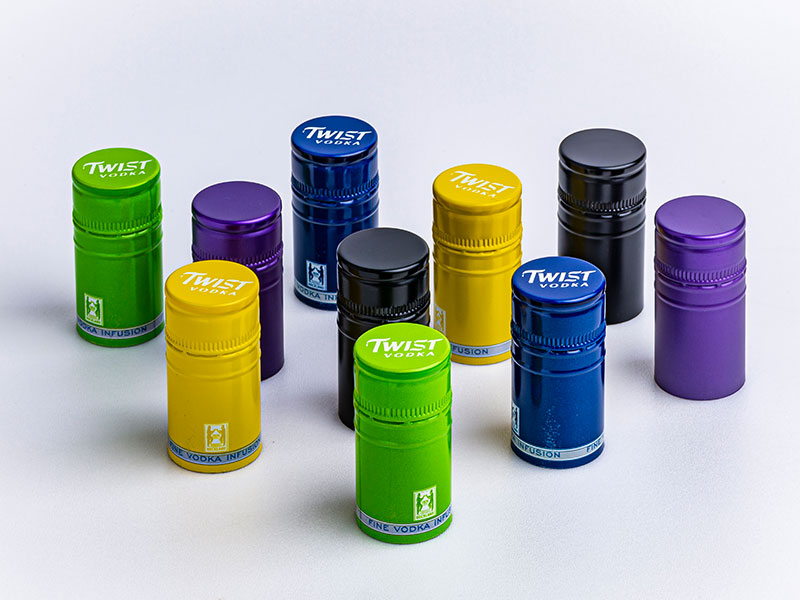
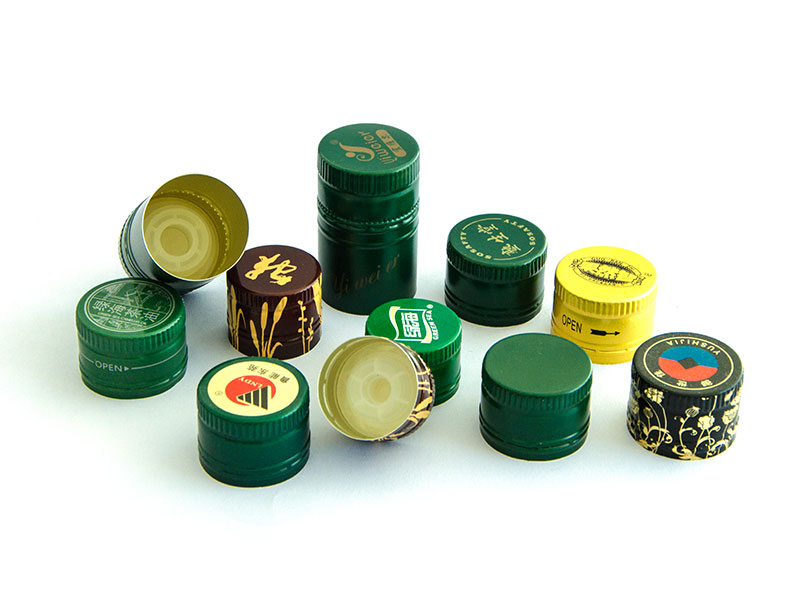
One route uses top printing or side printing directly on the cap surface, usually with UV inks or offset printing, protected by a clear overvarnish. This is popular for brands that want crisp graphics and consistent color across large volumes.
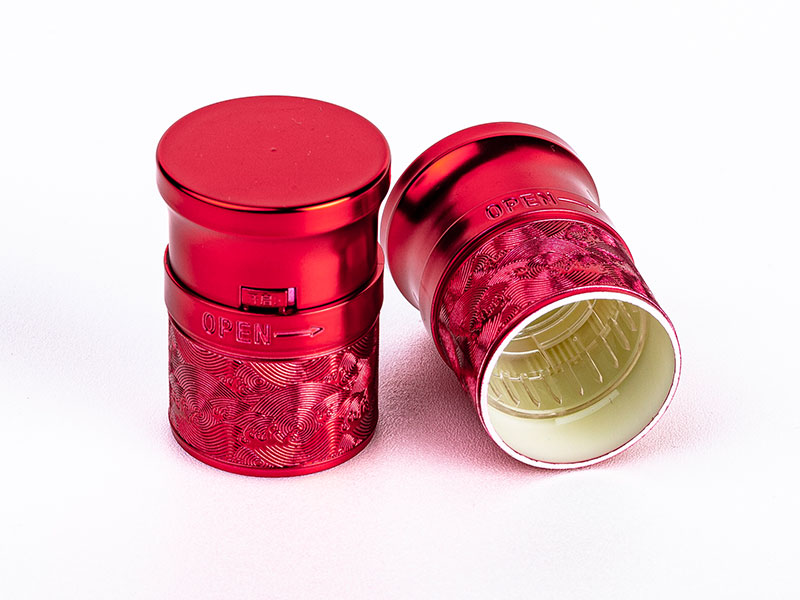
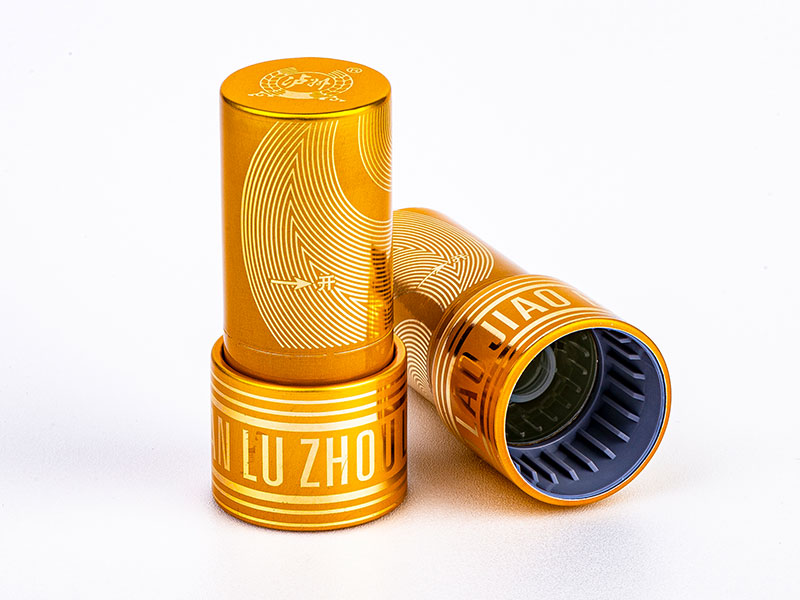
The other route is a labeled disc or foil element integrated into the cap top. This approach can deliver texture, metallic effects, or quick design changes without reworking full print plates, depending on the cap design and supplier capabilities.
Whichever style you choose, the is compatibility between substrate, coating, ink system, and the downstream environment. Condensation, ice buckets, pasteurization, and warehouse heat cycles all challenge adhesion. A beautiful cap that scuffs off during distribution is worse than a plain one, because it signals "cheap" even if the drink is premium.
Alloy and temper: the hidden variables that make capping stable
Most buyers specify dimensions and artwork first, then discover later that "the same cap" can behave differently depending on alloy and temper. This is where aluminum engineering matters.
For beverage closures, common alloys include the 3xxx and 5xxx series, chosen for formability and corrosion resistance. Temper selection affects yield strength and work-hardening behavior, which influences how the cap forms during manufacture and how it responds to application torque during bottling.
A temper that is too soft may deform during high-speed capping, leading to inconsistent seal compression. A temper that is too hard may crack at formed features or produce less forgiving knurling, especially when combined with aggressive knurl geometry.
Below is a practical reference table of commonly used aluminum alloys for closure shells and related packaging components. Actual suitability depends on cap geometry and forming route, but these are frequent starting points in procurement discussions.
Typical aluminum alloys used for beverage cap components
| Alloy | Nominal temper options | characteristics | Notes for soda caps |
|---|---|---|---|
| 3003 | H14, H16, H18 | Very good formability, good corrosion resistance | Often used where deep drawing/forming is required; widely available |
| 3105 | H14, H16 | Good formability, good corrosion resistance | Common in packaging sheet; stable for coated/printed surfaces |
| 5052 | H19, H24 | Higher strength, excellent corrosion resistance | Useful when higher stiffness is needed; may require tighter forming control |
| 5182 | H19 | High strength, good formability for certain processes | Known in beverage can ends; can support demanding pressure/handling |
In many soda-cap programs, the conversation isn't "Which alloy is best?" but "Which alloy-temper pair gives the widest manufacturing window with the least artwork risk?" Your supplier should be able to recommend material based on cap design, liner system, and your line speed.
Coatings, corrosion, and the reality of acidic beverages
Aluminum itself forms a protective oxide layer, but beverage closures typically rely on coatings for added protection and print performance. The inner surface of the cap shell is usually separated from the beverage by a liner, yet real life includes splashes, cap wetting, and micro-leaks during filling. Add citrus flavors, phosphoric acid, and storage humidity, and you have a recipe for corrosion if protection is inadequate.
A reliable cap system considers these layers together.
The outside coating is chosen for print adhesion, scuff resistance, and chemical resistance to cleaning agents. The inside coating, when used, supports corrosion resistance and compatibility with liner bonding.
A brief, practical guide to what procurement should request is shown below.
Common cap coating expectations (typical industry practice)
| Feature | Typical requirement focus | Why it matters |
|---|---|---|
| External lacquer/varnish | Abrasion resistance, ink adhesion, gloss control | Prevents scuffing during conveying and shipping |
| Internal protective coating | Corrosion resistance, liner bond stability | Helps guard against humidity and incidental contact |
| Migration compliance | Food-contact compliance (regional) | Needed for beverage packaging regulations |
Exact coating chemistry is supplier-specific, but for soda products, you should ensure the system is designed for acidic environments and the planned distribution conditions.
Liner compatibility and sealing behavior
For soda bottles, the seal is not just "tight." It's a controlled compression of a liner against the bottle finish. The liner material selection depends on whether the bottle is PET, glass, or aluminum, and whether the closure is a screw cap, roll-on pilfer-proof style, or a specialty format.
Sealing performance is typically evaluated by application torque consistency, removal torque targets, leak testing, and pressure retention. A cap that looks perfect but varies in liner compression can create slow leaks that only appear after temperature cycling.
This is why bulk purchasing works best when you standardize not only artwork, but also liner specification, torque targets, and incoming inspection criteria. Bulk should mean fewer variables-not more.
Implementation standards and quality checks that prevent surprises
If you want bulk caps to behave like a dependable industrial input, treat them like one. The most successful soda brands-small and large-define acceptance criteria clearly and check them consistently.
Common closure verification practices include dimensional checks, coating weight or coverage verification, adhesion and abrasion tests for printed surfaces, and functional trials on the actual filling line. For custom labels, color consistency and rub resistance are often the first things consumers notice, so those deserve formal sign-off, not informal "looks fine."
Where standards are referenced, suppliers often align with food-contact regulations relevant to the destination market, and with internal beverage-closure performance methods for torque, leakage, and carbonation retention. The practical point is less about citing a document name and more about ensuring your supplier can provide traceability, test reports, and batch consistency-especially when you're buying bulk and tying your brand identity to the cap.
The cap as a brand "handshake"
A soda cap is a small circle with a big job. It must seal pressure, resist chemistry, accept art, and survive logistics-all while being the first thing a customer touches. Bulk aluminum caps with custom labels are where engineering and storytelling meet: alloy selection and temper control on one side, ink durability and brand intent on the other.
When you treat the cap as a precision system rather than a commodity, your production becomes calmer. Your shelf presence becomes sharper. And your consumer's first impression-the twist, the pop, the reveal-feels exactly the way you planned it.
https://www.bottle-cap-lids.com/a/bulk-aluminum-caps-for-soda-bottles-with-custom-labels.html