

Aluminum Soda Caps with Reliable Seal for Long Term Freshness
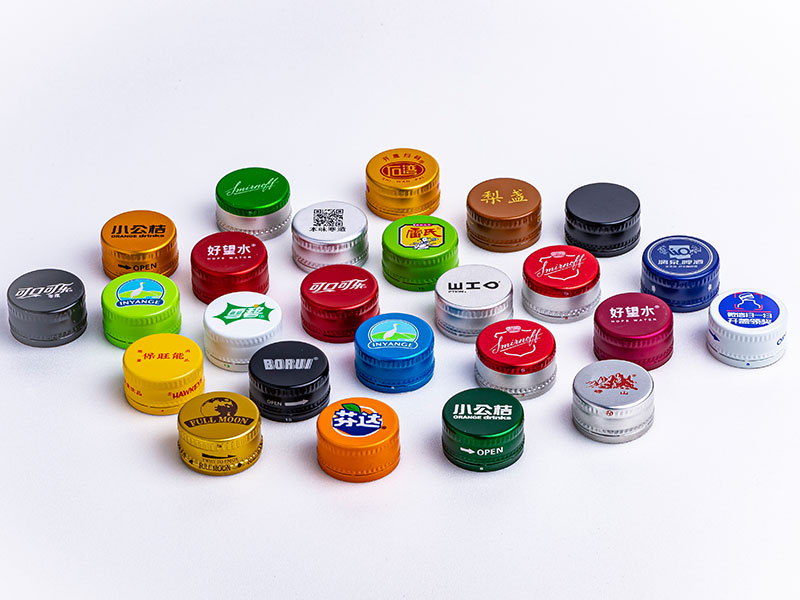
Aluminum soda caps play a quiet but critical role in beverage quality. A well‑engineered cap is the final barrier between a perfectly carbonated drink and unwanted loss of fizz, flavor, and aroma.
Features at a Glance
| Feature | Description |
|---|---|
| Material | Food‑grade aluminum alloy |
| Seal Type | Compression or liner-based sealing for gas retention |
| Compatibility | Standard soda / CSD (carbonated soft drink) bottles and cans |
| Freshness Performance | Engineered for long‑term CO₂ and aroma retention |
| Production Method | Precision stamping, forming, and surface treatment |
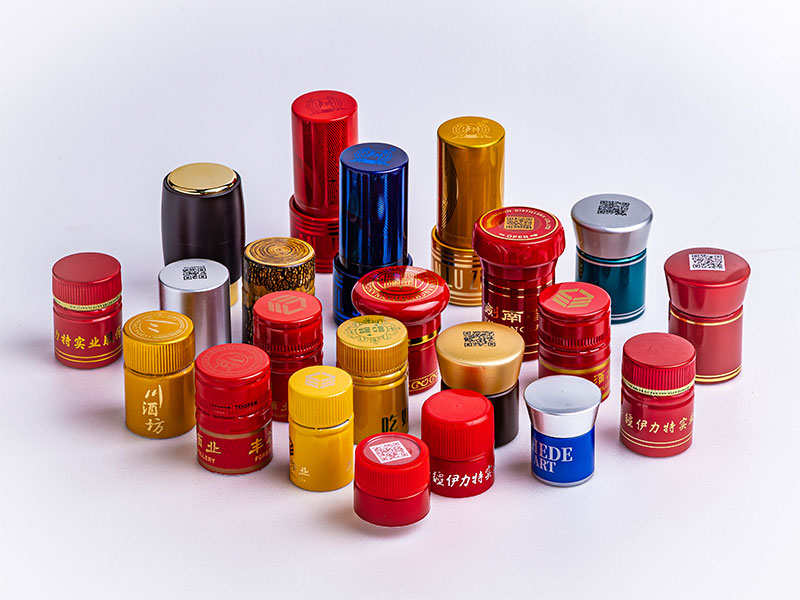
| Customization | Colors, logos, embossed patterns, and tamper‑evident options |
| Safety & Compliance | Compliant with FDA / EU food-contact requirements (depending on supply) |
Why Aluminum for Soda Caps?
Aluminum is favored in beverage packaging for several reasons that directly affect shelf life and consumer experience.
| Property | Benefit for Soda Caps |
|---|---|
| Light weight | Reduces overall package weight and transportation costs |
| Corrosion resistance | Resists beverage acids and moisture, protects flavor and safety |
| Formability | Allows precise threading and sealing geometry |
| Recyclability | Fully recyclable in existing aluminum cycles |
| Surface finish options | Easy to print, color-coat, or emboss for branding |
Typical Chemical Composition of Cap Alloy
While specific alloys depend on the supplier and application, soda caps commonly use a non‑heat‑treatable, work‑hardened aluminum alloy optimized for forming and corrosion resistance (similar in behavior to AA3000/AA5000 series). A representative composition is shown below:
| Element | Typical Content (wt%) |
|---|---|
| Aluminum (Al) | Balance (≈ 96.0–98.8) |
| Manganese (Mn) | 0.3–1.5 |
| Magnesium (Mg) | 0.2–1.0 |
| Iron (Fe) | ≤ 0.7 |
| Silicon (Si) | ≤ 0.6 |
| Copper (Cu) | ≤ 0.2 |
| Zinc (Zn) | ≤ 0.25 |
| Others (each) | ≤ 0.05 |
| Others (total) | ≤ 0.15 |
This composition offers a balanced combination of:
- Sufficient strength for cap integrity
- Good formability during stamping and threading
- Robust corrosion resistance in carbonated and slightly acidic beverages
Mechanical and Technical Specifications
The mechanical performance of the cap is essential for maintaining a reliable seal throughout filling, capping, transport, storage, and opening.
Mechanical Properties (Typical, for Reference)
| Parameter | Typical Range / Value | Notes |
|---|---|---|
| Tensile Strength (Rm) | 150–220 MPa | Depends on alloy and temper |
| Yield Strength (Rp0.2) | 90–160 MPa | Balanced with formability needs |
| Elongation (A50) | 8–18 % | Ensures crack‑free forming and crimping |
| Hardness (HBW) | 45–70 HB | Provides dent resistance while still formable |
| Density | ≈ 2.70 g/cm³ | Contributes to low overall package weight |
| Melting Point | 630–660 °C | Inherent material property, relevant for recycling |
Dimensional & Functional Specifications
Dimensions can be customized for different neck finishes and closure standards. A typical set of parameters is shown below:
| Parameter | Typical Value / Range | Comment |
|---|---|---|
| Nominal Diameter | 26–28 mm | Common for standard soda bottle necks |
| Cap Height | 5.5–7.5 mm | Depending on thread design and liner thickness |
| Wall Thickness | 0.18–0.25 mm | Optimized for strength vs. material saving |
| Thread Type | Standard CSD profile | Compatible with high‑speed capping lines |
| Inner Liner Type | TPE, PE, or PVC‑free liner | Ensures reliable seal and food safety |
| Seal Pressure (Application) | 0.4–0.7 MPa | Capping pressure window for stable sealing |
| CO₂ Retention Capability | Optimized for 6–12 g/L CO₂ | Suitable for typical sodas and sparkling drinks |
Seal Performance and Long-Term Freshness
Maintaining carbonation and aroma is central to beverage quality. These aluminum soda caps are engineered for both initial seal integrity and long-term performance.
Seal-Related Parameters
| Performance Aspect | Typical Behavior / Advantage |
|---|---|
| Gas Permeability | Extremely low through aluminum shell; liner formulation optimized |
| Torque Retention | Designed to maintain application torque within acceptable loss over time |
| Liner Compression Set | Low compression set to maintain sealing force during storage |
| Pressure Resistance | Handles typical internal pressures of 0.2–0.6 MPa at ambient temperatures |
| Temperature Cycling | Stable seal across cold‑chain and moderate thermal fluctuations |
By combining a precision‑formed thread profile with a resilient liner, the cap minimizes:
- CO₂ leakage that causes flat taste
- Oxygen ingress that can lead to flavor degradation
- Aroma loss, especially important for flavored sodas and premium beverages
Surface Treatment and Branding Options
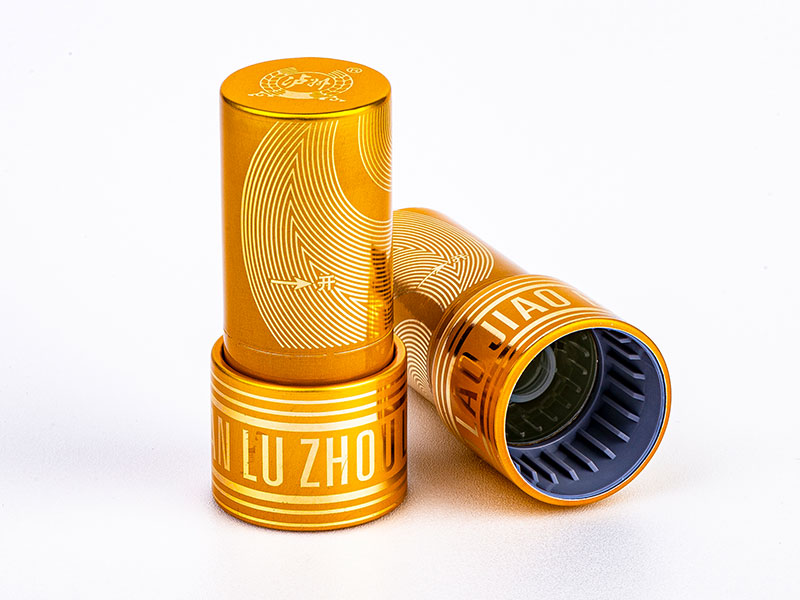
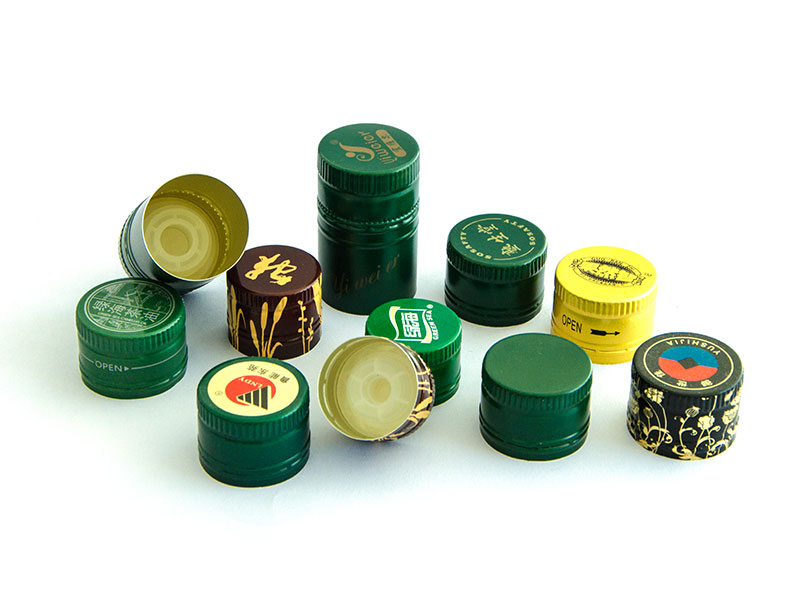
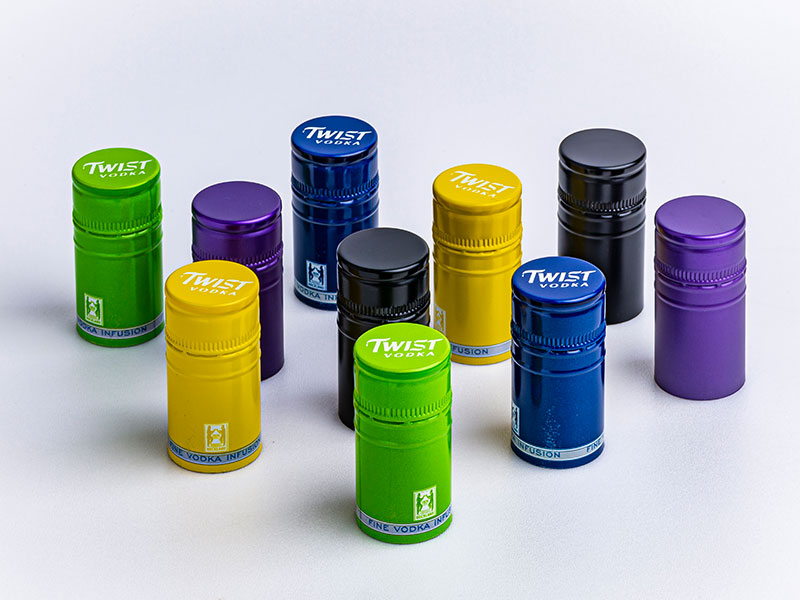
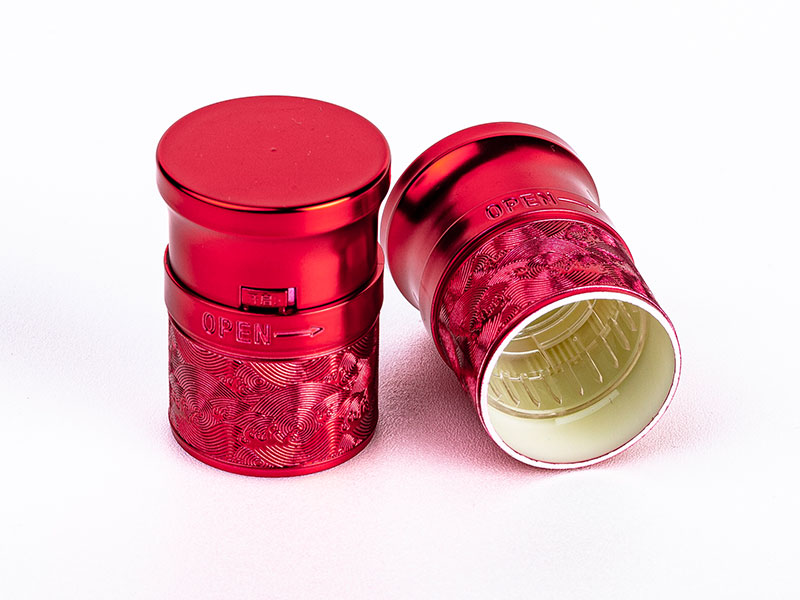
Soda caps are also a powerful branding surface. Aluminum’s receptive surface allows multiple finishing options that preserve both aesthetics and performance.
| Option | Description |
|---|---|
| Color Coating | Food‑safe lacquers in standard or custom Pantone colors |
| Printing | Logos, text, QR codes, or promotional artwork |
| Embossing / Debossing | Raised or recessed logos for premium tactile feel |
| Inside Print | Promotional messages, prize codes, or safety instructions |
| Protective Lacquer | Clear or tinted lacquers for corrosion resistance and gloss |
| Matte / Gloss Finish | Visual and tactile differentiation for brand identity |
All coatings are selected to be food-contact safe, resistant to beverage spills, and compatible with high‑speed filling and washing processes.
Application Areas
Aluminum Soda Caps with reliable seals are suitable for a broad range of beverage applications:
| Application Segment | Typical Use Case |
|---|---|
| Carbonated Soft Drinks (CSD) | Colas, lemon‑lime drinks, orange sodas, energy drinks |
| Sparkling Water | Plain and flavored carbonated waters |
| Ready-to-Drink (RTD) Teas | Lightly carbonated and non‑carbonated teas |
| Functional & Vitamin Drinks | Effervescent and lightly sparkling formulations |
| Craft & Premium Beverages | Small‑batch sodas and specialty drinks needing strong branding |
| Low‑Alcohol Beverages | Alcopops and light spritzers within cap pressure limits |
Their strength and seal performance make them suitable for:
- High‑speed automatic filling lines
- Long‑distance distribution networks
- Extended shelf life in retail environments
Compatibility with Filling and Capping Lines
For beverage manufacturers, compatibility and efficiency on the production line are crucial. These aluminum caps are engineered to integrate smoothly with standard equipment.
| Line Parameter | Compatibility Feature |
|---|---|
| Capping Speed | Supports high‑speed lines (tens of thousands of bottles/hour) |
| Torque Requirements | Designed for standard industry torque ranges |
| Neck Finish Standards | Configurable for common global standards (e.g., PCO variants) |
| Inspection Systems | Highly visible surfaces for optical and camera inspection |
| Lubricity & Handling | Optimized coatings to reduce jamming and scuffing |
Cap consistency and tight dimensional tolerances reduce downtime due to misapplication, cross‑threading, or leaks.
Safety, Hygiene, and Regulatory Compliance
Food safety is central to cap design and production. Typical quality and hygiene measures include:
| Aspect | Implementation Example |
|---|---|
| Food-Contact Compliance | Formulations designed to meet FDA / EU food-contact standards |
| Migration Limits | Liners and coatings tested to meet regulatory migration limits |
| Microbial Safety | Cleanroom or controlled conditions for liner application |
| Traceability | Batch and lot coding for full supply chain traceability |
| Quality Control | Routine leak, torque, and dimensional inspection |
Producers can typically provide documentation such as:
- Material safety data or statements of compliance
- Certificates of analysis per batch
- Test reports for migration and sensory neutrality
Environmental and Recycling Advantages
Aluminum caps support the circular economy of metal packaging.
| Environmental Aspect | Benefit |
|---|---|
| Recyclability | 100% recyclable with minimal quality loss |
| Energy Savings | Recycled aluminum uses up to ≈95% less energy than primary |
| Lightweight Design | Lowers transportation emissions |
| Material Efficiency | Thin‑gauge design reduces raw material use |
When collected together with cans or bottles, caps can be re‑introduced into the aluminum recycling stream, supporting sustainability goals for both beverage brands and consumers.
Customization and Design Support
Every beverage brand has unique requirements, whether it is shelf life, taste profile, or visual identity. Aluminum soda caps can be tailored to align with these specific needs.
| Customizable Parameter | Options |
|---|---|
| Diameter and Height | Adaptation to various neck finishes and bottle designs |
| Alloy and Temper | Tweaks for strength, formability, or specific line conditions |
| Liner Formulation | CO₂ retention, oxygen barrier, and taste neutrality options |
| Color and Printing | Full‑surface printing, multi‑color branding, limited editions |
| Opening Experience | Torque profile, grip pattern, and edge design |
Technical support from the cap supplier can help:
- Optimize torque and sealing windows
- Adjust liner selection for specific beverage formulas
- Balance branding requirements with high‑speed production constraints
https://www.bottle-cap-lids.com/a/aluminum-soda-caps-with-reliable-seal-for-long-term-freshness.html