

High Durability Aluminum Bottle Caps for Soda with Easy Open Twist Cap
High Durability Aluminum Bottle Caps for Soda with Easy Open Twist Cap
In the world of carbonated drinks, the bottle cap is more than a closure. For soda brands, it is a pressure vessel, a freshness seal, a branding surface, and a safety device—all in a component that must open effortlessly with a quick twist. High durability aluminum bottle caps for soda, designed with an easy open twist mechanism, are where metal science, production precision, and consumer experience all intersect.
Why Aluminum for Soda Bottle Caps?
Aluminum has become a preferred material for twist caps on carbonated drinks because it strikes a rare balance:
- Light in weight, reducing overall packaging mass and shipping costs
- Strong enough to withstand internal carbonation pressure
- Corrosion resistant in contact with acidic soft drinks and moisture
- Highly formable for threading, knurling, and easy‑open ring or grip features
- Fully recyclable, supporting circular packaging strategies
For soda applications, aluminum must perform under continuous stress. Bottles are filled and capped at high speed, transported long distances, stacked in pallets, chilled, warmed, and handled repeatedly. A typical twist cap must maintain sealing integrity from the filling line to the consumer’s hand, often over several months of shelf life.
The Alloy Story: Strength Hidden in the Metal
From a technical standpoint, the performance of an aluminum soda cap begins with alloy selection. These caps are generally made from can‑stock‑grade aluminum alloys with a focus on:
- Moderate to high strength
- Excellent formability
- Good drawability and crimp resistance
- High corrosion resistance for beverage contact
Commonly used alloy families include the 3xxx and 5xxx series, often combined with tailored tempers to balance strength and ductility.
A typical alloy configuration for high durability soda caps might look like this:
- Alloy family: 3104, 3004, or a proprietary 3xxx series variant
- Temper: H14, H19 or specially controlled “cap stock” temper for cold‑forming performance
- Thickness range: approximately 0.18–0.28 mm, depending on bottle size, closure design and pressure requirements
The interesting part is that most consumers will never notice these differences. To them, the cap just feels “sturdy but easy to open.” That feeling is a direct result of metallurgical tuning—controlling grain size, work hardening, and surface finish so that the cap can deform predictably during application and use.
Alloy Tempering: How the Cap Learns to Perform
Tempering in aluminum is not just about hard or soft; it is about crafting the specific mechanical profile the cap needs at every stage:
- During shell forming and thread rolling, the aluminum must be ductile enough to shape without cracking.
- Once formed, it must have adequate hardness to maintain thread definition, resist crushing, and retain sealing torque.
- During opening, it must allow controlled deformation so the consumer can twist off without excessive force.
Typical temper conditions for twist caps include:
- H14 (half‑hard): Good formability, balanced strength
- H16/H18/H19: Higher strength tempers created by greater cold working, used when extra rigidity and pressure resistance is required
Manufacturers often apply a multi‑step cold rolling and annealing process to refine microstructure. This produces a cap that can withstand both internal carbonation pressure and external torque without failure, while still avoiding fracture at the knurled edge or along the twist‑off line.
Functional Design: Easy Open Twist Mechanism
High durability must never mean “hard to open.” For soda brands, openability is user experience in its purest form. Easy open twist aluminum caps are engineered for low opening torque, but with enough residual sealing torque to prevent accidental opening during transport.
design elements include:
- Precisely formed threads that match PET or glass bottle finishes
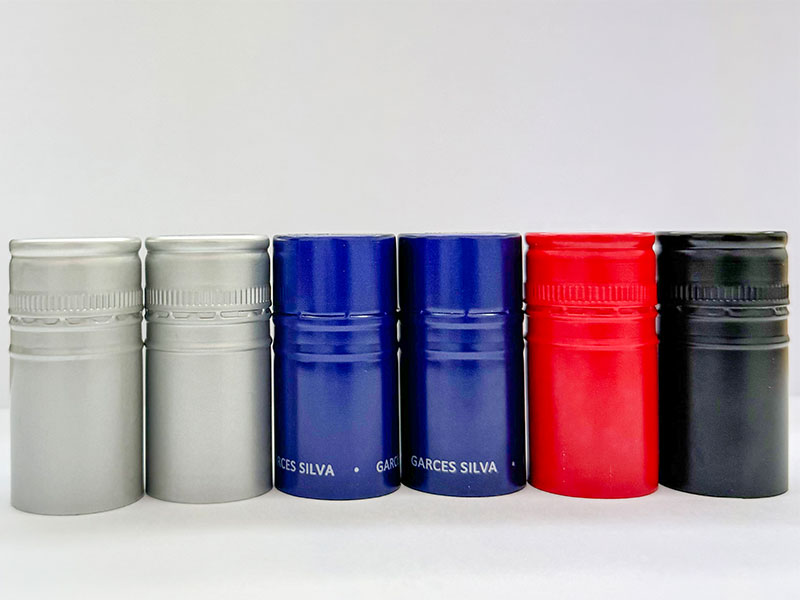
- Knurled or ribbed outer profile for improved grip even with wet or cold hands
- Cap height and skirt geometry optimized for pressure resistance and torque transmission
- Optional tamper‑evident bands or bridges that break in a controlled way on first opening
High performance caps are tested for target ranges of:
- Application torque
- Removal torque
- Carbonation retention under elevated temperature
- Seal integrity under internal pressure and top load
The “easy open” feature is essentially a calibrated trade‑off between safety, convenience, and line performance.
Implementation Standards: How Quality is Locked In
To be accepted for major soda brands and high‑speed bottling facilities, aluminum twist caps must comply with a mix of international and industry standards. While local requirements may vary, manufacturers typically align with:
- ISO and EN standards for aluminum alloy chemistry and temper designations
- Food contact regulations such as FDA (United States) and EU Framework Regulation for materials in contact with beverages
- Internal brand standards for taste neutrality, migration limits, and sensory evaluation
- Closure performance tests, including pressure retention, leakage, torque stability, and thermal cycling
Production lines for these caps rely on strict process control.
implementation controls include:
- Consistent strip thickness and flatness of cap stock
- Stable lubrication in forming operations to avoid surface defects
- Exact curing profiles for internal lacquer and external coatings
- Continuous vision inspection for cracks, pinholes, or thread defects
This combination ensures that every cap works not only in the lab, but across millions of units in real‑world conditions.
Inside Protection: Coatings and Liners
Although aluminum is naturally corrosion resistant, soda formulations are typically acidic and often include flavor compounds, sweeteners, and carbonation that can stress any metal surface over time. To address this, caps incorporate:
- Internal food‑grade lacquer: Prevents direct metal‑beverage contact, maintains taste integrity
- Sealing liners or compound: Typically a PVC‑free or low‑migration material designed to compress against the bottle rim, creating a gas‑tight seal
These internal layers are carefully selected to:
- Resist acids, CO₂, and flavor oils
- Avoid affecting taste or odor
- Meet global migration and safety regulations
The interaction of aluminum base metal, coating, and liner is tested for long‑term storage at elevated temperatures to simulate shelf life.
Chemical Composition and Property Snapshot
A representative 3xxx series aluminum alloy used for soda twist caps can be summarized as follows. Exact values vary by supplier and proprietary design, but this gives a useful reference frame.
Chemical composition (typical ranges, percent by weight):
- Aluminum (Al): Balance (typically above 96%)
- Manganese (Mn): 0.8 – 1.5
- Magnesium (Mg): 0.5 – 1.3
- Iron (Fe): 0.4 – 0.8
- Silicon (Si): 0.1 – 0.5
- Copper (Cu): ≤ 0.25
- Zinc (Zn): ≤ 0.25
- Other elements (Ti, Cr, etc.): each ≤ 0.05, total ≤ 0.15
mechanical properties in a common cap temper (indicative values):
- Tensile strength: about 220 – 280 MPa
- Yield strength: about 180 – 240 MPa
- Elongation (A50): about 4 – 10%
- Density: about 2.7 g/cm³
- Modulus of elasticity: about 69 – 71 GPa
These properties support high‑speed forming, consistent torque, and resistance to deformation during capping and transport.
Sustainability and Brand Image
Beyond technical performance, aluminum twist caps contribute to sustainability and brand value:
- Fully recyclable without quality loss
- High scrap value encourages collection and recycling systems
- Lightweight design reduces transport emissions
For brands looking to communicate environmental responsibility, specifying aluminum caps that are compatible with existing recycling streams and designed with minimal coating mass can reinforce a broader eco‑strategy.
What This Means for Beverage Brands and Buyers
For purchasing teams, packaging engineers, and brand owners, the right high durability aluminum twist cap delivers:
- Secure carbonation retention and leak‑free performance
- Smooth, low‑torque opening that feels premium to the consumer
- Reliable behavior on high‑speed filling and capping lines
- Compliance with global food contact and safety standards
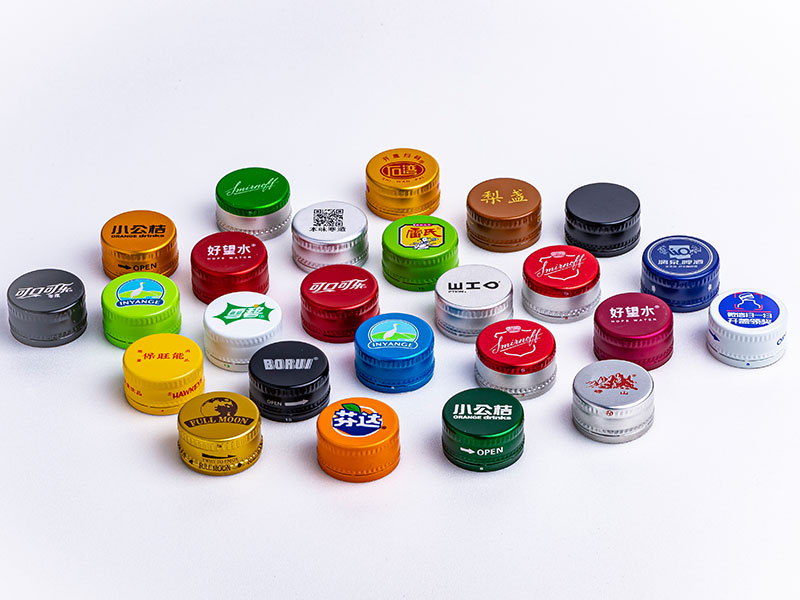
- Strong visual branding through high‑quality printing and color finishing
- Support for sustainability goals through recyclable, lightweight design
Behind the simple gesture of twisting open a soda is a precisely engineered aluminum closure that combines alloy science, surface technology, and process control. Choosing a supplier who understands alloy tempering, chemical composition, and implementation standards is the to transforming that small component into a big advantage in the marketplace.