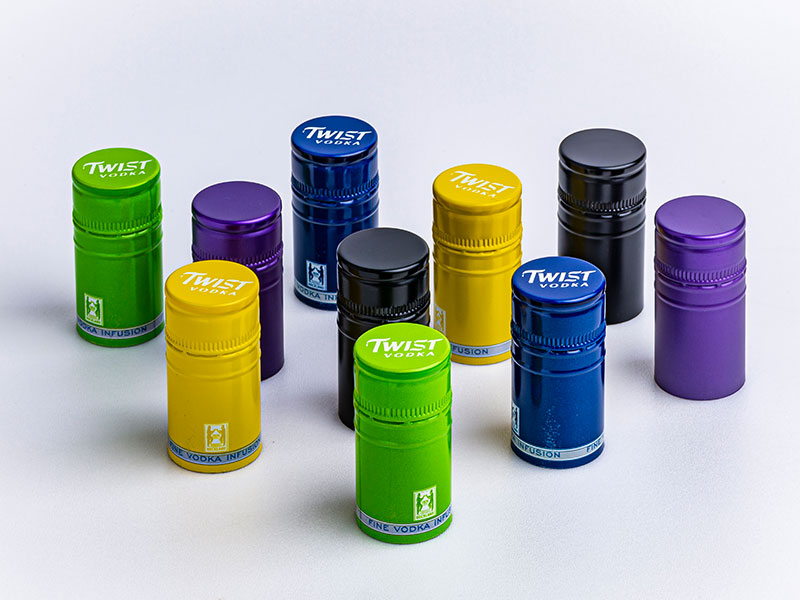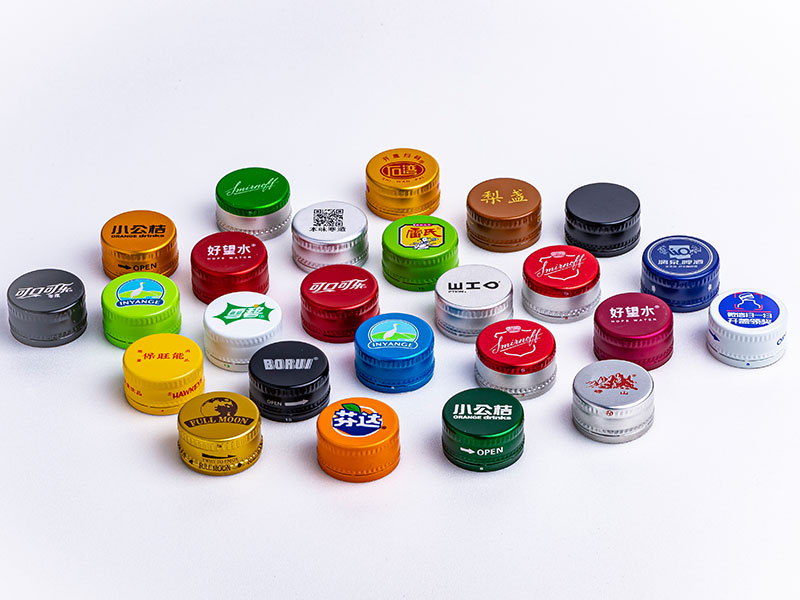


Aluminum Caps for Soda Bottles with Pressure Resistant Seal
Aluminum caps for soda bottles with pressure resistant seal are designed to protect carbonated beverages under demanding filling, storage, and transport conditions. Unlike ordinary closures, these caps must hold internal pressure reliably, maintain flavor integrity, prevent gas loss, and still open smoothly for the consumer. For beverage producers, the right cap is not just a packaging component-it is a critical part of product safety, shelf-life performance, and brand presentation.
These caps are widely used for sparkling water, soft drinks, flavored soda, tonic beverages, energy drinks, and other pressurized liquid products. With a combination of lightweight aluminum alloy, precision forming, corrosion resistance, and high-performance sealing liners, they offer an efficient and attractive solution for modern bottling lines.
Pressure resistant aluminum soda bottle caps are manufactured from carefully selected aluminum alloy sheets or coils, typically combined with an inner sealing system that withstands carbonation pressure. The cap body provides strength and dimensional consistency, while the liner or sealing compound creates a tight barrier against leakage and CO₂ escape.
The result is a closure that supports:
- strong sealing performance under internal pressure
- resistance to deformation during capping and transport
- good corrosion resistance in humid or refrigerated environments
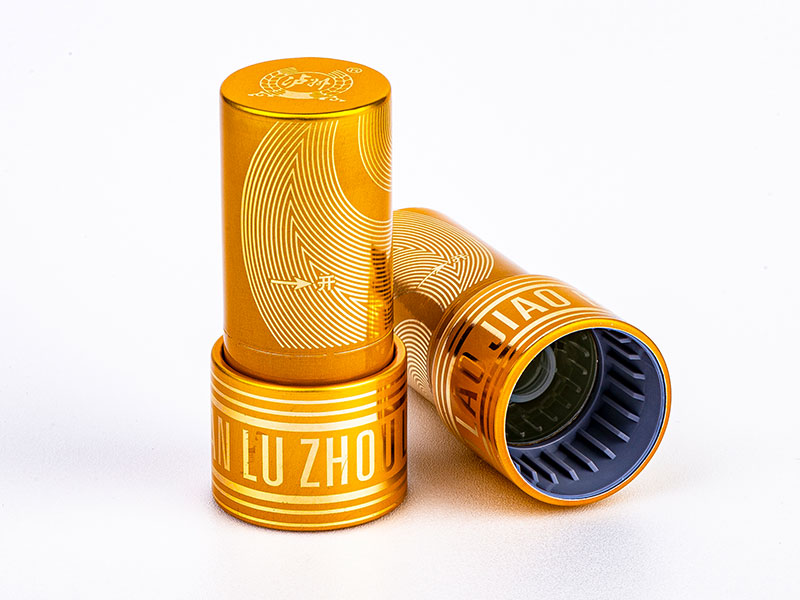
- attractive metallic finish for premium shelf appearance
- compatibility with high-speed filling and capping equipment
Features
| Feature | Customer Benefit |
|---|---|
| Pressure resistant seal design | Helps retain carbonation and prevents leakage during storage and transportation |
| Lightweight aluminum construction | Reduces packaging weight while maintaining closure strength |
| Excellent formability | Enables precise threading, knurling, and tamper-evident structures |
| Corrosion resistance | Supports stable performance in cold-chain, humid, and beverage-contact environments |
| Good surface finish | Suitable for printing, embossing, color coating, and branding |
| Strong dimensional accuracy | Improves compatibility with automated bottling and capping systems |
| Recyclable material | Supports sustainable packaging goals |
| Custom liner options | Allows adaptation to different beverage formulas and pressure levels |
Typical Aluminum Alloys Used
In soda bottle cap production, aluminum alloys are selected for their balance of strength, ductility, surface quality, and processing stability. Common options include 8011, 3105, and similar closure-grade alloys. The exact choice depends on cap geometry, forming method, and required pressure resistance.
Typical Chemical Composition of Closure-Grade Aluminum Alloy
| Element | 8011 Aluminum Alloy (%) | 3105 Aluminum Alloy (%) |
|---|---|---|
| Al | Remainder | Remainder |
| Si | 0.50–0.90 | 0.60 max |
| Fe | 0.60–1.00 | 0.70 max |
| Cu | 0.10 max | 0.30 max |
| Mn | 0.20 max | 0.30–0.80 |
| Mg | 0.05 max | 0.20–0.80 |
| Zn | 0.10 max | 0.40 max |
| Ti | 0.08 max | 0.10 max |
| Other each | 0.05 max | 0.05 max |
| Other total | 0.15 max | 0.15 max |
These values are typical industry ranges and may vary by supply standard or customer specification.
Technical Specifications
The technical parameters of aluminum soda bottle caps depend on bottle neck design, carbonation level, filling pressure, and sealing method. Caps can be produced in multiple diameters, heights, and wall thicknesses to meet beverage packaging requirements.
Typical Technical Specifications
| Parameter | Typical Range |
|---|---|
| Material | 8011, 3105, or equivalent closure-grade aluminum |
| Temper | H14, H16, H24, or customized |
| Cap diameter | 26 mm, 28 mm, 30 mm, 38 mm, customized |
| Cap height | 12 mm–25 mm |
| Aluminum thickness | 0.18 mm–0.25 mm |
| Internal pressure resistance | Up to 6–10 bar, depending on design |
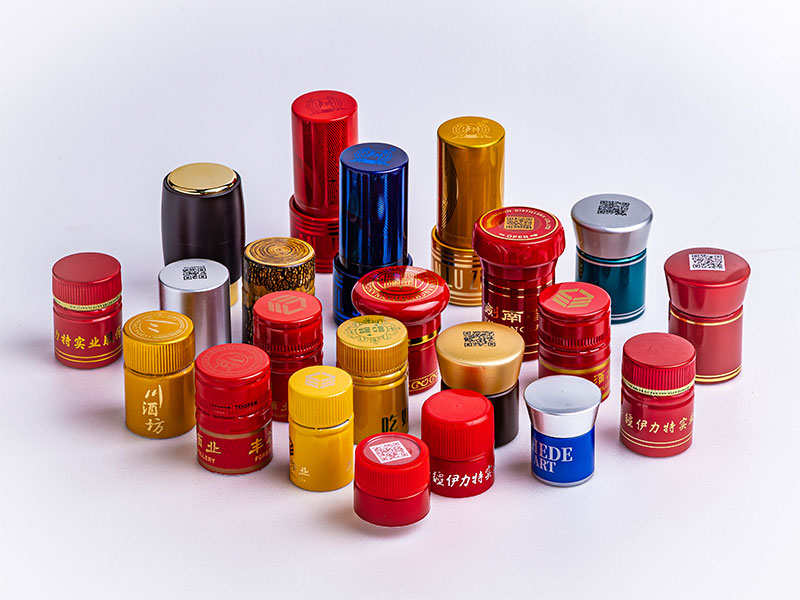
| Surface finish | Plain, coated, printed, embossed, lacquered |
| Liner type | EPE, PVC-free, polymer seal, pressure-resistant compound |
| Opening style | Screw cap, pilfer-proof, tamper-evident |
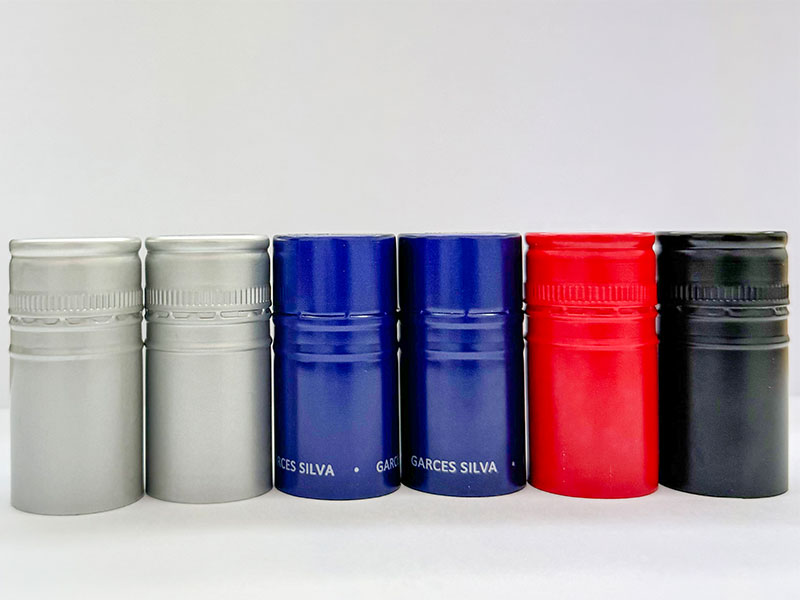
| Color options | Silver, gold, red, blue, black, custom colors |
| Decoration | Offset printing, side printing, top printing, embossing |
| Packaging | Cartons, PE liners, pallets |
Pressure Resistant Seal Performance
The most important functional requirement for soda bottle caps is pressure retention. Carbonated beverages generate internal pressure that can fluctuate significantly with temperature changes during filling, warehousing, shipping, and retail display. A pressure resistant seal must remain secure without cracking, loosening, or allowing gradual gas leakage.
Typical Performance Indicators
| Property | Typical Value or Requirement |
|---|---|
| CO₂ retention | High, suitable for carbonated beverage storage |
| Leak resistance | No leakage under standard pressure test conditions |
| Torque consistency | Stable application and removal torque |
| Seal integrity | Maintains liner contact under pressure and thermal variation |
| Burst resistance | Designed for elevated internal pressure conditions |
| Temperature suitability | Performs in refrigerated and ambient storage environments |
A well-engineered cap achieves this through the combined action of alloy strength, skirt design, thread precision, liner compression, and coating quality. This is especially important for sparkling drinks that require long shelf life and consistent sensory quality.
Surface Treatment and Decoration Options
Aluminum caps are often chosen not only for performance, but also for appearance. Their smooth metallic surface accepts a wide range of decorative finishes, helping beverage brands is know on shelves.
Common Surface Options
| Surface Treatment | Function |
|---|---|
| Epoxy or polyester coating | Improves corrosion resistance and appearance |
| Internal lacquer | Reduces interaction between metal and environmental moisture |
| External color coating | Enhances brand visibility |
| Top printing | Supports logos, product names, and promotional graphics |
| Side printing | Adds branding and regulatory information |
| Embossing/debossing | Creates premium tactile identity |
| Matte or gloss finish | Matches different brand aesthetics |
These decoration choices can be customized for mass-market soft drinks or premium sparkling beverages.
Manufacturing Advantages
Aluminum is especially suitable for bottle cap manufacturing because it combines low density with excellent processability. It can be stamped, drawn, threaded, and formed into precise closure shapes at high production speeds. This supports efficient large-scale beverage packaging.
Manufacturing Benefits
| Advantage | Practical Impact |
|---|---|
| High formability | Reduces cracking during cap forming |
| Stable mechanical properties | Supports reliable capping performance |
| Good printability | Allows high-quality brand decoration |
| Low weight | Optimizes logistics and packaging efficiency |
| Recyclability | Improves environmental profile of the package |
| High-speed process compatibility | Suitable for modern automated bottling lines |
Main Applications
Pressure resistant aluminum caps are used across many beverage packaging segments where gas retention and closure reliability are essential.
Typical Applications
| Application | Why the Cap Is Suitable |
|---|---|
| Carbonated soft drinks | Maintains seal under carbonation pressure |
| Sparkling water | Preserves gas content and freshness |
| Tonic water | Supports long shelf life and flavor stability |
| Energy drinks | Handles pressure and high-speed filling requirements |
| Craft soda | Adds premium metallic appearance |
| Flavored sparkling beverages | Prevents leakage and CO₂ loss |
| Functional carbonated drinks | Ensures product integrity through distribution |
These caps are also used when brands want a more premium look than standard plastic closures, while maintaining dependable technical performance.
Quality Control Considerations
For beverage manufacturers, cap consistency is essential. Even small dimensional variations can affect sealing performance, opening torque, or bottling efficiency. Reliable suppliers therefore control both material quality and production precision.
Inspection Items
| Inspection Item | Purpose |
|---|---|
| Alloy verification | Confirms correct raw material selection |
| Thickness tolerance | Ensures forming and strength consistency |
| Diameter and height accuracy | Maintains fit with bottle neck finish |
| Thread profile inspection | Supports proper torque and seal engagement |
| Liner adhesion and uniformity | Prevents sealing failure |
| Pressure testing | Verifies resistance to internal carbonation pressure |
| Coating adhesion | Ensures surface durability |
| Print quality check | Confirms visual consistency for branding |
Why Choose Aluminum Caps for Soda Bottles
For carbonated beverage packaging, aluminum caps offer a strong balance of performance, appearance, and sustainability. They are lightweight enough for efficient logistics, strong enough for pressure retention, and versatile enough for custom branding. Their recyclability also aligns with growing market demand for more responsible packaging materials.
From a technical perspective, the pressure resistant seal is the defining advantage. It helps protect carbonation, flavor, and package integrity across the full supply chain. From a commercial perspective, the cap also contributes to shelf appeal, customer confidence, and a premium product image.
https://www.bottle-cap-lids.com/a/aluminum-caps-for-soda-bottles-with-pressure-resistant-seal.html