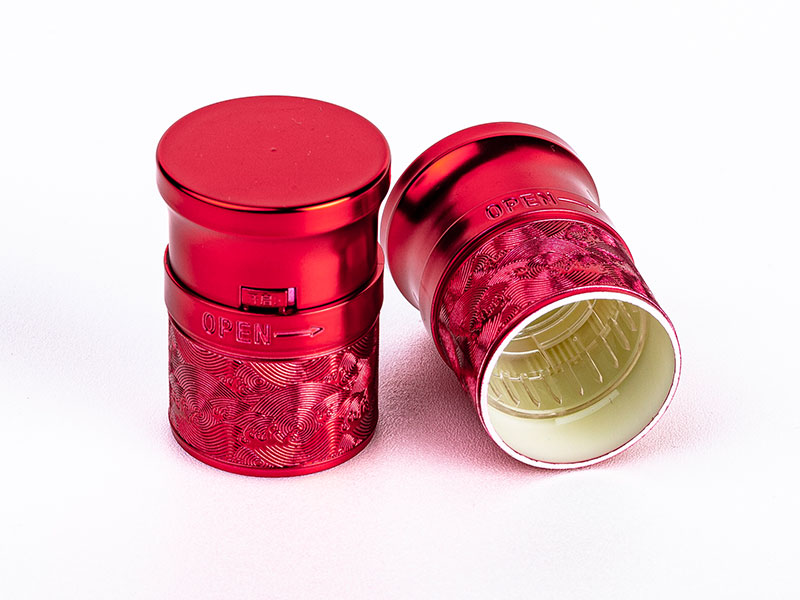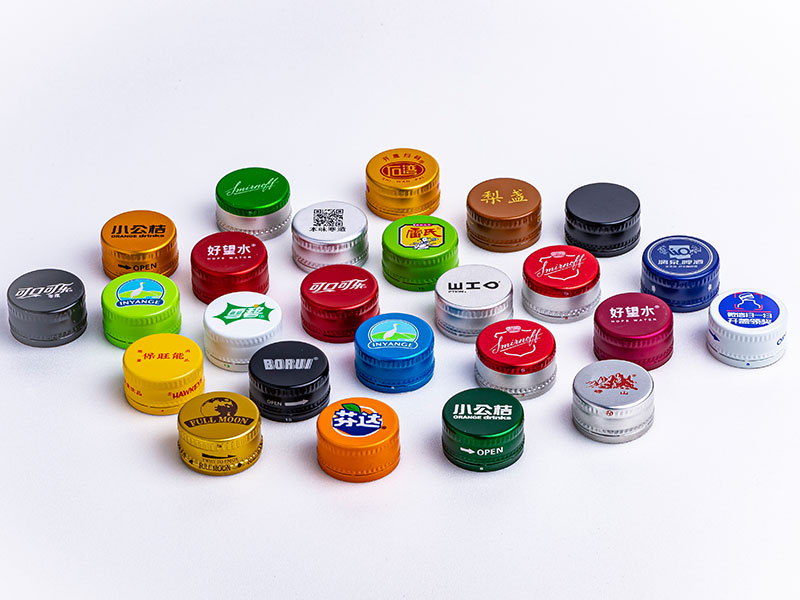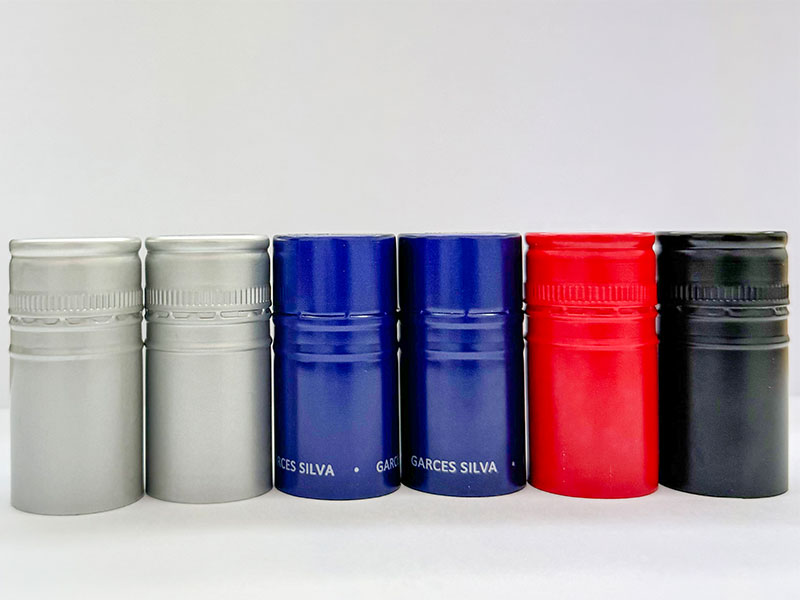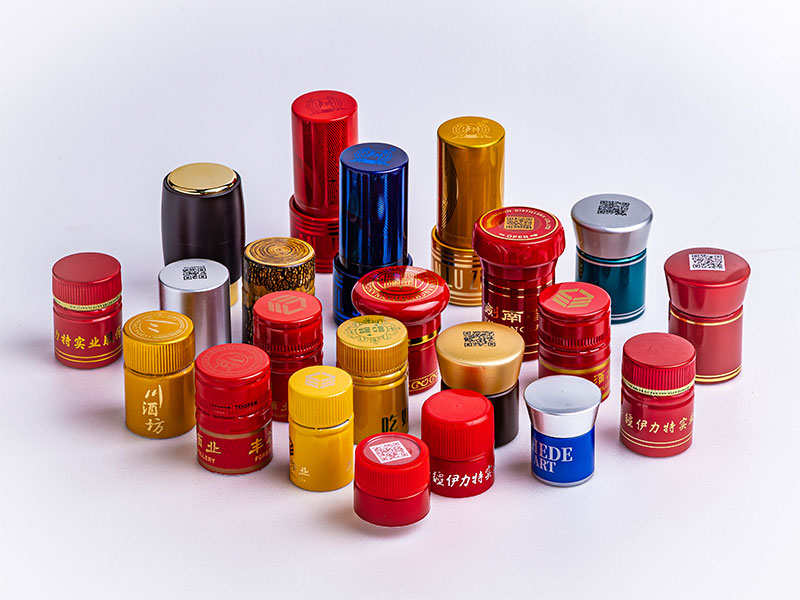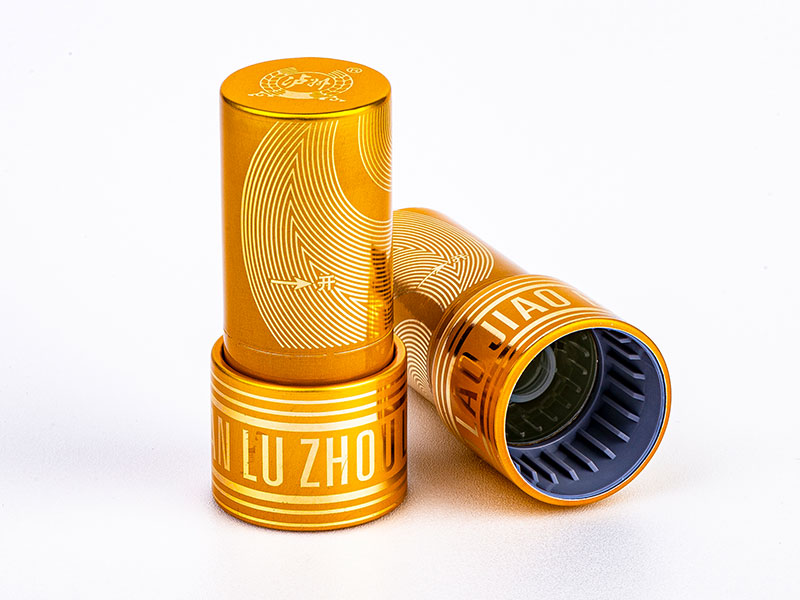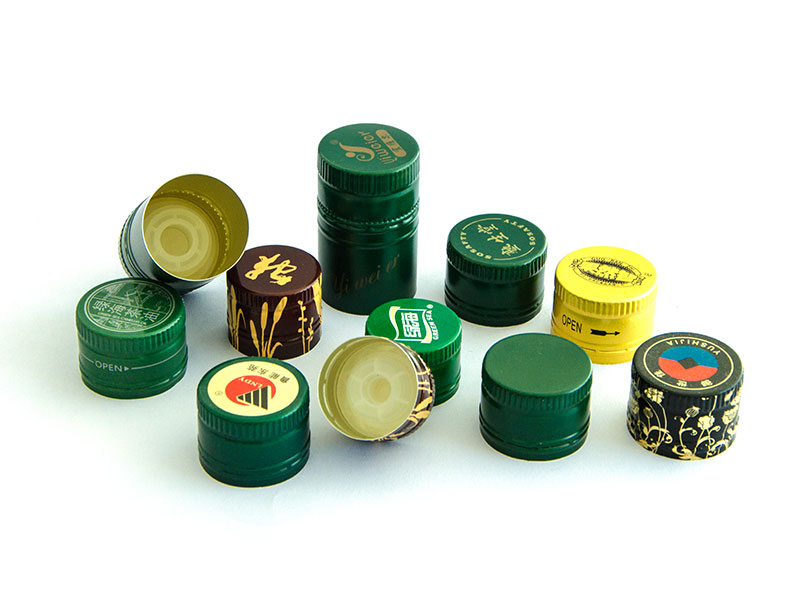


30x60mm Aluminum Wine Bottle Caps with Tamper Proof Closure Mechanism
I like to think of a wine closure as the quiet negotiator between a winemaker and the world. The bottle may carry terroir, craft, and time, but the cap is the final handshake: it promises freshness, proves authenticity, and survives the indignities of shipping, storage, and celebration. In that spirit, the 30x60mm aluminum wine bottle cap with a tamper proof closure mechanism is not a "small accessory." It is a piece of engineered assurance-compact, repeatable, and surprisingly nuanced.
From a manufacturing viewpoint, the 30x60mm format is a practical sweet spot. The 30mm diameter offers a stable skirt circumference for consistent rolling and crimp geometry, while the 60mm length gives enough real estate to incorporate a tamper-evident band, a clean branding zone, and a sealing area that can tolerate minor variations in bottle neck finish. When buyers ask whether those millimeters matter, I tend to answer with a counter-question: how much is peace of mind worth when your brand is literally bottled?
What "tamper proof" really means in an aluminum cap
Tamper-evident does not rely on a single magic feature. It's a choreography of weak points and strong points. The cap must be strong where it grips the glass and protects the seal, and deliberately fragile where it needs to reveal interference.
In a typical tamper-proof mechanism for aluminum wine caps, a perforated bridge connects the main skirt to a lower band. During first opening, torque causes the bridges to break in a predictable pattern. That "first break" is the visual proof. The cap is designed so that re-forming the band to look untouched is difficult without leaving scars: irregular tears, distorted knurling, or a band that no longer sits flush against the neck ring.
The 30x60mm size provides enough vertical room to tune that mechanism. With a longer skirt, you can position the perforation line precisely relative to the bottle's bead, reducing the chance that the band breaks prematurely during capping or transport. The result is a closure that behaves politely on the line but speaks loudly if someone tries to open it early.
The alloy choice: not just "aluminum," but the right aluminum
When customers say "aluminum cap," they often imagine a single generic metal. In practice, alloy selection and temper determine whether the cap forms cleanly, holds shape over time, and resists corrosion in humid cellars or salty coastal logistics routes.
For deep drawing and roll-on tamper-evident (ROTE) closures, the industry frequently uses AA 8011 or AA 3105 series aluminum, chosen for formability and surface quality. The cap starts as coil stock, is lacquered or printed, then converted through stamping, drawing, trimming, knurling, and forming operations. During these steps, the alloy must tolerate deformation without cracking at the knurl or perforation and must maintain sufficient strength to hold thread impressions and skirt tension.
Temper is just as important as alloy. Too hard, and you risk splits at the perforations or whitening marks during forming. Too soft, and the cap may feel "mushy," losing thread definition and opening torque stability. Many cap liners and bottlers prefer material in H14/H16-like properties for consistent forming, though exact supply specs vary by producer and tooling philosophy.
dimensions and functional parameters that matter in practice
The 30x60mm designation tells you diameter and height, but performance lives in the details around it.
Opening torque and application torque are often the first real-world indicators of whether the cap is harmonized with the bottle finish and liner. If application torque is too low, the seal may not fully compress and micro-leakage or oxygen ingress becomes more likely. If it's too high, the bridges in the tamper band can pre-stress and fail early, or consumers will struggle with opening.
Then there's the sealing interface. Aluminum alone is not the seal; the liner is. Most wine-oriented caps use liners such as EPE (expanded polyethylene), Saranex-based structures, PVDC-coated liners, or custom co-extruded liners depending on oxygen transmission targets. If your wine demands very low OTR, liner choice becomes as strategic as your sulfur regimen.
Finally, pay attention to compatibility with the bottle neck finish. A cap can be made beautifully and still perform poorly if the glass bead height, thread profile, or neck ovality drifts outside the closure's tolerance window. This is why experienced suppliers ask for bottle drawings or sample glass before confirming production parameters.
Implementation standards and practical compliance signals
For buyers who export, compliance is a language of its own. A reliable supplier will align production and QA with widely recognized management and testing frameworks.
Commonly referenced systems include ISO 9001 for quality management and ISO 22000 or HACCP programs where food-contact risk management is required. For coatings and inks, compliance with relevant food-contact regulations is essential, such as EU Framework Regulation (EC) No 1935/2004 and Good Manufacturing Practice (EC) No 2023/2006, or FDA-related requirements in the United States for indirect food additives, depending on how the closure is classified and used.
On the testing side, you typically want internal controls or third-party reports covering migration risk for coatings, adhesion performance of lacquer/ink, corrosion resistance under humidity exposure, and functional tests such as torque retention after thermal cycling. A cap that looks premium but fails after a hot container leg is a costly lesson.
Tempering, coating, and corrosion: the cap's invisible armor
Aluminum forms a natural oxide layer, but closures live in a complicated environment: acidic vapors, sulfites, condensation, and occasional contact with cleaning agents. That's why internal lacquer systems matter. An epoxy or BPA-NI (non-intent) or alternative lacquer system can be used depending on regulatory expectations and customer preference. Externally, polyester-based coatings and UV inks are common for branding durability.
Tempering and annealing control more than just strength; they influence how coatings survive forming. A well-specified temper helps prevent micro-cracking in the coating at knurls and folds. Those micro-cracks, if they occur, can become initiation points for corrosion in humid storage.
Chemical properties table: typical aluminum closure alloys
Below is a practical, typical chemical composition reference for common closure-grade aluminum alloys. Exact ranges depend on the applicable standard and supplier melt practice. Always confirm against mill certificates and your chosen standard.
| Alloy (Typical for closures) | Si (%) | Fe (%) | Cu (%) | Mn (%) | Mg (%) | Cr (%) | Zn (%) | Ti (%) | Al |
|---|---|---|---|---|---|---|---|---|---|
| AA 8011 | 0.50–0.90 | 0.60–1.00 | ≤0.10 | ≤0.20 | ≤0.05 | ≤0.05 | ≤0.10 | ≤0.08 | Balance |
| AA 3105 | ≤0.60 | ≤0.70 | ≤0.30 | 0.30–0.80 | 0.20–0.80 | ≤0.20 | ≤0.40 | ≤0.10 | Balance |
| AA 5052 (used in some specialty applications) | ≤0.25 | ≤0.40 | ≤0.10 | ≤0.10 | 2.20–2.80 | 0.15–0.35 | ≤0.10 | ≤0.10 | Balance |
AA 8011 is valued for its formability and cost-performance in cap stock. AA 3105 offers solid strength-formability balance and is commonly used in closures and packaging. AA 5052 brings higher magnesium for corrosion resistance, though it can behave differently in forming and is not as universal for ROTE cap production.
A distinctive way to evaluate a cap: listen to the opening
If you want a uniquely human test, don't only measure torque with instruments-listen. A well-designed tamper-evident band tends to "zip" with a consistent, crisp breaking sound as bridges fail uniformly. A cap that tears unevenly may still be technically tamper-evident, but it signals variability in perforation depth, alloy temper, or forming alignment. That variability often reappears elsewhere: inconsistent opening experience, random band hang-ups, or customer complaints that feel emotional even when the root cause is mechanical.
In the end, a 30x60mm aluminum wine bottle cap with a tamper proof closure mechanism is a small engineered promise. It protects the wine's intended evolution, defends brand credibility, and turns first opening into a trustworthy ritual. When it's done right, nobody praises the cap at the table-and that's the point. The closure disappears, and the wine gets to speak.