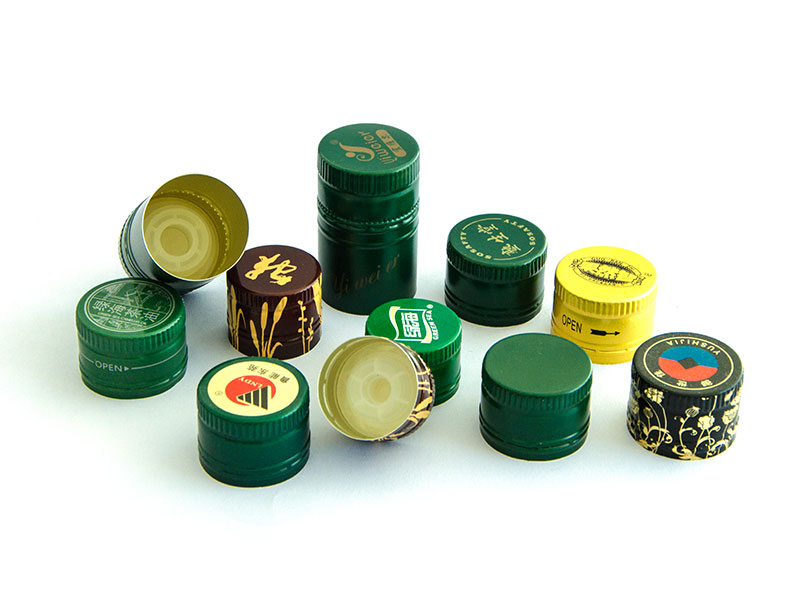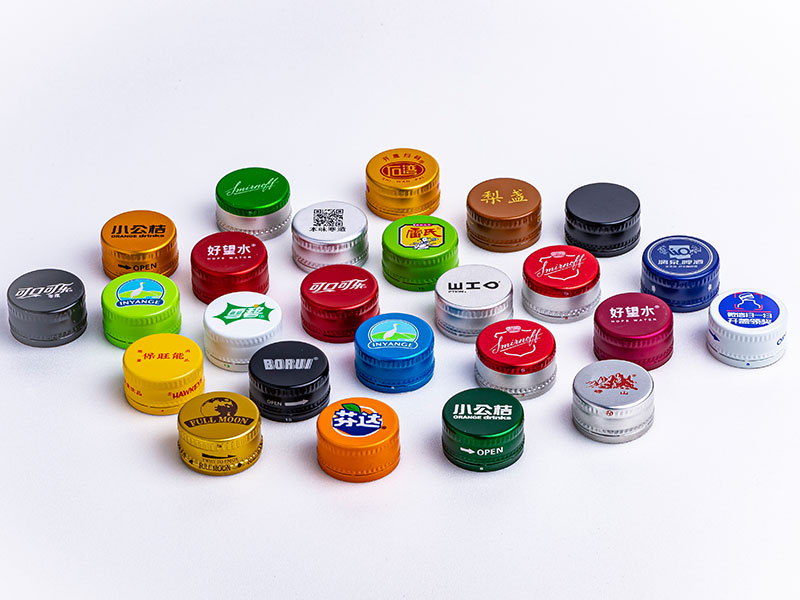


Screw On 30x60mm Aluminum Caps for Wine with Premium Durability
Screw On 30x60mm Aluminum Caps for Wine with Premium Durability: Engineering the "Quiet Seal" That Protects Flavor
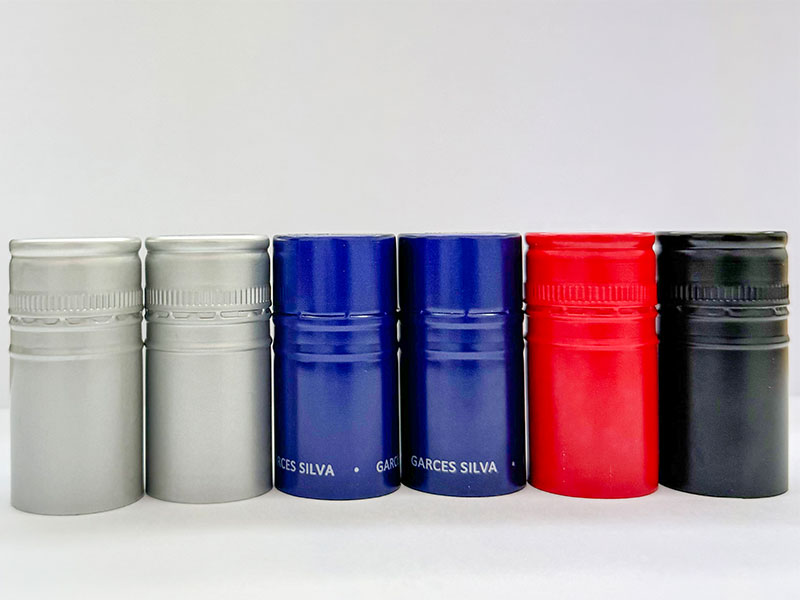
In wine packaging, the closure is often treated like a finishing touch. From an aluminum-alloy engineer's perspective, it is closer to a precision component that sits at the boundary between chemistry and time. A screw on 30x60mm aluminum cap is not simply "a cap"; it is a controlled interface that manages oxygen ingress, aroma retention, corrosion resistance, and the tactile certainty consumers associate with quality.
Why 30x60mm Matters in Real-World Wine Protection
The 30x60mm specification is more than a dimensional label. In practical closure engineering, it defines a balance between grip, torque behavior, and sealing geometry.
30mm diameter supports a stable thread profile and predictable application torque on standard wine bottling lines. It also provides enough surface area for branding, embossing, and high-definition printing without crowding.
60mm skirt height does quiet, critical work. It increases contact length over the bottle finish, stabilizes thread engagement, and helps the cap resist deformation during capping. For premium durability, this longer skirt contributes to consistent sealing pressure distribution and improved resistance to denting in transport.
The result is what many wineries want but rarely name: a "quiet seal"-a closure that performs invisibly, preserving the wine's intended sensory profile.
Premium Durability Comes from the Alloy-Temper–Coating Triad
Premium durability isn't a single feature; it's a system. For aluminum wine screw caps, performance is usually determined by three interacting layers:
The aluminum alloy and temper
This decides how the cap behaves under forming, knurling, threading, and torque-while still resisting dents and stress whitening.
Surface treatment and coating
This manages corrosion resistance, scuffing, print adhesion, and chemical stability in humid cellars, ice buckets, or export routes.
The liner system
This defines oxygen transmission rate behavior, sealing recovery after torque relaxation, and compatibility with wine chemistry.
When these three are engineered to work together, you get a cap that feels premium, applies cleanly at speed, and protects the wine with consistent performance.
Parameters for Screw On 30x60mm Aluminum Wine Caps
Below are commonly specified parameters used in production and quality verification. Exact values can be tailored to the bottling line, bottle finish, liner choice, and brand design requirements.
Dimensional parameters
Cap type: screw on aluminum cap for wine
Nominal size: 30x60mm
Diameter: 30.0 mm nominal
Skirt height: 60.0 mm nominal
Thread: matched to standard wine bottle screw finish (customizable to regional finish standards)
Knurling: fine or medium knurl (customizable for grip and premium feel)
Material parameters
Typical alloy options: AA 8011, AA 3105, AA 5052 (selected by forming behavior and strength needs)
Common temper conditions: H14, H16, H18 (selected by strength–formability balance)
Sheet thickness: typically in the 0.20–0.25 mm range for many wine cap applications, depending on required rigidity and line settings
Performance-related parameters
Application torque window: set according to bottle finish and liner; controlled to ensure seal integrity without cap damage
Top load and dent resistance: improved through alloy-temper selection and skirt geometry
Corrosion resistance: ensured via coating choice, passivation behavior of aluminum, and compatibility with wine/vapor environment
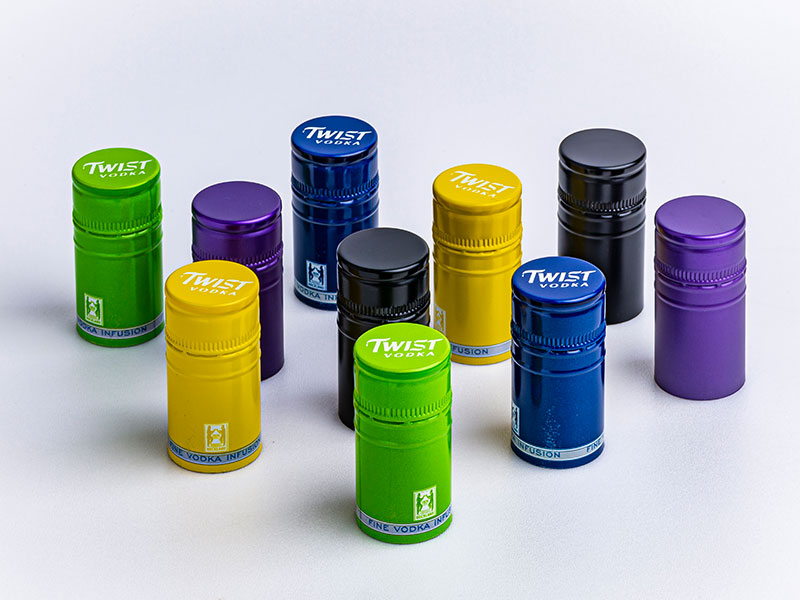
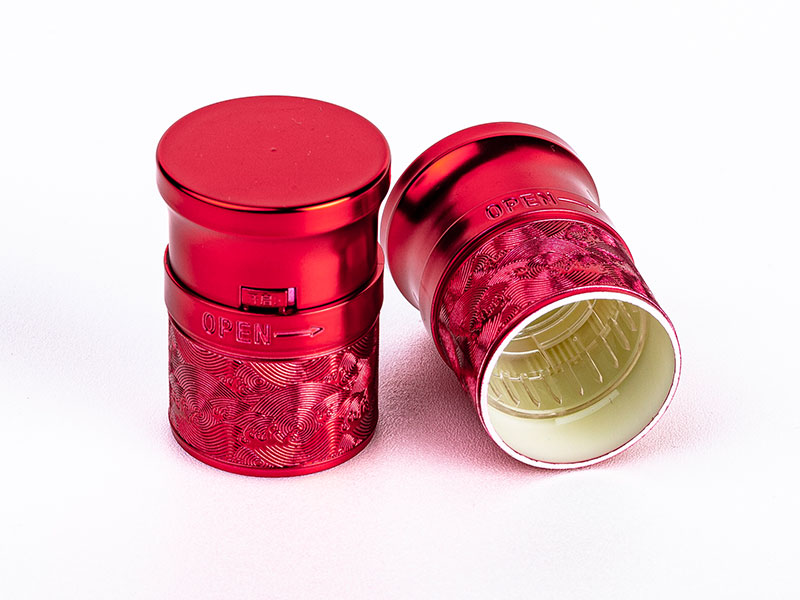
Print/decoration: anodized, offset printed, hot-stamped, embossed/debossed, or high-definition coated finishes
Implementation Standards and Quality Controls That Actually Influence Seal Reliability
In manufacturing, "premium durability" is achieved by controlling the variables that impact seal repeatability and cosmetic integrity during high-speed application.
Incoming material control focuses on alloy chemistry, temper verification, coil cleanliness, and thickness consistency. Variation here shows up later as inconsistent knurl definition, thread springback differences, and uneven torque.
Forming and threading controls ensure that the cap's skirt geometry stays consistent and that thread features remain crisp without cracking. Even minor tooling wear can change torque behavior or cause micro-wrinkles that become visible after printing.
Coating and curing standards protect the cap from abrasion and corrosion while enabling strong print adhesion. Proper cure control prevents odor transfer risks and maintains coating stability under humidity and temperature swings.
Liner insertion and compression control is where chemistry and mechanics meet. A liner that is too hard can reduce sealing forgiveness across bottle variation. Too soft, and it may cold-flow over time. Consistent liner placement and compression create predictable performance on the bottling line.
Alloy Selection from a Closure Engineer's Viewpoint
Different wineries focus on different "premium" signals. Some prioritize dent resistance for export. Others want a high-end opening feel with controlled break torque. Alloy choice influences both.
AA 8011 (Al-Fe-Si family)
A widely used closure alloy due to excellent formability, consistent processing, and cost-effective performance. It supports stable mass production and reliable knurl/thread forming.
AA 3105 (Al-Mn family)
Often selected when a stronger cap body is desired without overly sacrificing formability. It can provide improved dent resistance and handling toughness.
AA 5052 (Al-Mg family)
Known for higher strength and good corrosion resistance. It can be used when extra rigidity is required, but forming conditions and tooling must be tuned carefully due to its higher strength compared with 8011.
The best alloy is the one that matches the winery's bottling conditions, distribution stress, desired opening feel, and decoration method.
Tempering Conditions: How H14, H16, and H18 Shape "Premium Feel"
Temper is frequently overlooked in marketing copy, yet it strongly influences customer perception.
H14 offers a balanced temper with good formability and stable processing, often used when deep forming and detailed knurling are important.
H16 increases strength and improves dent resistance while remaining workable on standard cap forming lines.
H18 offers higher hardness and rigidity, often chosen when transport abuse is expected and when the brand wants a firmer, more "solid" cap feel. It requires carefully managed forming parameters to avoid defects.
In premium durability terms, temper is the dial that balances formability vs. dent resistance vs. torque consistency.
Chemical Properties Table: Typical Alloy Chemistry Used for Wine Screw Caps
The table below lists typical composition ranges for common aluminum alloys used in screw caps. Actual chemistry should be confirmed by mill certificates and agreed specifications for each project.
| Alloy (AA) | Si (%) | Fe (%) | Cu (%) | Mn (%) | Mg (%) | Cr (%) | Zn (%) | Ti (%) | Al |
|---|---|---|---|---|---|---|---|---|---|
| 8011 | 0.5–0.9 | 0.6–1.0 | ≤0.10 | ≤0.20 | ≤0.05 | - | ≤0.10 | ≤0.08 | Balance |
| 3105 | ≤0.60 | ≤0.70 | ≤0.30 | 0.30–0.80 | 0.20–0.80 | ≤0.20 | ≤0.40 | ≤0.10 | Balance |
| 5052 | ≤0.25 | ≤0.40 | ≤0.10 | ≤0.10 | 2.2–2.8 | 0.15–0.35 | ≤0.10 | ≤0.10 | Balance |
Notes for practical use:
Aluminum's corrosion behavior relies not only on alloy chemistry but also on coating integrity, storage environment, and contact conditions at the closure interface. For wine caps, chemistry must be considered together with coating/liner design and bottling line torque settings.
Coatings and Surface Treatments: Durability Is Also a Printability Problem
A premium wine cap is expected to stay beautiful. Scuffs, fading, and corrosion marks are interpreted as quality failures even if the seal remains intact. That's why surface engineering matters.
Common durable finishing approaches include protective lacquer systems designed for abrasion resistance, humidity tolerance, and strong ink adhesion. Premium decoration such as embossing or hot stamping benefits from controlled coating thickness and curing conditions, helping avoid cracking at sharp edges.
From an engineering perspective, a scratch-resistant, well-cured coating is not only about aesthetics. It also reduces the risk of localized corrosion initiation under storage stress, particularly when caps experience condensation cycles.
Liner Compatibility and Seal Stability Under Time
Wine is chemically active, and closures live in a world of vapor, acidity, alcohol, and temperature changes. Premium durability means the closure system remains stable even when the bottle sits for months in varied environments.
A well-designed 30x60mm screw cap system typically pairs the aluminum shell with a liner engineered for consistent sealing recovery. Liner selection is where wineries align closure behavior with wine style goals, especially when managing oxygen ingress expectations. Matching liner performance to bottling torque and bottle finish variation is one of the most effective ways to reduce leakage incidents and preserve sensory intent.
The most useful way to understand a screw on 30x60mm aluminum wine cap is to think of it as a micro-climate device. It helps regulate the environment at the bottle neck by maintaining mechanical pressure, resisting deformation, and supporting a stable liner interface. In other words, it doesn't merely close a bottle-it shapes the storage conditions at the most vulnerable boundary.
This is why premium durability is measurable in the details: temper selection, coating cure, thread geometry stability, and liner compression control. When engineered well, the cap protects wine flavor quietly, consistently, and elegantly.