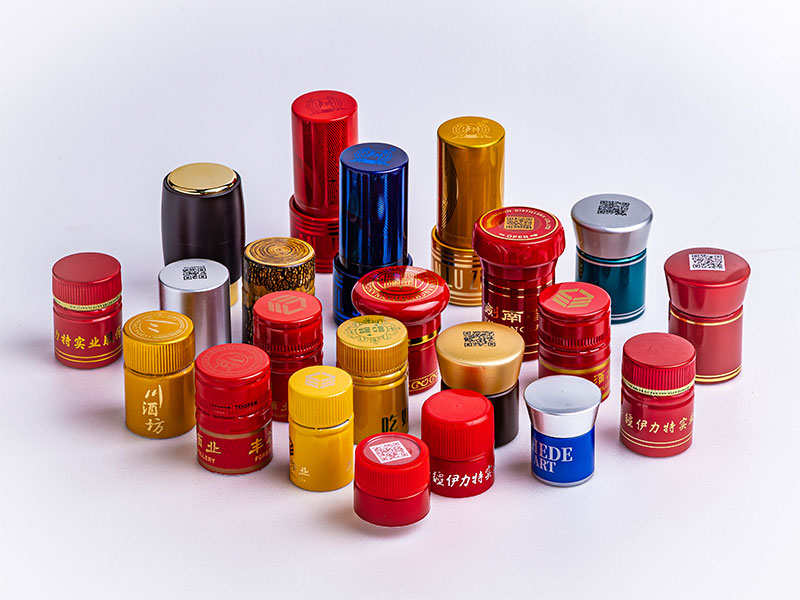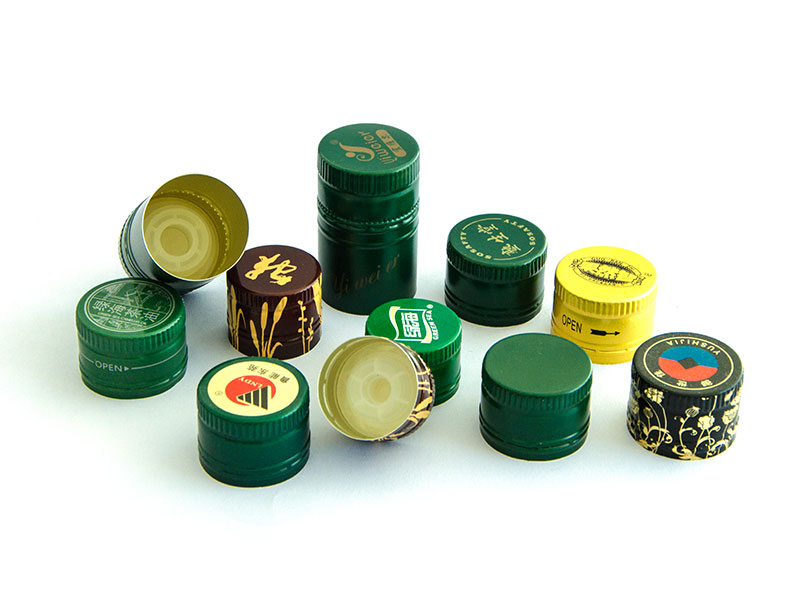


Customizable 30x60mm Aluminum Screw Caps for Wine Bottles
I've always thought a wine bottle's closure is like a handshake. It happens in a second, yet it sets expectations: freshness, care, reliability, even personality. When people talk about packaging, they often start with labels and glass color. I start at the top, where the bottle meets the world. A 30x60mm aluminum screw cap may look like a small, standardized component, but in practice it's a highly tunable system-one that can be engineered for oxygen control, brand expression, line efficiency, and regulatory compliance all at once.
From a materials perspective, aluminum closures sit in a sweet spot. They're light but strong, formable but stable, and they tolerate printing, embossing, knurling, and coating without becoming fussy. From a winemaker's perspective, they're a tool for consistency. From a consumer's perspective, they are simplicity: open, reseal, store, revisit. The interesting part is how much nuance can be packed into that "simple" action when the cap is designed intentionally.
Why 30x60mm feels "quietly universal"
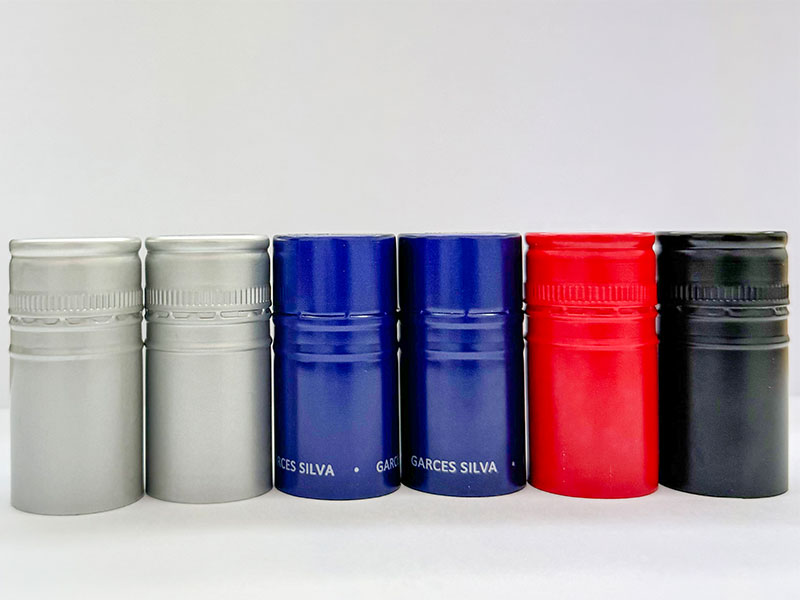
The 30mm diameter and 60mm height format is widely used because it balances grip, sealing area, and visual proportion on common wine bottle finishes. That extra skirt height can provide a more premium silhouette and additional space for decoration, tamper evidence features, and tactile knurl patterns. It also accommodates liners and sealing geometries that target specific oxygen transmission goals.
In other words, 30x60mm is not just a dimension-it's a canvas. It gives enough real estate to communicate brand identity and enough mechanical structure to tune performance, without forcing bottling lines to reinvent their tooling.
Alloy choice: the part customers rarely see, but always feel
When a screw cap performs well, no one notices. When it performs poorly, everyone notices: rough opening torque, thread galling, deformation, poor seal, or inconsistent run on the line. Many of those "mystery problems" begin with alloy selection and temper.
For 30x60mm wine caps, the closure shell is commonly produced from AA 8011 or AA 3105 aluminum strip, selected for formability, strength, and surface quality after lacquer and printing. These alloys are practical workhorses in closure manufacturing because they draw and roll-form cleanly, maintain dimensional stability, and accept coatings well.
Typical guidance from a manufacturing viewpoint looks like this:
- AA 8011 is often chosen for excellent deep-drawing behavior and reliable conversion into caps with consistent skirt geometry.
- AA 3105 can be selected when a slightly different balance of strength and forming response is desired, particularly for decorative features and stiffness feel.
Temper is equally important. H14, H16, or H18 ranges are used depending on the forming process and the desired "hand feel" of the cap. Too soft, and the skirt can dent during handling and transport. Too hard, and the forming margins shrink, increasing the risk of micro-cracks at embossed features or at tight radii.
Below is a practical reference table showing typical chemical composition ranges used in industry for these alloys. Actual mill certificates should always be verified for your supply chain and region.
Typical Chemical Composition (wt. %)
| Alloy | Si | Fe | Cu | Mn | Mg | Zn | Ti | Al |
|---|---|---|---|---|---|---|---|---|
| AA 8011 | 0.50–0.90 | 0.60–1.00 | ≤0.10 | ≤0.20 | ≤0.05 | ≤0.10 | ≤0.08 | Balance |
| AA 3105 | ≤0.60 | ≤0.70 | ≤0.30 | 0.30–0.80 | 0.20–0.80 | ≤0.40 | ≤0.10 | Balance |
The closure itself is only part of the system. The liner-often a multilayer wad such as Saranex-based, PVDC-free barrier structures, or other tailored polymer/foil combinations-determines much of the oxygen ingress and sensory evolution. The aluminum shell provides the precision geometry and force distribution that lets that liner do its job.
Customization is not "decoration"; it's communication plus control
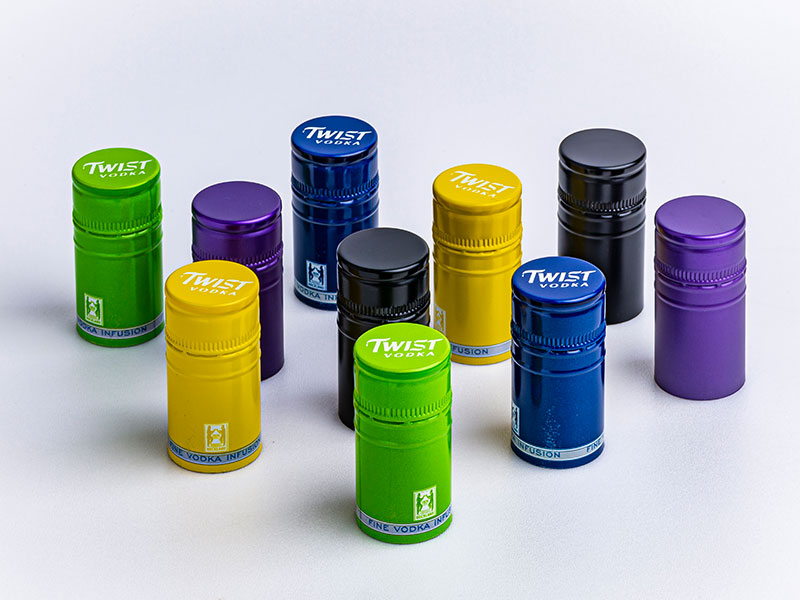
When customers ask for a customizable cap, they often picture color and logo first. I do too-because the cap is the first thing the hand touches. But customization becomes truly valuable when it includes both aesthetics and performance, aligned with the wine style.
Visual and tactile options typically include:
- Matte, gloss, satin, pearl, metallic, or soft-touch topcoats
- Spot varnish effects to create contrast without changing the main color
- Embossing and debossing on the top disc or skirt for a premium tactile cue
- Knurl patterns tuned for grip, not just appearance
- Multi-color printing, including internal printing for anti-counterfeit or storytelling details
- Laser marking or microtext for traceability and brand protection
Performance customization is where closures quietly earn their keep:
- Target opening torque that matches the brand experience and consumer demographic
- Controlled oxygen transmission via liner selection to suit reductive or oxidative winemaking approaches
- Consistent thread engagement that prevents "false torque" on the line
- Skirt geometry that supports tamper evidence band reliability
The best closure programs treat these as one design brief. A dark, heavily extracted red intended for aging may benefit from a different liner and torque profile than an aromatic white designed to be vivid and youthful.
Parameters that matter on a real bottling line
A screw cap becomes "good" only when it runs without drama. Practical specifications typically discussed between closure suppliers, wineries, and bottling teams include:
Cap geometry and fit
Diameter 30mm and height 60mm must match the bottle finish standard being used, commonly BVS (Bague à Vis Standard) or other regional screw finish variants. Thread profile compatibility is non-negotiable; a beautiful cap that doesn't track a finish cleanly is an expensive headache.
Shell thickness and hardness
Closure stock is often in a range that balances drawability and dent resistance. The optimal value depends on the capping head setup, line speed, and distribution risks. Hardness/temper affects how the cap "springs back" and how it holds torque over time.
Opening and application torque windows
Your target application torque must be high enough to seal and maintain tamper evidence integrity, while still opening smoothly by hand. Suppliers usually provide recommended torque ranges and test protocols. What matters is not only the average torque, but also the variability across a lot.
Coatings and corrosion resistance
The wine environment is chemically active. Internal lacquers protect against corrosion and prevent flavor scalping or metallic interactions, while external coatings protect print and appearance during wet-line handling and in ice buckets. A good coating system also reduces scuffing as bottles rub in cartons.
Liner compression and seal integrity
Leak performance depends on how the liner compresses against the glass top surface and how it recovers over time. This becomes critical for export wines that see temperature swings.
Implementation standards and quality checks that keep promises honest
Because closures touch food, the standards framework matters. Depending on your market and supplier, you may see alignment with EU food-contact regulations, FDA requirements for indirect food additives, and relevant migration testing protocols. The closure manufacturing environment is typically managed under quality systems such as ISO 9001, with hygiene and risk management often following HACCP principles.
On the production and receiving side, practical QA typically includes:
- Dimensional inspection of diameter, height, thread profile, and tamper band geometry
- Coating integrity tests and adhesion checks for printed layers
- Torque testing on representative bottle finishes using calibrated capping equipment
- Leak and vacuum retention tests where applicable
- Sensory neutrality checks for liners and internal lacquers, especially for delicate white wines
These aren't bureaucratic hurdles; they're how you make sure your cap's "handshake" stays the same across millions of bottles.
The closure as a brand's quiet signature
The unique thing about a 30x60mm aluminum screw cap is that it can be both invisible and iconic. Invisible when it performs so reliably that no one thinks about it. Iconic when the color, feel, and opening experience become part of the ritual of that wine.
If you're choosing or designing one, I'd argue for a closure brief that starts with the wine's journey rather than the cap's decoration. Where will it be sold? How will it be stored? How long should it age? What does the first opening need to feel like? Once those answers are clear, the customization becomes more than a logo on metal-it becomes a carefully engineered, consumer-facing promise.
A bottle can only be as consistent as its seal. In that sense, the small cylinder at the top is not an accessory. It's a decision about time, trust, and taste-made in 30x60 millimeters of aluminum.
https://www.bottle-cap-lids.com/a/customizable-30x60mm-aluminum-screw-caps-for-wine-bottles.html