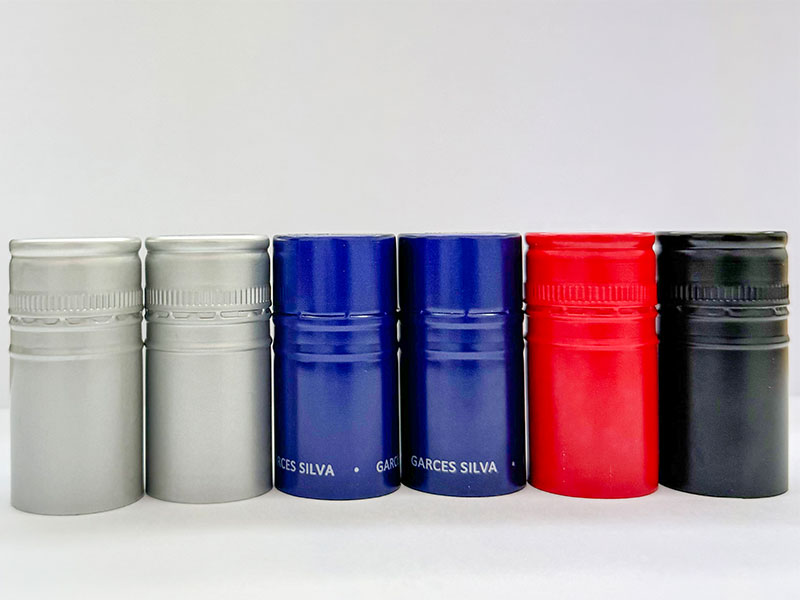


Screw On 30x60mm Aluminum Wine Closures for Eco Friendly Wine Packaging
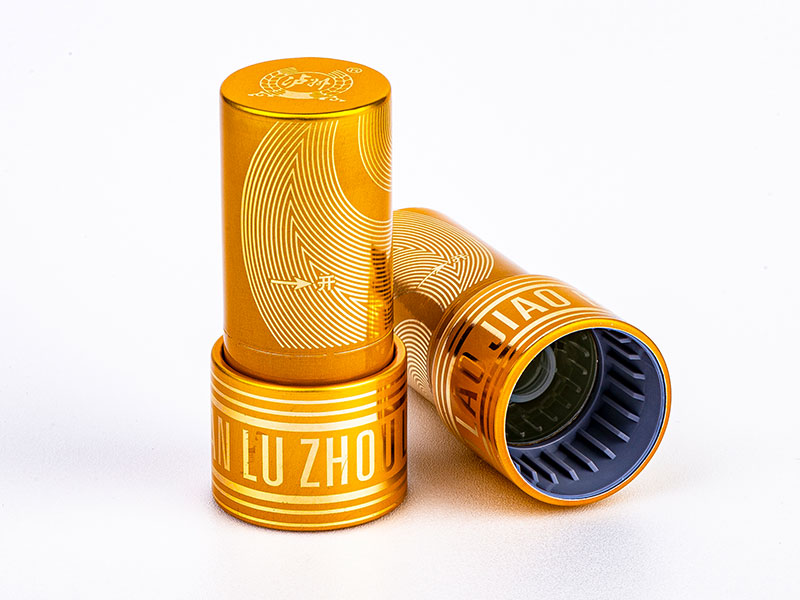
Screw On 30x60mm Aluminum Wine Closures are often described as a "cap," but in eco friendly wine packaging they function more like a precision environmental valve: they control oxygen ingress, protect aroma compounds, and deliver repeatable opening torque across thousands of bottles-while staying compatible with modern recycling systems. From this perspective, the closure is not a finishing accessory; it is a lightweight, engineered barrier that directly influences shelf life, transport resilience, and brand credibility.
Why 30x60mm Matters in Sustainable Wine Packaging
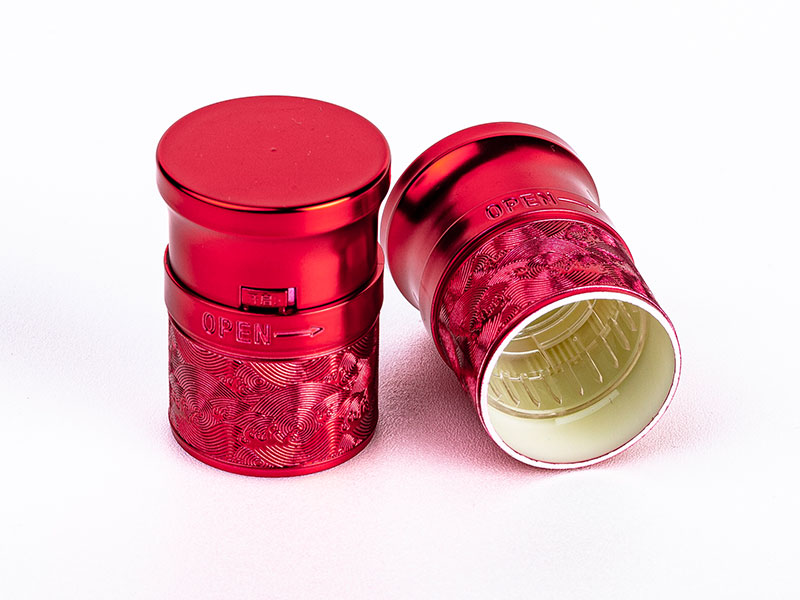
The 30x60mm format is widely used for screw cap wine bottles where consistent sealing and consumer convenience are priorities. "30" refers to the nominal closure diameter that mates with the bottle's threaded finish; "60" refers to the skirt length that forms the visible sidewall down the neck. That skirt is more than aesthetics: it adds hoop strength, supports tamper-evidence, and provides a larger surface for decoration without adding heavy materials.
In eco friendly wine packaging, this geometry becomes a sustainability lever. A well-designed 30x60mm aluminum wine closure minimizes the risk of leakage and oxidation-related spoilage, reducing product loss-a major hidden footprint in the wine value chain. It also enables lightweight packaging strategies because the closure contributes reliable mechanical integrity without requiring excessive glass thickness at the neck.
Aluminum as a Circular-Material Choice: The "Forever Metal" Advantage
Aluminum is one of the most circular packaging materials available. It can be recycled repeatedly with minimal loss of properties, and the recycling process typically uses a fraction of the energy needed for primary aluminum production. For wineries building credible sustainability messaging, screw on aluminum wine closures align with circular economy goals-especially when paired with local collection and recycling streams.
From an engineering viewpoint, aluminum also offers an unusually stable balance of formability and strength, allowing thin-gauge production while still resisting buckling during capping and distribution.
Technical Parameters for Screw On 30x60mm Aluminum Wine Closures
Below are common parameters used for specification and procurement. Exact values can be tuned to match bottling line settings, bottle finish tolerances, and liner oxygen transmission needs.
Typical closure parameters (30x60mm format)
- Nominal diameter: 30 mm
- Skirt length: 60 mm
- Shell material: aluminum alloy sheet (commonly AA 8011 or AA 3105)
- Sheet thickness (typical range): 0.20–0.23 mm (customizable)
- Weight (typical range): depends on thickness, embossing depth, and liner; commonly optimized for lightweighting while meeting buckle resistance targets
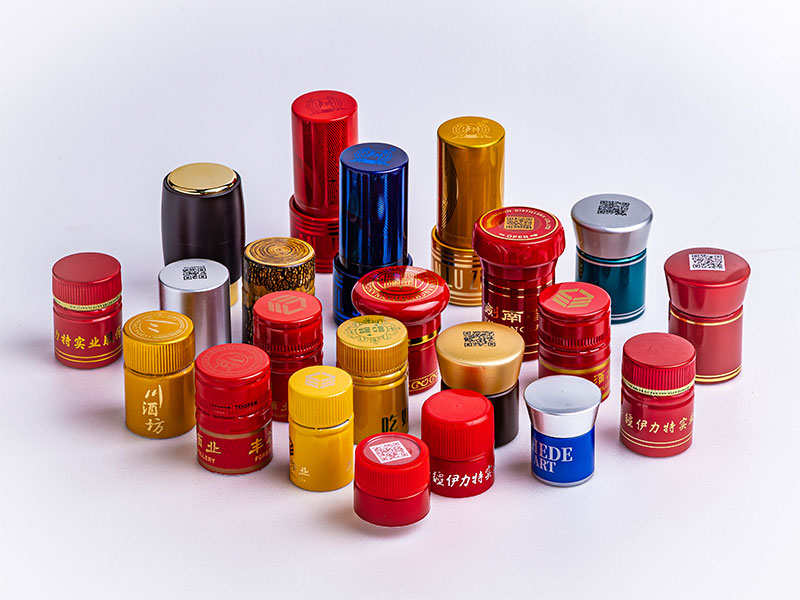
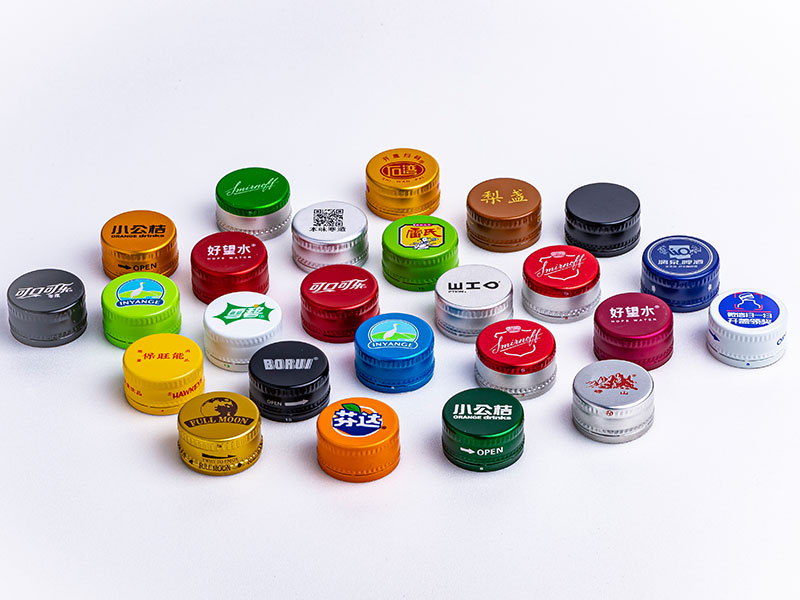
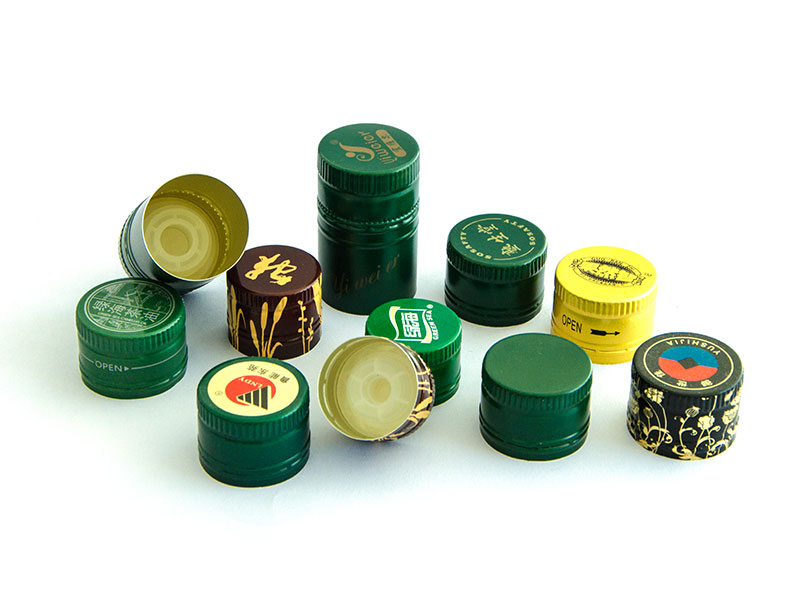
- Finish options: glossy, matte, metallic, color-coated, tactile varnish, or premium gradients
- Decoration: offset printing, UV printing, hot stamping, embossing/debossing
- Tamper evidence: perforated band or roll-on evidence feature (depending on bottle finish and market)
- Liner systems (application-dependent):
- Saranex-based liners for general aroma protection
- PVDC or advanced barrier liners for lower OTR requirements
- Tin-saran or specialized liners for premium oxygen management strategies
- Performance targets (set per bottler): application torque window, removal torque range, and leak resistance under internal pressure/temperature cycling
A useful "distinctive viewpoint" here is to treat the liner as the closure's true sustainability engine. A cap that is recyclable but causes premature oxidation is not eco friendly in practice. Matching liner barrier and compression behavior to the wine style (aromatic whites vs. age-worthy reds) can reduce waste far more than decorative changes.
Implementation Standards and Quality Controls
Screw on aluminum wine closures are typically manufactured and verified under packaging and quality frameworks rather than a single universal code. In production and supply agreements, the following standards and controls are commonly referenced and implemented:
- Quality management system alignment: ISO 9001 (commonly required for stable process control)
- Environmental management alignment: ISO 14001 (often requested for eco friendly supply chains)
- Food-contact compliance: conformity to relevant regulations for coatings and liners based on destination market (EU framework, FDA-related guidance in the US, and applicable local standards)
- Migratory and sensory neutrality testing: ensures inks, coatings, and liners do not taint wine aroma or flavor
- Dimensional and mechanical checks: diameter, skirt length, thread-form compatibility, buckle resistance, and opening torque stability
- Coating and corrosion resistance testing: salt spray or humidity exposure depending on distribution climates
- Cleanliness controls: particulate and odor control in liner insertion and packing, supporting wine packaging hygiene
In practical terms, "implementation standard" is the winery's bottling reality: the closure must run smoothly on the line, hold torque consistently, and avoid cosmetic damage during high-speed capping. Sustainable packaging is operational packaging-eco claims collapse if the closure scuffs, leaks, or jams.
Alloy Selection and Tempering: Why AA 8011 / AA 3105 and H14/H16/H18 Are Common
For aluminum bottle caps and wine closures, AA 8011 and AA 3105 are frequently selected because they balance drawability (for forming the shell) with strength (to resist deformation at application). The temper choice influences forming behavior and final performance:
- H14 (strain-hardened, lower strength than H18): often chosen when more formability is needed for deep drawing, embossing, or complex forming details
- H16 (mid-strength): used when a balance of forming and rigidity is desired
- H18 (higher strength): preferred when higher buckle resistance and shape retention are needed, especially for demanding logistics or premium aesthetics
From a closure-design lens, temper is not simply a "hardness level." It is a way to tune how the shell behaves during roll-on application and how it holds the thread definition over time. Too soft, and the thread may relax; too hard, and forming may crack or decoration may show stress.
Chemical Properties Table (Typical Composition Ranges)
Chemical composition varies by standard and supplier agreement. The table below lists widely used, typical composition ranges for common closure alloys. Values are provided as approximate ranges by weight percent and should be confirmed against the governing material standard and mill certificate for your order.
Typical chemical composition (wt.%)
| Alloy | Si | Fe | Cu | Mn | Mg | Zn | Ti | Al |
|---|---|---|---|---|---|---|---|---|
| AA 8011 | 0.50–0.90 | 0.60–1.00 | ≤0.10 | ≤0.20 | ≤0.05 | ≤0.10 | ≤0.08 | Balance |
| AA 3105 | ≤0.60 | ≤0.70 | ≤0.30 | 0.30–0.80 | 0.20–0.80 | ≤0.40 | ≤0.10 | Balance |
These alloys support the forming and coating processes used in screw on 30x60mm aluminum wine closures, while maintaining corrosion resistance suitable for typical wine distribution environments. For coastal shipping routes or humid storage, coating system selection and edge coverage become just as important as the base alloy.
Eco Friendly Design Details That Actually Move the Needle
Eco friendly wine packaging is often framed as a materials question, but closures make it a systems question. A high-performing aluminum closure contributes to sustainability through:
- Lower spoilage rates due to consistent sealing and tailored oxygen management
- Lightweighting potential while keeping mechanical integrity during transport
- High recyclability of aluminum shells, supporting circular packaging goals
- Reduced need for secondary packaging safeguards if leak performance is stable
Choosing screw on 30x60mm aluminum wine closures is also a brand accessibility decision: easy open, resealable, and reliable-features that reduce consumer frustration and improve the likelihood that the bottle is enjoyed rather than discarded.
A screw cap may look simple, but its performance comes from micro-structures created during forming: thread definition, skirt stiffness, and liner compression profile. The alloy temper controls how crisply these shapes form; coatings protect the metal and carry the brand; the liner defines the oxygen pathway. When these elements are engineered together, the closure becomes a small, repeatable climate system for wine.