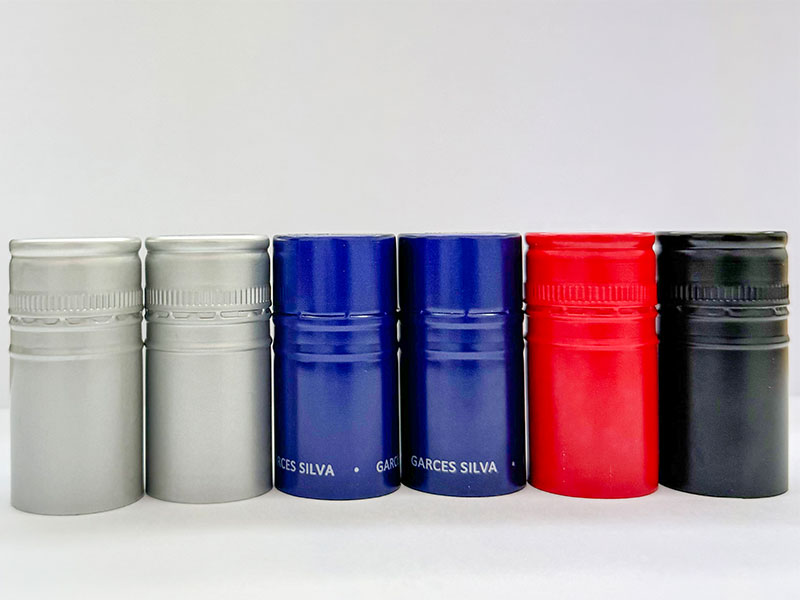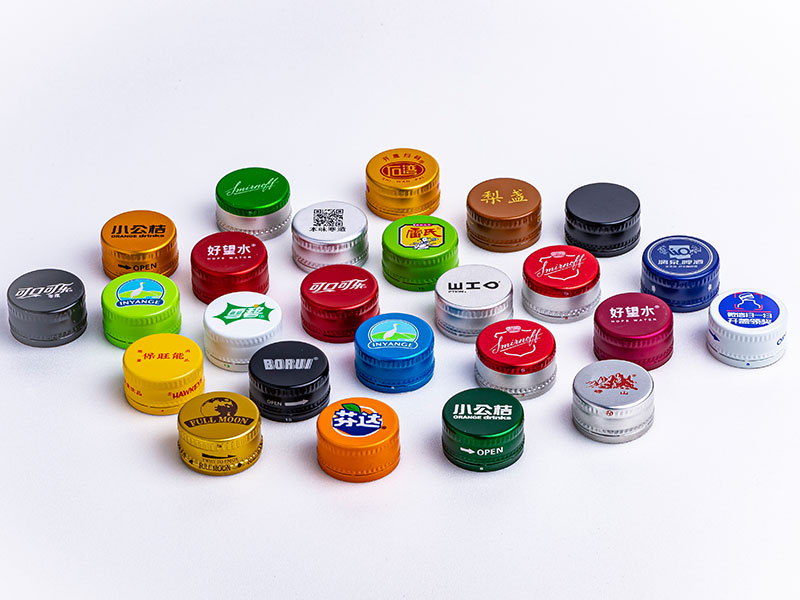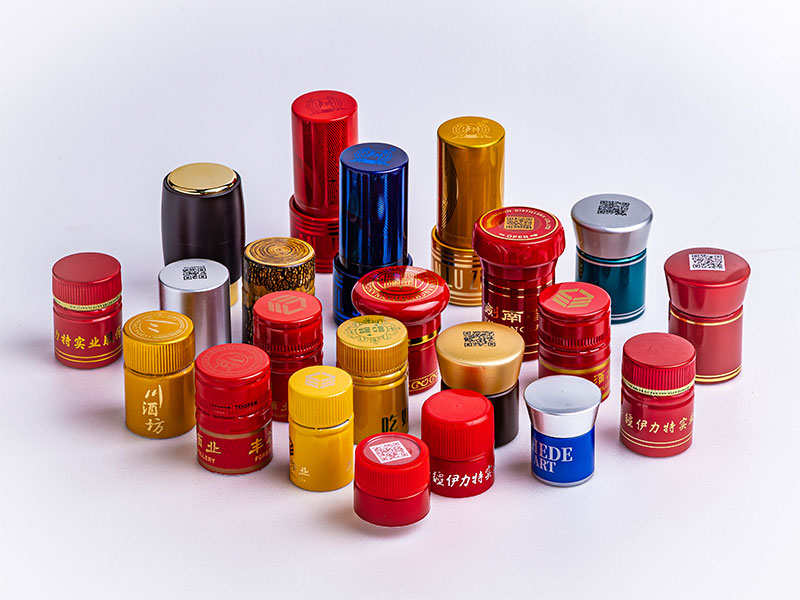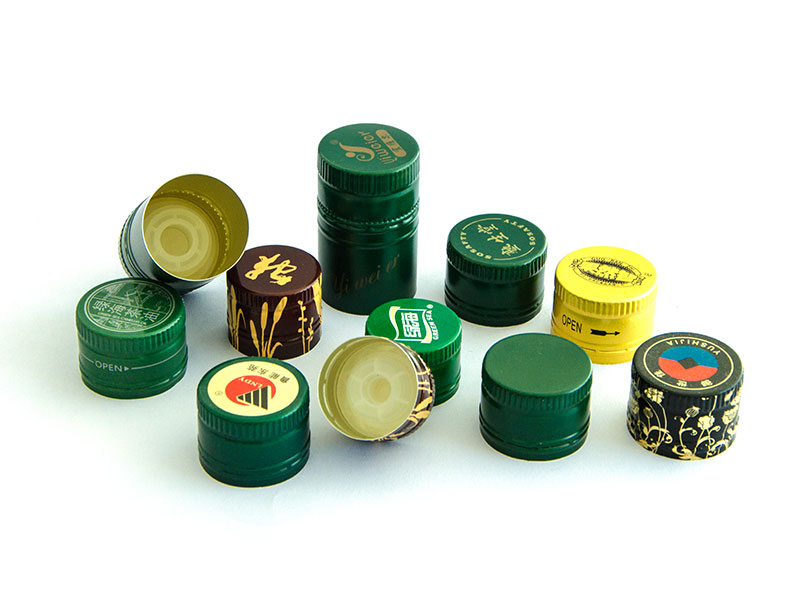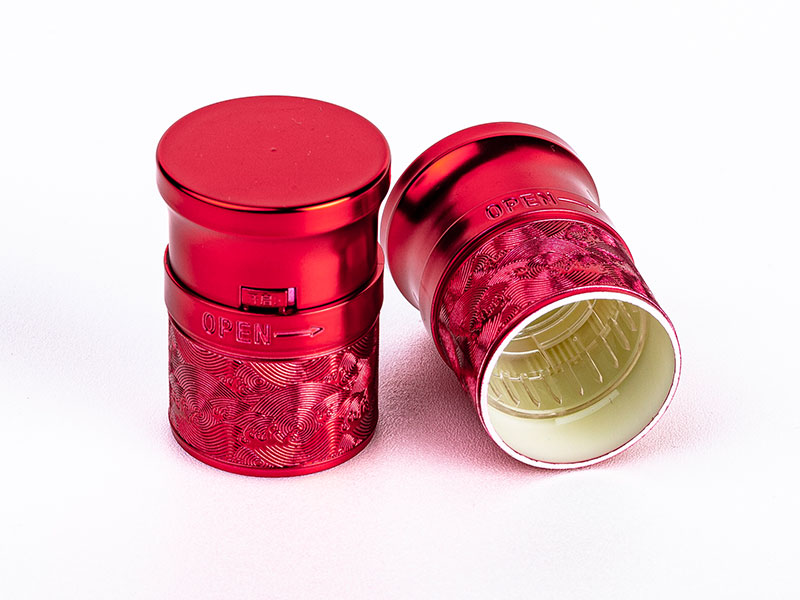


Aluminum Soda Bottle Caps with Strong Pressure Tight Seal
Aluminum soda bottle caps are often treated as a small accessory, but in a carbonated beverage system they behave more like a precision pressure component. The cap is the final gatekeeper between dissolved CO₂ and the outside world, and it has to perform flawlessly while being applied at high speed, stored in humid environments, shipped through temperature swings, and opened with a satisfying, controlled release. When customers ask for an "Aluminum Soda Bottle Cap with a Strong Pressure Tight Seal," they are really asking for a cap that balances metallurgy, forming accuracy, liner chemistry, and application standards in one compact part.
Why a strong pressure-tight seal is a materials story first
Carbonation pressure typically ranges from moderate to high depending on beverage type and temperature. A cap that "feels tight" is not automatically a cap that seals at pressure. True sealing comes from a stable closure geometry that resists springback, a skirt that maintains uniform contact, and a liner that conforms to micro-irregularities on the bottle finish. Aluminum excels here because it is lightweight, corrosion-resistant, and formable enough to create consistent threads and sealing surfaces-yet strong enough to hold shape when internal pressure pushes upward on the liner.
A distinctive way to look at aluminum caps is to see them as controlled elastic systems. The cap shell must deform slightly during application to lock onto the bottle finish, then "hold its memory" without relaxing. That's why alloy selection and tempering matter: a cap that is too soft may creep over time and lose torque retention, while a cap that is too hard may crack at the knurl or fail to form clean threads.
Typical parameters customers care about
For soda bottles, aluminum caps are commonly produced in standard beverage closure sizes, with dimensions tuned to the bottle neck finish and filling line capping head.
Common parameter ranges (customizable by neck finish and market standard) include:
- Cap diameter: 28 mm to 38 mm are common beverage ranges; 28 mm is widely used for CSD and water in many regions
- Skirt height: often around 12 mm to 18 mm depending on thread profile and tamper-evidence band design
- Aluminum sheet thickness: typically about 0.18 mm to 0.23 mm for beverage caps, selected based on forming depth, torque targets, and pressure performance
- Internal pressure performance: designed to withstand carbonation-related internal pressure at elevated temperatures without leakage, liner blowout, or cap deformation when correctly applied
- Application torque window: set to match bottle finish and liner type, ensuring sealing without over-stressing threads or inducing cap deformation
- Surface finish: clear lacquer, colored coating, or printed graphics; interior coating compatible with beverage vapor exposure and liner adhesion
Because closure performance depends on the "system," suppliers usually confirm fit based on the customer's bottle finish drawing, torque requirements, and any hot-fill or pasteurization conditions.
Implementation standards that guide consistency
Aluminum beverage caps typically follow established closure and packaging test expectations rather than being improvised from batch to batch. Depending on region and customer program, caps may be produced and verified in line with:
- ISO-based quality management practices for manufacturing consistency
- Food-contact packaging requirements for coatings and liners (regional compliance varies, such as EU or FDA-related expectations)
- In-house or customer-defined carbonation retention tests, leak tests, and torque retention protocols
- Dimensional inspection routines for thread profile, skirt roundness, liner placement, and coating integrity
What matters in practice is that the cap supplier can provide stable process capability: consistent shell forming, controlled coating cure, and repeatable liner compression behavior on the customer's bottle.
Alloy choice and tempering: the quiet difference between "works" and "wins"
Most aluminum bottle cap shells are produced from the 3xxx series aluminum-manganese alloys because they offer an effective blend of formability, strength, and corrosion resistance for drawn and formed parts. Two widely used options are AA3105 and AA3003, often in H14 or H16 temper depending on the required balance between stiffness and forming ease.
How temper affects performance:
- Softer tempers improve formability and reduce cracking risk during knurling or deep forming, but may reduce torque retention or increase long-term relaxation under load.
- Harder tempers hold shape and thread definition better, improving pressure seal stability, but require tighter forming control to avoid splits or orange peel surface effects.
In beverage closures, the "strong pressure tight seal" is often achieved not by extreme hardness, but by a controlled mid-temper that forms cleanly and stays stable after application.
Liner and seal mechanics: where the pressure is actually managed
The liner is the sealing engine. The aluminum shell provides the structure; the liner provides conformity. For carbonated beverages, liners are commonly based on food-grade polymer systems such as PE-based liners, TPE compounds, or specialized formulations designed for carbonation retention and low oxygen transmission. The liner must:
- Maintain elastic recovery to keep contact pressure on the bottle land area
- Resist CO₂ permeation and beverage vapor exposure
- Avoid odor transfer and maintain food-contact safety
- Adhere reliably to the cap interior without delamination
A pressure-tight seal is usually achieved through a combination of liner compression and thread engagement. The bottle's sealing surface finish quality, the capping head settings, and the cleanliness of the application environment all influence real-world leak performance.
Coatings and corrosion resistance: protecting both cap and beverage
Although aluminum naturally forms an oxide layer, beverage environments demand more. Interior lacquers help prevent corrosion and avoid interactions between moisture, CO₂, and trace acids that may be present in flavored sodas. Exterior coatings protect branding and resist scuffing during high-speed conveying.
A good closure is not just strong at day one; it remains stable after warehousing, vibration during transport, and temperature cycling.
Typical chemical properties of common cap alloys
Below is a reference-style table for commonly used aluminum alloys for cap stock. Actual supplier chemistry can vary within standard limits, and customers should confirm the specific mill certificates for each batch.
Chemical Composition Table (Typical Limits, wt.%)
| Alloy | Si | Fe | Cu | Mn | Mg | Zn | Ti | Al |
|---|---|---|---|---|---|---|---|---|
| AA3105 | ≤0.60 | ≤0.70 | ≤0.30 | 0.30–0.80 | 0.20–0.80 | ≤0.40 | ≤0.10 | Balance |
| AA3003 | ≤0.60 | ≤0.70 | 0.05–0.20 | 1.00–1.50 | ≤0.05 | ≤0.10 | ≤0.10 | Balance |
| AA5052 | ≤0.25 | ≤0.40 | ≤0.10 | ≤0.10 | 2.20–2.80 | ≤0.10 | ≤0.15 | Balance |
AA5052 appears in some packaging applications due to higher Mg and strength, but 3xxx alloys are more common for cap shells because they form efficiently with excellent surface quality.
What customers should verify when sourcing aluminum soda caps
A strong pressure tight seal is best validated by matching the closure to the bottle finish and the filling line. In practical terms, customers should request:
- Bottle finish compatibility confirmation and sample fit trials
- Pressure and leak testing under realistic temperature conditions
- Torque retention data over time
- Coating and liner compliance documentation for food contact requirements in the target market
- Dimensional inspection reports for critical features like thread profile, liner centering, and skirt roundness
The takeaway: a pressure seal you can trust, built into a small part
Aluminum soda bottle caps succeed when they behave like engineered components, not commodity accessories. The right alloy and temper prevent relaxation and deformation, the forming process holds tight dimensional tolerances, the liner compound maintains resilient contact pressure, and coatings keep the system clean and stable. When all of those pieces align, the result is what beverage brands and bottlers want most: carbonation preserved, leaks avoided, opening torque predictable, and a closure that quietly protects product quality from the first fill to the final sip.
https://www.bottle-cap-lids.com/a/aluminum-soda-bottle-caps-with-strong-pressure-tight-seal.html