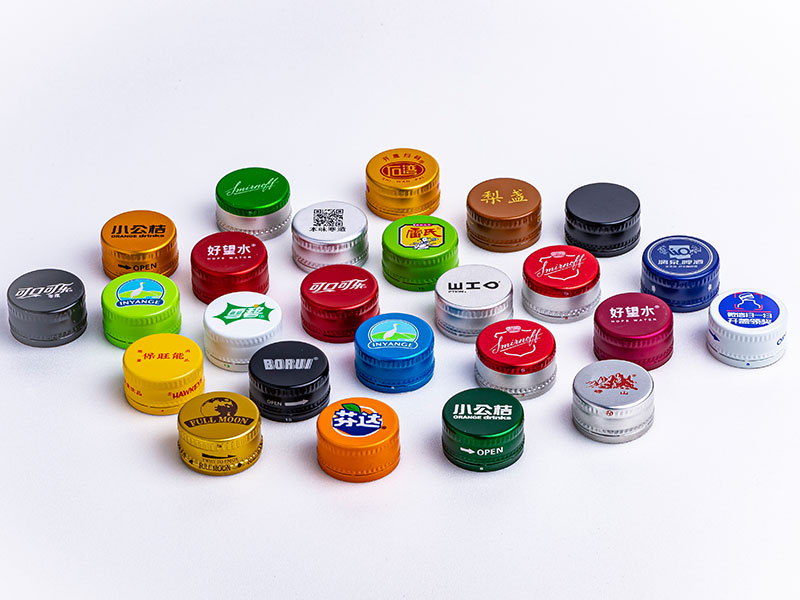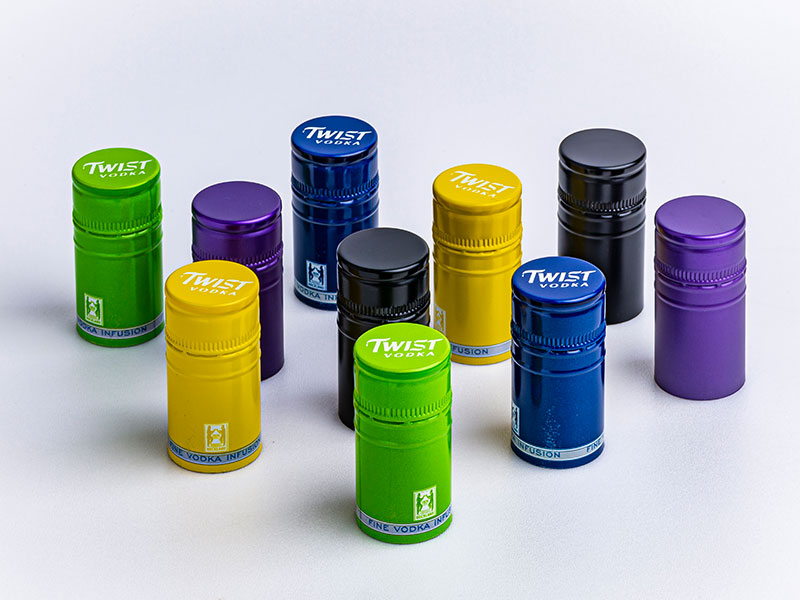


Eco Friendly 30x60mm Aluminum Wine Closures for Sustainable Packaging
Eco‑Friendly 30x60mm Aluminum Wine Closures for Sustainable Packaging
In the world of wine, the closure is no longer just a way to “keep the bottle shut.” It has become a statement of sustainability, brand identity, and product protection. Among the many options on the market, eco friendly 30x60mm aluminum wine closures is know as a smart balance between performance and environmental responsibility.
This size and format is widely used for still wines, making it a practical choice for most wineries that want to move toward greener packaging without compromising on quality or shelf appeal.
Why 30x60mm Aluminum Closures Matter for Sustainability
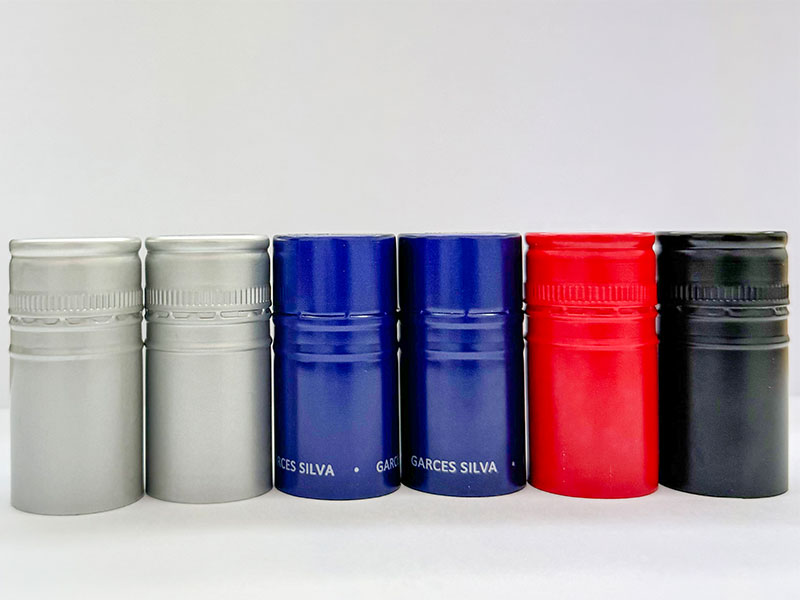
From a distance, all metal caps may look similar. Up close, the 30x60mm aluminum wine closure reflects a very specific design logic:
- A precise diameter of 30 mm tailored to standard wine bottle necks
- A 60 mm height that allows consistent thread forming and adequate decoration space
- Lightweight aluminum that delivers a strong barrier with a minimal material footprint
Aluminum is one of the most recyclable packaging materials on the planet. It can be melted and reformed repeatedly without losing its inherent properties. Using aluminum for wine closures directly supports a circular material flow: caps become scrap, scrap becomes new caps or other products.
When closures are made from high recycled-content aluminum, the environmental gains multiply: lower greenhouse gas emissions, reduced mining intensity, and a smaller overall carbon footprint for each bottle of wine.
A Technical Look at 30x60mm Aluminum Wine Closures
Behind a simple twist-off experience lies a set of tightly controlled technical parameters. They ensure that the closure performs correctly across millions of bottles, different bottling lines, and varied storage conditions.
dimensional and performance parameters typically include:
- Nominal outer diameter: 30.0 mm
- Diameter tolerance: ± 0.20 mm
- Overall height: 60.0 mm
- Height tolerance: ± 0.30 mm
- Thread form: standard ROPP (Roll-On Pilfer-Proof), customized to the bottle neck finish
- Wall thickness: generally between 0.20–0.25 mm, optimized for strength and easy roll-on
- Internal coating: food-grade lacquer, often epoxy-phenolic–free or BPA-NI (non-intent)
- Liner type: Saranex, Tin-Saran, or other TPE / PE-based liners, chosen according to the wine’s oxygen needs
These closures are engineered to balance opening torque, seal integrity, oxygen transmission rate, and ease of capping, all while satisfying regulatory and sustainability expectations.
Alloy Selection and Temper: The “Hidden Engineering”
The performance of an aluminum closure is closely tied to the alloy and temper used. For 30x60mm wine closures, manufacturers favor closure-specific alloys that combine forming ability, surface quality, and consistent strength.
Common alloy and temper combinations include:
- Alloy: AA8011, AA3105, or similar closure-grade alloys
- Temper: H14, H16 or special closure tempers designed for deep drawing and thread forming
Why this matters:
- Formability: The material must be ductile enough to be drawn into a cylindrical shell and accept rolled threads without cracking.
- Springback control: Proper temper ensures the closure maintains its shape and thread engagement after capping.
- Surface finish: High-quality alloys support smooth lacquering and printing, important for premium visual appearance.
Alloy chemistry is carefully controlled to maintain a balance of strength and ductility, while also supporting high recycling rates and minimal impurities.
Implementation Standards that Guide Quality and Safety
Eco friendly does not mean relaxed standards. Aluminum wine closures must comply with strict international and regional norms covering food contact, mechanical performance, and environmental safety. Typical reference standards and practices include:
- Food-contact regulations such as EU Framework Regulation (EC) No 1935/2004 and FDA 21 CFR where relevant
- Good Manufacturing Practices (GMP) for food-contact materials
- ISO-based quality management systems for traceability and process control
- Migration limits for coatings and inks to keep substances safely below regulatory thresholds
On the performance side, closures are routinely tested for:
- Opening and re-sealing torque
- Seal integrity under pressure and vacuum
- Corrosion resistance in contact with wine and under humid storage
- Oxygen transmission and CO₂ retention where relevant
These standards ensure that a 30x60mm aluminum closure not only fits the bottle but also protects the wine’s aroma, flavor, and stability over time.
Chemical Properties and Material Data
The aluminum used for 30x60mm wine closures is typically a non-heat-treatable alloy designed for forming and long-term stability. A representative chemical composition table for a closure-grade alloy might look like this:
| Element | Typical Content (wt%) | Function in Alloy |
|---|---|---|
| Al | Balance | Base metal; light weight, corrosion resistance |
| Si | 0.10 – 0.60 | Improves strength and casting/forming behavior |
| Fe | 0.50 – 1.00 | Increases strength and controls grain structure |
| Mn | 0.05 – 0.60 | Enhances strength and resistance to deformation |
| Mg | ≤ 0.10 | Minor strengthening effect |
| Cu | ≤ 0.10 | Controlled to avoid corrosion issues in wine contact |
| Zn | ≤ 0.20 | Helps fine-tune strength and formability |
| Ti | ≤ 0.10 | Grain refinement, improved processing |
| Others | ≤ 0.05 each, ≤ 0.15 total | Trace elements kept low for purity and recyclability |
These ranges can vary somewhat depending on the specific alloy series and supplier, but the goal remains the same: a clean, stable material that forms well and behaves predictably during capping and storage.
Surface Systems: Lacquers, Inks, and Liners
From a sustainability and performance perspective, the “layers” on and inside the aluminum are just as important as the metal itself.
Outer lacquer and decoration:
- High-adhesion, food-safe coatings protect the metal from scuffing and corrosion.
- Low-solvent or water-based systems are increasingly used to reduce VOC emissions.
- Offset or UV printing delivers high-resolution branding with minimal ink usage.
Inner coating:
- A thin, food-grade lacquer isolates the aluminum from direct wine contact, preventing any metallic taste and enhancing corrosion resistance.
- BPA-NI and low-migration formulations align with modern safety and regulatory expectations.
Closure liners:
- Liners are tailored to the wine style. For fresh whites and rosés, many winemakers prefer liners with slightly higher oxygen barriers; for certain reds, controlled micro-oxygenation through the liner can support better aging.
- PVC-free and recyclable-friendly liners are rapidly becoming standard for sustainability-focused wineries.
Environmental Advantages in the Full Packaging System
When evaluating sustainability, it is important to look at the whole bottle, not only the closure. Still, the switch from heavier materials to lightweight 30x60mm aluminum closures brings distinct environmental benefits:
- Significant weight savings per bottle compared with many traditional closures
- Lower transport emissions due to reduced mass and highly compact shipping of caps
- Near-100% recyclability in established metal recycling streams
- Compatibility with existing glass bottles, making the transition easy from a technical viewpoint
As more national and regional regulations push for higher recycling quotas and producer responsibility, aluminum closures help brands demonstrate measurable progress toward circular packaging goals.
From Production Line to Consumer Experience
On the bottling line, a well-engineered 30x60mm aluminum closure means:
- Consistent roll-on threads and pilfer bands
- Low rejection rates and stable capping torque
- Reduced downtime and maintenance thanks to predictable material behavior
For consumers, the same closure means:
- Effortless opening without tools
- Reliable re-sealing for short-term storage
- Confidence that the wine has been preserved and protected
When these performance benefits are combined with clearly communicated sustainability credentials, the closure itself becomes part of the brand story.
Choosing Eco Friendly 30x60mm Aluminum Closures for Your Wine
For wineries seeking a practical way to improve packaging sustainability, 30x60mm aluminum closures offer a straightforward path:
- They work with standard bottles and filling lines.
- They reduce material use and weight.
- They support a high recycling rate and circular supply chains.
- They protect flavor, aroma, and brand reputation in the market.
By paying attention to alloy selection, liner technology, and implementation standards, producers can align technical performance with environmental responsibility—and deliver an eco friendly closure that is as modern as the wines it protects.