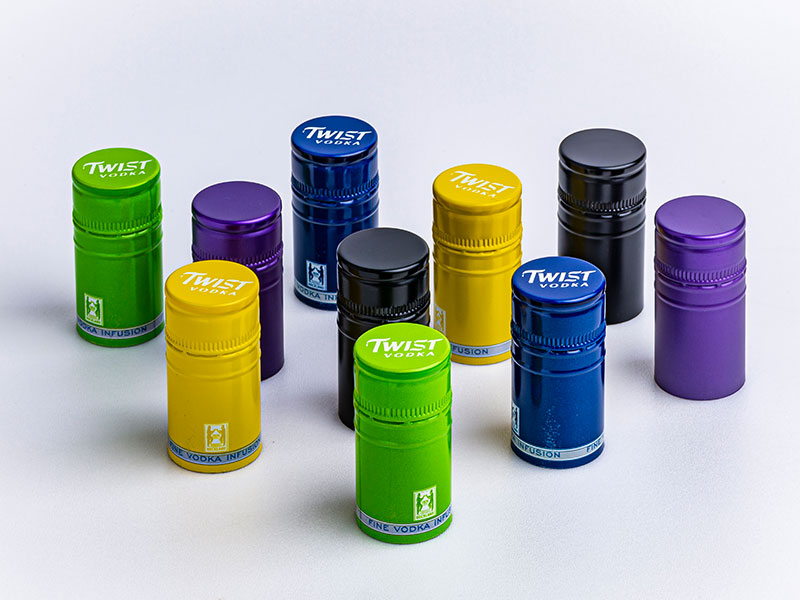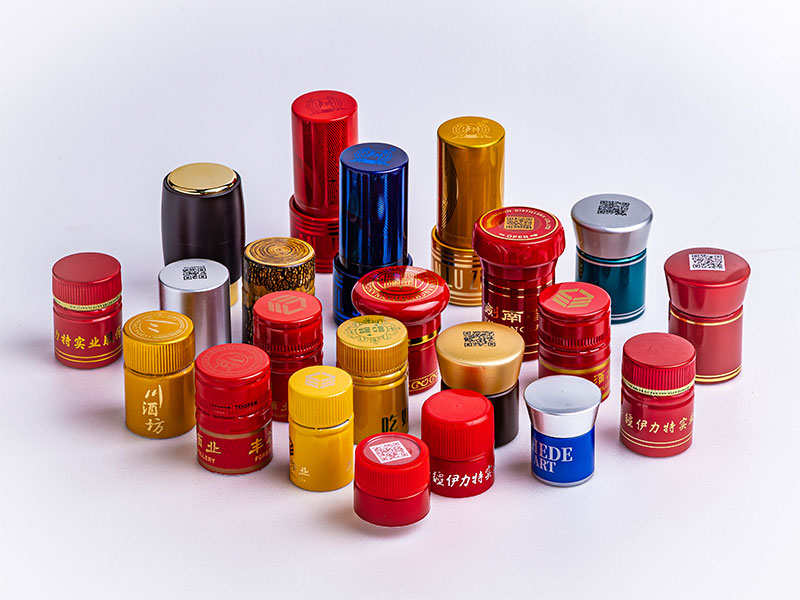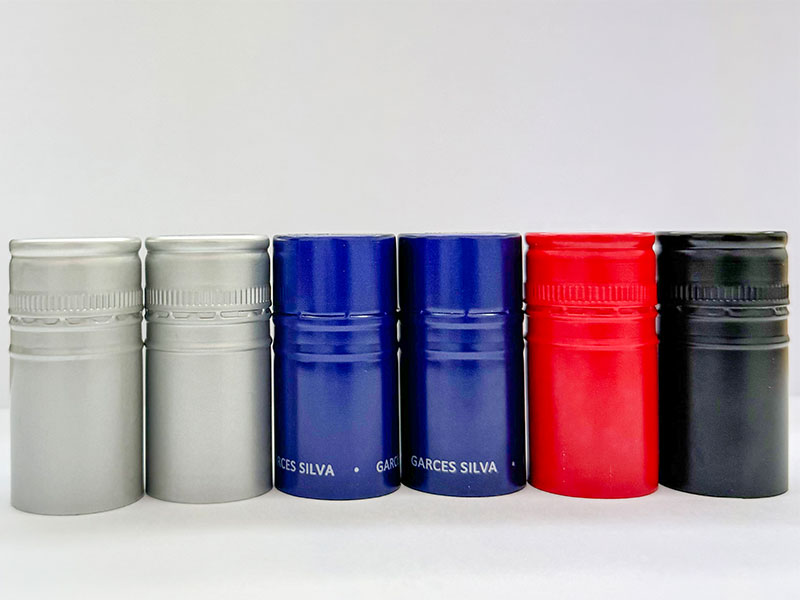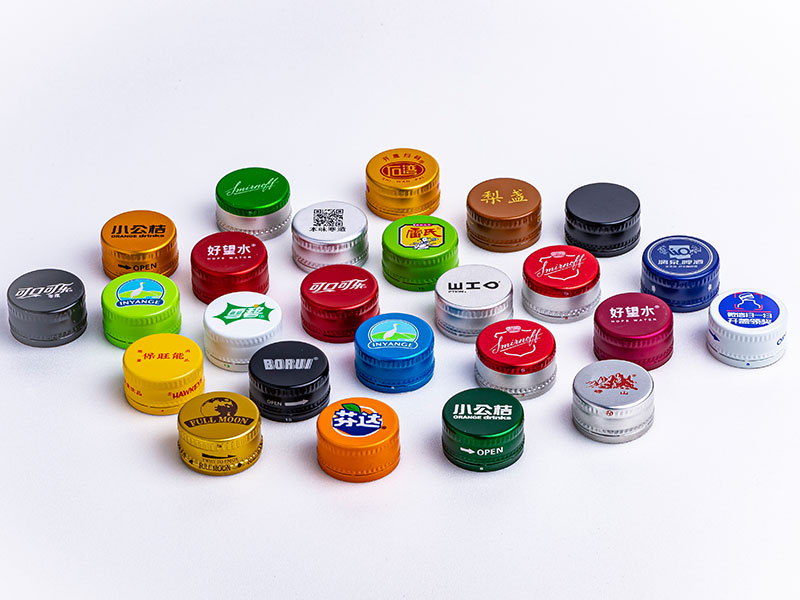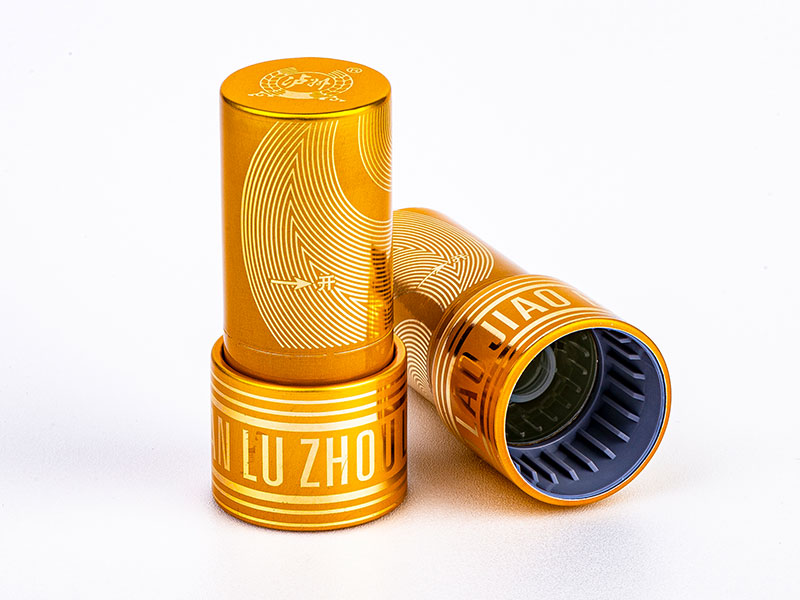


30x60mm Aluminum Wine Bottle Caps with Sealed Pressure Control
Modern wineries and beverage brands increasingly need closures that do more than "cap the bottle." They must preserve aroma, manage internal pressure, support automation, and present a premium look on the shelf. 30x60mm Aluminum Wine Bottle Caps with Sealed Pressure Control are engineered for exactly that: a robust aluminum closure format designed to seal reliably, tolerate pressure variation, and deliver consistent performance across high-speed lines-while offering broad options for branding, finishes, and liner systems.
These caps are commonly selected for wine, sparkling wine-style products, cider, kombucha, RTD cocktails, and premium non-alcoholic beverages where stability, freshness, and leak protection are critical.
The 30x60mm format refers to a cap designed around a nominal 30 mm diameter and 60 mm skirt height, providing a generous sealing and gripping area that helps maintain closure integrity even under temperature cycling and transport vibration. Constructed from aluminum alloy sheet and paired with a functional liner (typically food-grade polymer systems), the cap creates a controlled seal that can be tuned for specific headspace pressure behavior.
"Sealed Pressure Control" in this context means the closure system is designed to maintain a stable seal under internal pressure changes and reduce the likelihood of seepage, cap back-off, or micro-leaks. This is especially valuable for beverages that may generate or retain CO₂, or for products shipped through varying altitudes and climates.
Features at a Glance
Stable sealing under pressure fluctuation
The cap body and liner work together to maintain consistent sealing force, reducing leakage risk during carbonation, thermal expansion, and transport stress.Extended 60 mm skirt for grip and security
More skirt length generally improves torque retention, application stability, and tamper evidence design flexibility.Aluminum barrier and corrosion resistance
Aluminum provides a strong barrier to light and oxygen ingress through the closure area, and performs well with appropriate coatings.Excellent printability and premium aesthetics
Supports anodized looks, matte/gloss effects, multi-color printing, embossing/debossing, and tactile finishes.Compatibility with automated capping lines
Designed for consistent dimensions and mechanical behavior, supporting repeatable application torque and throughput.
Typical Technical Specifications
The following table summarizes common ranges used for design and procurement. Final values depend on bottle finish, liner choice, and brand requirements.
| Parameter | Typical Value / Range | Notes |
|---|---|---|
| Cap size | 30 × 60 mm | Diameter × skirt height |
| Material | Aluminum alloy (3xxx/5xxx series commonly used) | Selected for formability and corrosion resistance |
| Temper | H14 / H16 / as specified | Balances strength and deep-draw performance |
| Wall thickness | 0.18–0.25 mm (typical) | Depends on forming and torque targets |
| Internal coating | Food-grade lacquer/epoxy-free options available | Chosen for beverage compatibility |
| External finish | Gloss, matte, anodized-look, printed | Branding and tactile performance |
| Liner type | EPE, Saranex, PE-based, or custom | Determines seal, gas barrier, and chemical resistance |
| Application method | Roll-on / screw application (line-dependent) | Must match bottle finish and equipment |
| Recommended application torque | Equipment- and liner-dependent | Validated during line trials |
| Temperature resistance | Typically suitable for hot/cold filling ranges | Confirm with liner/coating selection |
| Tamper evidence | Optional TE band or perforation design | Market and regulatory dependent |
Chemical Composition (Representative Aluminum Alloy Sheet)
Aluminum closure sheet commonly uses alloys from the 3xxx or 5xxx series. Exact alloy selection varies by forming depth, strength, and corrosion environment. The table below provides a representative composition window for closure-grade material (for reference and customer communication). Actual Mill Test Certificates should be used for compliance-critical projects.
| Element | Typical Range (wt.%) | Functional Contribution |
|---|---|---|
| Al | Balance | Lightweight base metal, barrier performance |
| Mn | 0.8–1.5 | Strengthening and improved formability stability |
| Mg | 0.0–1.2 | Strength, corrosion behavior (alloy-dependent) |
| Fe | 0.0–0.7 | Controlled impurity; affects ductility if high |
| Si | 0.0–0.6 | Controlled impurity; influences forming |
| Cu | 0.0–0.25 | Strength contribution; kept low for corrosion control |
| Zn | 0.0–0.25 | Minor; typically limited |
| Ti | 0.0–0.10 | Grain refinement for better forming |
Sealed Pressure Control: How It Works in Practice
Pressure inside a sealed bottle can change due to dissolved gas equilibrium, secondary fermentation behavior, altitude shifts, or thermal expansion during storage. A cap built for sealed pressure control focuses on three interacting zones:
Cap geometry and skirt engagement
The 60 mm skirt provides a longer engagement area, helping stabilize the cap during application and reducing the chance of loosening under vibration.Liner compliance and recovery
A well-selected liner compresses to fill micro-irregularities on the bottle finish, then maintains recovery to keep sealing contact even after temperature cycling.Coatings and surface consistency
Internal lacquer reduces corrosion risk and helps ensure the interface remains stable over shelf life, especially for acidic beverages.
For carbonated or semi-carbonated products, pressure management is less about "venting" and more about maintaining seal integrity while resisting pressure-induced distortion. Correct pairing of liner and application torque is where performance is won.
Performance Targets and Quality Checks (Typical)
Below are common evaluation metrics used during qualification and incoming QC. Ranges will vary by bottle finish, beverage type, and regulatory requirements.
| Test / Metric | Typical Target | Why It Matters |
|---|---|---|
| Dimensional tolerance | Controlled per drawing | Ensures compatibility with capping heads and bottle finish |
| Visual inspection | No scratches, dents, coating voids | Prevents corrosion initiation and appearance defects |
| Torque retention (aging) | Verified after thermal cycling | Indicates resistance to back-off and micro-leaks |
| Leak test | Pass at defined internal pressure | Confirms seal performance under stress |
| Coating adhesion | Pass cross-hatch / bend test | Avoids flaking and corrosion pathways |
| Corrosion resistance | No blistering after exposure protocol | Protects taste and shelf life |
Applications
30x60mm Aluminum Wine Bottle Caps with Sealed Pressure Control fit brands that prioritize product integrity and premium positioning. Typical use cases include:
Aromatic still wines
Helps protect delicate aromatics by limiting oxygen ingress at the closure area and supporting consistent sealing.Low to moderate carbonation beverages
Suitable for products where internal pressure variations can occur, including spritz-style beverages and lightly sparkling wines.Cider, kombucha, and fermented RTDs
These products can be sensitive to pressure changes and acidity; aluminum with the right internal coating and liner system performs reliably.Premium non-alcoholic beverages
Especially where freshness and brand presentation matter, and where distribution involves temperature swings.Gift-pack and export-ready bottles
The extended skirt and robust sealing system help reduce leakage risk during long-distance shipping and handling.
Branding, Finishing, and Customization Options
Aluminum is exceptionally flexible for premium decoration. Common options include:
- Multi-color offset printing for vivid branding and batch differentiation
- Matte or velvet-touch coatings for tactile premium feel
- Embossing/debossing to create recognizable brand cues
- Color-matched finishes across product lines
- Laser marking compatibility on selected coatings for traceability
For brands running seasonal releases, the same base cap platform can be re-skinned rapidly with new artwork while maintaining validated sealing performance.
Selection Guidance for Best Results
Matching the cap to your bottle and beverage is the to reliable pressure control.
| Selection Item | Recommended Approach | Outcome |
|---|---|---|
| Bottle finish compatibility | Confirm thread/roll-on profile and landing surface | Prevents uneven compression and leaks |
| Liner selection | Choose based on acidity, alcohol %, CO₂ level, and shelf-life needs | Optimizes seal and chemical resistance |
| Application torque window | Validate on your line with filled product | Balances openability and retention |
| Coating system | Select food-grade, beverage-compatible lacquer | Reduces corrosion and off-flavor risk |
| Transport profile | Consider altitude, temperature, and vibration | Minimizes back-off and seepage |
30x60mm Aluminum Wine Bottle Caps with Sealed Pressure Control offer a practical blend of strong sealing reliability, pressure-stable performance, and high-end presentation. With the extended skirt geometry, compatible liner systems, and robust aluminum construction, they are well-suited for wines and modern beverages that face real-world stress: temperature cycling, long logistics chains, and evolving consumer expectations around quality.