

30x60mm Aluminum Wine Closures with Press Fit for Secure Packaging
30x60mm Aluminum Wine Closures with Press Fit for Secure Packaging
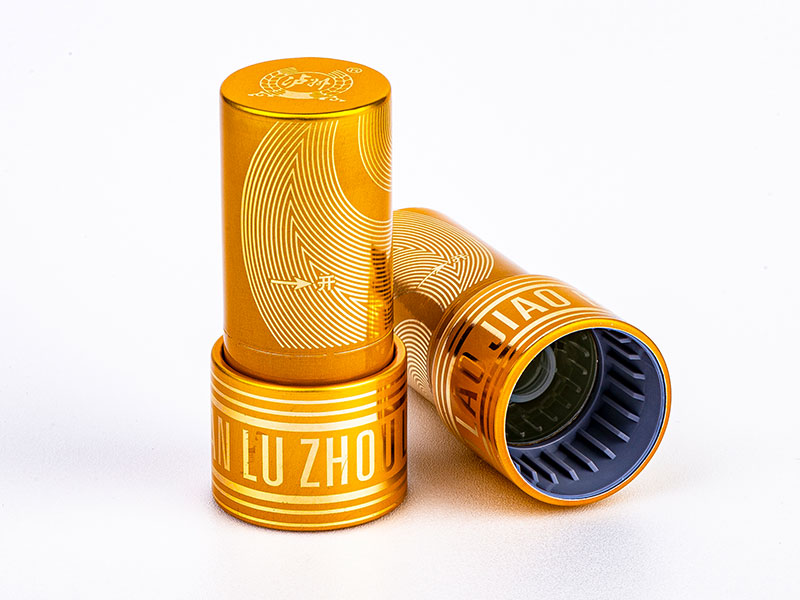
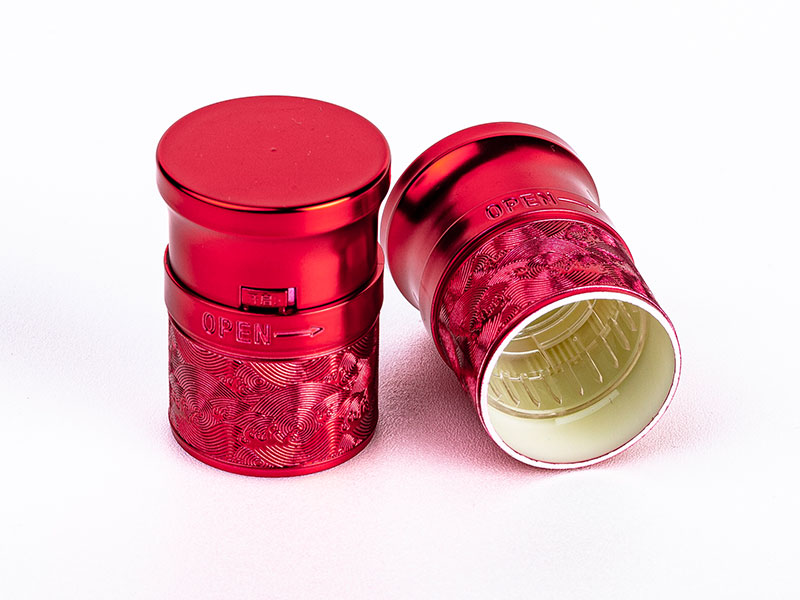
A wine closure is often treated like a small accessory, but in real-world packaging it behaves more like a precision component. It has to seal reliably, look premium on a shelf, run smoothly on a capping line, and keep performing after shipping vibrations, temperature swings, and repeated handling. That is why 30x60mm aluminum wine closures with a press fit have become a practical favorite: they combine the clean aesthetics of metal with the controlled mechanics of an interference-style seal.
What "30x60mm" really means in packaging terms
The 30x60mm specification is simple on paper and meaningful on a production floor.
Typical parameters for 30x60mm aluminum wine closures (reference range)
- Outside diameter: 30.0 mm (commonly controlled within ±0.15 mm depending on tooling and QA plan)
- Overall height: 60.0 mm (commonly controlled within ±0.30 mm)
- Material thickness: typically 0.20–0.25 mm aluminum sheet (selected for stiffness, formability, and dent resistance)
- Compatibility: designed to match common wine bottle top geometries used with decorative long caps and press-fit applications
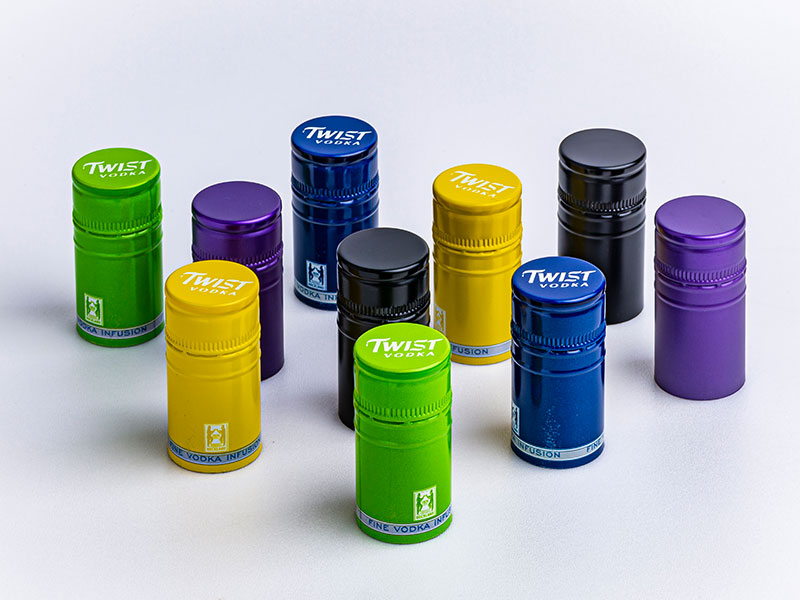
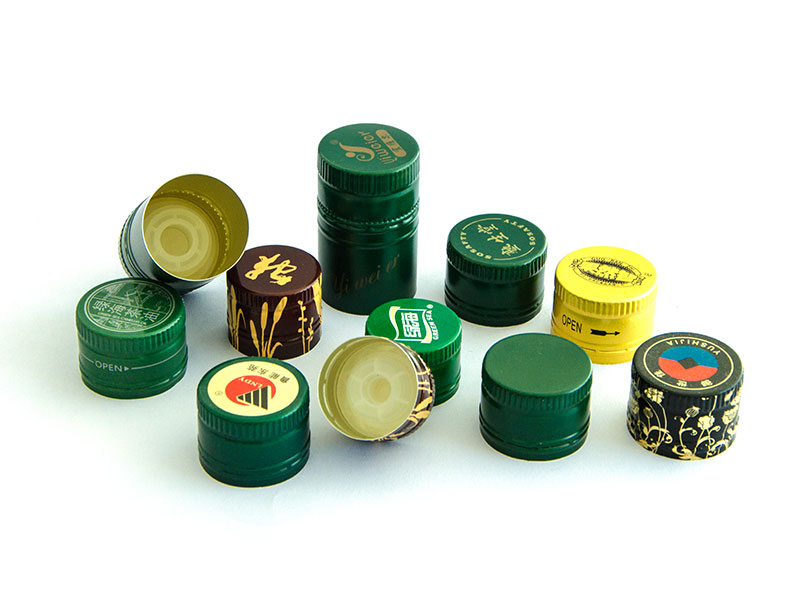
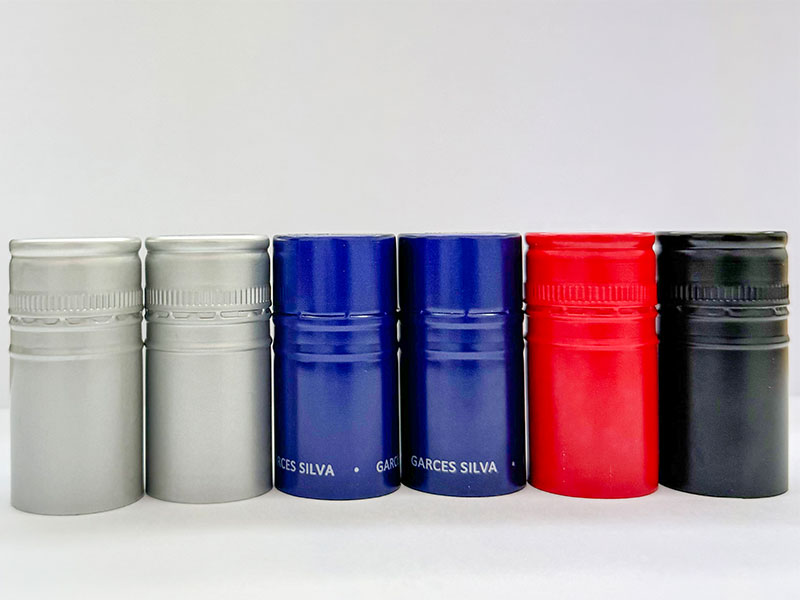
- Finish options: bright, matte, brushed, anodized look, or lacquered colors; supports hot-stamp foils and embossing
- Liner options: EPE, PVDC, PET, or multi-layer liners depending on barrier needs and desired opening feel
In practice, the 60 mm height is not just visual drama. It adds surface area for branding, stabilizes the cap's vertical alignment during application, and provides enough skirt length to distribute contact pressure evenly. That distribution reduces the chance of local deformation and improves long-term seal consistency.
The press-fit principle: secure without over-tightening
Press fit closures depend on controlled interference between the closure's inner profile and the bottle's finish. Instead of relying primarily on thread torque, the closure is seated by axial force, and retention comes from a combination of elastic deformation, friction, and liner compression.
This approach offers several advantages for secure packaging:
- Repeatable sealing performance because the application force can be controlled precisely on automated lines
- Reduced risk of cross-threading and fewer aesthetic defects on premium packages
- Strong resistance to loosening during transport vibration because the closure is held by radial pressure rather than thread back-off
- Consistent consumer opening feel when liner selection and skirt stiffness are engineered together
A good press-fit closure is designed like a spring: flexible enough to conform, strong enough to hold. Aluminum is particularly suitable because it forms cleanly, offers stable dimensions, and resists corrosion
Implementation standards and quality expectations
Depending on market and customer requirements, aluminum wine closures are commonly produced under quality and safety management systems such as:
- ISO 9001 quality management for process consistency and traceability
- ISO 22000 / HACCP-aligned practices when closures are intended for food-contact packaging environments
- EU Framework Regulation (EC) No 1935/2004 and related GMP regulation (EC) No 2023/2006 for food-contact materials, where applicable
- FDA 21 CFR considerations in the United States for indirect food additives and packaging components, depending on liner and coating system
On the technical side, conformance is usually defined by agreed inspection methods for dimensions, skirt roundness, coating adhesion, visual defects, liner placement, and seal integrity tests such as vacuum/pressure hold or leakage evaluation.
Alloy choice and tempering: why it matters for press-fit performance
The alloy and temper determine how the closure behaves during forming and during application. For 30x60mm aluminum wine closures, manufacturers often select aluminum sheet from the 1xxx or 3xxx series due to their combination of formability, corrosion resistance, and surface quality.
Common material selections include:
- AA 8011 (widely used for caps and closures)
- AA 1050 / 1060 (high purity options with excellent formability)
- AA 3003 (manganese-containing alloy offering improved strength with good workability)
Typical tempers used
- H14 / H16 / H18: strain-hardened tempers that increase strength and dent resistance
- O (annealed): maximum ductility for deep forming, often followed by controlled work hardening through forming stages
For press fit closures, the "sweet spot" is a temper that resists skirt collapse but still allows micro-compliance to bottle tolerances. Too soft and it dents or relaxes over time; too hard and it can crack during forming or fail to seat smoothly.
Surface coatings, lacquers, and corrosion protection
Aluminum naturally forms an oxide layer, but closures typically rely on additional coatings for appearance, abrasion resistance, and compatibility with liners and adhesives. Common systems include epoxy, polyester, or BPA-NI coatings, depending on regulatory targets and customer preference.
A good coating system supports:
- clean printing and hot stamping
- scuff resistance in high-speed conveying
- chemical resistance to incidental contact with wine vapors or cleaning residues
- stable adhesion under temperature cycling
Chemical composition table (typical reference values)
Actual chemistry varies by supplier and standard. Values below are typical maximum limits or typical ranges, shown for commonly used closure alloys.
| Alloy | Al (min, %) | Fe (max, %) | Si (max, %) | Mn (%) | Mg (max, %) | Cu (max, %) | Zn (max, %) | Ti (max, %) |
|---|---|---|---|---|---|---|---|---|
| AA 8011 | Balance | 1.0 | 0.9 | 0.20 max | 0.05 | 0.10 | 0.10 | 0.08 |
| AA 1050 | 99.50 | 0.40 | 0.25 | 0.05 max | 0.05 | 0.05 | 0.05 | 0.03 |
| AA 1060 | 99.60 | 0.35 | 0.25 | 0.03 max | 0.03 | 0.05 | 0.05 | 0.03 |
| AA 3003 | Balance | 0.70 | 0.60 | 1.0–1.5 | 0.05 | 0.05–0.20 | 0.10 | 0.05 |
If your packaging will face humid storage, salt-air logistics, or aggressive wash-down environments, alloy selection and coating performance should be considered together, not separately.
What customers notice: opening feel, silence, and shelf presence
One understated advantage of a well-made press-fit aluminum wine closure is the "quiet confidence" it adds. It seats cleanly, feels stable in hand, and avoids the gritty sensation that can occur with poorly matched threads or inconsistent liners. Visually, the long 60 mm skirt gives a bottle a tailored silhouette, especially when paired with matte lacquers or subtle embossing.
For brands, this closure becomes a tiny billboard with real engineering behind it: high-end decoration on the outside, controlled sealing mechanics on the inside.
Final takeaway
30x60mm aluminum wine closures with press fit are more than decorative long caps. They are engineered packaging components that balance dimensional control, alloy temper, liner behavior, and coating durability to achieve secure sealing and premium presentation. When specified with the right tolerances, temper, and food-contact compliant materials, they deliver a consistent seal, stable logistics performance, and a refined consumer experience-exactly what modern wine packaging demands.