

Aluminum Soda Bottle Closures for Carbonated Beverages with Secure Seal
Aluminum soda bottle closures are designed to do one job exceptionally well: keep carbonation in, contaminants out, and the consumer experience consistent from filling line to final opening. For carbonated beverages, closure performance is not just about capping a bottle. It is about pressure resistance, sealing reliability, tamper evidence, corrosion stability, and smooth compatibility with high-speed bottling operations.
These closures are widely used for sparkling water, soft drinks, flavored soda, energy drinks, mixers, and specialty carbonated beverages. Compared with conventional alternatives, aluminum closures offer an attractive combination of lightweight structure, premium appearance, strong barrier performance, and excellent recyclability. For beverage brands aiming for shelf appeal and dependable sealing, aluminum is a practical and high-value solution.
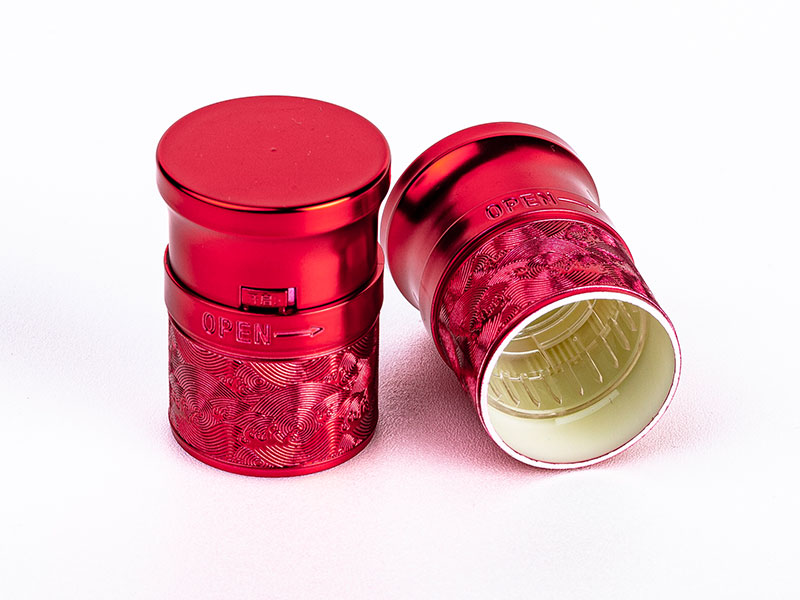
Aluminum soda bottle closures for carbonated beverages are typically manufactured from aluminum alloy sheet or slug material formed into precise closure shapes. They are engineered to match bottle neck finishes and sealing systems that can withstand internal CO₂ pressure while maintaining ease of opening and reclosure where required.
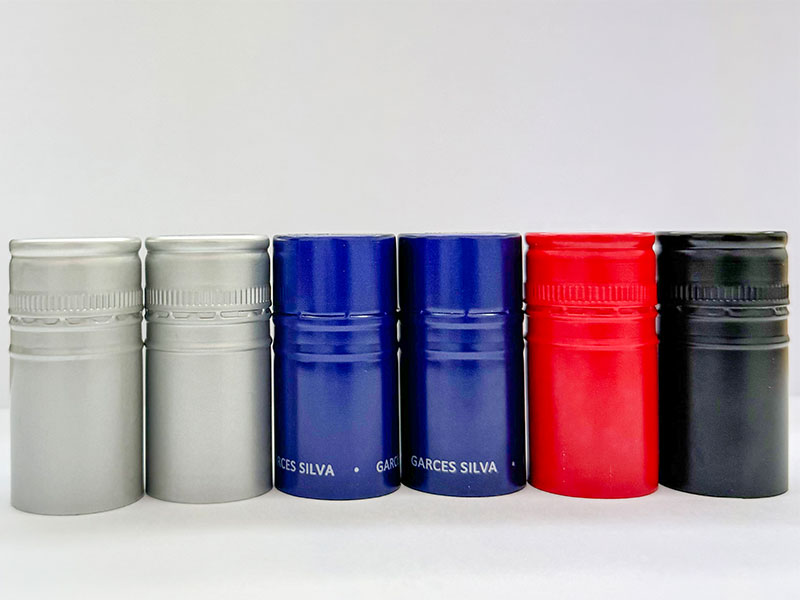
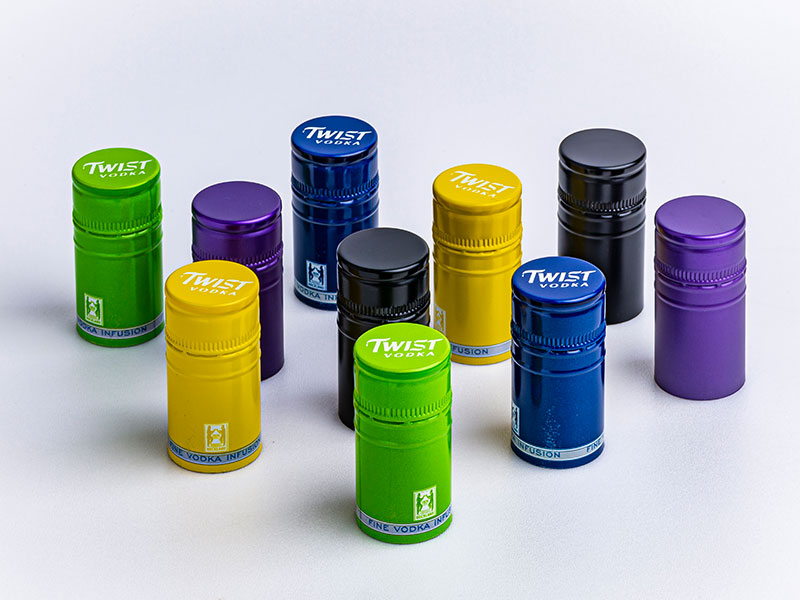
A secure-seal closure usually combines the aluminum shell with an internal liner or sealing compound. This integrated structure helps prevent gas loss, preserve beverage freshness, and reduce the risk of leakage during storage, transport, and handling. The outer surface can also be decorated with printing, embossing, color coating, or branding features to support product differentiation in retail environments.
Features
| Feature | Description | Customer Benefit |
|---|---|---|
| Secure gas retention | Designed to maintain seal integrity under internal pressure from carbonated beverages | Helps preserve fizz, taste, and product quality |
| Excellent sealing performance | Compatible with liners and sealing systems for tight bottle-neck engagement | Minimizes leakage and carbonation loss |
| Lightweight construction | Aluminum offers high strength at low weight | Supports logistics efficiency and user convenience |
| Corrosion resistance | Naturally forms a protective oxide layer and can be further coated | Suitable for humid filling and storage conditions |
| Premium appearance | Smooth metallic finish with easy decoration options | Enhances shelf appeal and brand recognition |
| Recyclability | Aluminum is highly recyclable with strong material recovery value | Supports sustainability goals |
| Process compatibility | Suitable for high-speed bottling and capping lines | Improves operational efficiency |
| Tamper-evident design options | Can include pilfer-proof bands or break features | Increases consumer trust and product safety |
Typical Aluminum Alloy Options
Different closure designs may use different alloys depending on forming method, strength target, and decorative requirements. Common alloy families for bottle closures include 3xxx and 5xxx series materials, especially where formability and corrosion resistance are important.
| Alloy | Main Characteristics | Typical Use in Closures |
|---|---|---|
| AA3105 | Good formability, corrosion resistance, and coating compatibility | Drawn and formed closure shells |
| AA3004 | Higher strength than some standard 3xxx alloys, good processing behavior | Pressure-resistant beverage closure components |
| AA5052 | Strong corrosion resistance and moderate strength | Specialty closures requiring added durability |
| AA8011 | Widely used in packaging, good workability and surface quality | Caps and closure-related packaging applications |
Typical Chemical Composition
The exact composition depends on the selected alloy and supplier specification. The table below shows representative ranges for commonly used aluminum alloys in beverage closure applications.
| Alloy | Si (%) | Fe (%) | Cu (%) | Mn (%) | Mg (%) | Zn (%) | Cr (%) | Al (%) |
|---|---|---|---|---|---|---|---|---|
| AA3105 | 0.60 max | 0.70 max | 0.30 max | 0.30–0.80 | 0.20–0.80 | 0.40 max | 0.20 max | Balance |
| AA3004 | 0.30 max | 0.70 max | 0.25 max | 1.00–1.50 | 0.80–1.30 | 0.25 max | - | Balance |
| AA5052 | 0.25 max | 0.40 max | 0.10 max | 0.10 max | 2.20–2.80 | 0.10 max | 0.15–0.35 | Balance |
| AA8011 | 0.50–0.90 | 0.60–1.00 | 0.10 max | 0.20 max | 0.05 max | 0.10 max | - | Balance |
Technical Specifications
Closure dimensions and performance values vary according to bottle neck standard, beverage pressure, liner design, and customer filling conditions. The following table presents typical technical parameters for aluminum soda bottle closures.
| Parameter | Typical Range / Option | Notes |
|---|---|---|
| Closure diameter | 28 mm, 30 mm, 38 mm, custom | Based on bottle finish |
| Height | 12–18 mm | Depends on closure style |
| Aluminum thickness | 0.18–0.30 mm | Selected for strength and forming stability |
| Internal liner | EPE, PVC-free liner, sealing compound, custom | Critical for gas retention |
| Pressure resistance | Suitable for carbonated beverage internal pressure conditions | Confirmed by application testing |
| Surface finish | Plain, colored, printed, embossed, matte, gloss | Supports branding needs |
| Tamper evidence | Optional pilfer band or tear feature | Improves product security |
| Opening type | Twist-off, screw cap, ROPP-style, custom | Chosen by bottle and market preference |
| Coating system | Food-grade internal lacquer, external decorative coating | Enhances corrosion resistance and appearance |
| Operating line compatibility | High-speed capping lines | Important for beverage manufacturers |
Performance Advantages for Carbonated Beverages
Carbonated drinks place greater demands on a closure than still beverages. Internal pressure can fluctuate during filling, warehousing, transportation, and temperature change. A secure aluminum closure must maintain compression against the bottle finish while resisting deformation and preserving liner performance.
| Performance Area | Aluminum Closure Advantage | Result |
|---|---|---|
| CO₂ retention | Tight dimensional control and strong shell structure | Longer fizz retention |
| Leak prevention | Reliable thread engagement and liner compression | Reduced product loss |
| Pressure handling | Good balance of strength and formability | Stable performance in sparkling drinks |
| Flavor protection | Effective barrier with proper liner system | Better sensory consistency |
| Hygiene | Clean metallic surface with food-grade coatings | Safer beverage packaging |
| Brand image | Premium metallic look and customizable finish | Stronger retail presentation |
Another important advantage is closure consistency. In modern beverage filling plants, even a small variation in cap dimensions can affect torque control, seal integrity, and line speed. Aluminum closures are valued for stable forming quality, making them suitable for automated production environments that demand repeatable performance.
Surface Treatment and Decoration
For beverage packaging, appearance matters almost as much as functionality. Aluminum closures can be finished in a wide range of styles while retaining food-contact safety and environmental durability.
| Decoration / Treatment | Purpose | Common Effect |
|---|---|---|
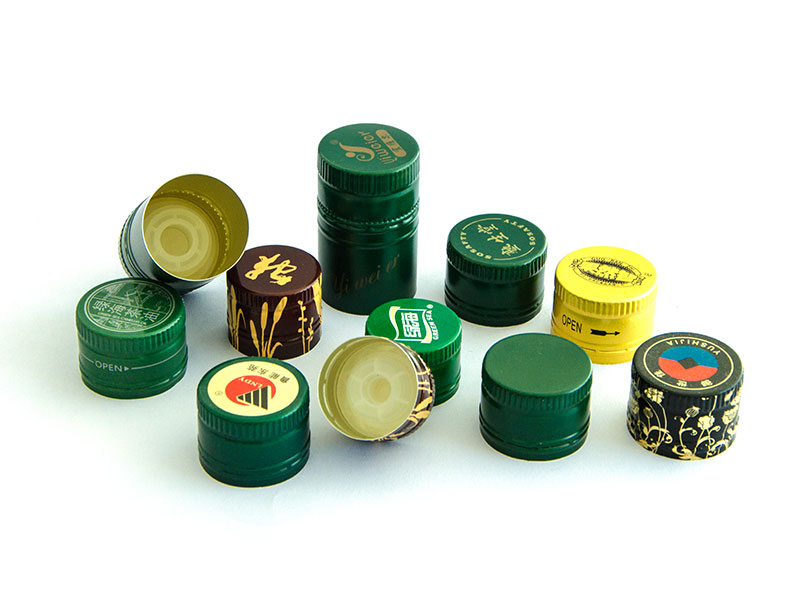
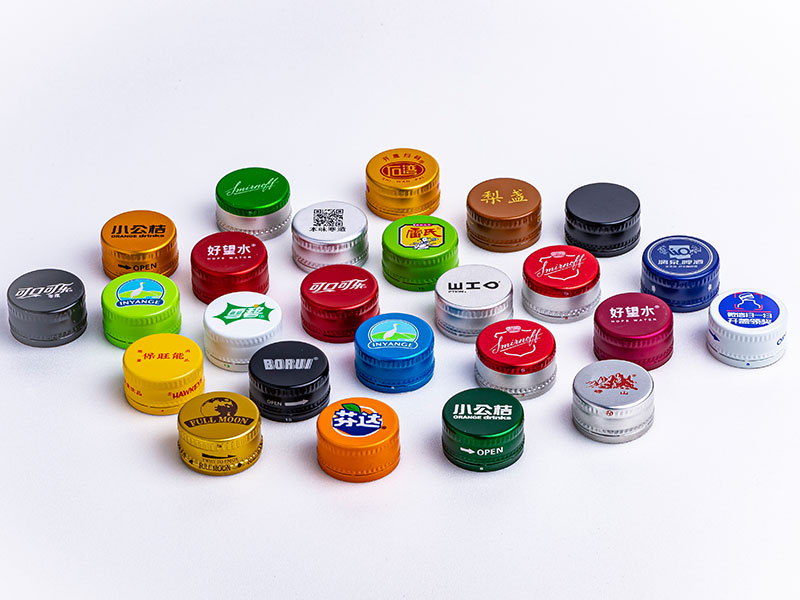
| External color coating | Visual branding and surface protection | Glossy or matte brand colors |
| Lithographic printing | Logo and product identification | High-quality graphics |
| Embossing / debossing | Premium tactile design | Stronger brand distinction |
| Internal lacquer | Protects metal from beverage-related moisture exposure | Improved corrosion performance |
| Shell varnish | Scratch resistance during transport | Better appearance retention |
These options allow beverage producers to align packaging with market positioning, whether the goal is mass-market efficiency, a clean minimalist look, or premium craft-style presentation.
Main Applications
Aluminum soda bottle closures with secure seal are used across a broad range of beverage categories. Their versatility makes them suitable for both large-scale commercial bottling and niche specialty products.
| Application | Packaging Need | Why Aluminum Closures Fit |
|---|---|---|
| Soft drinks | High carbonation retention and reliable opening | Secure seal with attractive branding |
| Sparkling water | Fresh taste preservation and leak resistance | Strong barrier and clean appearance |
| Energy drinks | Shelf impact and high-speed line performance | Durable, decorative, and efficient |
| Flavored carbonated beverages | Flavor protection and product differentiation | Good sealing with custom finishes |
| Cocktail mixers | Premium look and stable storage | Metallic aesthetics with dependable seal |
| Specialty craft sodas | Unique branding and product integrity | Custom decoration and secure reclosure options |
Quality Control and Testing
To ensure dependable field performance, aluminum beverage closures are commonly evaluated through dimensional inspection, coating adhesion checks, torque testing, leakage testing, pressure simulation, and corrosion resistance assessment. Liner compatibility tests are especially important because sealing quality depends on both the metal shell and the internal sealing material working together.
| Test Item | Purpose | Typical Focus |
|---|---|---|
| Dimensional inspection | Confirms closure fit | Diameter, height, thread precision |
| Torque test | Measures application and removal consistency | Consumer usability and seal reliability |
| Leak test | Detects sealing failures | Liquid and gas tightness |
| Pressure test | Verifies resistance to carbonation-related stress | Safety under internal pressure |
| Coating inspection | Checks surface protection | Adhesion, continuity, food-grade compliance |
| Corrosion test | Evaluates durability in storage conditions | Humidity and condensation resistance |
Why Customers Choose Aluminum Secure-Seal Closures
For beverage companies, the right closure protects product quality, supports production efficiency, and strengthens brand presentation. Aluminum closures deliver this balance well. They are strong yet lightweight, visually premium yet practical, and engineered for the pressure demands of carbonated drinks.
The secure-seal design is especially valuable where carbonation retention and leakage prevention directly affect customer satisfaction. A closure that opens smoothly, reseals effectively when required, and keeps the beverage fresh creates a better end-user experience and reduces packaging-related complaints.