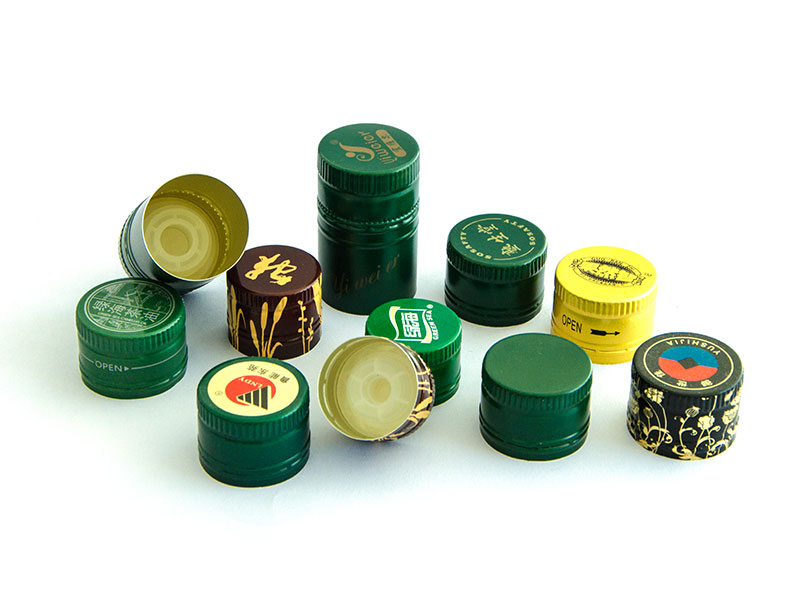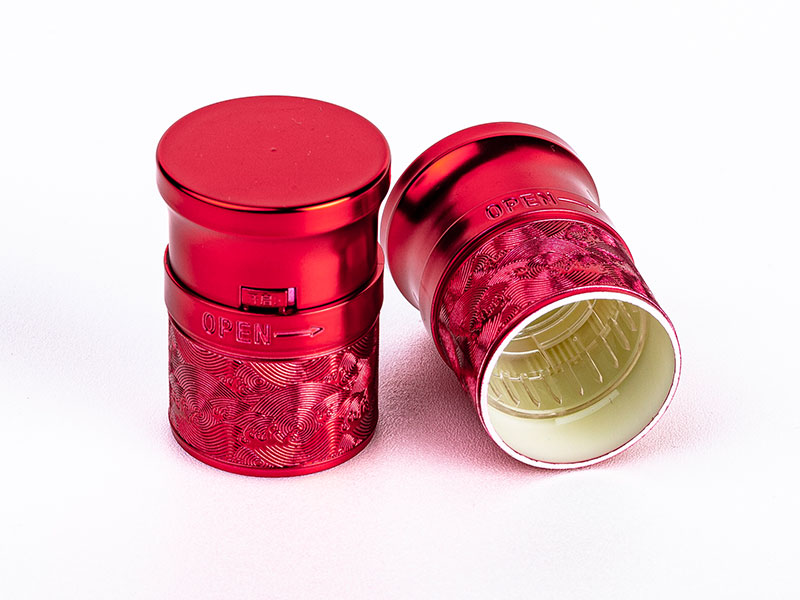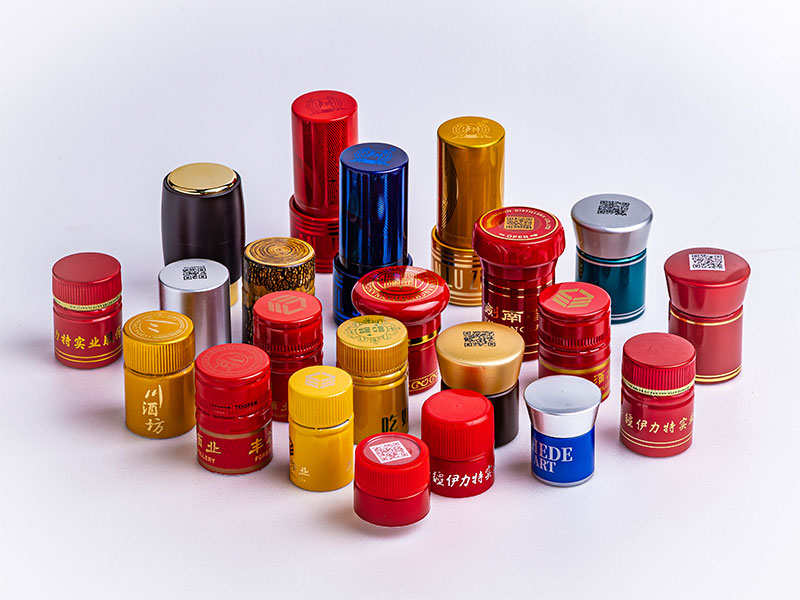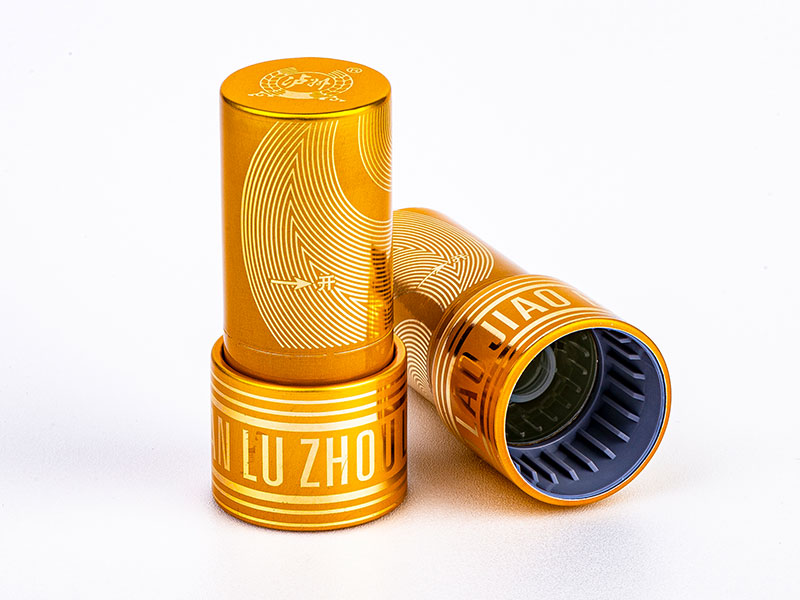


Premium Aluminum Closures for Wine Bottles with Secure Threaded Design
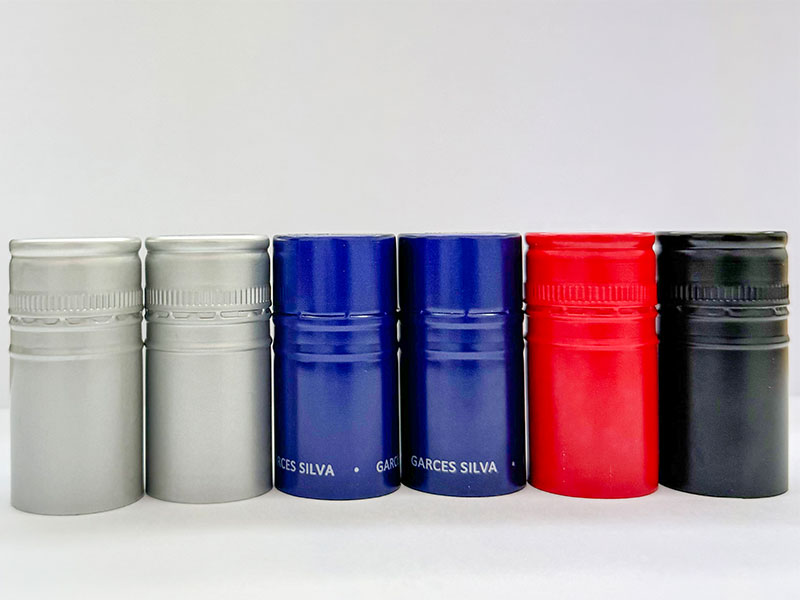
Premium aluminum closures for wine bottles look deceptively simple from the outside: a slim, elegant cap with crisp knurling and a clean skirt. But inside that slender cylinder is a small piece of engineered metallurgy that has to satisfy the demands of chemistry, physics, food safety, branding, and high‑speed automation all at once.
Below is a deep, technically grounded look at threaded aluminum wine closures from a materials and process perspective, rather than just a packaging or marketing angle.
Why the Alloy Matters More Than the Color
Most discussions about wine screw caps revolve around oxygen transmission rates, liner design, or consumer perception. Rarely is the alloy itself given star billing. Yet the specific aluminum alloy and temper state are what allow a closure to:
- Form clean, sharp threads without cracking
- Crimp and roll on automated bottling lines at high speed
- Resist corrosion from acidic wine and sulfur compounds
- Maintain decorative finishes and inks over years of storage
For premium wine closures, non‑heat‑treatable wrought alloys from the 3xxx and 8xxx series are widely preferred, often variants tailored for deep drawing and roll forming. A typical high‑performance choice is an AA3105 or AA8011 composition optimized for:
- Moderate strength
- High elongation
- Excellent formability and earing control during drawing
- Reliable lacquer adhesion and printability
The closure does not simply need to be “strong”; it must be selectively pliable. It has to yield for threading, crimping, and pilfer‑proof band formation, yet stay dimensionally stable in storage and shipment across temperature swings.
If you look at the closure from the point of view of the glass thread itself, the demand is repeatable plastic deformation with elastic recovery in just the right proportion. The aluminum skirt is rolled onto the glass finish:
- It must flow plastically into the glass thread profile under the capping chuck’s torque.
- After deformation, it needs enough elastic “spring‑back” to grip snugly without relaxation.
- It must not fracture or tear at the knurling and tamper‑evident bridge cuts.
This behavior is heavily governed by alloy temper.
Commonly used temper states for wine closures include H14, H16, and H24, often with proprietary intermediate tempers provided by rolling mills. The underlying logic:
- As‑rolled strain‑hardened tempers (H series) provide higher yield strength and stiffness.
- Partial annealing (as in H24) softens the material enough to ensure deep formability.
- Over‑hard tempers increase risk of cracking in the pilfer band and at the thread roots.
An optimized temper window ensures that when the closure is threaded onto the bottle, the aluminum behaves almost like a metal “memory foam”: conforming exactly to the glass while maintaining enough rebound to lock the thread and ensure consistent removal torque over time.
Dimensional Parameters That Define a Premium Threaded Closure
From a glass technologist’s view, the closure must mate perfectly with standardized bottle finishes such as BVS (Bague Vin Screwcap), BVP, or customized winery finishes. That is why dimensional control on the aluminum side is non‑negotiable.
parameters often specified for premium wine closures include:
- Shell thickness: typically between 0.19 and 0.24 mm for standard wine caps, with customized ranges for large‑format bottles.
- Shell height: generally from 25 mm to 60 mm or more, depending on aesthetic and functional requirements.
- Internal thread geometry: designed to match BVS or equivalent standards, with tight tolerances on pitch and depth to avoid cross‑threading or torque variation.
- Pilfer band and bridge design: width, cut depth, and bridge count engineered to give clean, visible tamper evidence with acceptable opening force.
- Knurling profile: standardized height and pattern to support grip, capping chuck engagement, and visual brand consistency.
These geometric constraints are deeply linked to the underlying alloy mechanical properties. A slightly harder alloy allows thinner walls without collapse; a slightly softer temper allows deeper pilfer cuts without fracture.
Implementation Standards: Where Metallurgy Meets Regulation
Premium threaded aluminum closures for wine typically conform to a combination of:
- International aluminum standards (such as EN 573 for chemical composition and EN 485 for mechanical properties and tolerances).
- Food contact and migration regulations (EU Regulation 1935/2004, FDA 21 CFR where applicable).
- Industry‑specific closure standards and recommendations (such as C.E.T.I.E. guidelines for BVS finish and aluminum screw caps).
The coated aluminum strip used for closures is usually ordered with:
- Certified composition according to AA/EN designations (for example AA8011A, AA3105).
- Mechanical properties per coil: yield strength, tensile strength, elongation tested longitudinally and often transversely.
- Surface characteristics: roughness, cleanliness, and conversion coating quality for paint and lacquer adhesion.
- Food‑grade internal lacquers and external coatings that withstand sterilization and filling conditions.
For wineries, the result is a closure that not only seals and protects wine, but also aligns with regulatory expectations on traceability, recyclability, and consumer safety.
Alloy Tempering: A Controlled Journey from Ingot to Cap
From an alloy engineer’s perspective, the closure is the endpoint of a long and carefully controlled thermomechanical path:
- Casting: The alloy is cast into slab, with tight control on inclusions and intermetallic dispersion to avoid pinholes and tearing in thin gauges.
- Hot rolling: Slab is hot‑rolled to intermediate gauges where microstructure is homogenized and elongated, preparing for cold reduction.
- Cold rolling: Strip is reduced to final thickness with specific work‑hardening targets. This step largely defines the base temper, strain distribution, and anisotropy (ear formation).
- Intermediate annealing (if needed): Softening treatments release work hardening and adjust mechanical properties for deeper drawing or more complex forming.
- Final tempering: The last cold reduction plus controlled annealing set the exact temper (for example, a modified H24) that balances strength and elongation for capping performance.
The forming of the closure itself—drawing, ironing, threading, knurling, pilfer‑band scoring—is only possible because this temper profile is carefully tuned. Poor control earlier in the chain shows up at the very end as cracked bridges, wrinkled skirts, or inconsistent torque.
Surface Engineering: Invisible Barriers That Protect the Wine
The metal is only half the story. The wine never actually touches bare aluminum in a premium closure. It meets a precisely engineered internal lacquer and sealing liner system.
Internally, a food‑grade epoxy, BPA‑non‑intent, or alternative lacquer:
- Acts as a barrier between wine and metal, preventing corrosion and off‑flavors.
- Provides a stable surface for the liner compound (typically a foam or coextruded polymer disk).
- Must remain intact under deformation as the cap is rolled onto the thread.
Externally, polyester or polyurethane‑based coatings and inks must:
- Adhere strongly to the alloy and conversion layer.
- Resist abrasion and scuffing on bottling lines and in transport.
- Withstand UV exposure and cellar humidity without chalking or color shift.
This requires precise pre‑treatment of the aluminum strip—degreasing, chemical conversion coating, and controlled curing of lacquers. Alloy choice influences adhesion; some compositions give more robust oxide layers and better bonding to organic coatings.
Chemical Composition: A Typical Alloy Profile
To ground the discussion in data, the table below illustrates a typical chemical composition range for a commonly used aluminum closure alloy such as AA8011‑type strip for wine screw caps. Exact values vary by supplier and region, but the pattern is representative.
| Element | Typical Range (wt%) | Functional Role in Closure Performance |
|---|---|---|
| Al | Balance | Base metal; provides lightweight structure and corrosion resistance |
| Si | 0.40 – 0.80 | Contributes to strength and improves casting; influences formability and earing behavior |
| Fe | 0.60 – 1.00 | Strengthening via intermetallics; must be controlled to avoid surface defects in thin strip |
| Cu | ≤ 0.10 | Minimised to improve corrosion resistance in contact with moist, acidic environments |
| Mn | 0.05 – 0.50 | Grain refinement and strengthening; helps control anisotropy and improves deep‑drawing behavior |
| Mg | ≤ 0.10 | Kept low to maintain easy formability and stable temper response |
| Zn | ≤ 0.10 | Typically limited to avoid galvanic interactions and maintain corrosion resistance |
| Ti | ≤ 0.08 | Grain refiner during casting; contributes to uniform microstructure |
| Others (each) | ≤ 0.05 | Impurity control for predictable forming and consistent coating behavior |
| Others (total) | ≤ 0.15 | Overall impurity cap to maintain stable mechanical and surface properties |
A 3xxx‑series alternative such as AA3105 would show elevated Mn and a somewhat different Fe and Si balance, but the same design logic applies: moderate strength, high elongation, controlled earing, and reliable corrosion resistance.
Mechanical Properties: Balancing Strength and Ductility
Premium wine closures sit in an intentionally “moderate” mechanical window. Too soft and the threads relax, torque drops, and denting becomes a problem. Too hard and forming cracks appear.
A representative property set for pre‑coated closure stock in a temper similar to H14–H24 might be:
- Yield strength (Rp0.2): approximately 80 – 140 MPa
- Ultimate tensile strength (Rm): approximately 110 – 180 MPa
- Elongation (A50): typically 8 – 20 %, depending on gauge and exact temper
These values are tuned through the rolling and annealing sequence. The desired outcome is a strip that can be deeply drawn and then locally hardened by forming and capping, giving the final closure both rigidity on the bottle and softness where sealing performance depends on compliance.
Oxygen Management: The Metal’s Indirect but Critical Role
From an oenological perspective, the closure is judged by how it manages oxygen over time. Direct oxygen control largely comes from the liner and capping conditions, not from the metal. However, the aluminum alloy and mechanical design underpin liner performance in subtle ways:
- Uniform thread deformation ensures consistent liner compression around the rim.
- Adequate skirt stiffness prevents relaxation that might reduce seal pressure.
- Stable surface and lacquer chemistry reduce risk of liner adhesion changes over storage.
Thus, while oxygen transmission rates are typically reported by liner type, the alloy and temper quietly ensure that those lab‑measured OTR values are repeatable in real bottling conditions.
Sustainability and Recycling: Metallurgy’s Long View
Aluminum closures align well with circular economy principles because:
- The alloy is fully recyclable without degrading core mechanical properties.
- The closure can travel through established scrap streams, especially when collected together with aluminum cans and other packaging.
- Many closure stock alloys are already produced with a significant portion of recycled content.
From a metallurgical standpoint, the alloy composition ranges are chosen to tolerate realistic levels of post‑consumer scrap without compromising formability or food‑contact performance. This is another reason for the preference for robust 3xxx and 8xxx families: they offer compositional flexibility while still delivering predictable behavior for thin‑gauge, deeply formed products like threaded wine caps.
Viewing the Closure as a Micro‑Engineered Component
When the aluminum wine closure is viewed not as a decorative accessory but as a micro‑engineered component, its design philosophy becomes clearer:
- Alloy composition and tempering define how the metal flows into glass threads and pilfer bands.
- Surface chemistry and coating systems ensure long‑term food safety and branding integrity.
- Mechanical parameters link seamlessly with glass finish standards and capping machine settings.
Every smooth twist of a premium threaded aluminum closure, every clean tear of the pilfer band, and every bottle that arrives intact after months of transport is a quiet confirmation that the metallurgy and engineering behind that small piece of aluminum have been precisely tuned.
For wineries seeking dependable, high‑quality presentation and performance, the alloy and temper beneath the paint is increasingly part of choosing the right premium aluminum closure—one that protects the wine, supports the brand, and performs reliably from bottling line to final pour.