

Custom Aluminum Soda Caps for Bottled Beverages with Branding Options
A bottle cap is a small part of a beverage package, but it does a surprisingly large amount of work. It protects carbonation, blocks contamination, supports filling-line efficiency, and quietly carries the brand message that customers touch before they taste the drink. From this perspective, custom aluminum soda caps are not just closures. They are the first physical handshake between a beverage brand and its audience.
For bottled soft drinks, sparkling water, flavored soda, tonic beverages, and functional carbonated drinks, aluminum caps offer a balance of precision, appearance, and performance that is hard to ignore. They combine clean metallic aesthetics with reliable sealing behavior, while also giving brand owners a flexible surface for color, embossing, printing, and tamper-evident design.
Why aluminum soda caps stand out
The appeal of aluminum starts with its natural characteristics. It is lightweight, corrosion-resistant, easy to form, and highly compatible with high-speed closure manufacturing. Compared with heavier metal options, aluminum helps reduce packaging weight while still delivering the rigidity needed for secure sealing. For beverage producers, that means a cap that looks premium, performs consistently, and can be customized without sacrificing line speed.
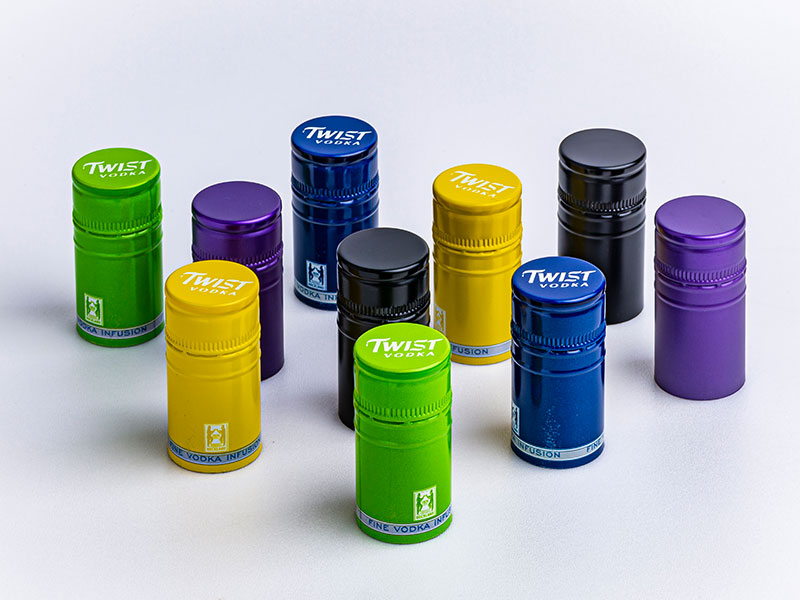
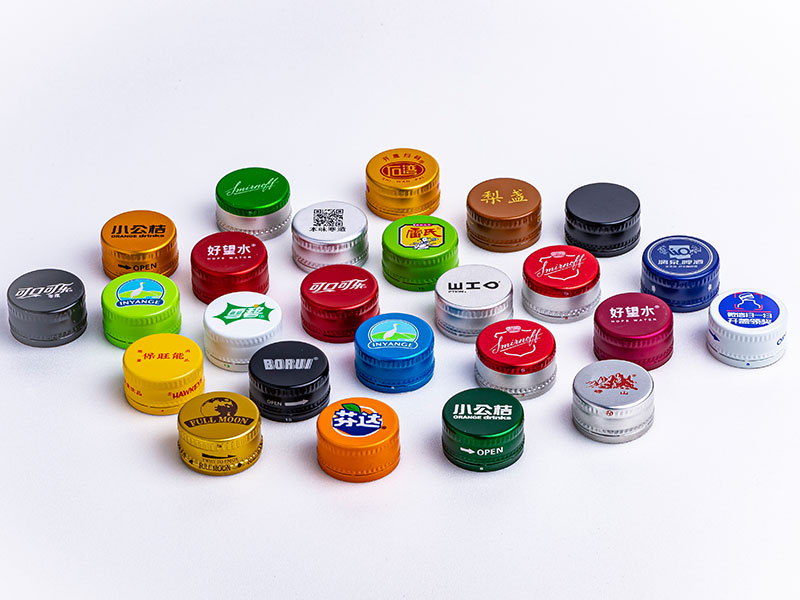
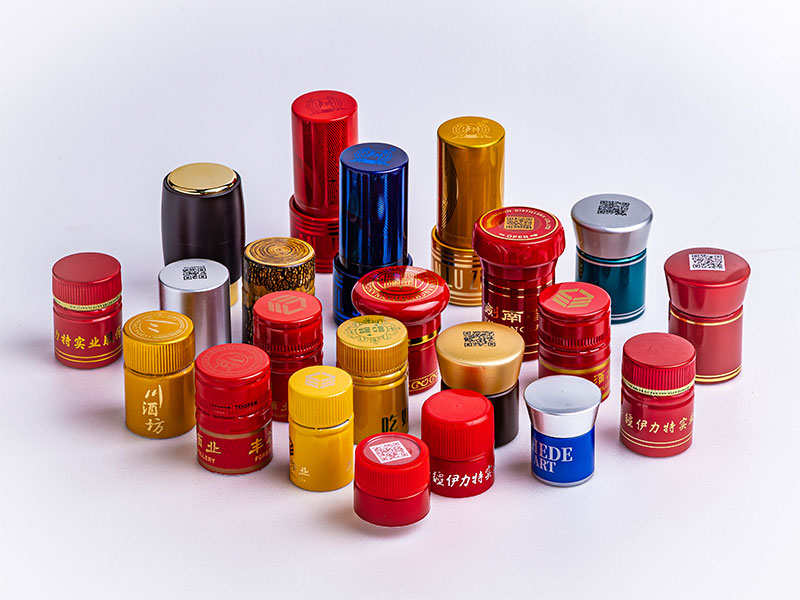
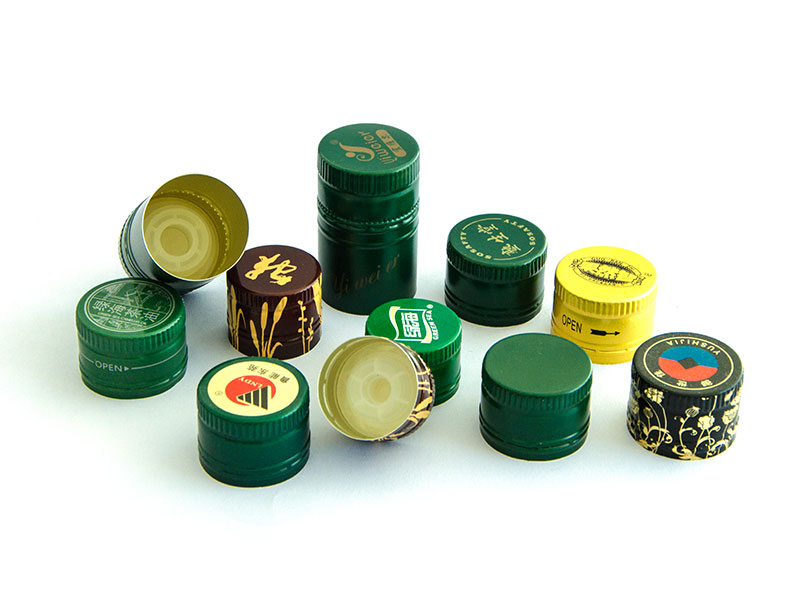
From a branding viewpoint, aluminum has another advantage: it accepts decoration beautifully. Matte finishes, gloss coatings, metallic tones, custom Pantone colors, logo embossing, top printing, side printing, and even specialty effects can be applied with excellent visual clarity. On a shelf crowded with similar bottles, a customized aluminum cap can become a subtle but powerful signature.
A different way to think about cap design
Most buyers evaluate a cap by checking dimensions, liner compatibility, and sealing torque. Those are essential, but the more interesting view is this: a custom aluminum soda cap should be designed as part of the beverage experience.
When a customer picks up a bottle, the cap is often the first point of contact. Its texture communicates quality. Its printed top can reinforce campaign messaging. Its opening feel tells the customer whether the brand values precision. A cap that opens smoothly yet retains sealing integrity suggests care in both engineering and brand presentation.
That is why custom aluminum soda caps are increasingly specified not only by packaging engineers, but also by marketing teams. The closure is no longer treated as a generic consumable. It is a branded micro-surface with technical responsibility.
Common product parameters
For bottled carbonated beverages, cap specifications are usually matched to bottle neck finish, pressure level, filling temperature, and distribution conditions. Typical parameters include:
- Material: aluminum alloy sheet or coil for closure forming
- Common alloys: 8011, 3105, 5052, depending on forming and strength requirements
- Temper: H14, H16, H24, or customized temper condition
- Cap diameter: often 28 mm, 30 mm, 38 mm, and other custom sizes
- Height: customized according to neck design and closure profile
- Internal liner: EPE, PVC-free liner, PE-based sealing wad, or specialized gas-retention liner
- Surface treatment: printed, coated, embossed, anodized-look finish, or protective lacquered finish
- Application: carbonated soft drinks, soda water, energy drinks, sparkling tea, flavored beverages
- Sealing type: pilfer-proof, roll-on, screw cap, or press-formed aluminum closure
- Pressure resistance: designed according to carbonation level and bottle system requirements
- Torque range: customized for capping equipment and consumer opening comfort
In practical production, the cap is never considered alone. Its final performance depends on the interaction among bottle neck tolerance, liner compression, capping head settings, and the internal pressure generated by the beverage.
Alloy and tempering considerations
The choice of alloy affects forming behavior, strength, corrosion resistance, and decoration quality. In aluminum soda caps, 8011 is widely used because it has good formability, stable surface quality, and suitability for closure conversion. 3105 may be selected when a balance of strength and decorative performance is needed. 5052 can be considered where higher strength and corrosion resistance are important, though forming conditions must be controlled carefully.
Temper is equally important. A softer temper can improve drawability and shell forming, while a harder temper can help the cap retain shape during handling and application. The best selection depends on cap geometry, skirt design, thread formation method, and sealing structure.
Here is a simplified reference table for commonly used aluminum alloys in beverage cap production:
| Alloy | Typical Temper | Main Characteristics | Approx. Mg % | Approx. Mn % | Approx. Fe % | Typical Use in Caps |
|---|---|---|---|---|---|---|
| 8011 | H14 / H16 | Excellent formability, good surface finish, suitable for closure shells | 0.05–0.10 | 0.05–0.20 | 0.6–1.0 | General beverage closures |
| 3105 | H14 / H24 | Good strength, good printability, stable shaping performance | 0.2–0.8 | 0.3–0.8 | ≤0.7 | Decorative branded caps |
| 5052 | H32 / H34 | Higher strength, strong corrosion resistance, good durability | 2.2–2.8 | ≤0.10 | ≤0.4 | Specialized closures in demanding conditions |
Chemical properties reference
The exact chemistry may vary by mill standard, application target, and customer agreement, but the table below gives a practical overview of typical chemical composition limits relevant to aluminum closure materials.
| Alloy | Si % | Fe % | Cu % | Mn % | Mg % | Zn % | Cr % | Al % |
|---|---|---|---|---|---|---|---|---|
| 8011 | 0.5–0.9 | 0.6–1.0 | ≤0.1 | ≤0.2 | ≤0.1 | ≤0.1 | - | Balance |
| 3105 | ≤0.6 | ≤0.7 | ≤0.3 | 0.3–0.8 | 0.2–0.8 | ≤0.4 | ≤0.2 | Balance |
| 5052 | ≤0.25 | ≤0.4 | ≤0.1 | ≤0.1 | 2.2–2.8 | ≤0.1 | 0.15–0.35 | Balance |
These values are useful because chemistry influences more than basic strength. It also affects corrosion behavior, forming response, lacquer adhesion, and long-term compatibility with beverage packaging environments.
Implementation standards and quality expectations
Custom aluminum soda caps are usually produced in line with agreed technical drawings, food-contact regulations, and packaging quality standards. Depending on destination market and customer requirements, manufacturers commonly work with standards and control systems such as:
- GB, ASTM, EN, or customer-specific material standards for aluminum sheet
- FDA, EU food-contact compliance, or corresponding regional food packaging regulations
- ISO 9001 quality management systems
- BRCGS or similar hygiene and packaging safety requirements where applicable
- RoHS or REACH-related declarations for restricted substances when requested
In closure manufacturing, implementation standards usually focus on dimensional consistency, coating adhesion, lacquer safety, sealing integrity, torque performance, and sensory cleanliness. Caps for carbonated beverages must also be checked for pressure retention, leakage resistance, and liner stability under transport vibration and temperature variation.
Branding options that go beyond color
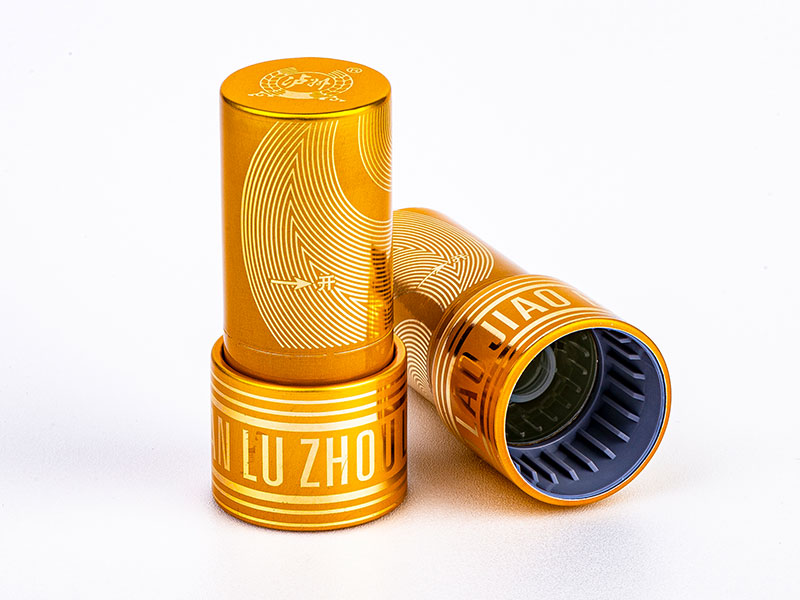
Branding on aluminum soda caps can be surprisingly expressive. The obvious option is top-surface logo printing, but many beverage companies now use the cap as a compact communication channel. Sidewall printing can reinforce product identity. Embossing can create a tactile premium feel. Internal promotional printing can support campaigns or codes. Special finishes such as brushed metal effect, satin varnish, or high-gloss overprint can make a small closure visually memorable.
Because aluminum offers a crisp and refined surface, it works especially well for brands that want to signal purity, energy, modernity, or craft quality. A sparkling beverage with a bright metallic cap often looks fresher even before it is opened.
Performance under real beverage conditions
For soda applications, sealing performance is everything. The cap must tolerate internal CO2 pressure, resist micro-leakage, and maintain appearance even when bottles move through filling, pasteurization-like warm conditions, warehousing, and retail handling. This is why cap design often includes a carefully selected liner system, controlled shell thickness, and application parameters matched to the bottle neck profile.
Important operating conditions include filling temperature, storage humidity, transport shock, and exposure to acidic beverage vapors. If the drink contains fruit acids, flavors, or active ingredients, the internal coating and liner compatibility become even more critical. A well-made aluminum soda cap should not merely close the bottle; it should preserve the beverage exactly as the producer intended.
The quiet value of customization
From far away, all caps can seem similar. Up close, custom aluminum soda caps reveal their real value. They protect product quality, support production efficiency, and turn a technical closure into a branded detail customers can see and feel. In bottled beverages, that combination matters.
A custom aluminum soda cap is, in many ways, a tiny engineered billboard with a sealing function. When alloy selection, temper, coating, liner structure, and branding design are aligned, the result is not only a secure cap but a more complete package identity. For beverage brands looking to is know while maintaining reliable performance, aluminum offers a practical and elegant answer.