

Affordable Aluminum Bottle Caps for Soda with Custom Branding
Soda packaging is often discussed in terms of carbonation, shelf appeal, and line speed. Yet the most decisive moment for a carbonated drink happens at a very small interface: the seal between the bottle finish and the cap liner. From a "pressure-interface" perspective, an aluminum bottle cap is not just a closure-it is a controlled deformation system designed to hold CO₂ in, oxygen out, and brand identity on the outside, all while surviving distribution abuse and high-throughput capping.
Affordable aluminum bottle caps for soda achieve this balance by combining the right alloy temper, tight dimensional standards, compatible liner chemistry, and print coatings that keep custom branding crisp even under condensation, abrasion, and pasteurization-like conditions. When these elements are engineered together, cost efficiency follows naturally: fewer leaks, less scrap, fewer line stops, and consistent shelf performance.
Why Aluminum Caps Stay Cost-Competitive for Carbonated Soft Drinks
Aluminum closures remain a practical choice for soda because they offer a high strength-to-weight ratio, predictable forming behavior, and excellent recyclability. When properly tempered, aluminum provides controlled ductility for thread formation and crimping, while maintaining enough hardness to resist buckle and top-panel distortion during capping torque and internal pressure cycling.
From a procurement view, "affordable" rarely means "lowest price per thousand." It means stable torque retention, low variation in skirt geometry, and reliable liner compression-so the line runs fast and the product ships without pressure loss.
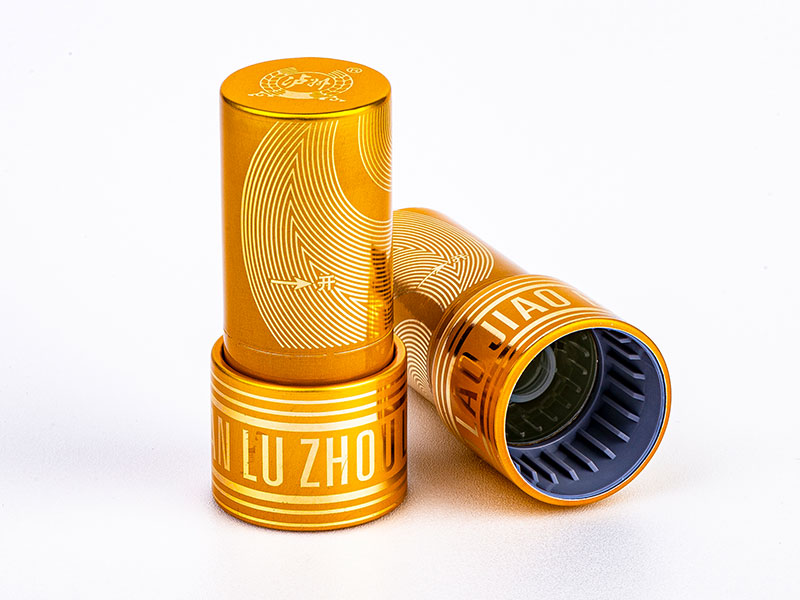
Custom Branding That Holds Up in the Cold Chain and the Cooler Door
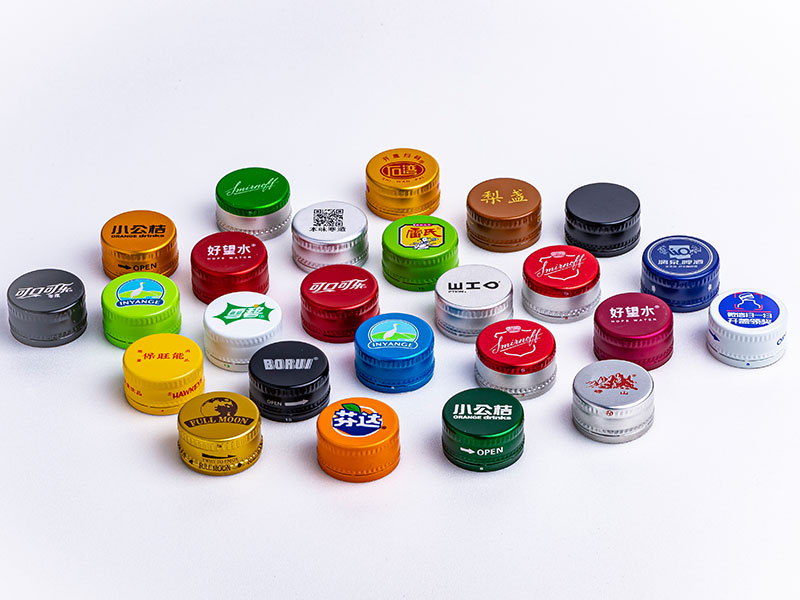
Soda lives in a harsh branding environment: wet hands, ice buckets, metal-on-metal rubbing in trays, and repeated temperature swings that promote condensation. Custom branding on aluminum caps typically relies on a coordinated system:
- A pretreatment layer that improves coating adhesion and corrosion resistance
- A base coat engineered for flexibility during forming
- Decorative inks formulated for abrasion resistance and color stability
- A protective overvarnish to reduce scuffing and maintain gloss
For customers who want premium shelf pop without premium waste, the most overlooked factor is not ink color-it's how the coating stack tolerates cap forming and application. A coating that looks perfect on a flat sheet but micro-cracks on the knurl during forming will fail in the market as "cheap," even if the artwork is beautiful. The best value comes from print systems tuned to the cap's deformation map.
Technical Parameters That Define a Soda-Ready Aluminum Bottle Cap
Soda caps are designed around internal pressure, torque control, and finish compatibility. Typical technical parameters, tailored by bottle type and filling conditions, include:
- Cap type: aluminum screw cap or ROPP-style closure for glass; aluminum screw closures for certain PET designs depending on neck finish
- Nominal diameters commonly used in beverage applications: 28 mm, 30×60 (ROPP), 31.5 mm; other sizes available for regional standards
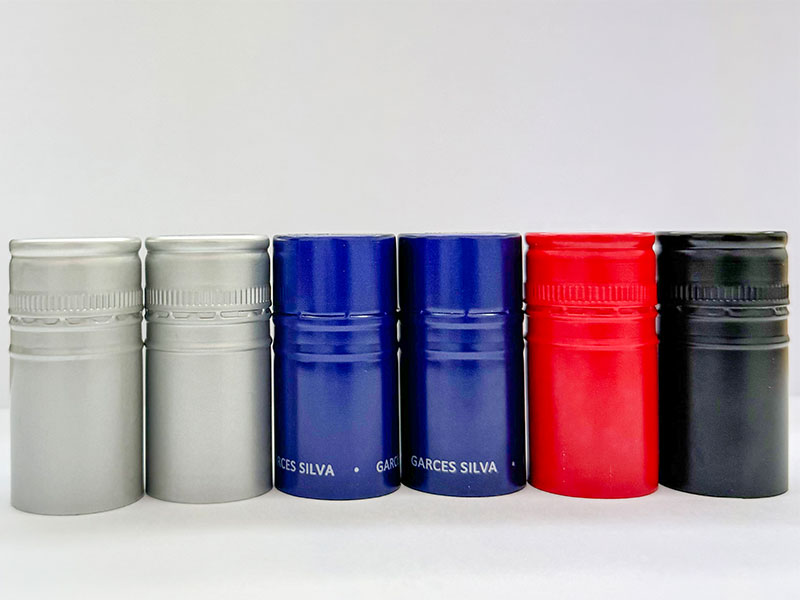
- Skirt geometry: knurled or smooth, with thread profile formed to match the bottle finish
- Liner type: food-grade compressible liner, often PVC-free options such as EPE, TPE, or specialized elastomer compounds depending on carbonation level and pasteurization exposure
- Sealing performance targets: CO₂ retention, oxygen ingress control, leak-free performance under pressure cycling
- Application controls: capping torque window, back-off behavior, and top load resistance tuned to filling line equipment
These are not cosmetic details-they are the mechanical "grammar" that determines whether the cap and bottle speak the same language at 800 to 1,500 bottles per minute.
Implementation Standards and Compliance Considerations
For soda packaging, aluminum bottle caps are typically produced and validated under widely accepted quality and food-contact frameworks. Common implementation expectations include:
- Quality management aligned with ISO 9001 for manufacturing consistency
- Food contact compliance aligned with applicable regulations in the destination market, such as FDA 21 CFR for relevant coating components in the United States and EU Framework Regulation (EC) No 1935/2004 for the European market, along with Good Manufacturing Practice requirements such as (EC) No 2023/2006
- Migration and organoleptic neutrality testing for coatings and liners to ensure no off-taste transfer
- Internal specifications for torque retention, vacuum/pressure leak testing, and coating adhesion
In practice, "standard compliance" only becomes meaningful when it is translated into line-relevant KPIs: torque curves, leak rates, and decoration durability after handling simulation.
Alloy Selection and Tempering: Controlling Deformation to Control Pressure
A soda cap must deform in the right places and remain stable elsewhere. That is why alloy and temper selection is central to both performance and affordability.
Common alloys for aluminum bottle caps include AA 8011 and AA 3105 (with variations depending on forming method, supplier ecosystem, and required mechanical properties). These alloys are favored because they combine formability with adequate strength and are well-established in closure manufacturing.
Temper conditions frequently used include H14, H16, and H18, chosen based on the closure design, forming severity, thread geometry, and desired buckle resistance. In general terms:
- Lower hardness tempers improve formability and reduce cracking risk during deep drawing and thread forming
- Higher hardness tempers improve buckle resistance and torque stability but require tighter forming control
A practical "distinctive viewpoint" is to treat temper as a tuning dial for energy absorption during capping. If the cap is too soft, it may relax and lose torque; too hard, and it may fail at the knurl or distort the sealing land. The best affordability is achieved by selecting a temper that minimizes process variability-not merely maximizing strength.
Typical Material and Condition Parameters for Aluminum Cap Stock
Below are commonly specified ranges used in closure stock for beverage caps. Actual targets should be confirmed against the cap design, forming method, and customer line conditions.
- Thickness: typically 0.20–0.28 mm for many beverage closure applications; specialized designs may vary
- Width/coil ID: per press and conversion requirements
- Surface finish: controlled for coating adhesion and print quality, often with lubricated or pretreated surfaces
- Flatness and camber: controlled to reduce feeding issues and forming defects
- Coating compatibility: base metal cleanliness and surface energy managed for consistent lacquer performance
Chemical Properties Table: Typical Composition Ranges for Closure Alloys
The following table summarizes typical chemical composition limits used in aluminum alloys commonly applied to closure stock. Values are representative ranges based on common industry specifications; exact limits vary by standard and supplier.
| Alloy | Si (%) | Fe (%) | Cu (%) | Mn (%) | Mg (%) | Zn (%) | Ti (%) | Al (%) |
|---|---|---|---|---|---|---|---|---|
| AA 8011 | 0.50–0.90 | 0.60–1.00 | ≤0.10 | ≤0.20 | ≤0.05 | ≤0.10 | ≤0.08 | Balance |
| AA 3105 | ≤0.60 | ≤0.70 | ≤0.30 | 0.30–0.80 | 0.20–0.80 | ≤0.40 | ≤0.10 | Balance |
Why this matters for soda caps: Fe and Si levels influence strength and formability through intermetallic formation, while Mg and Mn contribute to work-hardening response and stability. The goal is not simply "strong metal," but metal that forms predictably and maintains sealing geometry after application.
Performance Criteria That Drive Real-World Value
When selecting affordable aluminum bottle caps for soda with custom branding, the most meaningful performance checks are the ones that mirror real use:
- Torque application consistency and retention after thermal cycling
- Pressure resistance without paneling, buckling, or skirt distortion
- Liner compression set behavior under carbonation pressure
- CO₂ loss rate and leak performance after vibration and drop simulation
- Coating adhesion and abrasion resistance in wet handling
- Print registration stability after forming and during high-speed cap feeding
Affordability improves when these tests are passed with margin, because the closure becomes a stabilizing component rather than a variable.
Customization Options That Support Brand and Production Efficiency
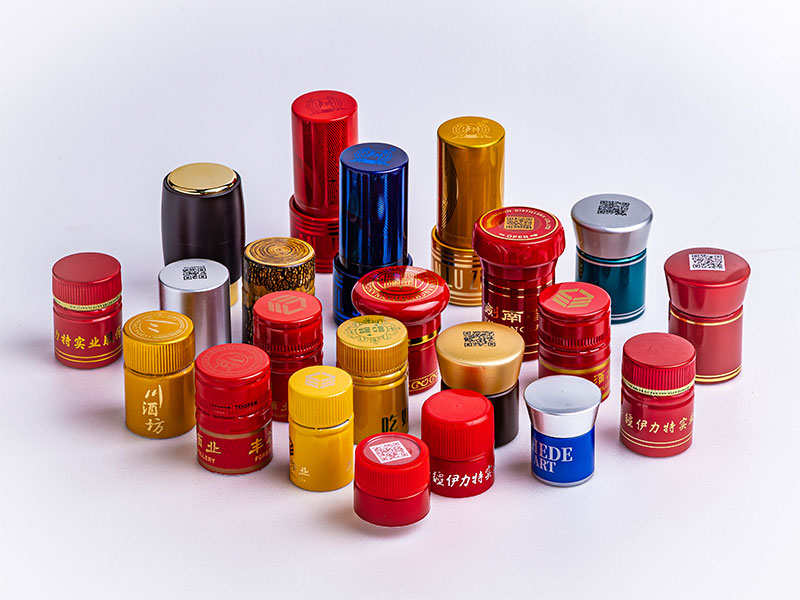
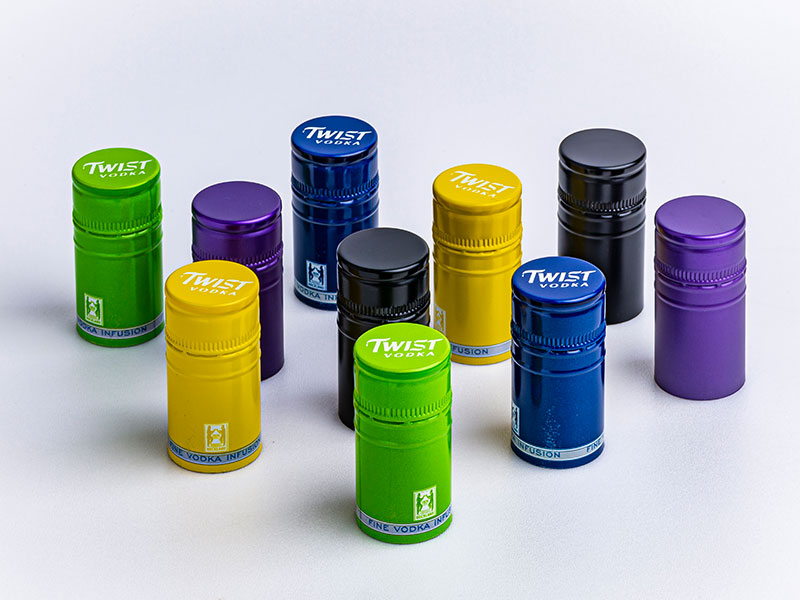
Custom branding on aluminum bottle caps can go far beyond a logo. Common high-impact options include:
- Multi-color printing with matte, gloss, or soft-touch varnish effects
- Spot varnish to highlight brand elements without increasing ink load
- Embossing or debossing for tactile differentiation
- Laser marking compatibility for traceability and anti-counterfeit strategies
- Color-matched knurl and top-panel styling to align with label identity
A cost-smart branding approach is to design artwork with forming in mind. High-density ink coverage placed on high-strain regions can crack or haze. Moving critical microtext or fine lines toward lower-strain areas often improves yield with zero increase in material cost.
The Bottom Line: Affordable Doesn't Mean Basic
Affordable aluminum bottle caps for soda succeed when they are engineered as a pressure-management interface: alloy chemistry and temper selected for controlled deformation, dimensions held to tight standards for line efficiency, liners chosen for carbonation retention, and custom branding built on a coating system that survives forming and real-world handling.
https://www.bottle-cap-lids.com/a/affordable-aluminum-bottle-caps-for-soda-with-custom-branding.html