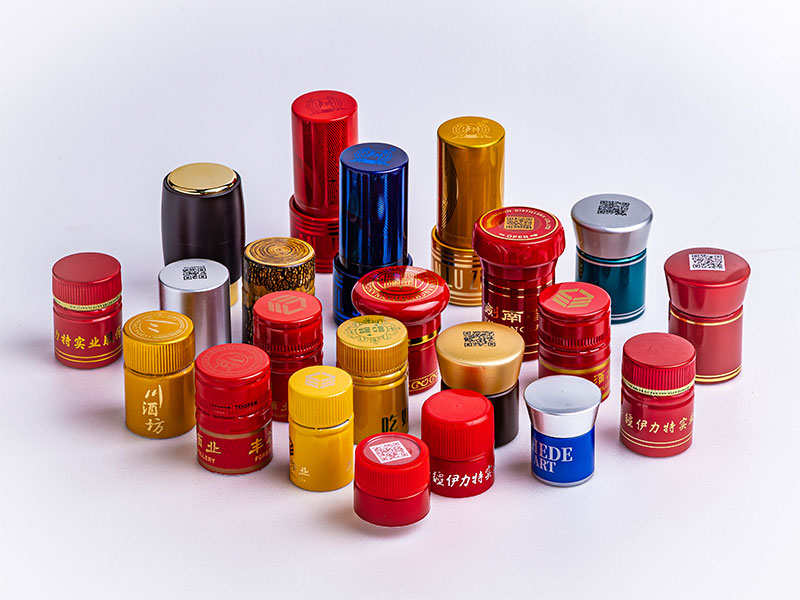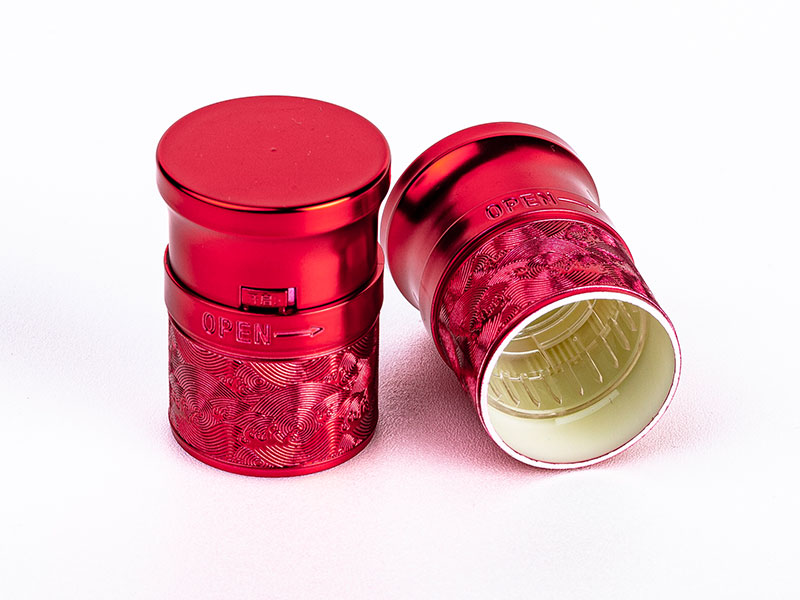


Aluminum Soda Bottle Closures for High Pressure Sealing of Soft Drinks
In the world of soft drinks, the spotlight usually falls on flavor, branding, and bottle shape. Yet the true guardian of fizz lives at the very top: the aluminum soda bottle closure. For carbonated beverages, a closure is not simply a cap-it is a compact pressure vessel component that must seal reliably against CO₂, survive filling-line torque, resist acidic attack, and still open with a satisfying, controlled release.
Seeing the Closure as a Pressure System, Not a Commodity
Carbonated soft drinks create internal pressure that changes with temperature and agitation. A closure that performs perfectly at room temperature can fail when a pallet warms in transit or when bottles are shaken. In practice, high-pressure sealing means managing three things simultaneously:
- Containment of CO₂ under elevated internal pressure without micro-leakage
- Mechanical stability so the cap does not relax, creep, or lose clamp load over time
- Chemical endurance against low pH beverages, flavor oils, and humid storage conditions
Aluminum excels here because it offers high formability for precision threads, stable mechanical behavior when properly tempered, and excellent corrosion resistance when paired with appropriate coatings and liners.
Typical Performance Parameters for High-Pressure Soft Drink Sealing
While the exact targets vary by bottle finish and brand requirements, high-pressure carbonated beverages commonly demand closure performance in the following ranges:
- Internal pressure tolerance: typically designed to retain seal integrity around 0.4–0.8 MPa at 20–25°C, with higher short-term allowances depending on safety factors and bottle design
- Application torque window: usually controlled within a narrow band to ensure adequate sealing force without inducing thread damage or bottle neck distortion
- Removal torque retention: balanced to prevent back-off during distribution while remaining consumer-friendly at opening
- Top-load and panel strength: closure shell must resist deformation during capping and stacking
- Leak performance: validated through pressure hold tests, hot-fill/thermal cycling where applicable, and drop/vibration simulations
A engineering insight is that sealing is rarely "just liner compression." In aluminum soda bottle closures, the cap's elastic recovery and the stability of the formed skirt threads strongly influence how long the liner stays compressed under pressure and temperature changes.
Implementation Standards and Quality Expectations in Beverage Closures
High-pressure carbonated packaging typically aligns with globally recognized approaches and audit frameworks. Depending on region and customer specification, aluminum bottle cap manufacturing and beverage closure qualification often reference:
- ISO 9001 quality management systems for consistent production control
- Food-contact compliance frameworks such as EU food contact requirements and US FDA applicable regulations for coatings/liners used in beverage closures
- Packaging migration and sensory standards to avoid taste/odor transfer
- Internal beverage company closure protocols that include torque audits, carbonation retention testing, environmental conditioning, and line-speed validation
Even when the cap itself is dimensionally perfect, beverage brands often treat liner compound selection, coating integrity, and manufacturing cleanliness as primary gates for approval, because those factors dominate long-term flavor protection and sealing stability.
Alloy and Temper: Why Closure Strength is a "Controlled Flex," Not Just Hardness
A high-pressure aluminum soda bottle closure must be strong enough to resist skirt expansion and thread slippage, yet ductile enough to form crisp threads without cracking and to maintain stable sealing force. This is why temper selection is not simply about maximizing tensile strength.
Common closure alloys are based on aluminum-magnesium or aluminum-manganese systems used widely in packaging. Depending on cap design and forming method, typical choices include AA 5052, AA 5182, and in some cases AA 3004/3105 families for specific forming characteristics.
Temper conditions often used for closures include:
- H14 / H16 / H18 (strain-hardened tempers): provide a practical balance of strength and formability for drawn and formed shells
- H19 (higher hardening): sometimes used when higher rigidity is required, though formability margins must be carefully controlled
- H24 (strain-hardened and partially annealed): selected when additional ductility is needed for complex forming while maintaining strength
From a sealing standpoint, the sweet spot is frequently a temper that preserves enough stiffness to prevent relaxation while still allowing precise thread forming and consistent curl geometry around the liner area.
Distinctive Viewpoint: The Cap as a "Clamp Load Battery"
Think of the closure like a battery storing clamp load. During capping, torque is converted into skirt tension and thread engagement, which compresses the liner. Over time, some of that stored load can fade through:
- micro-settlement between threads
- liner compression set
- thermal cycling that expands/contracts the bottle finish and cap at different rates
- vibration during transport causing minute rotational back-off
Choosing the right aluminum temper reduces the cap's tendency to "give up" clamp load. Meanwhile, the liner compound and cap geometry act like the battery's "chemistry," determining how steadily the clamp load is delivered across the product's shelf life.
Liner Systems and Coatings: Where Chemistry Meets Carbonation
For soft drinks, closures often use sealing liners such as:
- EPE or foamed polyethylene-based liners for reliable compression recovery
- TPE-based sealing systems designed for consistent torque performance and low taste transfer
- Multi-layer liners engineered for improved gas barrier and compression set resistance
Because carbonated beverages are typically acidic, internal cap coatings are chosen to prevent corrosion and avoid flavor interactions. Modern systems emphasize low-migration formulations and robust adhesion to aluminum.
Manufacturing Controls for Aluminum Soda Bottle Closures
High-pressure sealing is strongly influenced by manufacturing precision, not just material selection. Important controls include:
- Shell forming quality to prevent micro-cracks at the skirt radius and thread roots
- Thread profile consistency to achieve uniform torque and prevent localized stress
- Coating thickness and cure control to ensure corrosion resistance and food-contact safety
- Liner insertion accuracy and bonding integrity to prevent liner shift during capping
- Dimensional inspection focusing on critical sealing land geometry and skirt roundness
In practice, a cap that looks visually identical can seal very differently if skirt roundness, coating cure, or liner compression behavior varies outside a tight window.
Typical Mechanical Properties by Alloy/Temper for Closure Applications
The following reference ranges are commonly associated with packaging-grade aluminum alloys used in closures. Actual values depend on supplier, gauge, and processing conditions, and should be verified against mill certificates and customer specifications.
| Alloy (AA) | Common Temper for Closures | Typical Tensile Strength (MPa) | Typical Yield Strength (MPa) | Typical Elongation (%) | Practical Closure Benefit |
|---|---|---|---|---|---|
| 5052 | H14 / H16 | 200–260 | 150–220 | 6–12 | Excellent corrosion resistance and formability balance |
| 5182 | H19 / H48 variants used in packaging | 280–340 | 240–300 | 4–10 | Higher strength helps resist skirt expansion under pressure |
| 3004 | H19 / H24 | 240–310 | 200–270 | 4–12 | Good formability and strength; widely used in packaging stock |
| 3105 | H14 / H16 | 170–230 | 140–200 | 6–14 | Stable forming behavior; suited for certain cap designs |
Note: For closure shells, manufacturers often prioritize repeatability under high-speed forming and torque consistency over peak strength alone.
Chemical Composition Table for Typical Closure Alloys
Below are representative chemical composition limits for commonly used aluminum alloys in packaging and closure-related applications. Exact limits can vary slightly by standard edition.
| Alloy (AA) | Si (%) | Fe (%) | Cu (%) | Mn (%) | Mg (%) | Cr (%) | Zn (%) | Ti (%) | Al |
|---|---|---|---|---|---|---|---|---|---|
| 5052 | ≤0.25 | ≤0.40 | ≤0.10 | ≤0.10 | 2.2–2.8 | 0.15–0.35 | ≤0.10 | ≤0.10 | Balance |
| 5182 | ≤0.20 | ≤0.35 | ≤0.15 | 0.20–0.50 | 4.0–5.0 | ≤0.10 | ≤0.25 | ≤0.10 | Balance |
| 3004 | ≤0.30 | ≤0.70 | ≤0.25 | 1.0–1.5 | 0.8–1.3 | - | ≤0.25 | ≤0.10 | Balance |
| 3105 | ≤0.60 | ≤0.70 | ≤0.30 | 0.3–0.8 | 0.2–0.8 | 0.05–0.20 | ≤0.40 | ≤0.10 | Balance |
From a closure designer's perspective, magnesium is not "just an alloying element"-it is a lever for strength and work-hardening behavior that influences how well the skirt holds threads under sustained internal pressure.
Why Aluminum Closures Excel for Carbonated Soft Drinks
Aluminum soda bottle closures are widely preferred for high-pressure sealing because they deliver:
- Dimensional precision for stable thread engagement at high line speeds
- Reliable strength-to-formability balance through controlled tempering
- Corrosion resistance supported by proven coatings for acidic beverages
- Premium opening experience with predictable torque and controlled venting behavior
- Branding surface quality via printing, anodizing options, and decorative finishes
Selecting the Right Aluminum Bottle Cap for High-Pressure Soft Drinks
A high-performing closure is the result of matching multiple conditions rather than maximizing a single metric. Selection typically aligns the following:
- the bottle finish standard and thread design
- carbonation level and expected temperature exposure in distribution
- liner type targeted for torque retention and gas barrier needs
- alloy/temper chosen for forming reliability and clamp load stability
- coating system validated for beverage chemistry and sensory neutrality
When these factors are tuned together, the aluminum closure becomes an invisible advantage: longer carbonation life, fewer leaks, cleaner line performance, and a premium consumer open.