

Aluminum Bottle Closures for Soda with Tamper Proof Features
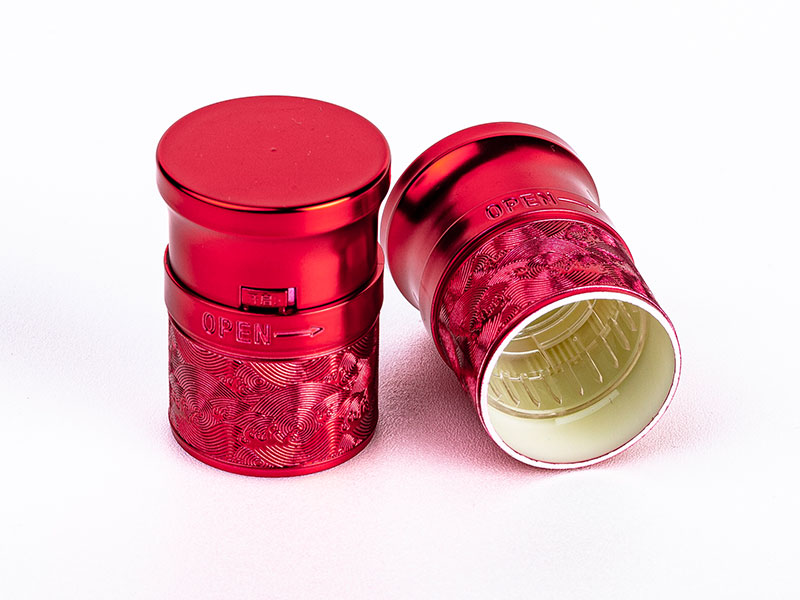
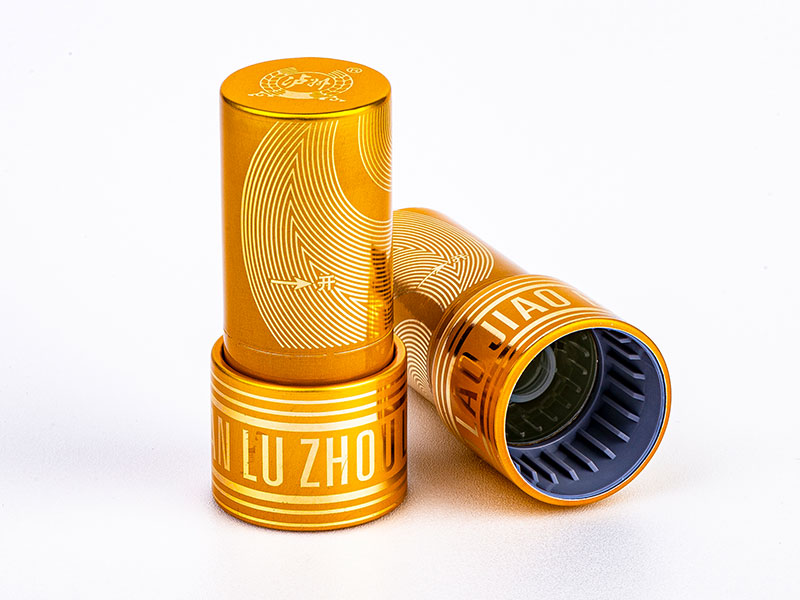
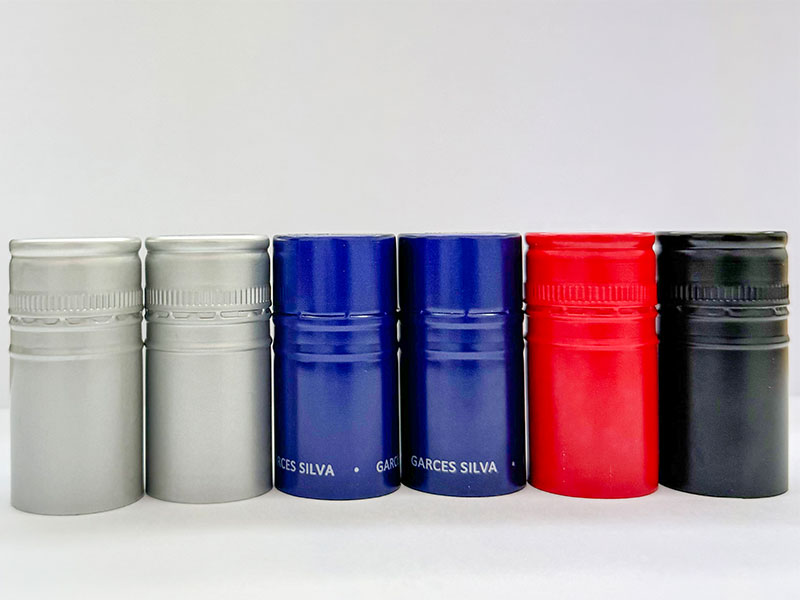
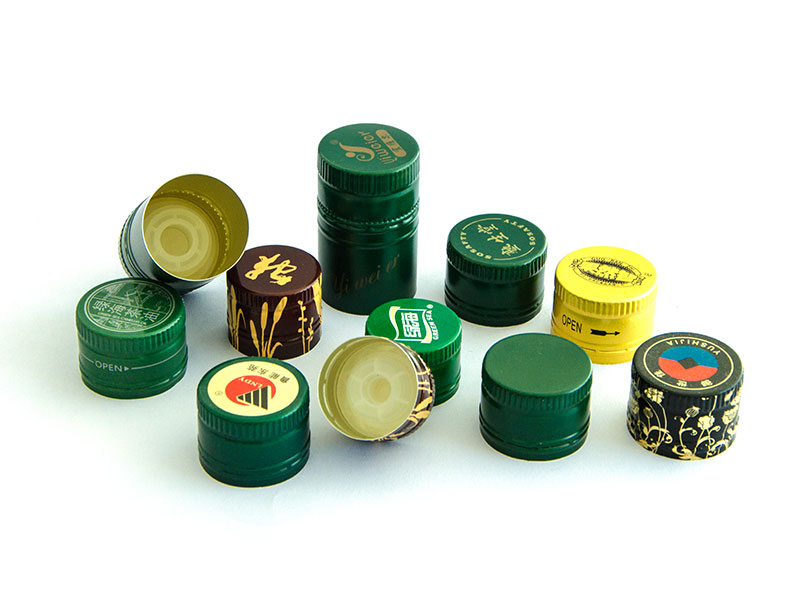
Aluminum bottle closures for soda combine lightweight metal performance, high-speed capping reliability, and tamper-evidence you can trust. Designed for carbonated beverages, these closures protect carbonation, preserve flavor, and provide a clear visual signal if a bottle has been opened or altered. For brand owners, they offer premium shelf appeal and consistent application on modern bottling lines. For consumers, they deliver easy opening, clean pouring, and confidence in product integrity.
What Makes a Soda Closure "Tamper Proof"
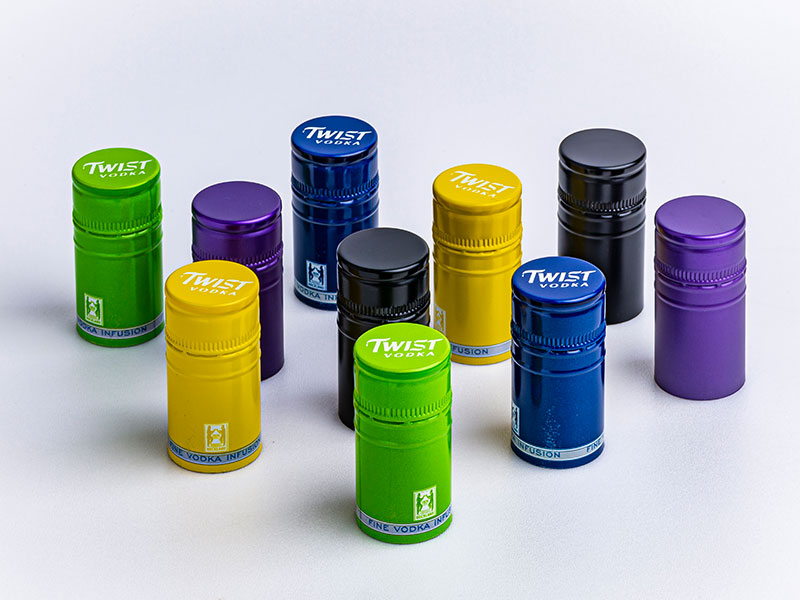
A tamper-proof closure is engineered so that first opening causes irreversible, visible change. In aluminum closures for soda, tamper evidence is commonly achieved through:
- Tamper-evident (TE) band with bridges that break on first twist
- Roll-on pilfer-proof (ROPP) geometry that forms to the bottle finish during capping
- Separation line design that prevents reassembly without visible damage
- Optional heat-shrink sleeve compatibility for extra security on premium packs
These mechanisms are especially important for soda because carbonation pressure and frequent handling demand a closure that stays sealed while still showing clear evidence of opening.
Core Features for Carbonated Beverages
Pressure retention and carbonation protection
Soda closures must maintain a stable seal under internal pressure and temperature swings. Aluminum's formability allows precise thread and skirt geometry, while the liner system provides elastic recovery to handle micro-movement, vibration, and thermal cycling.
Consistent torque and consumer-friendly opening
A well-designed closure balances application torque (secure on line) with removal torque (easy for consumers). Aluminum closures can be manufactured with tight tolerances, supporting repeatable torque behavior across large batches.
Corrosion resistance with beverage-safe coatings
Soda environments can be acidic and humid. Aluminum closures are protected by coatings and controlled alloy selection to resist corrosion, staining, and flavor impact.
High-speed line compatibility
Modern soda lines require closures that feed smoothly, cap reliably, and generate minimal downtime. Aluminum closures are rigid enough for stable feeding and flexible enough to form under roll-on tooling.
Typical Alloy and Chemical Composition
Most aluminum soda closures use AA 8011, AA 3105, or AA 5052-family material selections depending on forming method, strength requirements, and supplier standards. The table below shows a representative composition range frequently used in closure stock (example: AA 8011, widely adopted for caps and pilfer-proof applications).
Note: Final alloy selection depends on closure design, forming process, customer line conditions, and local compliance requirements.
Chemical Composition (Typical for AA 8011 Closure Stock)
| Element | Typical Range (wt%) | Function in Closure Performance |
|---|---|---|
| Al | Balance | Base metal; lightweight, corrosion resistance |
| Fe | 0.6–1.0 | Strengthening; supports form stability |
| Si | 0.5–0.9 | Works with Fe; improves strength/formability balance |
| Mn | 0.0–0.2 | Grain structure control; formability tuning |
| Mg | 0.0–0.1 | Minor strengthening; can aid corrosion behavior |
| Cu | 0.0–0.1 | Strength contribution; controlled for corrosion sensitivity |
| Zn | 0.0–0.1 | Controlled; minimizes coating/corrosion issues |
| Ti | 0.0–0.08 | Grain refinement for consistent forming |
Technical Specifications (Typical Soda Aluminum Closures)
The following values reflect common market ranges for tamper-evident aluminum closures used on carbonated beverages. Exact dimensions are matched to bottle finish standards and customer requirements.
Dimensional and Functional Specifications
| Parameter | Typical Range / Options | Why It Matters for Soda |
|---|---|---|
| Closure diameters | 28 mm, 30 mm, 38 mm (common) | Matches beverage bottle finishes and brand formats |
| Skirt style | ROPP, TE band with breakable bridges | Primary tamper-evidence mechanism |
| Thread / forming | Roll-on formed threads | Secure fit; consistent torque on glass/PET finishes |
| Liner type | EPE, TPE, PVC-free compounds, foam + barrier | Carbonation seal, leakage prevention |
| Liner thickness | 0.8–2.0 mm (typical) | Controls sealing stress and pressure resistance |
| Coating system | Internal lacquer + external varnish/ink base | Corrosion resistance and print adhesion |
| Decoration | Offset print, flexo, digital, embossing | Shelf impact and premium branding |
| Application method | High-speed rotary cappers | Throughput and uptime on beverage lines |
Performance Targets and Numerical Data (Typical)
Closure performance is evaluated through sealing, torque, and durability testing. Targets vary by bottle finish, beverage type, and distribution conditions, but the ranges below are commonly referenced during qualification.
Closure Performance Benchmarks
| Test / Metric | Typical Target Range | Practical Meaning |
|---|---|---|
| Application torque | 12–20 lbf·in (1.4–2.3 N·m) | Tight enough to seal under pressure without over-stressing threads |
| Removal torque (initial) | 8–16 lbf·in (0.9–1.8 N·m) | Consumer-openable while resisting loosening in transit |
| Top load / buckle resistance | Application-specific | Prevents deformation during capping and handling |
| CO₂ retention / leakage | Pass at internal pressure typical of soda | Maintains carbonation and prevents seepage |
| Vacuum/pressure cycling | Pass after thermal cycling | Survives cold fill, warm warehousing, and distribution |
| Salt spray / humidity resistance | Coating-dependent | Protects appearance and integrity in wet environments |
Tamper-Evident Design Options
Different soda brands prioritize different opening experiences and security cues. Aluminum allows a wide range of TE designs without sacrificing line efficiency.
- Bridge-count tuning
More bridges can increase resistance to accidental breakage, while fewer bridges can make first opening feel lighter and more premium. - Band geometry optimization
Skirt height, knurling, and band thickness can be adjusted to improve grip and prevent band "spin." - Visual security cues
Printed alignment marks, microtext, embossing, and matte/gloss contrast help consumers instantly identify first-open status.
Liner and Sealing System Choices
For soda, the liner is the real workhorse. A premium aluminum shell paired with an unsuitable liner can lead to CO₂ loss, sticky leakage, or inconsistent torque. Common liner approaches include:
- EPE foam liners for general carbonation sealing with good resilience
- TPE-based liners for improved elastic recovery and PVC-free compliance goals
- Barrier-enhanced liners where flavor retention or extended distribution is critical
Liner selection should consider beverage acidity, storage temperature, and whether the package sees long transport routes.
Applications: Where These Closures Fit Best
Aluminum tamper-proof soda closures are versatile and appear across many carbonated beverage categories:
| Application Segment | Why Aluminum TE Closures Are Chosen |
|---|---|
| Classic carbonated soft drinks | Reliable pressure sealing, high-speed capping, familiar open feel |
| Flavored sparkling waters | Premium decoration and brand differentiation |
| Energy drinks in specialty bottles | Strong shelf presence and tamper clarity |
| Craft soda and small-batch beverages | Premium look, shorter MOQ decoration options |
| Glass bottle soda for horeca | Excellent aesthetics, stable performance in chilled service |
| Export-focused beverage brands | Robust sealing and clear tamper evidence for long distribution |
Quality Controls Customers Should Expect
A dependable supplier typically supports closures with:
- Incoming alloy and coating verification
- Inline dimensional checks for skirt, thread profile, and TE band integrity
- Torque and leakage sampling on representative bottle finishes
- Coating adhesion and corrosion screening
- Print rub resistance and color consistency tests for decorated caps
These controls reduce line stops, minimize leakage claims, and keep brand presentation consistent from pallet to shelf.
Aluminum bottle closures with tamper-proof features deliver a balanced package of security, carbonation protection, production efficiency, and premium branding. With the right alloy, coating system, and liner design, they perform reliably under the realities of soda packaging: pressure, temperature cycling, fast filling lines, and demanding consumers.
https://www.bottle-cap-lids.com/a/aluminum-bottle-closures-for-soda-with-tamper-proof-features.html