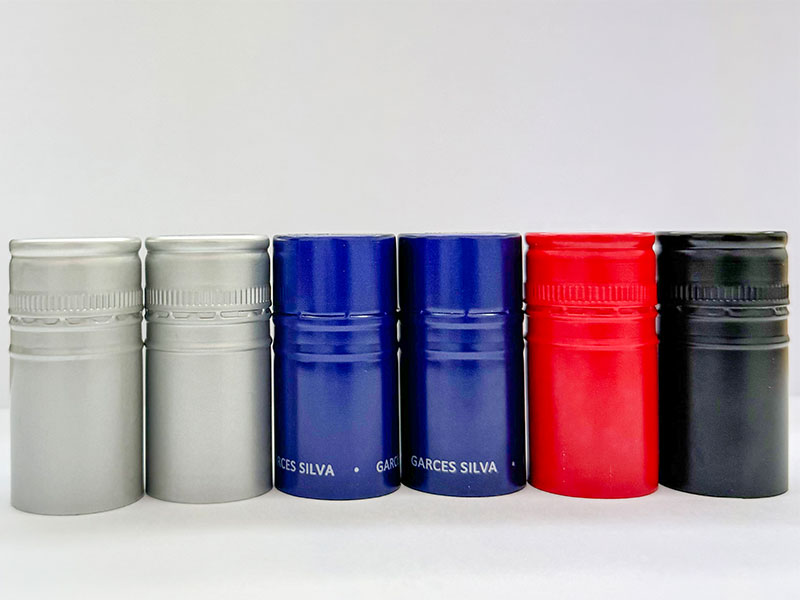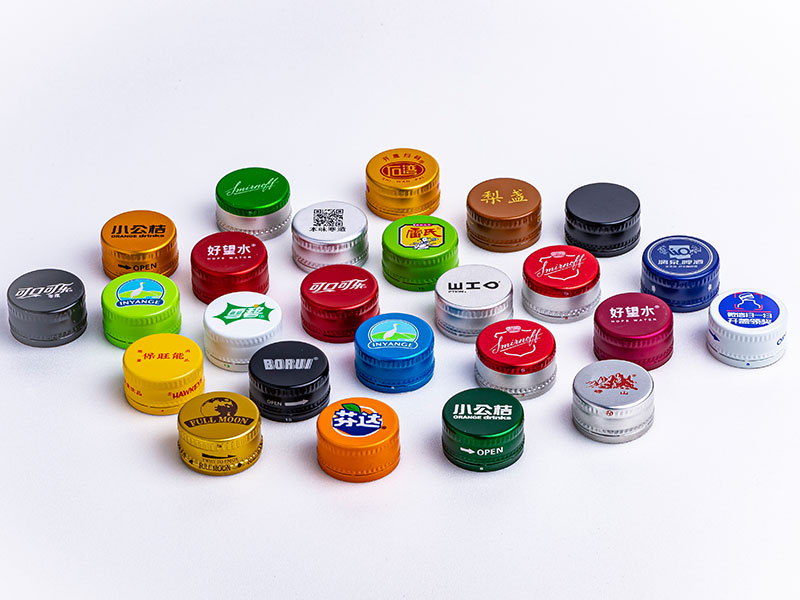


Aluminum Bottle Caps for Soda with Customizable Colors and Finishes
Aluminum Bottle Caps for Soda with Customizable Colors and Finishes: Where Engineering Meets Shelf Appeal
A soda bottle cap is a small object with a big job. It has to hold carbonation in, keep oxygen out, survive high-speed filling lines, and still look good in a shopper's hand. When brands want that "cold, crisp, premium" feeling-especially for sparkling soft drinks-aluminum bottle caps bring a satisfying mix of performance and design freedom. The real advantage is not only what aluminum does mechanically, but how easily it becomes a canvas for color, texture, and light.
Seen from a practical perspective, an aluminum cap is a pressure component disguised as packaging. Its role is quietly technical: manage internal CO₂ pressure, maintain seal integrity through transport temperature swings, and open cleanly without generating shards, flakes, or taste issues. At the same time, it's often the first part of the package that customers touch-meaning the finish and tactility influence brand perception as much as the label.
Why aluminum caps fit soda's demands
Carbonated beverages create continuous outward pressure on the closure. The cap must resist deformation and creep while keeping a consistent interface between the liner and the bottle finish. Aluminum performs well here because it offers a strong strength-to-weight ratio, stable formability, and good corrosion resistance-especially when paired with modern coatings.
Another practical point is line efficiency. Aluminum is friendly to high-speed forming and capping processes, and its uniformity supports tight dimensional tolerances. That matters for torque control, seal compression, and reliable opening experience across millions of units.
Customizable colors and finishes that feel intentional, not "decorated"
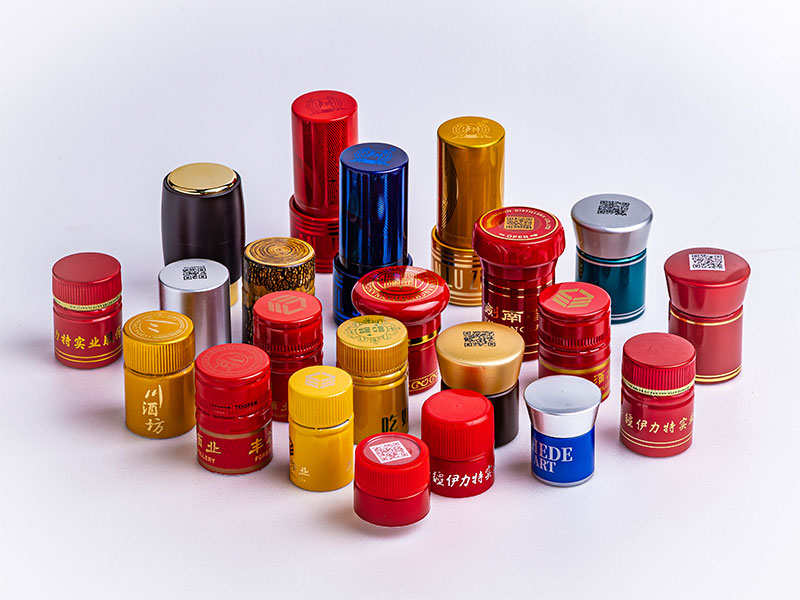
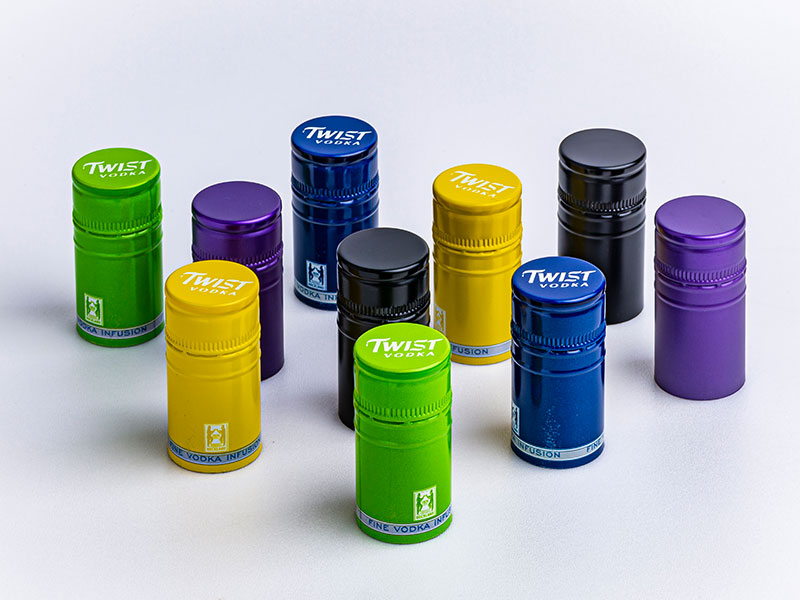
Color on aluminum isn't just aesthetic-it's also a protective system. Properly engineered coatings and inks can improve resistance to scuffing, humidity, and beverage environments. For soda applications, common finish directions include:
High-gloss metallics for a premium "sparkle" under retail lighting
Matte and soft-touch clears for a modern, grippy feel that resists fingerprints
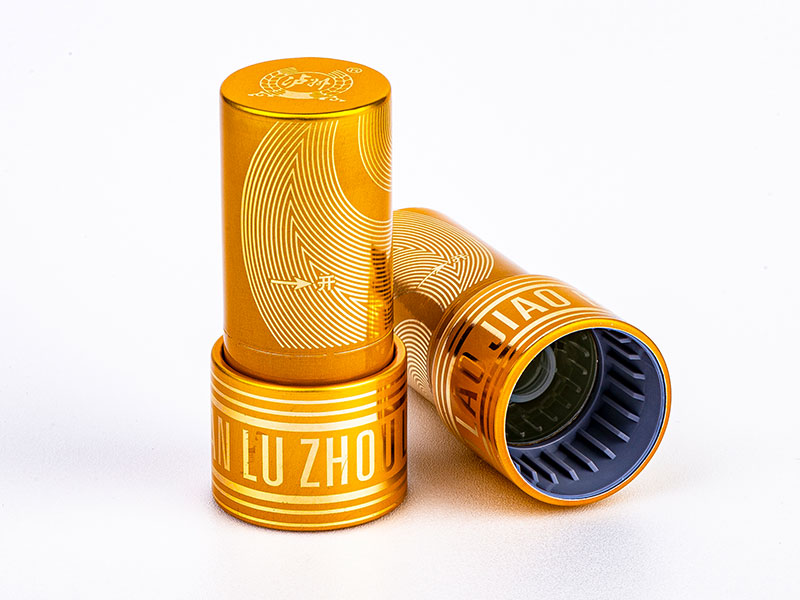
Brushed or directional effects that make the cap look machined rather than printed
Pearlescent and candy colors that intensify highlights on curved surfaces
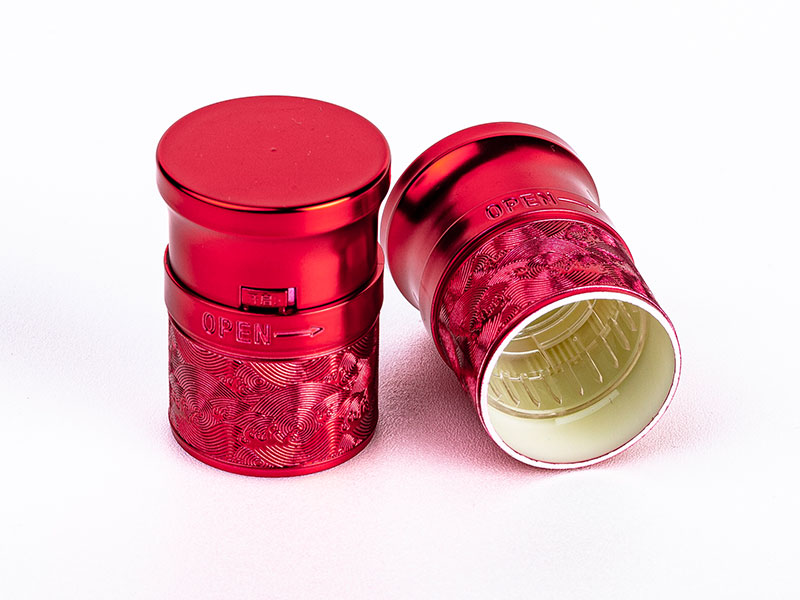
Embossed/debossed top designs to add depth without relying on heavy ink coverage
From a branding viewpoint, the cap can become a quick recognition marker-especially for multipacks or refrigerated displays where the top is the most visible surface. From an engineering viewpoint, you want finishes that do not crack during forming, do not migrate, and remain stable during pasteurization or warm-fill conditions if applicable.
Typical specifications and parameters for soda aluminum bottle caps
Actual dimensions depend on the bottle finish and closure type, but soda caps commonly fall into these parameter ranges:
- Common neck finishes: 28 mm PCO (1881/1810 variants), 30/25 mm in some regional systems, and specialty threaded finishes for glass
- Cap type: roll-on pilfer-proof (ROPP) for threaded applications, or aluminum "screw caps" designed for PET/glass threads
- Sheet thickness: typically around 0.20–0.30 mm for many beverage closures, selected based on forming depth, required strength, and capping method
- Internal pressure performance: engineered for carbonated beverage pressures; the closure system is validated through leak tests and pressure retention protocols
- Opening torque and reclose torque: controlled via skirt geometry, thread engagement, and liner compression; targets vary by bottle material and brand preference
- Liner options: EPE, TPE, or specialized sealing compounds; selection is driven by carbonation retention, migration compliance, and opening feel
A useful way to think about it: the cap is a system, not a single part. The metal shell provides structure and tamper evidence, the liner creates the seal, and the coating system protects both the cap and the product.
Alloy selection and tempering: balancing formability and strength
For aluminum caps, the alloy and temper dictate how the metal behaves during stamping, knurling, threading, and pilfer band formation. Closures often use 3xxx or 5xxx series aluminum because these families offer good corrosion resistance and formability. Temper selection is a balancing act:
- Softer tempers improve deep draw and reduce cracking risk during forming and embossing.
- Harder tempers increase buckle resistance and help the cap maintain shape under torque and internal pressure, but may reduce formability.
In production, manufacturers often start with aluminum coil in a controlled temper and then rely on forming steps that can introduce localized work hardening. The goal is consistent skirt behavior on the capping line and stable performance in distribution, even with temperature cycling.
Implementation standards and quality expectations (typical for beverage closures)
Soda closures operate in a regulated packaging environment, so manufacturing and validation usually align with recognized systems and tests:
- Food-contact compliance: coatings/liners should meet applicable FDA or EU food-contact requirements depending on destination market
- Quality management: ISO 9001 is commonly used; many beverage supply chains also prefer food-safety systems such as FSSC 22000 or ISO 22000
- Closure performance tests: torque retention, leak testing, pressure testing, vacuum/pressure cycling, drop testing, and environmental conditioning
- Coating performance tests: adhesion, abrasion/scuff resistance, chemical resistance (acidic condensate, sugary residues), and pasteurization resistance where applicable
A practical standard in beverage packaging is consistency: the best cap is the one that performs identically on every bottle, across every shift, in every climate.
Chemical properties: what's in the aluminum, and why it matters
Below is a representative chemical composition table for common closure-grade aluminum alloys used in forming applications. Actual values depend on supplier and specification; final selection should match forming method, coating system, and corrosion requirements.
| Alloy (Typical for closures) | Si (%) | Fe (%) | Cu (%) | Mn (%) | Mg (%) | Zn (%) | Ti (%) | Al |
|---|---|---|---|---|---|---|---|---|
| AA3105 (3xxx series) | ≤0.60 | ≤0.70 | ≤0.30 | 0.30–0.80 | 0.20–0.80 | ≤0.40 | ≤0.10 | Balance |
| AA3003 (3xxx series) | ≤0.60 | ≤0.70 | 0.05–0.20 | 1.00–1.50 | ≤0.05 | ≤0.10 | ≤0.10 | Balance |
| AA5052 (5xxx series) | ≤0.25 | ≤0.40 | ≤0.10 | ≤0.10 | 2.20–2.80 | ≤0.10 | ≤0.10 | Balance |
How this connects to soda caps: manganese in 3xxx alloys supports strength and formability; magnesium in 5xxx alloys boosts strength and corrosion resistance. The "right" choice depends on the closure geometry and the desired opening feel, not just tensile strength on paper.
Coatings and corrosion protection: the invisible layer that makes color possible
Soda is acidic, and closures face humidity, condensation, and sticky residues. Aluminum naturally forms an oxide layer, but closures typically rely on engineered coatings for long-term appearance and product protection.
- Exterior coatings support color, gloss level, and scratch resistance.
- Interior coatings act as a barrier and reduce the risk of interaction between the beverage environment and the metal.
- Printing systems may include UV inks or heat-cured inks, chosen based on speed, adhesion, and regulatory compliance.
If you're choosing bold colors or special effects, it's worth pairing design goals with performance testing early. A finish that looks perfect on a sample can behave differently after high-speed capping or cold-chain condensation unless it's specified correctly.
A distinctive way to evaluate a cap: "sound, feel, and seal"
Customers notice the twist, the grip, the click of tamper evidence, and the first release of pressure. Aluminum caps can be tuned for that sensory experience through knurl patterns, surface friction (matte vs glossy), and controlled torque. Meanwhile, engineers focus on what the customer never sees: liner compression set, thread consistency, and coating durability.
When those priorities meet, you get a closure that doesn't just "close a bottle," but reinforces the brand promise: fresh, fizzy, and confident.
Bottom line
Aluminum bottle caps for soda are a compact blend of metallurgy, coatings science, and brand storytelling. With customizable colors and finishes, you can create immediate shelf recognition. With the right alloy, temper, and validated performance standards, you also secure carbonation, prevent leaks, and maintain a clean opening experience. In other words, a great aluminum cap is both an engineering decision and a design signature-one twist that tells customers your soda is exactly what it should be.