

Durable Aluminum Soda Bottle Closures for Increased Freshness
Durable Aluminum Soda Bottle Closures for Increased Freshness
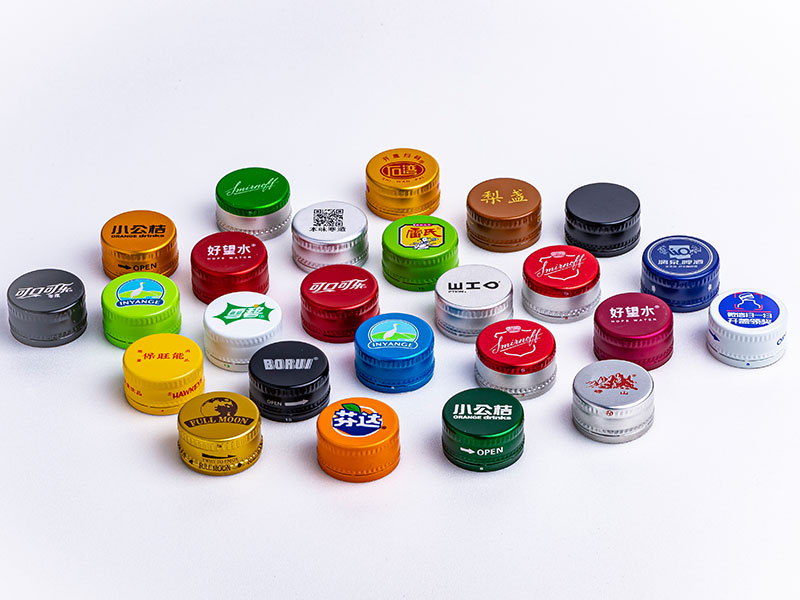
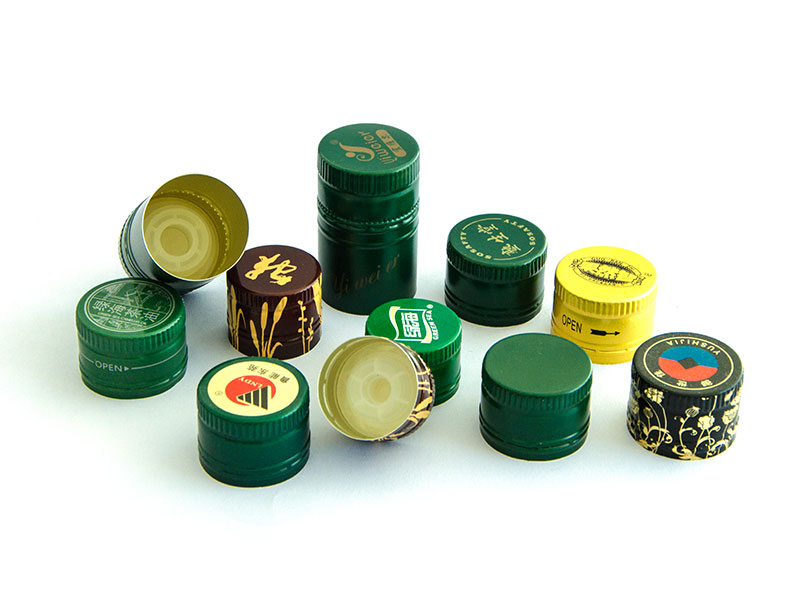
Freshness is not just something you put inside a bottle; it's something you engineer at the boundary where the drink meets the outside world. That boundary is the closure. For soda brands, co-packers, and beverage startups trying to protect carbonation, aroma, and shelf appeal, durable aluminum soda bottle closures offer a surprisingly powerful advantage: they act like a precision "pressure gate" that holds CO₂ in, keeps oxygen out, and survives the messy realities of filling lines, transport vibration, and impatient consumers who twist, reseal, and repeat.
From our perspective as an aluminum bottle cap supplier, the closure is often treated as a commodity-until a batch comes back with leaks, paneling, or loss of fizz. The difference between a cap that "fits" and a cap that protects freshness usually comes down to material choices, temper, lining compatibility, and compliance with implementation standards.
Why aluminum closures help soda stay fresh
Soda freshness is mainly a fight against CO₂ loss and oxygen ingress. Aluminum closures support freshness in a few practical ways:
They deliver consistent thread and shell geometry. Aluminum's formability allows tight control of skirt profile, knurl definition, and thread engagement, which helps maintain stable sealing torque and reduces micro-channels that can leak gas over time.
They handle internal pressure cycles. Carbonated beverages create sustained internal pressure, and that pressure changes during shipping and temperature swings. A properly tempered aluminum closure resists deformation and maintains compression on the liner.
They pair well with high-performance liners. Freshness is not only the metal; it's the metal-liner system. Aluminum caps commonly use EPE, TPE, or multi-layer liners designed for carbonation retention and food contact. The cap's stiffness and dimensional accuracy help the liner do its job.
They perform under real handling. Aluminum closures are lightweight, corrosion-resistant (especially with suitable coatings), and maintain a premium look even after distribution-a subtle factor in consumer trust.
parameters customers should confirm before production
A reliable aluminum soda bottle closure is specified like a component, not a decoration. Common parameter checkpoints include:
Diameter and finish compatibility. Typical beverage closures include 28 mm, 30 mm, 38 mm and other neck finishes depending on bottle type (PET, aluminum bottle, glass with threaded finish). Matching the bottle finish standard is essential for seal integrity.
Thread profile and application torque window. The closure must seal within the torque range your capper can consistently deliver, while still allowing comfortable consumer opening torque. Torque performance also depends on liner friction and coating.
Skirt height, knurl style, and tamper-evident features. Many soda applications use tamper-evident bands or pilfer-proof designs where applicable. Skirt geometry affects capping reliability at speed.
Liner type and compression set resistance. Carbonated beverages benefit from liners with low gas permeability and stable elasticity. The liner must maintain sealing force over shelf life, especially through temperature cycling.
Coatings and corrosion resistance. Internal coatings protect against acidic condensation, flavor components, and potential galvanic interactions, while external coatings support print quality and scuff resistance.
Implementation standards that matter in beverage closures
For soda closures, "standard" is not a vague promise-it's measurable compliance. Depending on your market and product category, common implementation references include:
Food contact compliance. Materials and coatings should comply with relevant food contact regulations such as FDA (21 CFR) in the US, EU Framework Regulation (EC) No 1935/2004 and related measures, and local standards in your destination market. Liner materials must also meet migration limits.
Quality management and traceability. Manufacturing under ISO 9001 is widely expected. For food packaging, many buyers prefer facilities aligned with HACCP principles or packaging safety systems such as BRCGS Packaging Materials.
Performance verification on line and in lab. Typical checks include application torque consistency, removal torque after aging, leak testing, pressure retention testing for carbonated products, and coating adhesion/cure verification.
Sustainability and recyclability alignment. Aluminum is highly recyclable. Caps designed with compatible coatings and liners can support recycling streams, and lightweighting strategies can reduce material usage without sacrificing performance.
Alloy selection and tempering: the "hidden lever" behind durability
Closures must be strong enough to resist denting and pressure deformation, yet formable enough for deep drawing, knurling, and thread forming. This balance is controlled by aluminum alloy choice and temper.
Common closure alloys include AA8011, AA5052, and AA3003, selected based on formability, strength, corrosion behavior, and cost. For many beverage closure shells, 8xxx and 3xxx series alloys are popular due to good forming performance and stable mechanical properties.
Temper conditions like H14, H16, H18, or H19 indicate degrees of strain hardening. Higher temper generally increases strength and reduces the risk of deformation under pressure, but it also reduces formability. A practical closure design chooses a temper that forms reliably at speed while delivering the rigidity needed for a stable seal.
The durability story is really about maintaining geometry after forming, after capping, and after weeks of storage under pressure. The right temper helps the cap "hold its shape," which helps the liner maintain compression, which helps the bottle keep its fizz.
Typical production process controls that protect freshness
Even excellent alloy can fail if process controls drift. Strong closure programs keep an eye on:
Slitting and blanking quality. Burrs and edge defects can lead to cracking or poor coating coverage.
Drawing and forming lubrication. Proper lubrication prevents surface defects and supports consistent dimensions.
Coating cure and adhesion. Inadequate cure can lead to odor issues, poor corrosion resistance, or liner bonding inconsistency.
Dimensional consistency. Thread height, skirt roundness, and top panel flatness directly influence sealing.
Liner insertion and bonding. Liner centering, thickness, and compression behavior must be consistent across lots.
Chemical properties: typical composition reference table
Below is a typical chemical composition overview for common aluminum alloys used in closures. Exact ranges can vary by standard (ASTM/EN/GB) and supplier practice; final selection should match your purchasing specification and application testing.
| Alloy (Typical) | Si (%) | Fe (%) | Cu (%) | Mn (%) | Mg (%) | Cr (%) | Zn (%) | Ti (%) | Al (%) |
|---|---|---|---|---|---|---|---|---|---|
| AA8011 (closure-grade) | 0.5–0.9 | 0.6–1.0 | ≤0.10 | ≤0.20 | ≤0.10 | ≤0.05 | ≤0.10 | ≤0.08 | Balance |
| AA3003 | ≤0.60 | ≤0.70 | 0.05–0.20 | 1.0–1.5 | ≤0.05 | - | ≤0.10 | - | Balance |
| AA5052 | ≤0.25 | ≤0.40 | ≤0.10 | ≤0.10 | 2.2–2.8 | 0.15–0.35 | ≤0.10 | ≤0.10 | Balance |
What "increased freshness" looks like in real business terms
A durable aluminum soda bottle closure is not only about preventing obvious leaks. It's about reducing slow CO₂ loss that turns a crisp soda into a flat one, minimizing oxygen exposure that dulls flavor, and protecting brand experience through the entire supply chain.
When the cap is designed with the correct alloy-temper combination, produced under appropriate implementation standards, matched to the bottle finish, and paired with the right liner, it becomes a quiet reliability upgrade. Consumers rarely compliment a closure-but they instantly notice when the fizz is gone. Aluminum closures help make sure they never have to.
https://www.bottle-cap-lids.com/a/durable-aluminum-soda-bottle-closures-for-increased-freshness.html