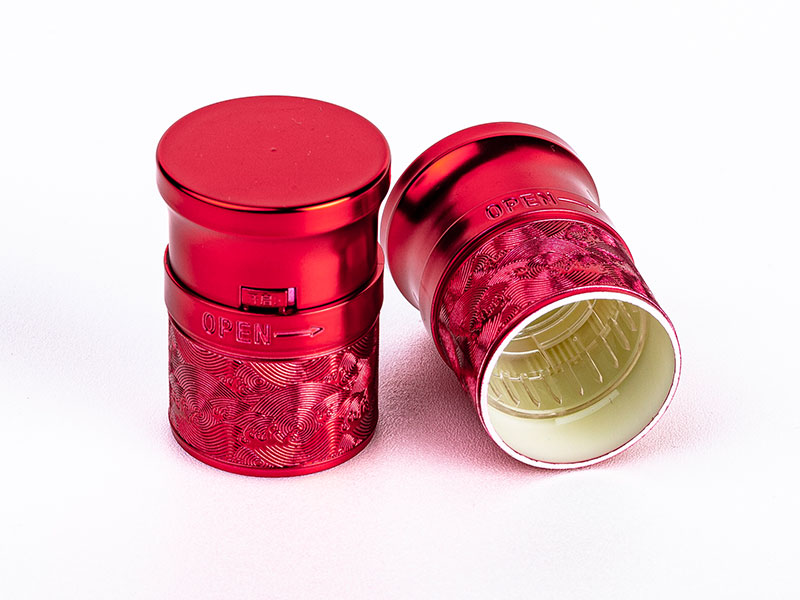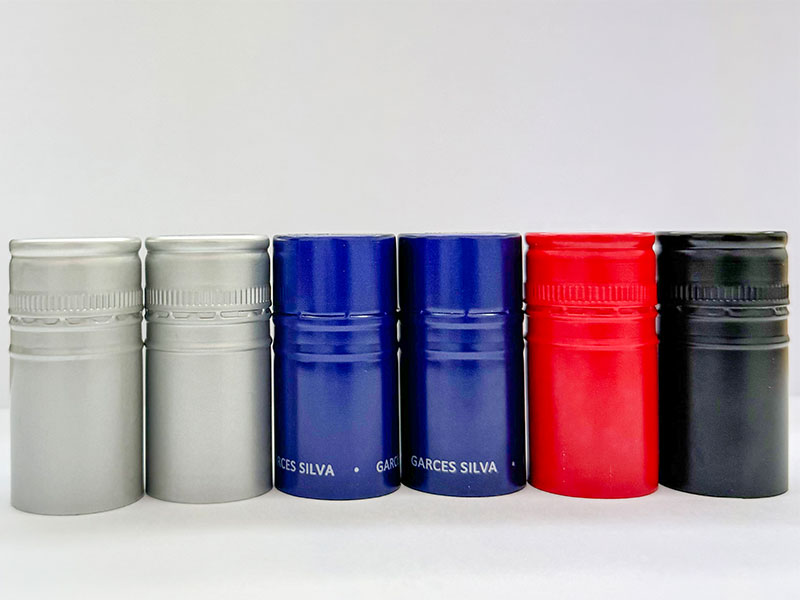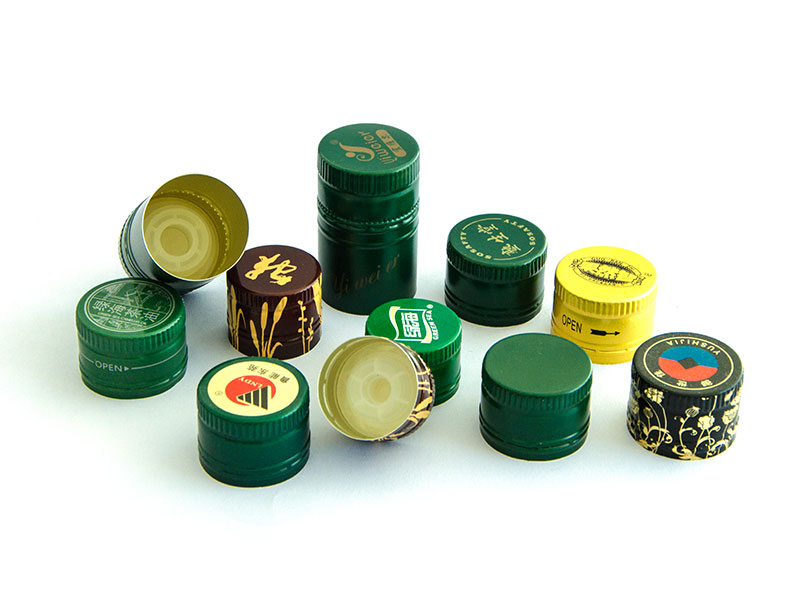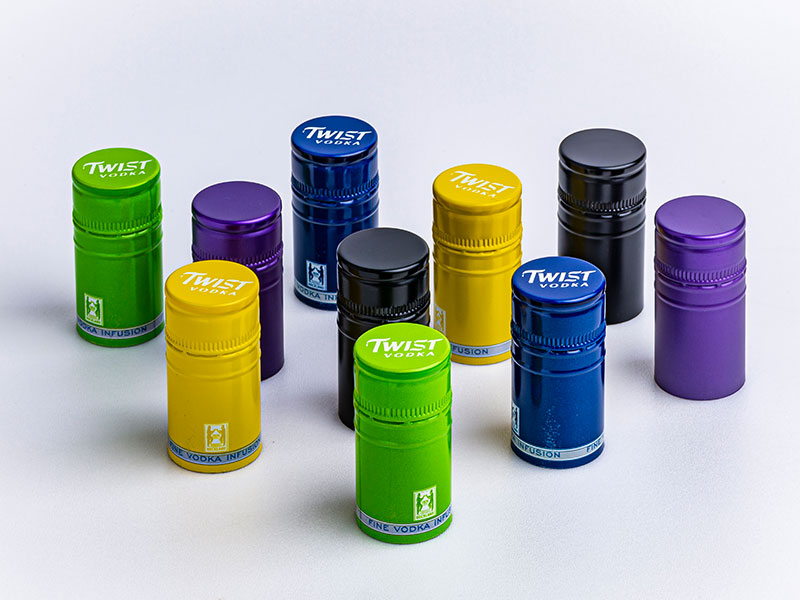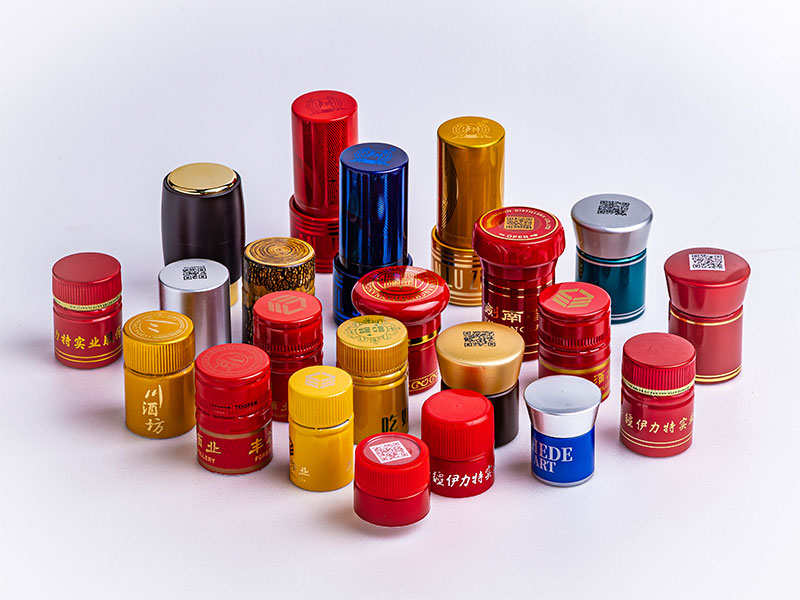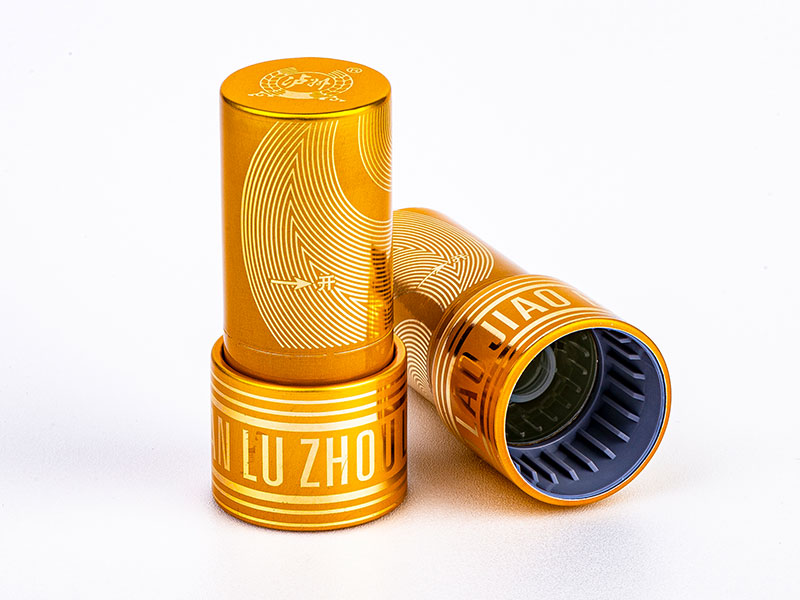


30x60mm Aluminum Wine Bottle Closures for Secure Storage and Packaging
In wine packaging, a closure is often described as a "finish component," as if it were merely decorative. From a materials engineering standpoint, the closure is a small pressure vessel interface: it must maintain a stable seal, resist corrosion from acidic vapors and condensate, tolerate temperature cycling in logistics, and still open cleanly in the customer's hand. That is why 30x60mm aluminum wine bottle closures have become a preferred format for brands that want secure storage and reliable packaging performance without sacrificing premium aesthetics.
Why 30x60mm Matters: Geometry That Supports Real-World Sealing
The 30x60mm format is popular because it balances three requirements that are usually in tension:
Sealing contact stability
A 30mm diameter provides generous skirt-to-glass engagement around the bottle finish, helping maintain sealing force even with minor glass variations.
Internal liner accommodation
A 60mm height gives more design freedom for liners such as EPE, Saranex, PVDC-free barrier structures, or custom wad systems. This is particularly valuable for wines shipped through hot-cold cycles where liner resilience determines long-term seal integrity.
Branding area without compromising function
More surface area means more room for embossing, debossing, or high-definition printing, while keeping the structural zones (knurling band, thread/roll area, pilfer evidence features if required) mechanically consistent.
Core Parameters for 30x60mm Aluminum Wine Bottle Closures
Below are commonly specified parameters used by closure buyers and filling plants. Actual values can be tuned to the bottle finish and liner system.
| Parameter | Typical Range / Notes |
|---|---|
| Closure size | 30x60 mm (diameter x height) |
| Material thickness | ~0.20–0.25 mm (selected by torque and rigidity targets) |
| Closure type | ROPP (Roll-On Pilfer Proof) style or threaded aluminum cap depending on market requirements |
| Surface finish | Bright, matte, brushed, anodized look, or color-coated |
| Decoration | Offset printing, silk-screen, hot stamping, embossing/debossing |
| Liner options | EPE, PVDC-free barrier, Saranex-type, custom co-extruded liners |
| Seal performance focus | Oxygen ingress control, aroma retention, leakage resistance under temperature cycling |
| Application environment | High-speed capping lines, humid cold chain storage, export logistics |
Rather than treating these as catalog specs, high-performing closures treat them as a system: metal rigidity + coating adhesion + liner rebound + controlled roll-on formation.
Implementation Standards and Quality Expectations in Practice
For aluminum wine bottle closures used in secure storage and packaging, implementation is usually aligned with widely recognized packaging and food-contact frameworks. Depending on destination markets, manufacturers typically build compliance around:
Food-contact safety and good manufacturing practices
Production environments commonly follow GMP principles, with migration-conscious coating and liner selections. Where applicable, compliance is aligned with FDA food-contact expectations in the United States and EU food-contact frameworks for coatings and plastics.
Dimensional and application compatibility
ROPP-style closures are typically validated against the target bottle finish through application trials, measuring applied torque, removal torque, bridge break consistency (when pilfer-evident features exist), and leakage performance. Many customers request control plans that track skirt diameter, height, shell thickness, and coating weight consistency.
Coating performance verification
Internal lacquer systems are typically tested for adhesion, corrosion resistance, and suitability for acidic or alcoholic vapor exposure. External coatings are tested for abrasion resistance, print durability, and color stability.
Secure packaging is not only "does it fit"; it is "does it remain chemically and mechanically stable after months of storage and transport."
Alloy Selection: Why Aluminum Temper Matters More Than Most Buyers Think
A 30x60mm closure lives through a dramatic transformation during application. A roll-on capping head plastically forms the metal around the bottle finish. That means the alloy must combine:
Formability to roll cleanly without microcracking
Strength to keep thread definition and maintain sealing force
Consistency so torque windows remain stable across millions of caps
This is why closure-grade aluminum is commonly selected from the AA 8xxx series used for packaging applications, and in some designs from AA 3xxx series when specific strength/forming balances are desired.
Recommended alloy and tempering conditions (typical)
| Alloy (typical closure-grade options) | Temper | Why it's used for 30x60mm wine closures |
|---|---|---|
| AA 8011 | H14 / H16 | Strong balance of formability and stiffness; widely used for packaging shells |
| AA 8021 | H14 / H16 | Good forming and barrier performance; often used when consistent roll-on behavior is prioritized |
| AA 3003 | H14 (select cases) | Manganese-bearing alloy with good workability; sometimes chosen for specific mechanical targets |
Temper here is not a footnote. It is the hidden dial that influences how the cap behaves under the rollers. Too soft and thread features can relax over time; too hard and the skirt may split or show stress marks, especially with aggressive embossing.
Mechanical Conditions That Influence Secure Sealing
A secure closure is not just "tight." Over-tightening can damage liners, distort threads, or cause opening issues. Under-tightening increases risk of microleaks and oxygen ingress. Manufacturers therefore focus on mechanical consistency rather than brute force.
mechanical condition controls include:
Work-hardening level from temper selection
H14/H16 tempers typically offer a controlled yield behavior that forms threads reliably while avoiding brittle failure.
Shell thickness uniformity
Uniform thickness supports even roll-on deformation and consistent removal torque, particularly important at high capping speeds.
Coating and lacquer elasticity
Coatings must flex with the metal during roll-on. If a lacquer is too brittle, microcracks can become corrosion initiation points in humid storage.
Internal Lacquer and External Coating: The Chemistry of Staying Neutral
Wine storage environments can expose closures to moisture, acidity, and volatile compounds. Even if the liquid does not directly contact the aluminum, condensate and vapor can. That is why internal lacquers are selected to be low-migration and corrosion-resistant, while external coatings focus on scuff resistance and branding durability.
Common systems include epoxy-phenolic alternatives, polyester-based systems, and BPA-NI options depending on brand requirements and regulatory targets. Liner selection then completes the barrier system, shaping oxygen and aroma performance.
Chemical Properties Table: Typical Composition for Closure-Grade Aluminum Alloys
The table below shows typical composition ranges for commonly used closure alloys. Exact limits depend on the governing material specification and supplier melt control. Values are representative and provided for engineering reference.
Typical chemical composition (wt.%)
| Element | AA 8011 (typical) | AA 8021 (typical) | AA 3003 (typical) |
|---|---|---|---|
| Si | 0.50–0.90 | 0.15–0.40 | ≤0.60 |
| Fe | 0.60–1.00 | 1.20–1.70 | ≤0.70 |
| Cu | ≤0.10 | ≤0.05 | 0.05–0.20 |
| Mn | ≤0.20 | ≤0.10 | 1.00–1.50 |
| Mg | ≤0.05 | ≤0.05 | ≤0.05 |
| Zn | ≤0.10 | ≤0.10 | ≤0.10 |
| Ti | ≤0.08 | ≤0.08 | ≤0.10 |
| Al | Balance | Balance | Balance |
From a closure-performance viewpoint, these elements matter because they influence formability, strength after work hardening, and corrosion tendency under coating defects. For example, higher Fe content can increase strength but may also change forming behavior; Mn in AA 3003 improves strength and workability in a different way than 8xxx series alloys.
Manufacturing View: How a 30x60mm Closure Becomes "Secure"
Secure storage performance is created during manufacturing, not added afterward. A typical production flow includes:
Slitting and blanking to achieve tight thickness and width tolerances
Shell forming and trimming to lock the 30x60 geometry
Knurling/feature formation for grip and brand identity
Coating and printing with cure control to ensure adhesion and flexibility
Liner insertion with compression-set performance in mind
Inspection for dimensional stability, coating continuity, and cosmetic consistency
A technical point: the closure is designed to deform predictably on the line. The best closures behave like engineered springs when paired with the right liner-maintaining sealing force over time instead of simply relying on initial torque.
What "Secure Storage" Means for Wine: Beyond Leakage
Wine closures are asked to defend quality in subtle ways:
Oxygen management
A stable liner interface and consistent roll-on formation help control oxygen ingress, supporting flavor stability.
Aroma retention
Barrier liners and intact internal lacquer reduce vapor exchange and preserve varietal character.
Thermal cycling tolerance
Export shipments expose bottles to day-night swings and container heat. Aluminum's dimensional stability, paired with resilient liners, helps prevent seal relaxation.
Corrosion resistance in humid cellars
Proper internal lacquer and external coating prevent cosmetic oxidation and protect brand appearance during long storage.
Why Brands Choose Aluminum Bottle Caps in This Format
A 30x60mm aluminum wine bottle closure can deliver a rare combination: premium shelf presence, reliable automated application, and high confidence in long-term storage. The most important takeaway from a metallurgy-first perspective is that performance is not accidental. It is designed through alloy chemistry, temper selection, coating-liner compatibility, and controlled forming behavior.
If you are sourcing 30x60mm aluminum wine bottle closures for secure storage and packaging, it is worth specifying not only the size and color, but also the alloy series, temper condition, liner type, and coating system, because those are the technical levers that keep the seal dependable from filling line to final pour.