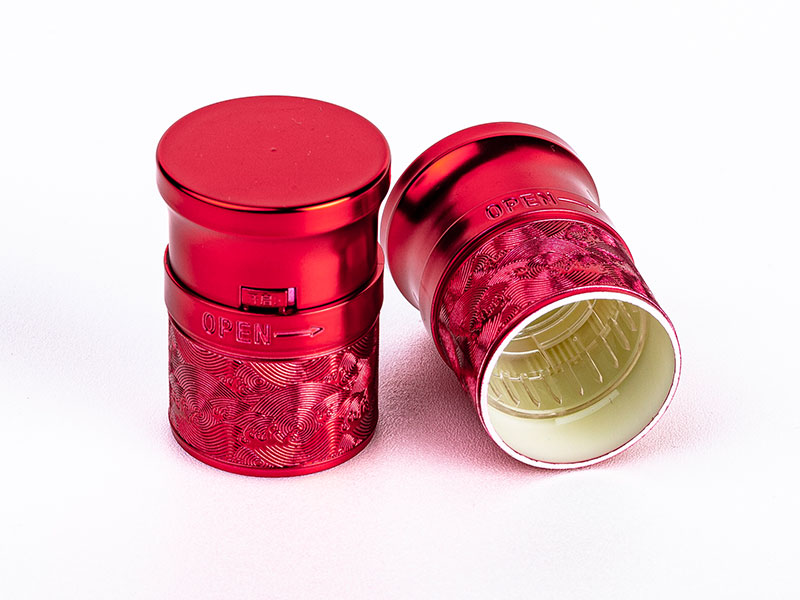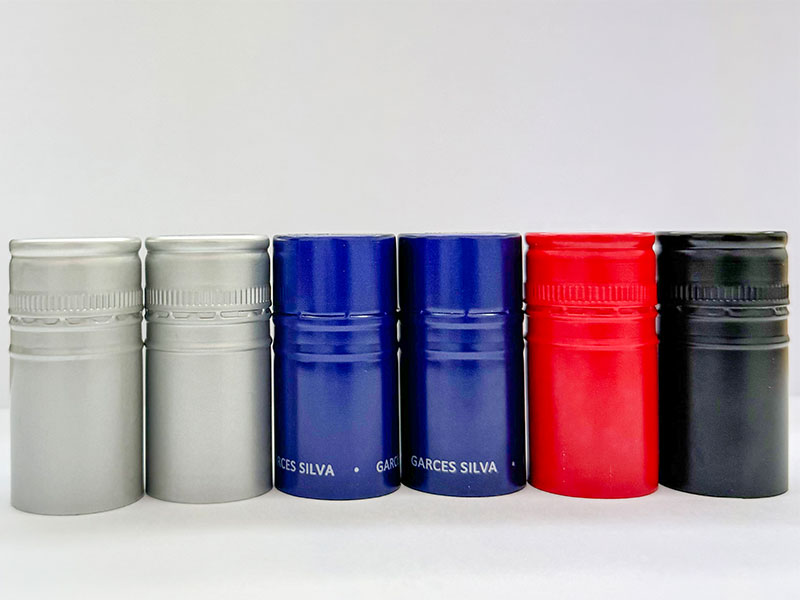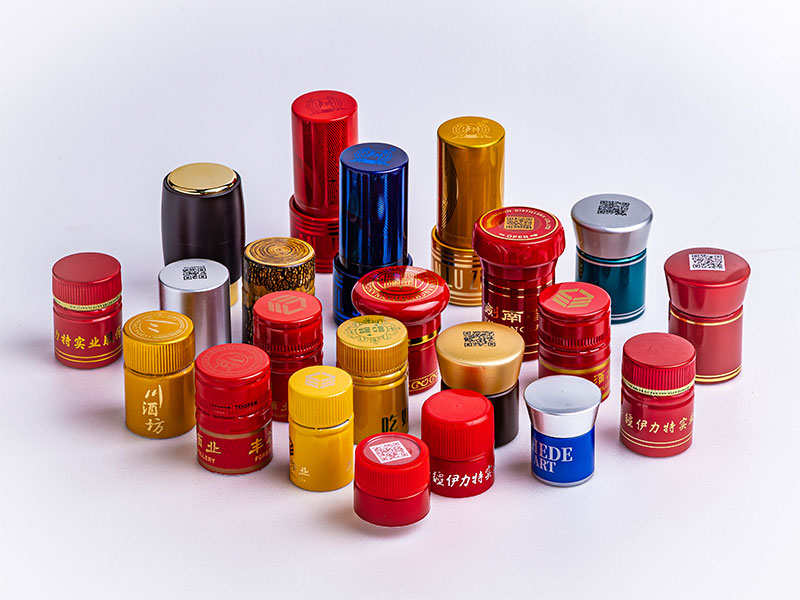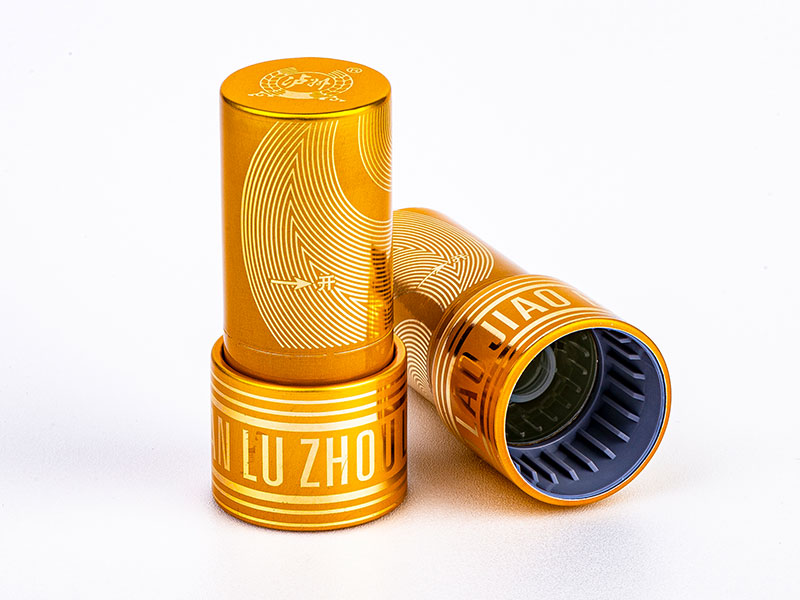


Premium Aluminum Caps for Soda Bottles with Pressure Tight Seal
Premium aluminum caps for soda bottles are engineered to do one job exceptionally well: maintain carbonation and product integrity from the filler to the consumer's first twist. Designed for pressurized beverages, these caps combine a precisely formed aluminum shell with a resilient sealing liner to deliver consistent torque performance, reliable retention of CO₂, and strong resistance to deformation during high-speed capping and distribution.
In modern beverage packaging, a "cap" is a critical pressure component. A well-designed aluminum closure prevents micro-leaks that slowly bleed carbonation, protects flavor from oxygen ingress, and provides a clean, premium opening experience. These caps are optimized for carbonated soft drinks, sparkling waters, energy drinks in PET, and any beverage where pressure stability and shelf-life are non-negotiable.
What makes these caps "premium"
Premium performance comes from the combination of alloy selection, controlled forming, liner chemistry, and tight dimensional tolerances. The aluminum shell provides strength and shape memory, while the liner conforms to the bottle finish to create a dependable seal even with minor variations in PET neck geometry.
premium attributes include:
- Pressure-tight sealing designed for carbonated beverages and hot/cold distribution cycles
- Stable application torque window to reduce over-torque damage and under-torque leaks
- Excellent corrosion resistance against acidic beverages, humidity, and condensation
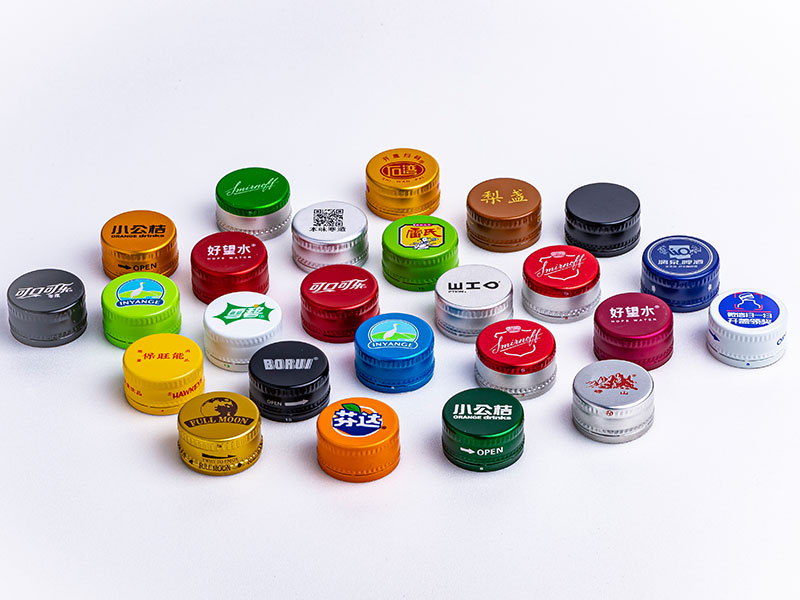
- Clean printability and decoration options for branding and tamper evidence integration
- Reliable performance on high-speed capping lines with low cap damage rates
Aluminum caps typically consist of an aluminum shell formed by multi-stage stamping and knurling/rolling operations, paired with a food-contact compliant liner (commonly a compressible polymer or EPE-based structure). The sealing surface is engineered to maintain contact stress against the bottle finish under internal pressure and temperature changes.
Typical cap structure
| Component | Function | Notes |
|---|---|---|
| Aluminum shell | Provides mechanical strength, thread definition, and external appearance | Optimized temper for forming and torque strength |
| Internal liner | Creates hermetic seal and compensates for finish variation | Food-contact compliant; designed for CO₂ retention |
| Tamper-evident features (optional) | Shows first opening and discourages refilling | Band, bridges, or integrated TE geometry |
| Coating/decoration (optional) | Branding and surface protection | UV/thermal inks; protective lacquer as needed |
Aluminum alloy and chemical composition (typical)
For closures, industry commonly uses AA 8011 or AA 3003 family alloys due to their formability and adequate strength after work hardening. Actual selection depends on cap geometry, line speed, and required opening torque.
Typical alloy chemistry (AA 8011, reference ranges)
| Element | Symbol | Typical range (wt. %) | Contribution to performance |
|---|---|---|---|
| Aluminum | Al | Balance | Base metal; corrosion resistance and low density |
| Iron | Fe | 0.6–1.0 | Strength and form stability; affects surface finish |
| Silicon | Si | 0.5–0.9 | Supports formability; interacts with Fe intermetallics |
| Manganese | Mn | 0.1–0.3 | Improves strength and corrosion behavior |
| Copper | Cu | ≤0.10 | Controlled low to maintain corrosion resistance |
| Zinc | Zn | ≤0.10 | Typically limited to protect corrosion performance |
| Titanium | Ti | ≤0.08 | Grain refinement; improves forming consistency |
Note: Composition ranges may vary by supplier standard and temper. Final closure performance is determined by the full system: alloy + temper + forming + liner + bottle finish.
Technical specifications (typical for carbonated soda applications)
The following parameters represent commonly requested targets for pressure-capable aluminum closures used on PET soda bottles. They can be tuned to match specific neck finish standards, capping heads, and beverage pressure profiles.
technical specifications
| Parameter | Typical value / range | Why it matters |
|---|---|---|
| Cap type | Screw cap, pressure-tight | Enables consistent reseal and consumer convenience |
| Nominal sizes | 28 mm, 30 mm (custom available) | Matches common CSD PET neck finishes |
| Shell thickness | 0.20–0.30 mm (application dependent) | Balances rigidity, thread strength, and weight |
| Cap weight | 1.2–2.5 g (size-dependent) | Impacts material cost and line dynamics |
| Liner type | Compressible polymer / EPE-based / co-extruded liner | Controls sealing stress and gas retention |
| Recommended application torque | 0.8–1.6 N·m (finish-dependent) | Prevents leaks while avoiding neck damage |
| Removal torque (typical target) | 0.6–1.3 N·m | Ensures openability and tamper evidence function |
| Pressure retention capability | Suitable for typical CSD pressures | Maintains seal under carbonation and handling |
| Temperature tolerance | Refrigerated to warm distribution | Helps manage expansion/contraction cycles |
| Corrosion resistance | High in humid/condensing environments | Prevents staining, pitting, and liner compromise |
| Decoration | Printed, lacquered, anodized look options | Supports premium shelf appearance |
Practical note for fillers: torque targets should be validated with the specific bottle preform/finish, capping head condition, and beverage carbonation level. A good cap cannot compensate for out-of-spec neck finishes or worn capping chucks.
Performance features that protect carbonation
Pressure-tight seal integrity
Carbonated beverages exert continuous internal pressure. A premium aluminum cap maintains a stable sealing interface by combining shell stiffness with a liner that sustains compression over time. This reduces the risk of "slow leaks" that can be hard to detect but ruin shelf-life.
Consistent torque and thread engagement
Uniform forming and controlled temper help ensure consistent thread geometry. This translates to less torque scatter on the line and fewer failures such as cross-threading, cap cocking, or uneven liner compression.
Barrier protection and flavor preservation
While the bottle material and beverage chemistry dominate overall barrier performance, the closure plays a decisive role at the headspace. A reliable seal helps limit oxygen ingress and CO₂ egress, maintaining the intended bite, aroma, and taste.
Durable aesthetics
Aluminum closures are naturally suited for premium branding. They offer sharp print definition, metallic luster options, and robust scuff resistance when properly coated-important for high-speed conveyance and multipack handling.
Applications
These aluminum caps are built for carbonated and pressure-sensitive beverages where a dependable seal is a functional requirement and a premium look is a commercial advantage.
Best-fit beverage applications
| Application | Why aluminum pressure-tight caps fit well |
|---|---|
| Carbonated soft drinks (cola, lemon-lime, flavored sodas) | Strong CO₂ retention and repeatable torque |
| Sparkling water and flavored seltzers | Preserves carbonation and clean taste profile |
| Energy drinks in PET (carbonated) | Handles pressure plus fast production cycles |
| Craft sodas and premium glass/PET offerings | High-end shelf appearance and branding flexibility |
| Seasonal or export distribution | Better resilience against handling and climate variation |
Compatibility with filling lines and packaging operations
A closure should run smoothly at speed. Premium aluminum caps are designed for high-throughput capping with reduced deformation and predictable feeding behavior.
Line and packaging compatibility considerations
| Area | What to check | Benefit |
|---|---|---|
| Neck finish standard | Match cap size and thread profile to bottle finish | Prevents leaks and cross-thread events |
| Capper setup | Chuck wear, head pressure, and torque calibration | Reduces torque scatter and rejects |
| Liner compression | Validate seal under pressure and temperature cycling | Protects shelf-life and carbonation |
| Conveying and accumulation | Cap scuff resistance and print durability | Maintains premium appearance |
| Secondary packaging | Multipacks, shrink, cartons | Minimizes cosmetic damage and TE failures |
Quality control checkpoints (what customers should expect)
Premium caps are typically supported by incoming and in-process checks that directly correlate with leak risk and consumer experience.
Common quality metrics
| Checkpoint | Typical method | What it prevents |
|---|---|---|
| Dimensional conformity | Go/no-go gauges, optical measurement | Poor thread fit, cap rocking, uneven sealing |
| Torque performance | Application/removal torque testing | Leaks, over-torque damage, poor openability |
| Pressure/leak testing | Burst/hold pressure tests, vacuum/pressure decay | Carbonation loss and shelf-life issues |
| Liner integrity | Visual + compression set evaluation | Seal relaxation over time |
| Coating/print adhesion | Rub tests, cross-hatch (as applicable) | Scuffing, brand degradation, corrosion exposure |
Premium Aluminum Caps for Soda Bottles with Pressure Tight Seal are a practical upgrade for any carbonated beverage brand that values consistent carbonation, clean opening performance, and premium shelf presence. With a well-chosen closure alloy, controlled forming, and a liner engineered for long-term compression, these caps help reduce leakage risk, stabilize torque performance on high-speed lines, and preserve the taste consumers expect-right up to the final pop of the seal.