

Premium Quality 30x60mm Aluminum Wine Closures for Secure Sealing
Premium Quality 30×60mm Aluminum Wine Closures for Secure Sealing
A wine closure is often described as the "final touch," but in practice it behaves more like a guardian at the gate. It controls oxygen exchange, protects aroma, and keeps the bottle presentation crisp through storage, shipping, and shelf life. When you choose a 30×60mm aluminum wine closure, you're not simply choosing a cap size-you're choosing a sealing system engineered to perform reliably across bottling lines, climates, and distribution timelines.
From a distinctive viewpoint, think of this closure as a small, precisely formed pressure vessel component: it must deform in the right places, resist deformation in others, remain chemically quiet, and look flawless while doing it. That's where premium-grade aluminum, correct tempering, and tight dimensional control become essential.
Why 30×60mm Matters in Real Bottling Conditions
The 30mm diameter × 60mm height format is widely used for wine and spirits packaging where a taller skirt improves grip, aesthetics, and tamper-evidence design. That extra height also gives manufacturers more "real estate" to manage mechanical performance:
- A longer skirt supports more stable thread or roll-on features.
- Tamper-evident bands can be designed to break cleanly without tearing.
- Decoration and branding remain visible even with deep neck finishes or wax-like top styling.
Most importantly, this format can deliver a secure seal when paired with a suitable liner such as Saranex, PVDC-free barrier structures, EPE, or custom co-extruded liners depending on oxygen transmission and sensory goals.
Parameters (Typical Specification Range)
Below are common parameters for premium 30×60mm aluminum wine closures. Exact values can be customized to match bottle finish and capping system.
- Nominal size: 30mm (diameter) × 60mm (height)
- Application type: ROPP (Roll-On Pilfer Proof) / screw closure system
- Neck finish compatibility: Customized to customer bottle drawings and capping head profile
- Shell material thickness: typically 0.20–0.23 mm (customizable)
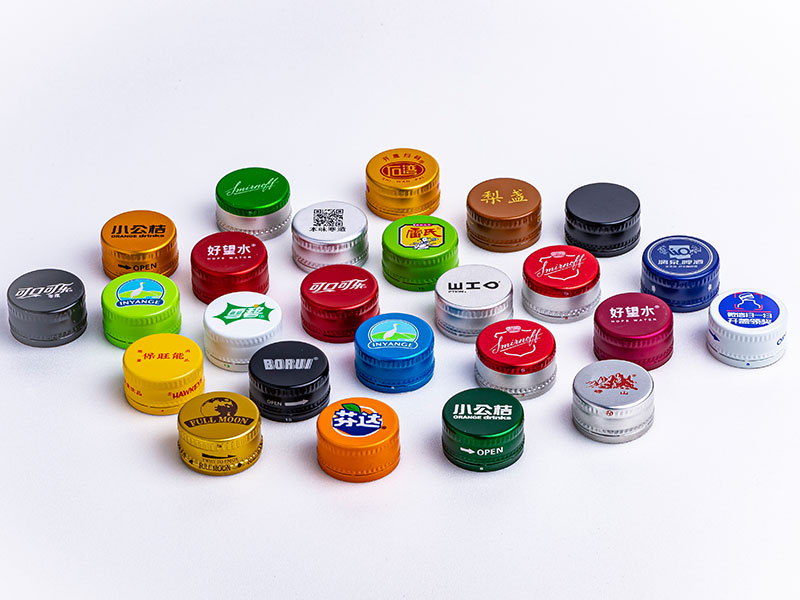
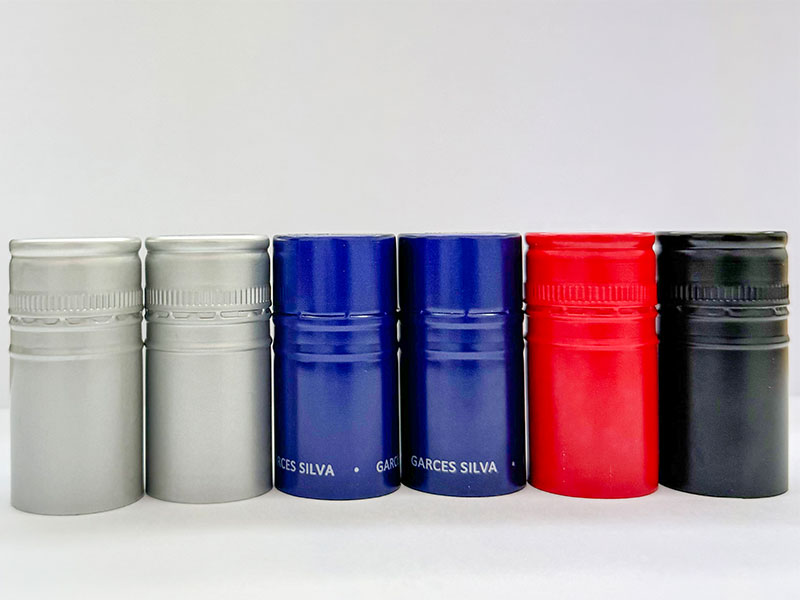
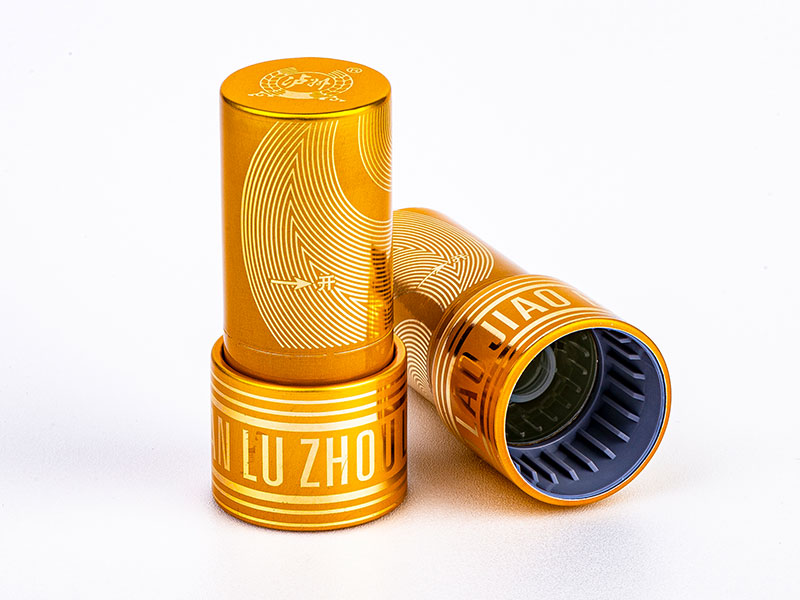
- Top design: flat, slightly domed, embossed, debossed, knurled edge optional
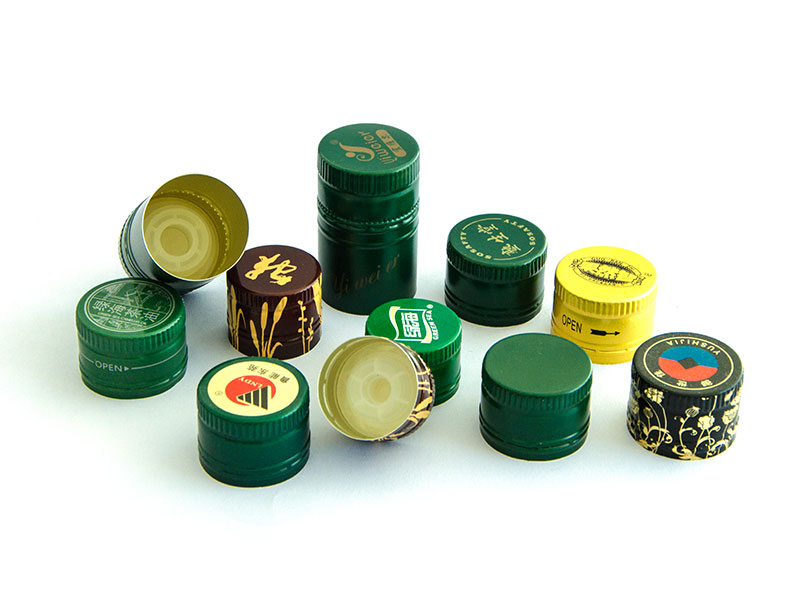
- Skirt design: smooth, vertically ribbed, or micro-knurled for grip
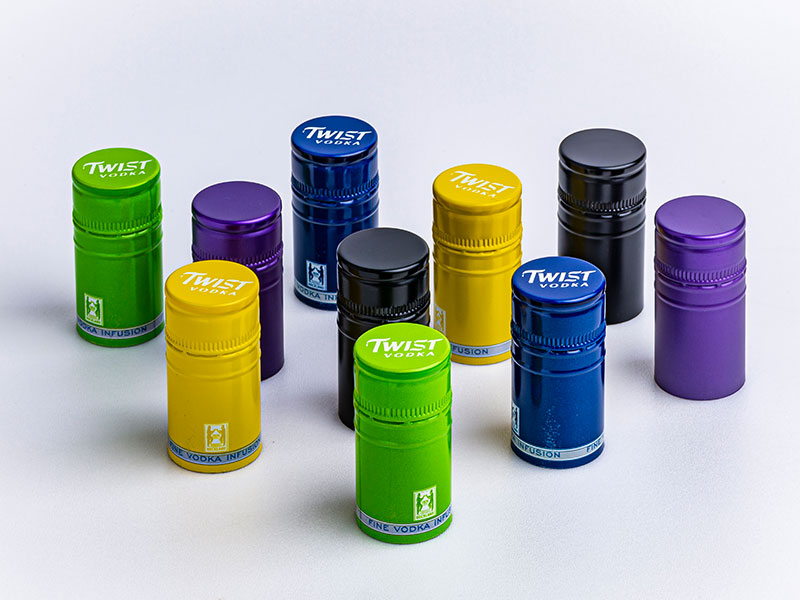
- Tamper-evident system: breakable band with bridges; band geometry per line requirements
- Liner options: EPE, Saranex-type, PVDC-free barrier, tin-free, odor-neutral compounds
- Decoration: anodized look, matte/gloss, UV printing, hot stamping, offset, color-matched coatings
- Typical performance expectation: consistent torque behavior, clean band break, stable seal under temperature swings
Premium closures are less about "one perfect dimension" and more about dimensional consistency across millions of pieces. That consistency is what reduces capper stoppages, improves torque repeatability, and prevents random micro-leaks that only show up after transit.
Implementation Standards and Quality Expectations
A well-made aluminum wine closure is built to align with common packaging and safety expectations used in the closure industry. Typical implementation and inspection frameworks include:
- ISO 9001 quality management for process control and traceability
- Food-contact compliance aligned with EU and FDA expectations (materials and inks/coatings chosen accordingly)
- Migration and sensory neutrality considerations for liners and internal coatings
- AQL-based inspection for dimensional checks, print defects, coating continuity, liner placement, and functional integrity
- Torque and sealing tests on representative bottles using the customer's capping conditions
In production terms, premium quality means stable forming, controlled coating cure, and liner bonding that doesn't "float" during application. It also means shipping that avoids liner deformation and coating abrasion.
Alloy Selection and Tempering: Why It Feels "Right" on the Line
Aluminum closures typically use AA 8011 or AA 3105 depending on forming and strength targets.
- AA 8011 is popular for closures due to its excellent formability and stable performance in deep drawing and rolling operations.
- AA 3105 provides good strength and corrosion resistance, often chosen for specific forming profiles or customer preferences.
Tempering is not an afterthought; it's how you tune the material to behave correctly during ROPP application. Common tempers include:
- H14 / H16: partial hard tempers balancing formability and strength
- H19: harder temper for applications requiring higher stiffness, depending on design and capper settings
If the temper is too soft, the threads can form inconsistently and the tamper band may stretch instead of breaking cleanly. If too hard, you risk cracking, springback, or unreliable sealing pressure at the liner interface. Premium closures aim for that sweet spot where the skirt rolls smoothly, threads form sharply, and the liner compresses evenly.
Chemical Properties: Typical Composition Table
Below is a reference composition table for common closure alloys. Values are typical ranges and may vary by mill certification and customer specification.
Typical Chemical Composition (wt.%)
| Element | AA 8011 | AA 3105 |
|---|---|---|
| Al | Remainder | Remainder |
| Si | 0.50–0.90 | ≤0.60 |
| Fe | 0.60–1.00 | ≤0.80 |
| Cu | ≤0.10 | ≤0.30 |
| Mn | ≤0.20 | 0.30–0.80 |
| Mg | ≤0.05 | 0.20–0.80 |
| Zn | ≤0.10 | ≤0.40 |
| Ti | ≤0.08 | ≤0.10 |
| Cr | - | ≤0.20 |
| Others (each) | ≤0.05 | ≤0.05 |
| Others (total) | ≤0.15 | ≤0.15 |
For customers, the practical takeaway is simple: these alloys are chosen because they are stable, formable, and compatible with closure coatings and food-contact expectations when processed correctly.
Secure Sealing: The Closure, the Liner, and the Bottle as One System
A closure is only "premium" if it seals reliably with your bottle finish and your capping machine. The secure seal comes from three engineered interfaces:
- Thread formation and skirt geometry that lock onto the glass finish with repeatable torque behavior
- Liner compression that fills micro-variations in glass and maintains contact through temperature changes
- Internal coating compatibility that resists corrosion and prevents flavor scalping or off-notes
In real-world distribution, bottles see vibration, heat cycles, and time. A premium 30×60mm aluminum closure is designed so the liner maintains elastic recovery rather than taking a permanent set, which helps preserve sealing force.
Corrosion Resistance and Coatings: Quiet Protection
Wine environments can be chemically demanding: acidity, sulfur compounds, humidity, and cleaning residues all interact with packaging surfaces. Premium closures typically use:
- External coatings for abrasion resistance, color stability, and brand appearance
- Internal protective lacquers to minimize metal interaction and corrosion risk
- Odor-neutral liner materials to avoid taint and preserve aroma integrity
This is the "silent engineering" customers don't see-but it's what keeps the closure looking new and the wine tasting as intended.
The Customer-Ready Advantage
For wineries and beverage brands, the advantage of premium quality 30×60mm aluminum wine closures is operational and sensory:
- Smoother running on bottling lines with fewer random rejects
- Strong shelf presence through durable decoration and consistent finish
- Reliable sealing performance that protects product character across logistics
- Better consumer experience: clean opening torque, confident tamper evidence, polished feel in hand
In the end, a premium aluminum wine closure is not just packaging-it's a precision-made component that helps your wine arrive exactly as you crafted it.