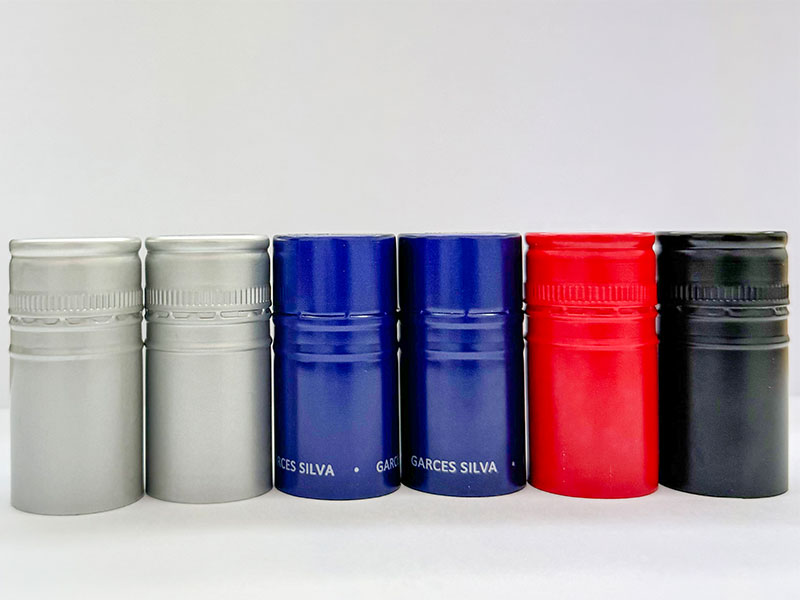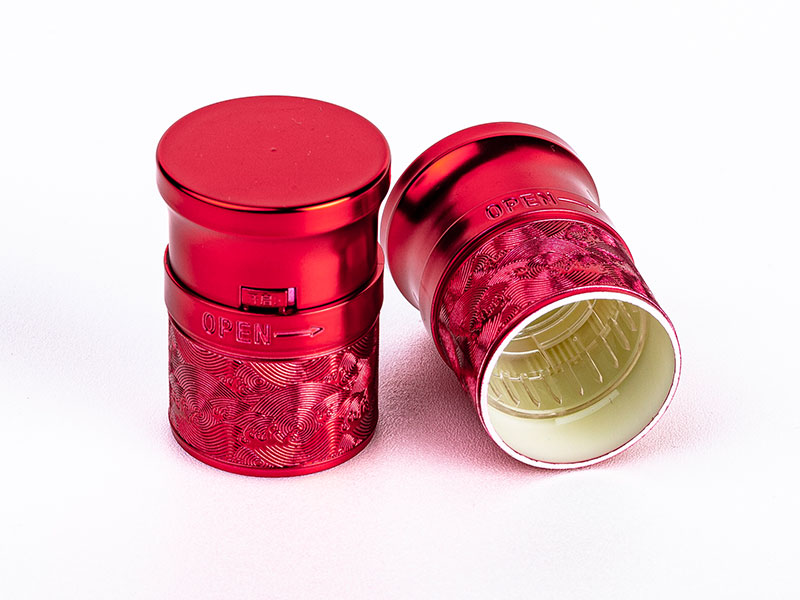


30x60mm Aluminum Screw Caps for Wine Bottles with Anti Leak Mechanism
30x60mm Aluminum Screw Caps for Wine Bottles with Anti‑Leak Mechanism: Engineering the "Quiet Seal" That Protects Flavor
In wine packaging, the most important component is often the least celebrated: the closure. A 30x60mm aluminum screw cap for wine bottles looks deceptively simple, yet it acts like a compact pressure vessel interface-managing oxygen transmission, preventing leakage under temperature swings, and preserving aromatic compounds that would otherwise evaporate or oxidize.
Why 30x60mm Matters: Geometry as a Stability Tool
The 30x60mm format is widely used for wine because it balances gripping height with controlled deformation. The 60mm skirt provides enough axial length to distribute forming stresses during capping, helping the cap maintain consistent thread engagement without "spring-back" surprises. This is critical when bottles experience vibration, temperature cycling during shipping, or short-term internal pressure changes due to dissolved gases and thermal expansion.
From a performance standpoint, the cap's dimensions are not just "size"-they are the closure's mechanical leverage. A slightly taller skirt can increase the contact area between threads and glass finish, enabling the anti‑leak system (liner + torque + thread interface) to operate with a wider safety margin.
The Anti‑Leak Mechanism: A Three‑Layer Defense
A wine screw cap's anti‑leak function is best understood as a three-part seal, not a single feature.
Elastic sealing layer (liner)The liner is the primary liquid seal and the oxygen control gatekeeper. Anti‑leak performance depends on compressive recovery, low compression set, and stable behavior in contact with ethanol vapor and wine acidity.
Common liner structures in anti‑leak wine closures include:
- Saranex-type liners (co-extruded structures that manage moderate oxygen ingress)
- Tin/Saran (low OTR) liners when very low oxygen transmission is desired for long aging profiles
Selection is driven by wine style, target shelf life, and reductive vs oxidative aging preference.
Thread and finish interfaceA cap does not "hold" by brute force; it holds by controlled thread engagement that converts torque into axial compression on the liner. The anti‑leak reliability is sensitive to glass finish tolerances, thread pitch accuracy, and lubrication/friction characteristics created by coating systems inside the cap.
Controlled deformation of the skirtDuring application, the skirt is rolled and formed onto the bottle finish. Proper alloy temper ensures the skirt deforms predictably without cracking, while still providing enough resilience to resist loosening.
Seen together, the anti‑leak mechanism is essentially a composite gasketed joint engineered to remain sealed under thermal cycling, minor impacts, and storage in horizontal positions.
Technical Parameters of 30x60mm Aluminum Screw Caps for Wine Bottles
Below are typical parameters that buyers, bottling engineers, and QA teams evaluate. Final values are tuned to the bottle finish standard, liner type, and the intended torque window.
Core dimensions and build
- Cap size: 30 x 60 mm (nominal)
- Skirt height: 60 mm
- Nominal diameter: 30 mm
- Thread type: Compatible with common wine bottle screw finishes such as MCA/BVS 30 mm family (finish confirmation recommended before mass production)
- Aluminum sheet thickness (typical): 0.20–0.23 mm (optimized for formability and torque retention)
- Liner thickness (typical): 1.0–2.2 mm, depending on structure and oxygen target
- Finish options: ROPP-compatible external knurling; matte/gloss; embossed/debossed branding; color coating with food-contact compliant systems
Sealing and application performance
- Recommended application torque (typical operating window): 14–20 lbf·in (about 1.6–2.3 N·m) depending on glass finish and liner
- Removal torque target: set to user experience and retention needs; typically engineered to remain stable after temperature cycling
- Anti‑leak performance: designed for no seepage under inversion and thermal cycling tests when applied within the validated torque range
- Tamper evidence: breakable TE band available; bridge count and band design customized to line behavior and market expectations
These parameters are best validated as a system: cap + liner + bottle finish + capper head + torque management.
Implementation Standards and Quality References (Naturally Aligned with Closure Performance)
A reliable anti‑leak closure isn't just "made to size"-it is made to behave consistently. In industry practice, manufacturers typically align design and testing with widely adopted standards and compliance frameworks such as:
- EN 14848 for packaging closures and screw caps (dimensional and functional conventions within closure systems)
- ASTM methods commonly used for coatings and corrosion behavior evaluation (for example, cross-hatch adhesion and environmental resistance methods used by packaging coaters)
- EU Framework Regulation EC 1935/2004 and Good Manufacturing Practice EC 2023/2006 for food-contact packaging in EU markets
- FDA 21 CFR relevant sections for indirect food additives (as applicable to coating and liner constituents in the US market)
- Internal QA protocols typically include dimensional checks, thread gauge verification, liner compression consistency, torque audits, and leakage simulation under temperature cycling
In practice, the "standard" that matters most is the one that connects to your bottling line: validated torque window, low defect rate, and consistent liner seating under real capping speed.
Alloy Choice and Tempering: Why Closure Aluminum Is Not "Just Aluminum"
A 30x60mm wine screw cap must be formable enough to roll clean threads and tamper bands, yet strong enough to resist permanent deformation that can lead to torque loss or micro-leaks. That balance comes from alloy selection and temper control.
Closure stock commonly uses 3xxx-series aluminum (manganese-bearing) because it offers:
- Excellent formability for deep drawing and roll forming
- Stable mechanical properties across coils
- Good corrosion resistance in humid environments and under coating systems
Typical alloy and temper options used in closure manufacturing include:
- AA 3105 (H14/H16) for a strong balance of formability and stiffness
- AA 3003 (H14) as an alternative with good drawability and widely available coil stock
- AA 8011 (H14/H16) also used in some packaging applications where process tuning supports it
Temper viewpoint: the "memory" of the skirt
Temper is not just a hardness label; it dictates how the skirt "remembers" its formed shape. Too soft, and the cap may relax and lose sealing pressure over time. Too hard, and micro-cracks can develop at high-strain zones during forming, especially around knurls, bridges, or thread features. For anti‑leak performance, closure temper is tuned so the skirt achieves controlled plastic deformation during application while maintaining adequate elastic recovery to keep the liner compressed.
Chemical Composition: Closure-Grade Aluminum Reference Table
Actual mill certificates govern final purchase, but the following table provides typical composition limits for commonly used aluminum alloys in closure stock. Values are expressed as mass percent.
| Alloy (AA) | Si | Fe | Cu | Mn | Mg | Zn | Cr | Ti | Al |
|---|---|---|---|---|---|---|---|---|---|
| 3105 | ≤0.60 | ≤0.70 | ≤0.30 | 0.30–0.80 | 0.20–0.80 | ≤0.40 | ≤0.10 | ≤0.10 | Balance |
| 3003 | ≤0.60 | ≤0.70 | 0.05–0.20 | 1.00–1.50 | ≤0.05 | ≤0.10 | - | - | Balance |
| 8011 | 0.50–0.90 | 0.60–1.00 | ≤0.10 | ≤0.20 | ≤0.05 | ≤0.10 | ≤0.10 | ≤0.08 | Balance |
Notes for buyers and engineers:
- Fe and Si influence formability and potential for earing in drawing; good coil control improves consistency.
- Mn improves strength and work-hardening behavior, useful for torque retention and skirt stability.
- Composition is only part of the story; coating system, liner, and forming parameters complete the performance profile.
A wine bottle closure lives in a harsh micro-environment: humidity, occasional salt exposure during shipping, and volatile organic compounds from wine headspace. Anti‑leak reliability is supported by interior and exterior coatings that protect aluminum and stabilize friction during application.
coating expectations for quality closures include:
- Food-contact compliant coating formulations
- Strong adhesion after forming, especially near knurls and thread features
- Resistance to scuffing and chemical exposure in wet packing environments
- Controlled coefficient of friction to help deliver consistent application torque without galling or slip
A well-designed coating system is not merely aesthetic; it is part of the torque-to-seal conversion system.
Anti‑Leak Performance in Real Life: What Causes Leaks and How a Good Cap Prevents Them
Leakage is usually not caused by one dramatic failure, but by small inconsistencies accumulating:
- Torque drift due to capper head wear or lubrication changes
- Glass finish variation (ovalization, thread defects, out-of-spec land height)
- Liner compression set after heat exposure
- Skirt relaxation if temper is mismatched to forming strain
- Coating friction instability that changes thread engagement behavior
A purpose-built 30x60mm aluminum screw cap with anti‑leak mechanism addresses these risks by:
- Using an alloy/temper combination that forms cleanly and holds shape
- Pairing liner structure to the wine's oxygen and sealing requirements
- Maintaining tight dimensional tolerances so the cap seats consistently
- Applying coating systems that keep friction and corrosion behavior stable
Product Positioning for Wineries and Brands: The Closure as a Signature, Not an Afterthought
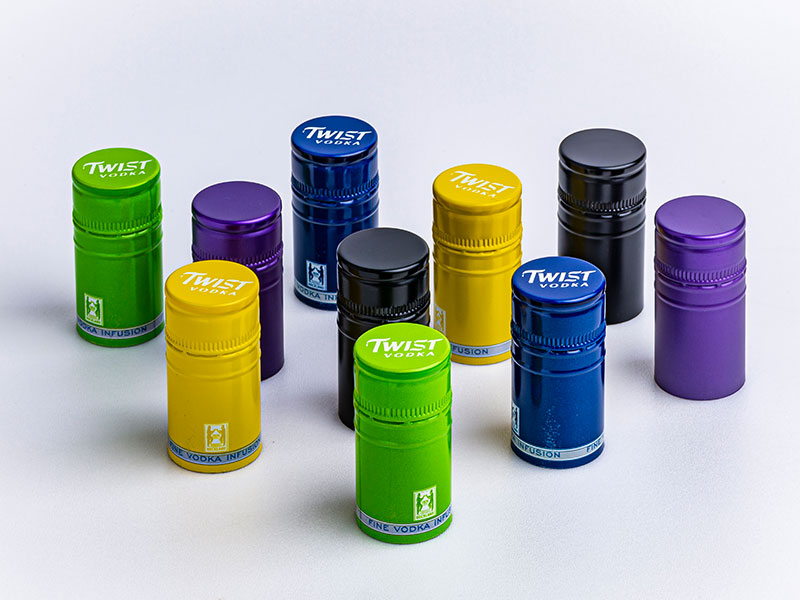
From a brand standpoint, a 30x60mm aluminum screw cap can do what cork cannot always guarantee: repeatable sealing and predictable performance for modern distribution. It also becomes a visual signature through custom color, embossing, and tactile knurl patterns-without sacrificing the engineering that protects the wine.
If your goal is fewer line stoppages, fewer customer complaints about seepage, and more consistent bottle opening experience across markets, the closure should be specified with the same seriousness as the bottle and label.
You're buying a compact engineered system where:
- Alloy chemistry and temper determine how the skirt forms and holds torque
- Liner design determines sealing integrity and oxygen management
- Thread geometry and coatings convert application torque into a stable seal
- Standards and QA discipline keep that performance consistent at scale