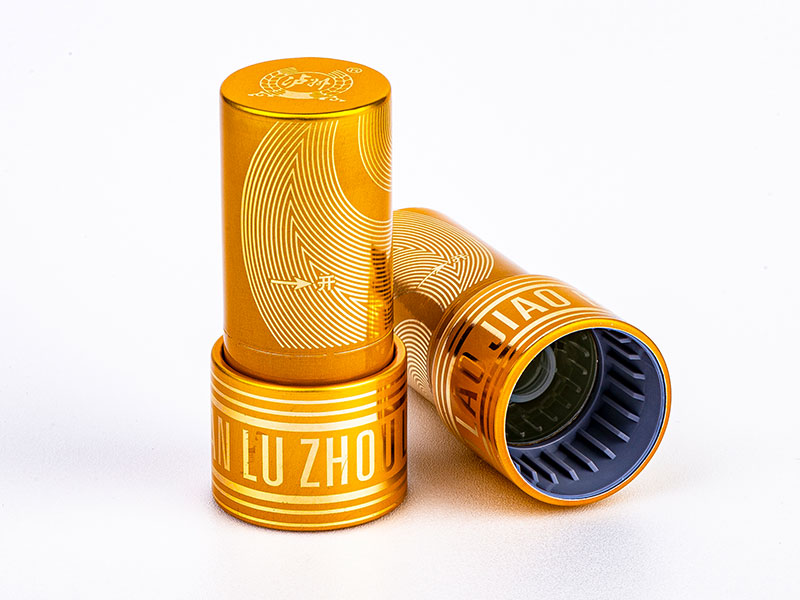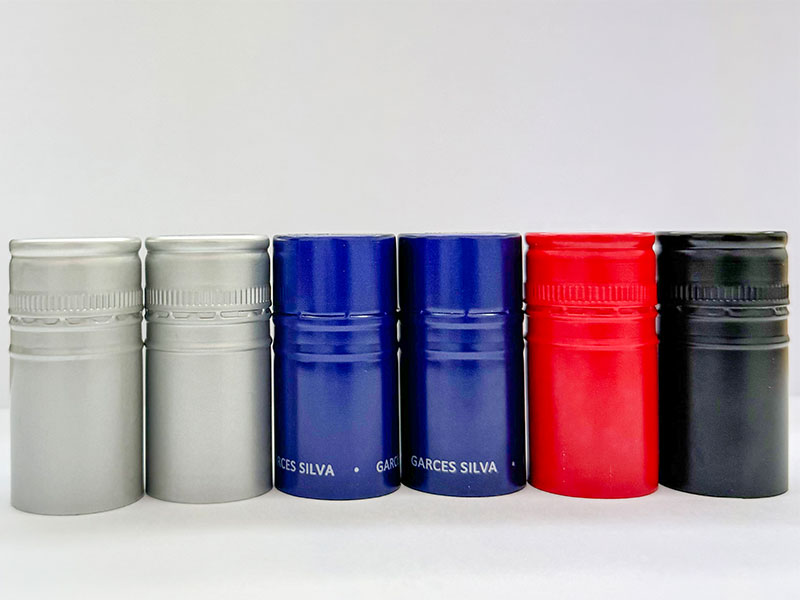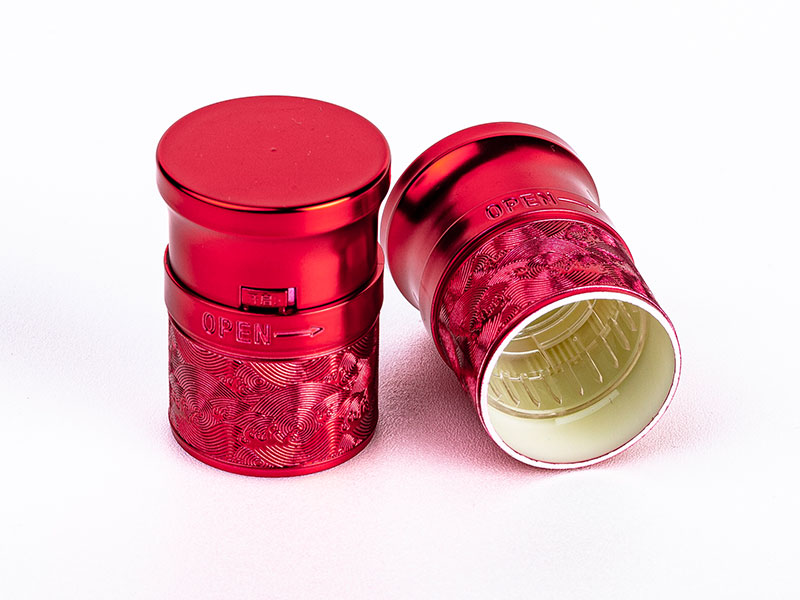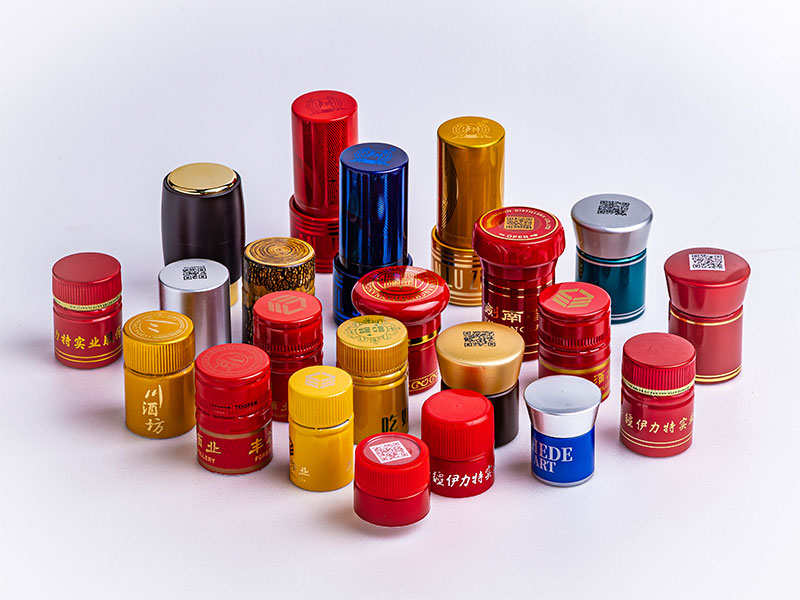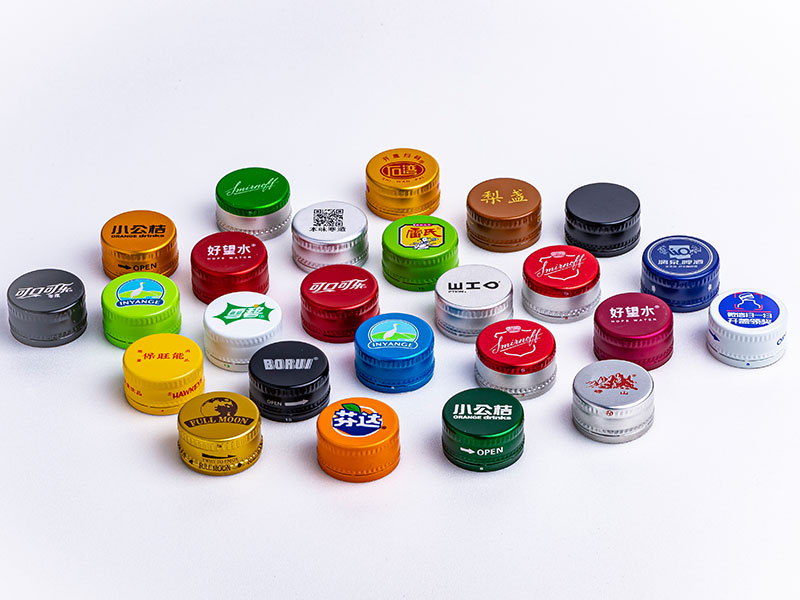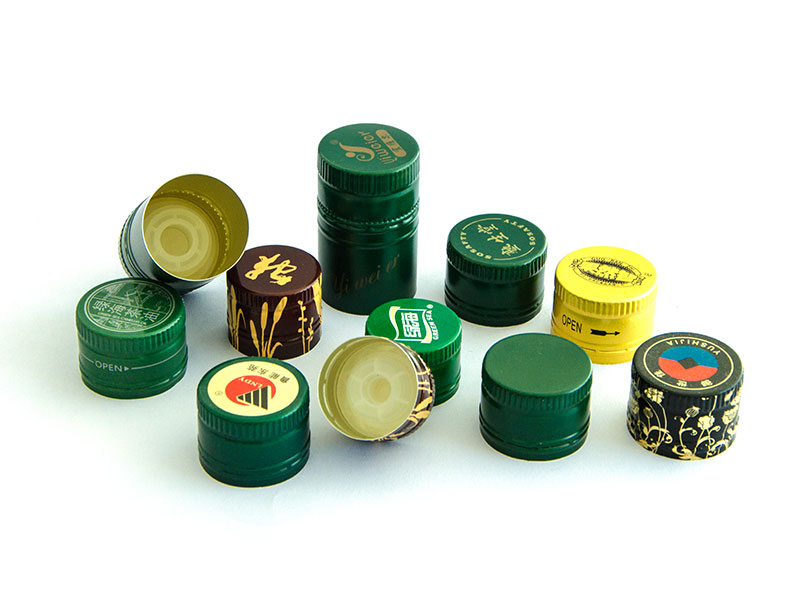


Aluminum Soda Caps with Leak Proof Features for Bottled Beverages
Aluminum Soda Caps with Leak Proof Features for Bottled Beverages: Engineering "Quiet Integrity" at the Bottle Neck
The most successful aluminum soda cap is almost invisible in use. It doesn't squeak, seep, balloon, back off, or leave a sticky ring on a retailer's shelf. Yet it quietly manages pressure pulses from carbonation, temperature swings in logistics, and the repeated micro-stresses of opening and resealing. From a manufacturing standpoint, a leak proof aluminum soda cap is less a "lid" and more a precision-formed metal component that behaves like a spring, a gasket carrier, and a corrosion shield-simultaneously.
Why Leak Proof Performance is a Materials Problem First
Most cap leaks don't come from dramatic failures. They come from stress relaxation and microscopic loss of contact pressure at the sealing land. When internal pressure rises (carbonated drinks), or when the bottle cools after hot-fill, the cap must keep applying enough compressive force to the liner so the liner continues to "wet" the bottle finish.
That is where aluminum earns its place. Properly selected aluminum alloy and temper provide:
- Predictable formability for tight tolerances at the skirt and thread profile
- Elastic recovery ("springback" control) that helps maintain sealing load
- Corrosion resistance against acidic beverages and aggressive cleaning environments
- Lightweight efficiency for high-speed capping lines
In practical terms, leak proof aluminum soda caps are the result of a balanced triad:
- Metal shell geometry that distributes load evenly
- Alloy/temper selection that stabilizes the cap's mechanical behavior
- Liner system engineered for gas barrier + compression set resistance
What "Leak Proof" Means on a Bottling Line
A leak proof cap is not only "no drips." In production, it means the closure system remains stable across the entire chain:
- High-speed application with repeatable torque window
- Carbonation pressure retention without micro-channel formation
- Resistance to side-loads during conveying and case packing
- No weeping during thermal cycling, cold chain, or altitude changes
- Consistent opening experience without thread galling or liner tearing
Leak proof reliability is validated by pressure holding tests, torque retention checks, vacuum/pressure decay inspection, and aging protocols that simulate warehouse conditions.
Parameters for Aluminum Soda Caps Used on Bottled Beverages
These are typical engineering parameters used to specify aluminum bottle caps for soda, sparkling water, flavored drinks, and mixed beverages. Final values depend on bottle finish standards, liner type, and filling method.
- Cap diameter range: commonly 28 mm and 38 mm families for beverage bottles; custom sizes available
- Shell thickness: typically 0.20–0.28 mm for beverage-grade aluminum caps (selected for forming stability and sealing load)
- Skirt height: tuned to thread engagement depth and tamper-evidence band design
- Thread profile: matched to bottle finish (common PCO beverage finishes) for controlled torque and resealability
- Application torque window: set by bottler to ensure liner compression without over-stressing threads
- Internal pressure resistance: designed for carbonated products, often validated above expected service pressure with safety margin
- Liner compression set: critical to maintain seal after storage; chosen per beverage acidity and temperature exposure
- Coating system: internal lacquer for corrosion protection; external coating/ink for branding and scuff resistance
A useful way to think about these parameters is that the cap must behave like a calibrated clamp. Too stiff and it cracks liner or causes inconsistent torque. Too soft and it relaxes, and the seal fades.
Alloy Selection: Why the "Right Aluminum" Feels Like a Mechanical Setting
Aluminum cap shells are commonly produced from 3xxx or 5xxx series alloys, selected for a specific combination of drawability, strength, corrosion resistance, and surface finishing.
- AA 3003 / 3105 (Al–Mn family) is widely used where excellent forming and stable coating performance are priorities.
- AA 5052 (Al–Mg family) is favored when higher strength and improved resistance in demanding environments is required, while still maintaining workable formability.
From the leak proof perspective, alloy choice is about how consistently the shell can be formed into a geometry that maintains sealing stress. A cap that measures "in spec" but varies in yield behavior can create sealing inconsistency at scale.
Tempering and Mechanical Behavior: The Hidden Lever Behind Torque Retention
Temper affects how the aluminum responds during forming and later during cap application. For caps, material is typically supplied in conditions that support deep drawing and then maintain adequate strength.
Common temper conditions used in aluminum cap stock include:
- H14 / H16: strain-hardened tempers with moderate strength and good forming performance
- H24 / H26: strain-hardened and partially annealed, balancing ductility and dimensional stability
- O (annealed): very high formability for specific forming routes, though strength must be ensured by design
For leak proof performance, the goal is to manage:
- Springback control, so the skirt and thread geometry settle correctly on the bottle finish
- Creep and stress relaxation, so sealing load remains after weeks of storage
- Edge integrity, so the curl and skirt edge do not create micro-leak paths or liner damage
Implementation Standards and Compatibility Targets
Aluminum soda caps are engineered to align with common beverage packaging norms and quality systems. Implementation typically references:
- Bottle finish standards such as PCO beverage finish families, ensuring cap threads and sealing land match the neck geometry
- Food-contact compliance for coatings and liners, aligned with applicable regulations in the target market
- Quality management systems such as ISO-based manufacturing controls, with traceability on alloy, coating batches, and liner lots
- Performance verification through torque testing, pressure retention, thermal cycling, and drop/transport simulations
In practice, "standard compliance" is not a paperwork exercise; it is how cap makers keep the closure predictable across millions of units, multiple filling lines, and seasonal temperature extremes.
How Leak Proof Features Are Built into the Cap Design
Leak proof aluminum soda caps typically integrate multiple sealing strategies that work together rather than relying on a single point of contact.
- Controlled top panel stiffness to distribute load uniformly across the liner
- Optimized curl geometry to avoid liner cutting and maintain consistent compression
- Precision thread forming to reduce torque scatter and prevent backing off after application
- Tamper-evident band engineering that breaks cleanly without distorting the skirt
- Internal lacquer + liner pairing to protect against corrosion and preserve sealing surface integrity
This is why leak proof performance is best achieved by co-designing the shell alloy/temper, the forming process, and the liner-not selecting them independently.
Chemical Properties Table: Typical Composition of Common Cap Alloys
Below is a practical chemical composition reference for widely used aluminum alloys suitable for bottle cap shells. Values are typical limits from standard alloy specifications; final certification should follow the relevant material standard for your supply chain.
| Alloy (AA) | Si (max %) | Fe (max %) | Cu (max %) | Mn (%) | Mg (%) | Zn (max %) | Cr (max %) | Al |
|---|---|---|---|---|---|---|---|---|
| 3003 | 0.60 | 0.70 | 0.05–0.20 | 1.00–1.50 | 0.00 | 0.10 | 0.00 | Balance |
| 3105 | 0.60 | 0.70 | 0.30 | 0.30–0.80 | 0.20–0.80 | 0.40 | 0.20 | Balance |
| 5052 | 0.25 | 0.40 | 0.10 | 0.10 | 2.20–2.80 | 0.10 | 0.15–0.35 | Balance |
Material selection is often driven by forming route and performance targets. For example, Al–Mn alloys can offer excellent drawability and coating friendliness, while Al–Mg alloys can improve strength and fatigue resistance in more demanding distribution environments.
Coatings, Corrosion, and Beverage Chemistry: The Part People Forget
Carbonated beverages and flavored drinks can be chemically aggressive in subtle ways. Acidulants, dissolved CO₂, and trace ions can amplify corrosion risk if the internal surface isn't protected. That's why aluminum soda caps intended for bottled beverages typically use:
- Internal food-grade lacquer to isolate the metal from condensate and splashes
- Exterior protective coating for abrasion resistance and print durability
- Liner materials selected for low odor, low extractables, and stable compression set
When corrosion is controlled, leak proof features last longer because the sealing surface remains smooth and consistent rather than becoming pitted or contaminated.
Manufacturing Viewpoint: Leak Proof Quality Is a Process, Not a Claim
In high-volume cap production, leak proof performance is secured through manufacturing discipline:
- Incoming coil control for thickness, temper, and surface quality
- Forming process stability to maintain curl, thread, and panel dimensions
- Coating cure verification to prevent under-cure (soft) or over-cure (brittle) films
- Liner application consistency for concentricity and weight control
- On-line inspection for skirt cracks, split curls, or thread defects
- Functional tests that reflect real bottling conditions, not only lab ideals
Why Aluminum Soda Caps Are a Strategic Choice for Modern Beverage Brands
Beyond sealing performance, aluminum bottle caps offer branding and sustainability advantages:
- High-quality print and decoration options with durable coatings
- Light weight and efficient transportation
- Strong compatibility with recycling systems when properly separated and processed
- Premium tactile feel that signals quality in sparkling beverages and functional drinks
Yet the decisive advantage remains performance: a well-engineered aluminum soda cap can deliver a stable seal, consistent torque, and long shelf-life confidence-even for lively carbonated beverages.