

Aluminum Wine Closures for Bottles with Adjustable Sealing Capacity
Aluminum Wine Closures for Bottles with Adjustable Sealing Capacity
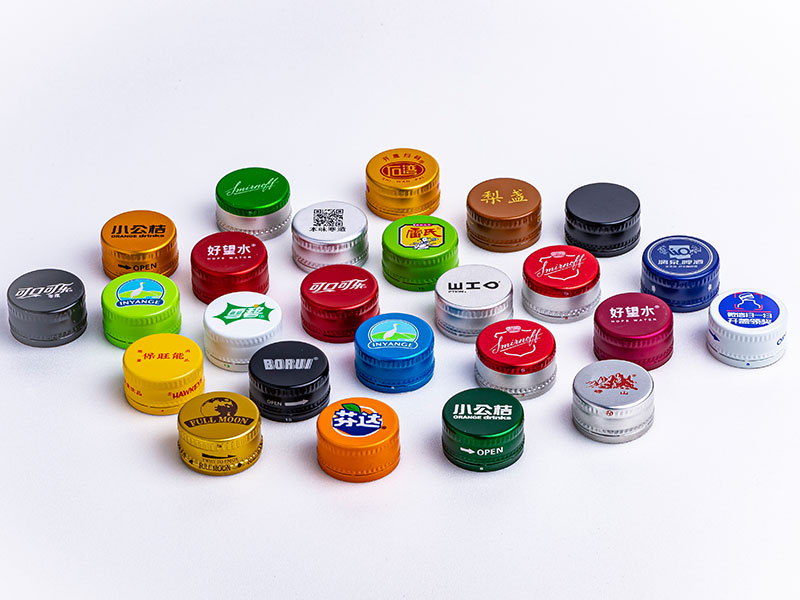
Wine closures look simple until you treat them like what they really are: a tiny, precision-controlled atmosphere manager. Between the moment a wine is bottled and the moment it's poured, the closure decides how much oxygen enters, how aroma compounds evolve, and how consistently the wine tastes across an entire production lot. Aluminum wine closures with adjustable sealing capacity approach this job from a modern, engineering-led perspective. They don't just "close a bottle"-they help producers tune the aging curve, protect freshness, and reduce variability in storage and transport.
What "adjustable sealing capacity" means in real use
In the context of aluminum closures, "adjustable sealing capacity" usually refers to controlling the seal behavior through the liner system and the forming design of the cap skirt. Instead of a one-size-fits-all seal, producers can specify liner materials, thickness, and compression response to match wine style and distribution conditions.
For aromatic whites or rosés destined for quick consumption, you may want a stronger barrier that slows oxygen ingress and preserves bright esters. For styles where gentle evolution is desired, a liner with controlled permeability can be selected. The closure becomes a dial rather than a switch-one that can be tuned by changing liner formulation, applying different liner structures (such as Saranex-type or PVDC-free high-barrier variants), and optimizing compression at application.
In practice, adjustability is achieved through a combination of:
- Liner selection and geometry that influences oxygen transmission and compression set
- Cap thread and skirt design that affects how force is distributed during application
- Controlled application torque and consistent bottle finish dimensions
- Surface treatments and coatings that maintain seal integrity under humidity, temperature swings, and acidic vapor exposure
parameters customers should care about
When buyers evaluate aluminum wine closures, the most meaningful parameters are the ones that determine seal stability, application reliability, and long-term chemical compatibility.
Typical closure specifications (common industry ranges):
- Cap type: Aluminum screw cap for wine bottles (e.g., compatible with common "BVS" finishes)
- Nominal diameter: 30 mm (widely used), other diameters available by bottle finish
- Height: commonly 35–60 mm depending on aesthetic and branding needs
- Thread profile: matched to bottle finish standard; consistent thread forming is essential for repeatable torque
- Wall thickness (aluminum shell): often in the 0.20–0.23 mm range depending on design and stiffness targets
- Liner thickness: commonly 1.0–2.0 mm depending on sealing design and permeability goals
- Recommended application torque: commonly controlled within a narrow window set by bottling line trials and bottle finish tolerance
- Leak resistance: validated by pressure/vacuum testing and hot/cold cycling appropriate to distribution routes
A helpful way to think about these parameters is to treat the closure like a gasketed mechanical joint. The aluminum provides structure and uniform compression; the liner provides the actual seal and controls micro-exchange with the environment. Small deviations in bottle finish, torque, or liner compression can translate to sensory differences months later-especially for wines sensitive to oxidation.
Implementation standards and production controls
Aluminum wine closures for export markets are typically produced and verified under quality systems aligned with ISO 9001. For food-contact and beverage packaging, factories often implement GMP-style hygiene controls and material traceability.
Common implementation and reference expectations include:
- Bottle finish compatibility: closures are matched to standardized glass finishes used in wine packaging (regional standards vary; compatibility should be confirmed with the bottle supplier)
- Food-contact compliance: coatings and liners should meet applicable regulations for the target market, such as EU food-contact framework requirements or FDA-related expectations in the United States
- Migration and sensory neutrality: liners and internal coatings should be designed to avoid odor transfer, plasticizer taste, or interaction with acidic wine vapors
- Performance verification: torque retention, bridge break consistency (for tamper evidence), leakage tests, and thermal cycling tests are typically conducted as part of lot qualification
Alloy tempering and why it matters to sealing consistency
From a distance, all aluminum looks the same. In closure manufacturing, alloy choice and temper determine formability, springback, hardness, and how reliably the skirt crimps and holds torque over time.
A common alloy family for closures is AA 8011 or AA 3003, selected for good formability and corrosion performance when coated. Temper is often chosen to balance drawability and strength, with H14 or H16 tempers frequently used in thin-gauge formed packaging components.
- A softer temper improves forming and reduces cracking risk during deep drawing and thread forming.
- A harder temper improves dent resistance and can help maintain shape under handling, but may demand tighter process control to prevent splits or inconsistent forming.
The "adjustable sealing capacity" concept benefits directly from stable metallurgy: consistent yield strength and elongation mean the closure applies predictable compression to the liner across high-speed bottling lines.
Surface treatments and internal coatings
Wine is acidic, and the headspace can carry vapor components that challenge bare metal. For this reason, aluminum wine closures typically incorporate:
- External lacquer or decorative coatings to protect against scratches and provide branding
- Internal protective lacquer compatible with beverage contact and resistant to acidic environments
- Optional anti-scuff or lubricity coatings to improve line performance and reduce cosmetic defects
The coating system is as important as the alloy because it governs corrosion resistance and prevents metallic interaction with condensate inside the cap.
Chemical properties of common closure aluminum alloys
The table below lists typical nominal composition ranges used for reference in closure-grade aluminum sheet/coil. Actual specifications depend on supplier standards and should be confirmed per mill certificate for each lot.
| Alloy (typical for closures) | Si (%) | Fe (%) | Cu (%) | Mn (%) | Mg (%) | Zn (%) | Ti (%) | Al |
|---|---|---|---|---|---|---|---|---|
| AA 8011 (typical) | 0.5–0.9 | 0.6–1.0 | ≤0.10 | ≤0.20 | ≤0.10 | ≤0.10 | ≤0.08 | Balance |
| AA 3003 (typical) | ≤0.60 | ≤0.70 | 0.05–0.20 | 1.0–1.5 | ≤0.05 | ≤0.10 | ≤0.10 | Balance |
| AA 3105 (typical) | ≤0.60 | ≤0.70 | ≤0.30 | 0.3–0.8 | 0.2–0.8 | ≤0.40 | ≤0.10 | Balance |
These alloys are favored not because they are exotic, but because they are predictable. In closures, predictability is performance: the same torque behavior, the same seal compression, the same opening feel, and the same protection from oxygen drift bottle to bottle.
A distinctive viewpoint: closures as "microclimate engineering"
If you view wine closures as a design surface for branding, aluminum wins on print quality and shelf presence. If you view them as a mechanical component, aluminum wins on precision, repeatability, and automation compatibility. But the most useful perspective for wineries is to treat aluminum wine closures as microclimate engineering.
Adjustable sealing capacity gives you a tool to align packaging with your wine's intended life. It supports:
- Freshness protection for wines that should taste like the day they were bottled
- Controlled evolution for styles where small oxygen exposure is part of the sensory target
- Reduced risk of cork taint and improved lot consistency
- Strong tamper evidence and reliable reseal behavior for modern consumption habits
What to confirm when purchasing
Before finalizing a closure, it's wise to confirm the bottle finish standard, target torque window, liner type, and the distribution profile (hot climates, long shipping, high humidity). Matching these variables is the difference between a closure that merely fits and one that performs.
Aluminum wine closures with adjustable sealing capacity are not just a packaging trend-they're a practical way to turn sealing into a controllable, measurable part of wine quality. When specified correctly, the closure becomes an extension of the winemaker's intent, protecting aroma, managing time, and delivering a consistent experience from the first bottle to the last.