

30x60mm Aluminum Closures for Wine Bottles with Twist On Feature
30x60mm Aluminum Closures for Wine Bottles with Twist On Feature: The "Quiet Upgrade" Your Bottle Deserves
Most people notice a wine label before they notice a closure. Yet the closure is the first mechanical interaction your customer has with the bottle, and often the last detail they remember when resealing it. A 30x60mm aluminum closure with a twist on feature is a small component that carries a surprisingly big responsibility: it must protect aroma, manage pressure changes, open smoothly, reseal reliably, and look premium while doing it.
What "30x60mm" Means in Real-World Use
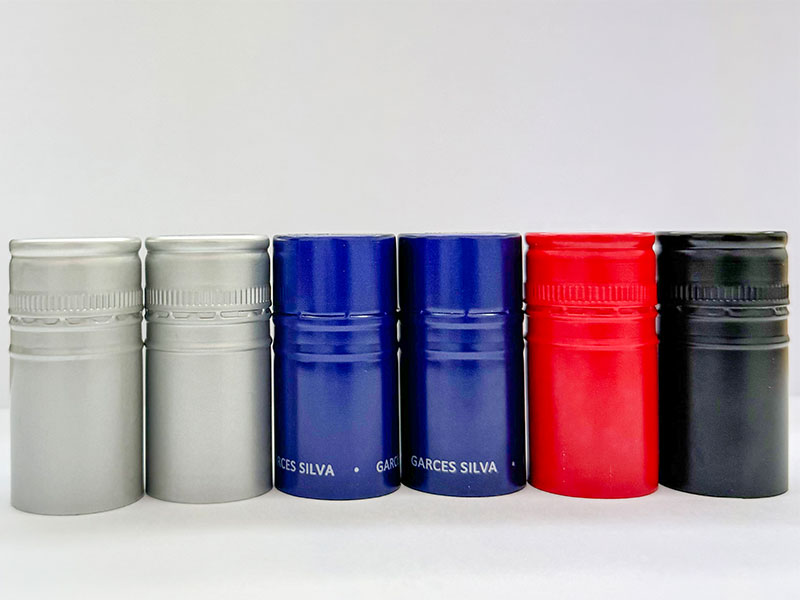
The 30x60mm format is widely used for wine bottles designed for aluminum screw closures, particularly those with a BVS (Bague Vin Seal) or similar threaded finish.
dimensional parameters commonly associated with 30x60mm twist closures include:
- Nominal diameter: 30 mm
- Skirt length (overall height): 60 mm
- Application type: Roll-on pilfer-proof (ROPP) twist-on/twist-off
- Bottle finish compatibility: typically BVS 30 mm threaded neck finishes (exact thread profile depends on glass supplier and regional standard)
That 60 mm skirt length is not just aesthetic. It improves grip, adds a more elegant silhouette, and provides more surface area for branding, embossing, and consistent crimping during roll-on application.
Twist On Feature: A User Experience That Also Protects the Wine
A twist-on closure succeeds when it feels effortless but seals like a vault. The "twist on" feature is created through ROPP application: the cap is placed over the bottle finish, then rollers form the aluminum into threads that match the glass. This is why the cap material must be both strong and formable.
Practical benefits for wineries and consumers include:
- Consistent opening torque: a well-designed thread profile and liner create a predictable first-opening experience
- Reseal performance: customers can reseal the bottle without hunting for a cork
- Tamper evidence: the pilfer band breaks cleanly on first opening, signaling integrity
- Lower risk of cork taint: no cork, no TCA-related contamination path
- High line efficiency: closures are designed for high-speed capping with stable torque windows
Material and Alloy Tempering: Why the Aluminum Matters
Aluminum closures are typically produced from specialized aluminum sheet (often called closure stock). The alloy and temper determine how the cap behaves under ROPP forming and how it resists denting in shipping.
Common alloys used for aluminum bottle closures include:
- AA 8011 (widely used closure stock, good formability and strength balance)
- AA 3105 (also common, good corrosion resistance and formability)
- AA 5052 (higher strength, used in some applications, though less typical for deep forming than 8011)
Typical tempers seen in closure manufacturing:
- H14 / H16 / H18: strain-hardened tempers, chosen to balance formability with stiffness
- H19: higher hardness, used when more rigidity is required, depending on forming needs
For 30x60mm wine closures, producers often favor a temper that can survive thread rolling without cracking while still providing a premium "solid" feel in the hand. Too soft and the skirt dents easily; too hard and thread formation can become less forgiving.
Implementation Standards and Quality Expectations
While closure specifications can be customized, wine screw caps often align with a combination of bottle-finish norms, packaging guidelines, and internal QA protocols. Frequently referenced frameworks include:
- ROPP closure dimensional conventions based on regional bottle finish standards
- Food-contact compliance depending on destination market (for liner and coatings) such as EU framework regulations and US FDA-related requirements
- Migration and organoleptic neutrality requirements to ensure the closure does not impart off-odors or flavors
- Torque and seal integrity testing including application torque, removal torque, and leakage testing after temperature cycling
In production, quality control typically focuses on:
- skirt roundness and thread formability
- coating adhesion and scratch resistance
- liner seating and compression behavior
- pilfer band break performance
- top load / buckle resistance for logistics
Surface Finishes, Coatings, and Branding Options
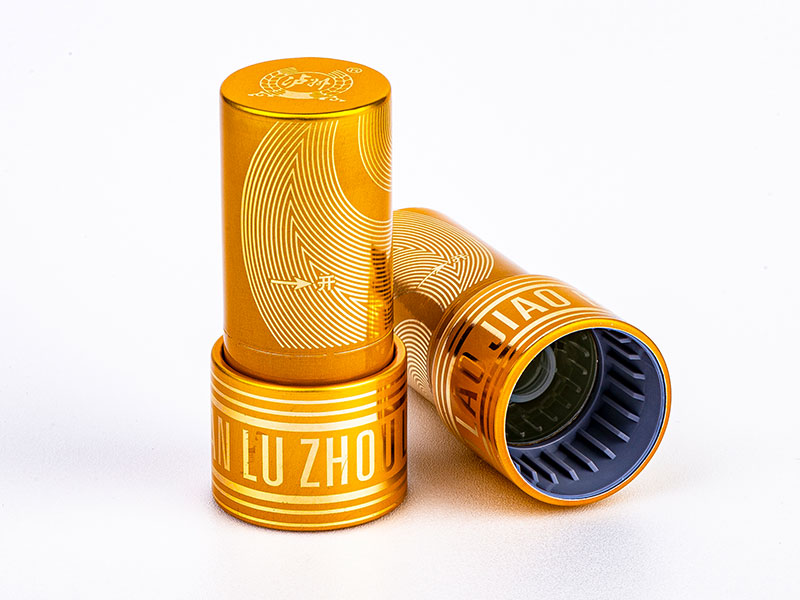
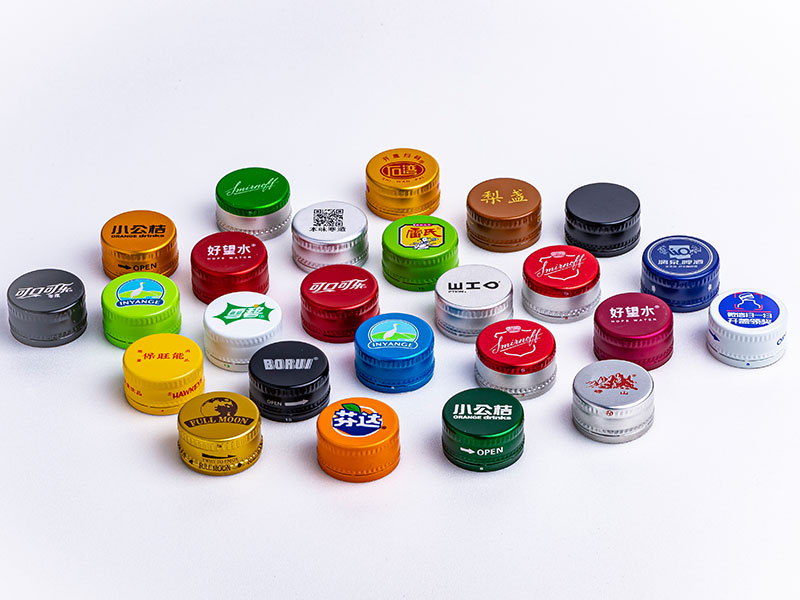
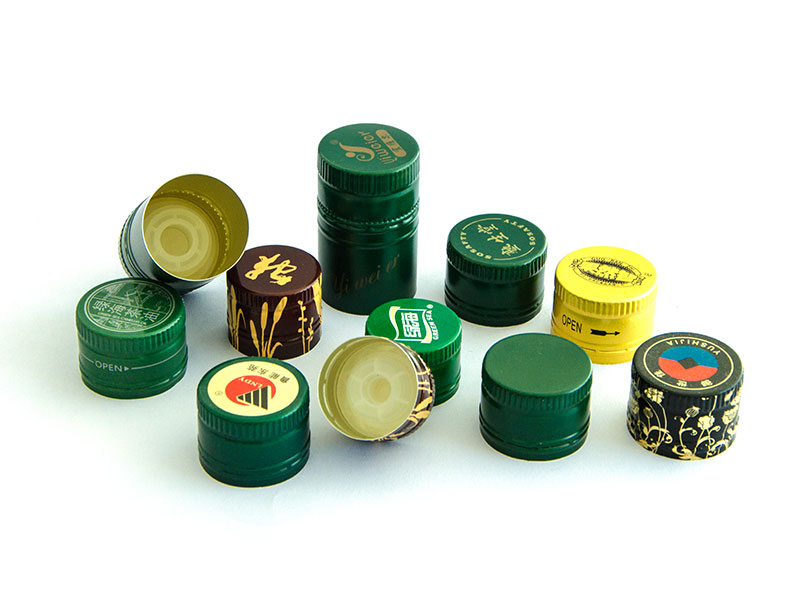
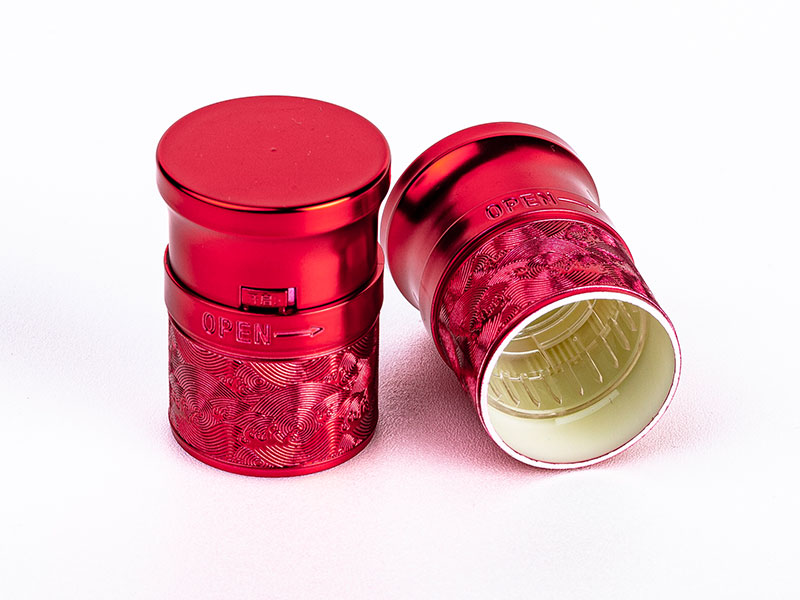
A 30x60mm aluminum closure is essentially a branding canvas. Common decorative treatments include:
- matte, gloss, satin, brushed-metal effects
- anodized look finishes or color coatings
- offset printing, UV printing, or hot stamping
- embossing and debossing on the top panel
- knurling patterns for grip and premium tactility
Underneath the visuals, internal coatings help resist corrosion and prevent interaction with moisture or wine vapors over time.
The Liner: The Hidden Seal That Determines Shelf Life
The liner is the closure's "seal engine." For wine, liner selection depends on the desired oxygen transmission rate (OTR), aroma retention goals, and wine style.
Common liner structures include:
- Saranex-based liners for balanced performance across many wine types
- PVDC-based barrier liners for very low OTR needs
- EVA or polyolefin layers as part of multi-layer systems for compression and recovery
If your brand is aiming for consistent bottle-to-bottle evolution, liner choice is not a minor detail. It's part of the winemaker's toolkit, just like barrel selection or filtration strategy.
Typical Technical Parameters (Reference Range)
Actual specifications vary by manufacturer and project, but buyers often evaluate closures using practical ranges such as:
- Diameter: 30.0 mm nominal
- Skirt length: 60.0 mm nominal
- Wall thickness (closure stock): commonly around 0.20–0.23 mm (customizable)
- Application method: ROPP capping with matched bottle finish
- Tamper-evident band: perforated or bridged design depending on preference
- Printing tolerance and color consistency: controlled by approved masters and batch QC
If you are matching to an existing bottle, the most efficient path is always to confirm the exact glass finish specification and conduct a capping trial to validate torque and seal.
Chemical Properties Table (Typical Aluminum Closure Alloys)
The table below lists typical composition limits for common closure-stock alloys. Values are representative reference ranges; exact limits depend on the specific standard and supplier certification.
| Alloy | Si (%) | Fe (%) | Cu (%) | Mn (%) | Mg (%) | Zn (%) | Ti (%) | Al (%) |
|---|---|---|---|---|---|---|---|---|
| AA 8011 | 0.50–0.90 | 0.60–1.00 | ≤0.10 | ≤0.20 | ≤0.10 | ≤0.10 | ≤0.08 | Balance |
| AA 3105 | ≤0.60 | ≤0.70 | ≤0.30 | 0.30–0.80 | 0.20–0.80 | ≤0.40 | ≤0.10 | Balance |
| AA 5052 | ≤0.25 | ≤0.40 | ≤0.10 | ≤0.10 | 2.20–2.80 | ≤0.10 | ≤0.15 | Balance |
Note on corrosion behavior: wine closures rely not only on base alloy resistance but also on coatings and the liner system, which together protect the closure from humidity, storage conditions, and handling wear.
Why Customers Choose 30x60mm Twist-On Aluminum Closures
The best reason is not "because screw caps are popular." It's because this format quietly removes friction from the wine experience while improving brand control. It offers premium shelf presence, consistent sealing, fast line application, and a practical opening ritual that fits modern consumption.
If you want a closure that behaves like a precision component but markets like a luxury accessory, 30x60mm aluminum twist-on wine closures are one of the most efficient upgrades you can make-without changing what's inside the bottle.