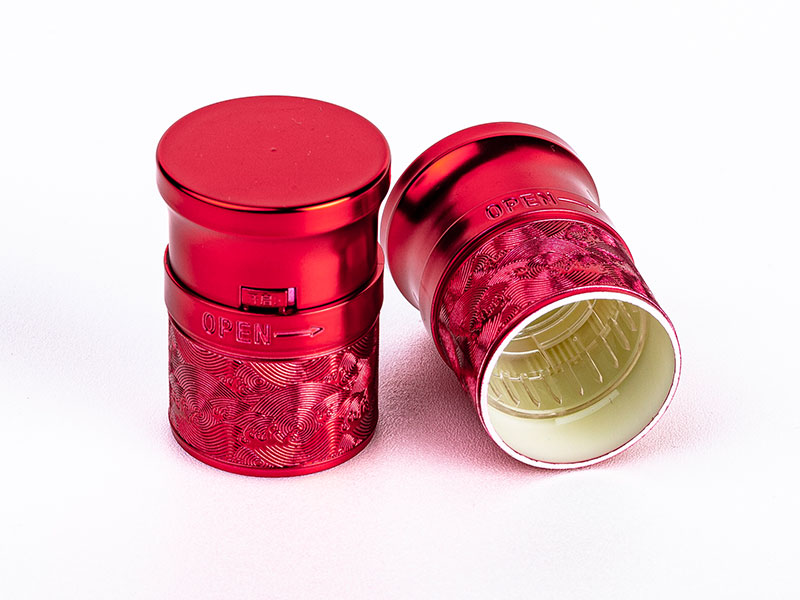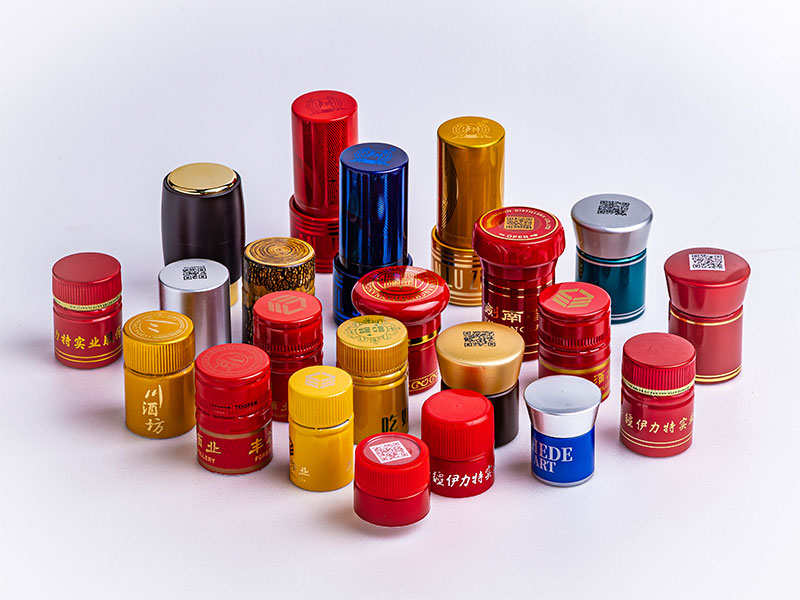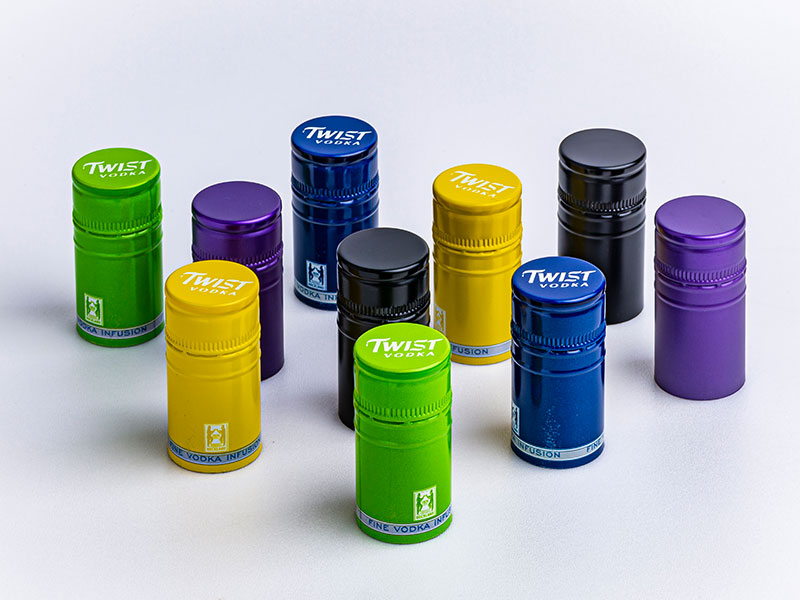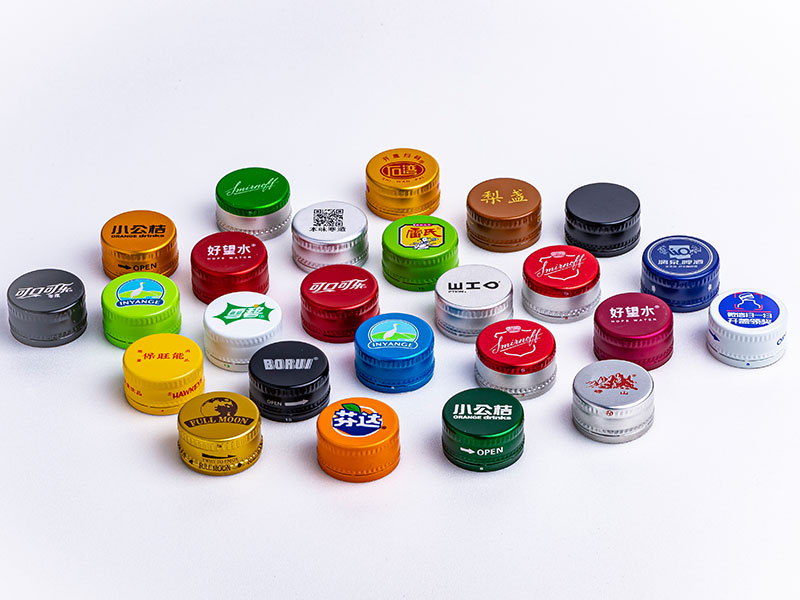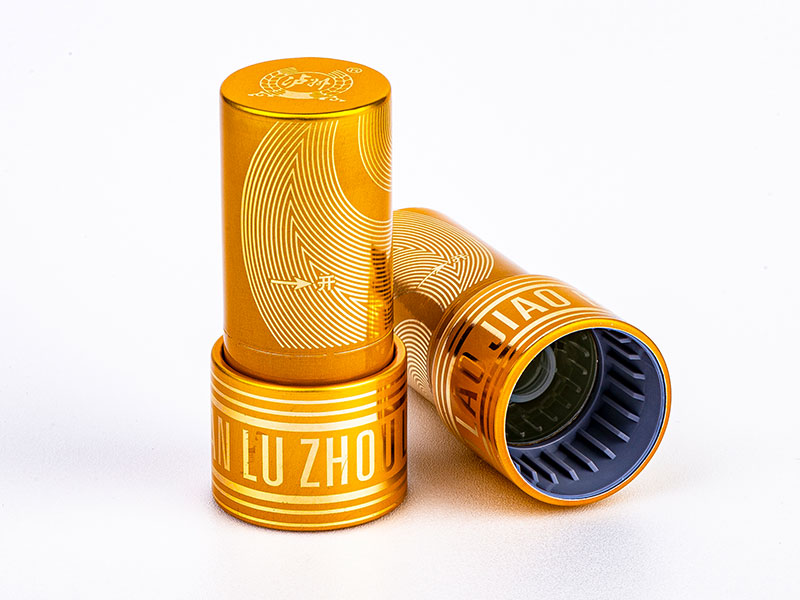


Aluminum Screw Caps for Wine Bottles with Anti Corrosion Coating
Aluminum Screw Caps for Wine Bottles with Anti‑Corrosion Coating: A "Micro‑Climate Shield" for Every Vintage
Wine packaging is often discussed as if it were only a closure choice: cork versus screw cap, tradition versus convenience. From a materials perspective, though, a modern aluminum screw cap for wine bottles with anti‑corrosion coating behaves less like a simple lid and more like a micro‑climate control device. It must protect aroma chemistry from oxygen spikes, resist acidic condensate, survive distribution humidity, and still open smoothly years later without pitting, staining, or liner degradation.
Why Wine Caps Corrode Even When Wine Never Touches Them
A common misconception is that aluminum cannot "see" the wine, because the liquid is inside the bottle. In reality, closures operate in a humid, reactive zone.
Inside the neck, you get a miniature weather system driven by:
- Volatile acids and alcohol vapors migrating into headspace
- Condensation cycles caused by temperature swings in warehouses, containers, and cellars
- SO₂ and other wine preservatives that can form aggressive species under certain moisture conditions
- Chloride contamination from coastal air, cleaning agents, or handling
- Galvanic or crevice conditions around folds, threads, and the skirt where moisture can linger
This is where an anti‑corrosion coating becomes the cap's "inner raincoat," sealing the metal surface and preventing localized attack that can lead to black spots, white corrosion products, loss of gloss, or compromised thread performance.
The Material Core: Aluminum Alloy Choices for Wine Screw Caps
Most high-quality wine screw caps are produced from AA 8011 or AA 3105 aluminum alloy strip, selected for formability, consistent threading, and stable behavior during coating and curing.
AA 8011 is widely used for closures due to its excellent deep drawing performance and good barrier properties when paired with coatings.
AA 3105 is also popular, offering strength and very good formability, especially when optimized through temper selection.
The alloy is only half the story. The other half is tempering, which determines how the metal flows into the cap's geometry without cracking and how well it maintains shape during application.
Alloy Tempering and Forming Conditions: Where Seal Integrity Starts
In closure manufacturing, temper is not just a mechanical descriptor; it's a predictor of how the cap will behave in the critical steps: stamping, forming, knurling, threading, and sealing.
Common temper conditions for cap stock include:
- H14: strain-hardened to a moderate level, balancing strength and formability
- H16 / H18: higher strength, used when stiffness or dent resistance is prioritized, but requires careful forming control
- O temper (annealed): maximum formability; used in some processes where deep forming is demanding, followed by work-hardening through forming itself
For wine screw caps, the goal is a metal that forms clean threads and a stable skirt while maintaining enough resilience to work with the liner system and preserve consistent application torque.
Typical forming-relevant parameters for aluminum cap stock often fall in these ranges, depending on design and line requirements:
- Thickness around 0.20 mm to 0.23 mm for standard wine screw caps, with premium or lightweight options adjusting within a broader band
- Tensile strength commonly in a mid-range suitable for threading and top panel stiffness
- Elongation sufficient to prevent micro-cracking at tight radii, especially at the skirt fold and thread roots
- Surface cleanliness controlled to ensure coating adhesion and to prevent fisheyes/pinholes after curing
Anti‑Corrosion Coating: The Chemistry Layer That Keeps the Cap "Invisible"
A great wine closure is one you don't notice. Anti‑corrosion coating is what keeps the cap from becoming a visual or functional distraction.
Coating systems for aluminum wine screw caps typically include:
- Internal protective lacquer designed to resist acidic vapors, sulfites, ethanol, and humid headspace
- External topcoat and ink system for branding, abrasion resistance, and gloss retention
- Pretreatment or conversion layer to improve corrosion resistance and coating adhesion, increasingly moving toward chromium‑free systems depending on regulatory and sustainability requirements
coating performance targets include:
- Adhesion after forming (no flaking at knurling and thread zones)
- Resistance to blistering under humidity and salt exposure
- Resistance to staining and underfilm corrosion
- Compatibility with liner materials and curing temperatures
- Low extractables and compliance with food-contact expectations
In practical terms, coating thickness is engineered like a membrane: thick enough to protect, thin enough to avoid cracking during forming. Many cap systems use a controlled micron-range coating build, validated by cross-hatch adhesion, boil tests, humidity aging, and migration assessments.
Liner and Seal System: Controlled Oxygen, Controlled Evolution
Common liner concepts used with aluminum screw caps include:
- Saran-based or PVDC-based barrier structures (where permitted and desired)
- Polyolefin or multi-layer liners engineered for targeted OTR
- Tin-saran variants historically used for very low oxygen ingress, with alternatives emerging as material preferences evolve
For wine makers, the is consistency: aluminum and coating provide the stable housing; the liner provides the predictable oxygen management that supports intended aging.
Implementation Standards and Quality Expectations in Manufacturing
Even the best alloy and coating specification is meaningless without execution discipline. Wine screw caps are typically produced under robust quality frameworks aligned with global packaging practices.
Commonly referenced implementation and management standards include:
- ISO 9001 quality management systems for consistent production control
- ISO 22000 or HACCP-aligned food safety systems for packaging in contact with food environments
- Supplier-specific requirements from wineries and bottlers, especially around torque, removal torque, seal integrity, and migration
Technical standards and test methods often draw from internationally recognized approaches for aluminum strip, coatings, and packaging performance, including dimensional checks, coating adhesion tests, corrosion exposure protocols, and liner seal evaluations under real bottling conditions.
Bottling-line compatibility is a practical "standard" of its own. Caps must run at speed without scuffing, dusting, or torque drift. That is why thread geometry, lubrication behavior, and coating friction coefficients matter as much as corrosion resistance.
Typical Parameters for Aluminum Screw Caps for Wine Bottles
Below is a representative set of parameters used across many wine screw cap programs. Actual values should be finalized based on bottle finish, liner design, bottling equipment, and branding needs.
- Common cap sizes: 30×60 mm and 30×44 mm formats are widely used for wine, with other heights available for specific bottle finishes
- Alloy options: AA 8011, AA 3105
- Temper: H14 is common; other tempers used based on stiffness and forming strategy
- Aluminum thickness: often around 0.20–0.23 mm for standard performance targets
- Coating system: internal anti‑corrosion lacquer plus external basecoat/topcoat (with print/varnish as required)
- Performance focus: humidity resistance, sulfite/vapor resistance, abrasion resistance, stable application torque, long-term aesthetics
Chemical Properties Table: Alloy Composition (Typical Ranges)
The table below summarizes typical composition ranges for commonly used closure alloys. Exact limits can vary by standard and supplier agreement.
Typical Chemical Composition of Aluminum Alloys Used for Wine Screw Caps (wt.%)
| Element | AA 8011 (Typical) | AA 3105 (Typical) |
|---|---|---|
| Al | Remainder | Remainder |
| Fe | 0.60–1.00 | ≤0.70 |
| Si | 0.50–0.90 | ≤0.60 |
| Mn | ≤0.20 | 0.30–0.80 |
| Mg | ≤0.05 | 0.20–0.80 |
| Cu | ≤0.10 | ≤0.30 |
| Zn | ≤0.10 | ≤0.40 |
| Ti | ≤0.08 | ≤0.10 |
| Cr | - / ≤0.05 (depending on spec) | ≤0.10 |
| Others (each) | ≤0.05 | ≤0.05 |
| Others (total) | ≤0.15 | ≤0.15 |
These chemistries explain why the alloys behave differently in forming and corrosion contexts. Higher Mn/Mg in AA 3105 supports strength and work-hardening behavior, while AA 8011's Fe/Si balance supports formability and stable processing for closure stock when paired with proper coating and temper.
The "Anti‑Corrosion" Advantage: It Protects Brand as Much as Wine
For wineries, the exterior of the cap is a label in metal. Corrosion blooms, dulling, or thread discoloration can look like mishandling even when the wine is perfect. Anti‑corrosion coating is therefore both a technical feature and a brand insurance policy.
It also reduces operational risk:
- fewer jammed caps due to surface damage
- fewer appearance rejects after humid shipping
- better consistency in opening feel after storage
- lower chance of underfilm corrosion that can migrate visually along folds or knurls
Choosing the Right Aluminum Screw Cap Specification
A strong specification balances these factors without over-engineering:
- Alloy and temper matched to forming depth and desired stiffness
- Coating system tuned to humidity, chloride exposure risk, and curing conditions
- Liner selected for the wine's oxygen needs and aging plan
- Dimensional tolerances aligned with the bottle finish and capper head
- Verification testing that simulates the real logistics chain, not just lab ideals
When these are aligned, an aluminum screw cap with anti‑corrosion coating becomes what it should be: a quiet, reliable interface that lets the wine speak, unchanged by the outside world.