

High Performance Aluminum Bottle Caps for Soda Packaging
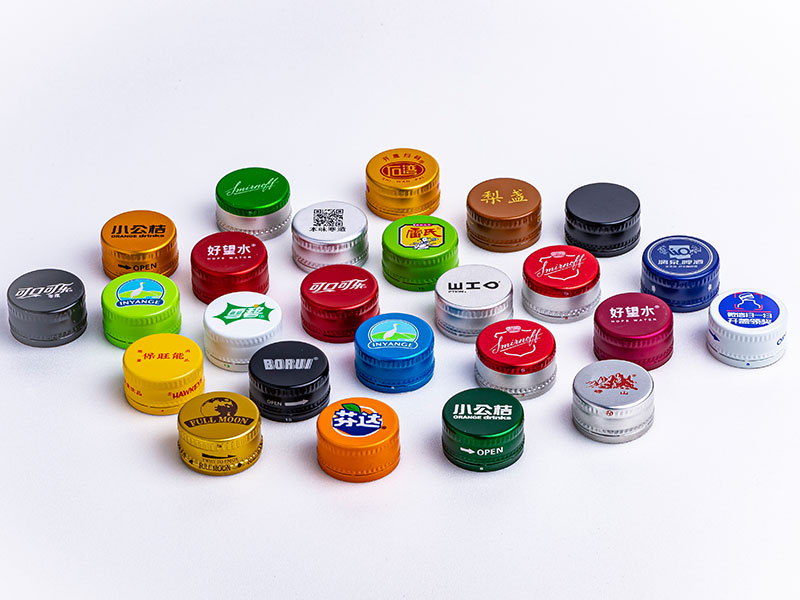
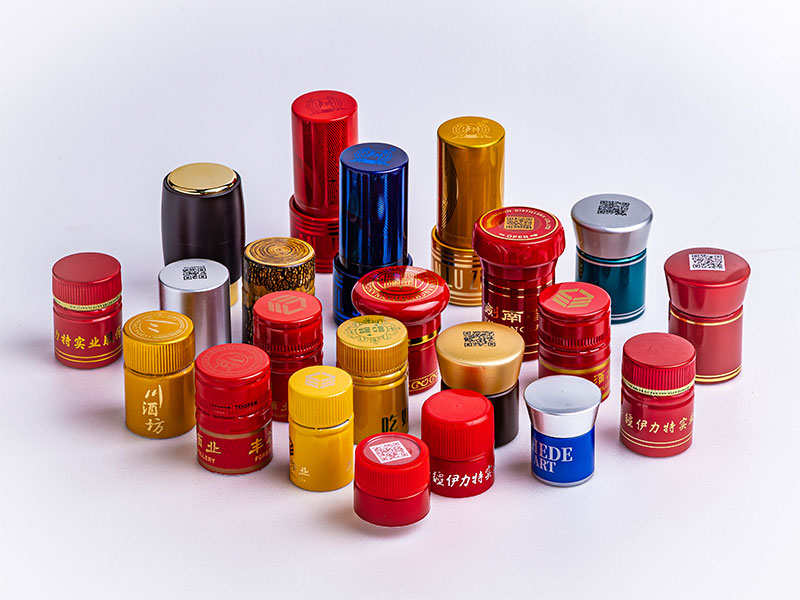
A soda bottle cap is a tiny part with an oversized job. It must hold back pressure, keep carbonation lively through shipping and storage, open with a familiar "snap," and then-almost invisibly-signal freshness and safety to the consumer. If the cap fails, the brand's promise escapes first: flat taste, sticky leaks, or a compromised seal that invites doubt. From the perspective of aluminum alloy engineering, a high-performance cap is not just a closure. It is a controlled piece of metal forming science that protects flavor, shelf life, and production efficiency in a few grams of material.
Why aluminum remains the quiet hero of carbonation
Carbonated beverages generate internal pressure that commonly ranges around 2–6 bar depending on formulation and temperature. The closure must maintain seal integrity across this pressure band while coping with thermal swings during pasteurization, hot filling, warehouse heat, refrigerated retail, and consumer handling. Aluminum is an excellent candidate because it balances formability, strength, corrosion behavior, and recyclability, all while allowing tight dimensional control at high line speeds.
The most valuable property for a soda cap is not raw strength alone, but the combination of strength with ductility. The cap's skirt must form reliably around bottle threads. The liner (often a polymer such as EPE, PVC-free compounds, or TPE-based materials) needs uniform compression to create a gas-tight seal without excessive application torque. Aluminum alloys used for caps can be tuned-through temper and work hardening-to "spring back" predictably after forming. That predictable elastic recovery is what maintains residual sealing force over time.
A cap is a system: metal, temper, coating, and liner
The performance of an aluminum cap is best understood as a four-part system.
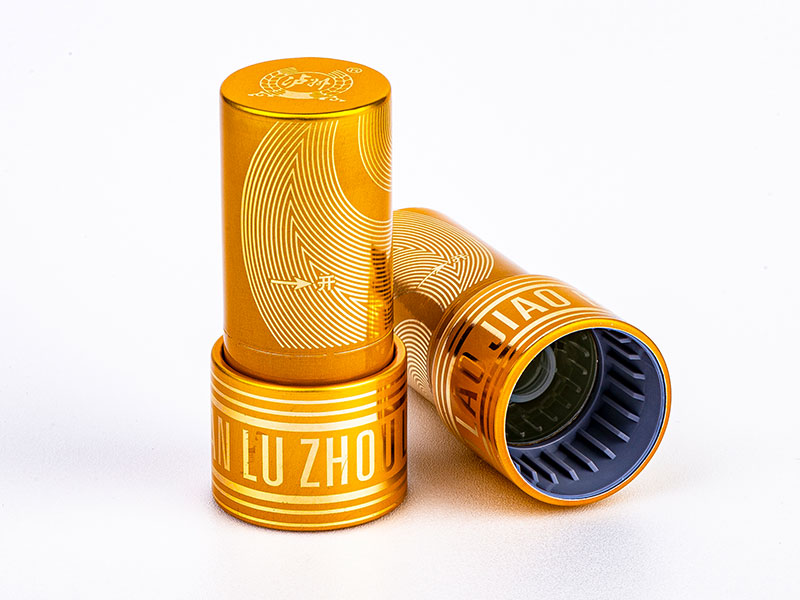
The alloy and temper define how the shell forms and how it resists deformation during application and opening. The coating (internal lacquer and external varnish) protects against moisture, acidic environments, and scuffing during handling. The liner provides conformability and sealing. Finally, geometry translates these material properties into real-world reliability: thread definition, tamper-evident band behavior, venting characteristics, and top panel stiffness.
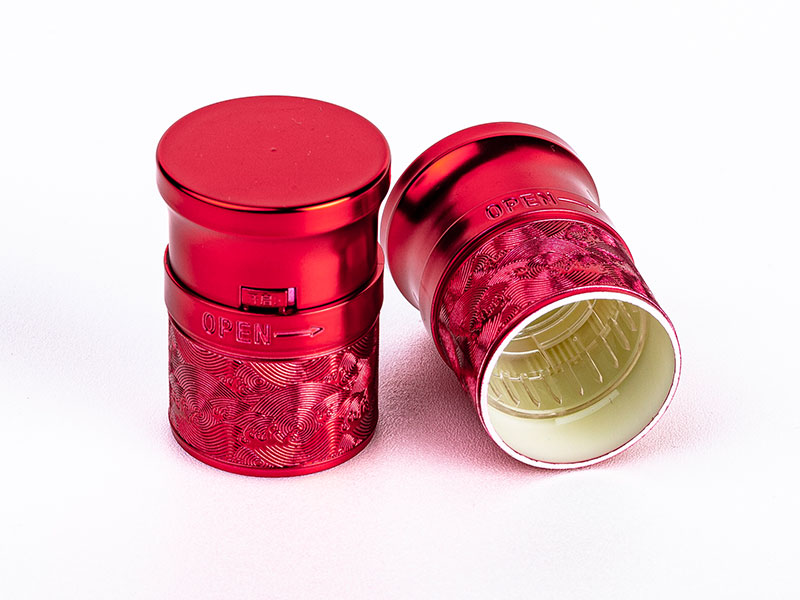
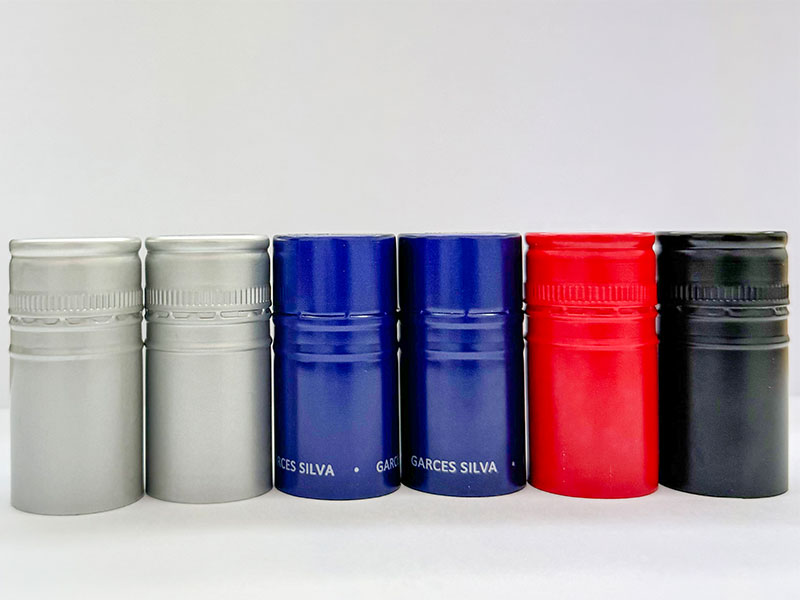
A unique advantage of aluminum is the way it supports high-definition forming for knurling, tamper-evident bridges, and thread profiles. This matters in soda packaging because high-speed capping lines demand consistency. A cap that behaves identically at 600–1,200 bottles per minute is worth more than one that merely passes a lab pressure test.
Alloy selection for high performance: what cap makers actually need
For closures, the aluminum must be drawn, knurled, and shaped without cracking, while still achieving enough hardness to resist denting and to retain torque. In practice, cap stock often comes from the 3xxx series (Al-Mn) or 5xxx series (Al-Mg), selected based on the forming route and stiffness requirements. The 3xxx family is popular for its stable formability and good corrosion resistance. The 5xxx family offers higher strength potential but must be managed carefully to avoid issues related to excessive work hardening or, in some cases, stress corrosion risk in certain environments.
Commonly used stock tempers include H14, H16, and H18 for work-hardened sheets, chosen according to the cap design and forming severity. A softer temper may form beautifully but can sacrifice top-load resistance and dent performance. A harder temper improves stiffness but may increase split risk at sharp radii or at tamper-evident bridge locations. The "high performance" target is not simply harder metal; it is the best compromise for the closure geometry and the intended torque window.
Below is a practical chemical composition reference for alloys frequently considered for closure and packaging stock. Exact limits vary by standard and supplier; purchasers should specify the governing standard and mill certification requirements.
Typical chemical composition table (wt.%)
| Alloy | Si | Fe | Cu | Mn | Mg | Cr | Zn | Ti | Al |
|---|---|---|---|---|---|---|---|---|---|
| 3003 | ≤0.60 | ≤0.70 | 0.05–0.20 | 1.0–1.5 | - | - | ≤0.10 | - | Balance |
| 3105 | ≤0.60 | ≤0.70 | ≤0.30 | 0.30–0.80 | 0.20–0.80 | ≤0.20 | ≤0.40 | ≤0.10 | Balance |
| 5052 | ≤0.25 | ≤0.40 | ≤0.10 | ≤0.10 | 2.2–2.8 | 0.15–0.35 | ≤0.10 | - | Balance |
| 5182 | ≤0.20 | ≤0.35 | ≤0.15 | 0.20–0.50 | 4.0–5.0 | ≤0.10 | ≤0.25 | ≤0.10 | Balance |
If the cap is intended for aggressive distribution conditions, higher CO₂ pressure, or premium tactile feel, designers often consider thicker gauge, different temper, or a stiffer alloy route. The decision should be grounded in production trials because liner compression, torque retention, and tamper band performance can shift in non-obvious ways with small material changes.
Temper and mechanical behavior: what matters on a capping line
Instead of chasing a single tensile value, cap performance is better predicted by a few practical mechanical targets.
Yield strength influences how well the skirt maintains thread engagement and how the top panel resists "oil canning" under pressure. Elongation indicates forming safety margin, especially at knurling and bridge features. Earing behavior during deep drawing can create thickness variations and affect thread consistency. Surface finish affects coating adhesion and print quality, which matters because caps are brand billboards as well as seals.
Work-hardened tempers like H14/H16/H18 are common because they combine decent formability with stiffness. Fully soft O-temper can be used for severe forming but often requires process changes to regain stiffness, and it may be more prone to handling damage before application.
Standards and implementation practices that keep performance repeatable
High performance is rarely the result of a single "better alloy." It comes from controlling variability. In procurement and qualification, packaging manufacturers typically reference aluminum sheet and coil standards such as ASTM B209 or EN 485 for wrought products. For coatings, food-contact compliance and migration limits are governed by regional regulations and supplier declarations; internal lacquers should be selected for acidic beverage environments and validated for sensory neutrality.
In production, cap makers should control incoming coil thickness tolerance, temper certification, surface cleanliness, and coating weight. For soda, the interface between liner and bottle finish is critical. Even a strong shell cannot compensate for a liner compound that creeps under load or loses elasticity after heat exposure.
On the bottling line, practical validation includes torque application windows, removal torque after aging, pressure hold testing, thermal cycling, drop testing, and leakage checks. High speed lines also benefit from monitoring cap feeding behavior; aluminum caps can be designed with stiffness and knurl patterns that reduce misfeeds and scuffing.
Corrosion resistance and coatings: the cap's invisible insurance
Soda is typically acidic, and the external environment can be humid and salty depending on distribution. Aluminum naturally forms an oxide layer, but closures still rely on coatings to prevent staining, pitting initiation, and aesthetic defects. The internal lacquer must resist beverage vapors and prevent any interaction that could alter taste or odor. The external coating must survive abrasion from cap handling, conveyors, and packed case vibration.
A high-performance cap often uses a coating system tuned for both forming and protection. The coating must remain intact at knurls and sharp features. Microcracks in coatings at high-strain locations can become pathways for corrosion or discoloration. This is where alloy formability and coating flexibility meet: a slightly different temper can reduce coating strain and improve long-term appearance.
Sustainability and recyclability: performance that returns to the loop
Aluminum's advantage in sustainability is not merely that it is recyclable, but that it can be recycled repeatedly with comparatively low loss of properties when properly sorted and processed. For brand owners, choosing aluminum caps can support circularity messaging, but the engineering side matters too: thinner gauges reduce material use, yet must not compromise sealing force or dent resistance. The best sustainability outcome is achieved when "lightweight" is paired with robust torque retention and low leakage rates, because product loss and returns carry an environmental cost far beyond a few grams of metal.
A different way to judge a cap: by the drinker's last sip
From the consumer's viewpoint, a cap succeeds when the last sip tastes like the first. That is the closure's real performance metric. The engineer sees the path to that outcome through alloy choice, temper control, coating integrity, and liner behavior-each one a lever that can protect carbonation and confidence.
High performance aluminum bottle caps are small, but not simple. They are the meeting point between metallurgy and everyday experience: a carefully hardened, precisely formed, quietly coated piece of aluminum that holds pressure like a promise. When designed and controlled well, it doesn't just close a bottle. It preserves the personality of the soda inside, all the way from the filling line to the moment someone twists, hears the seal break, and expects that crisp sparkle to still be there.
https://www.bottle-cap-lids.com/a/high-performance-aluminum-bottle-caps-for-soda-packaging.html