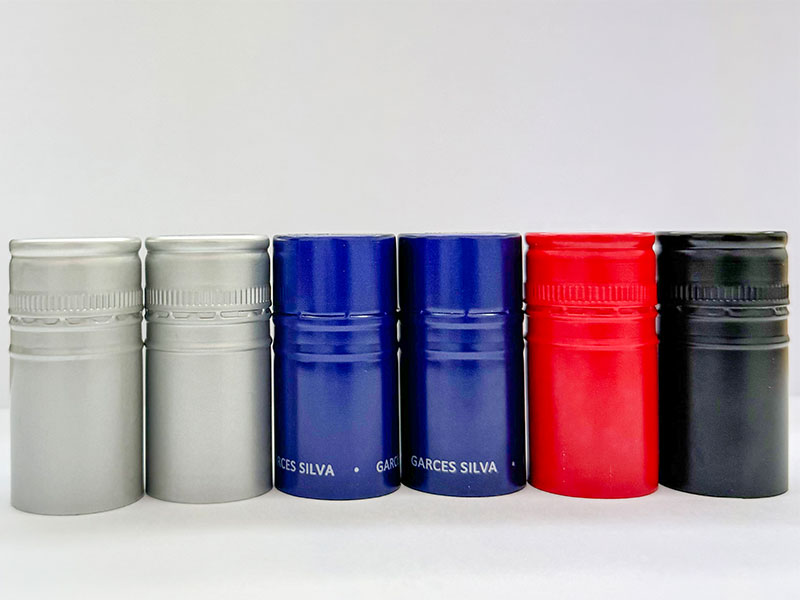


Screw Caps for Wine Bottles with Aluminum Closure and Custom Finish
Screw caps have moved far beyond being a "standard closure." For many wineries, they are a precision component that protects aroma, stabilizes shelf life, supports brand identity, and improves opening convenience for consumers. Screw Caps for Wine Bottles with Aluminum Closure and Custom Finish are engineered around a consistent torque profile, strong barrier performance, and highly customizable surface treatments-making them a practical solution for still wines, aromatic whites, rosés, and many export-driven product lines.
An aluminum wine screw cap is a formed aluminum shell paired with a liner system that seals against the bottle's glass finish. The closure is applied by a capping head that forms threads and compresses the liner to produce a reliable seal. Compared with natural cork, aluminum closures offer high repeatability, low leakage risk, and strong brand presentation via decoration and custom finishes.
Typical closure architecture includes:
- Aluminum shell with controlled wall thickness and temper for formability
- Internal liner (often PVDC, PE, or tin-saran variants) selected for oxygen transmission targets
- Tamper-evident band designed for clean separation and consumer confidence
- Optional wadding, top emboss, side emboss, and specialty coatings for tactile identity
Features That Matter in Real Bottling Conditions
Consistent sealing and low variability
Aluminum closures are manufactured to tight dimensional control, supporting consistent application torque and liner compression. This consistency is especially valuable for high-speed bottling lines and long-distance shipping.
Barrier performance tuned by liner selection
Oxygen ingress is influenced strongly by the liner system. With appropriate liner choice, screw caps can deliver very low oxygen transmission suitable for aroma-sensitive wines, while other liner designs can allow controlled ingress where winemakers desire gentle evolution.
Custom finish and decoration without compromising performance
Brand owners can select finishes that is know on shelf-matte, gloss, metallic, soft-touch, textured, color-shift effects-while maintaining coating adhesion and corrosion resistance required for wine storage environments.
Compatibility with common bottle standards
Screw caps are commonly supplied for standardized wine bottle finishes such as BVS (Bottle-to-Closure interface). Proper matching of bottle finish and cap specification is essential for seal reliability.
Aluminum Material: Typical Alloy & Chemical Composition
Most wine screw cap shells are produced from AA 8011 or AA 3105 aluminum alloy strip. These alloys balance formability, strength, and corrosion behavior, and they accept coatings and inks well.
Typical chemical composition (AA 8011, % by weight)
| Element | Typical Range (%) | Function in Closure Performance |
|---|---|---|
| Al | Balance | Base metal, corrosion resistance, formability |
| Fe | 0.6–1.0 | Strengthening; influences grain structure |
| Si | 0.5–0.9 | Works with Fe; affects forming and surface |
| Mn | 0.1–0.3 | Improves strength and workability |
| Mg | 0.0–0.1 | Minor strengthening; controlled for coating performance |
| Cu | 0.0–0.1 | Limited to protect corrosion behavior |
| Zn | 0.0–0.1 | Kept low for stability |
| Ti | 0.0–0.08 | Grain refinement; helps forming consistency |
Note: Exact composition depends on supplier melt practice and applicable standard. Alloy selection should align with forming method, decoration requirements, and cap geometry.
Technical Specifications (Typical Ranges)
The following ranges cover widely used screw cap formats for wine. Final values should be confirmed against the target bottle finish (such as BVS) and liner specification.
| Parameter | Typical Options / Range | Notes |
|---|---|---|
| Nominal diameter | 28–31.5 mm | 30×60 mm is a common wine format |
| Skirt height | 50–65 mm | 60 mm frequently used for premium appearance |
| Aluminum thickness | 0.18–0.23 mm | Balanced for stiffness and forming |
| Temper | H14–H24 (typical) | Selected for forming and thread roll-in |
| Tamper-evident band | Standard / reinforced | Band design impacts opening feel |
| Liner types | PVDC-based, PE-based, tin-saran variants | Choose based on oxygen target and scalping behavior |
| Printing & decoration | Offset, flexo, gravure, digital accents | Dependent on finish and volume |
| Top/side emboss | Available | Adds tactile branding and anti-slip feel |
| Coating system | Food-contact compliant epoxy/polyester variants | Selected for adhesion and resistance |
Performance Targets: Numerical Data Buyers Ask For
Closure performance depends on the full system: bottle finish geometry, capping head setup, liner type, storage conditions, and wine chemistry. The table below provides typical target windows used in industry qualification.
| Performance Item | Typical Target Window | Why It Matters |
|---|---|---|
| Application torque | 16–22 lbf·in (≈1.8–2.5 N·m) | Ensures seal without over-stressing glass finish |
| Removal torque (initial) | 12–20 lbf·in (≈1.4–2.3 N·m) | Consumer openability and tamper evidence |
| Top load resistance | ≥200 N (format-dependent) | Stacking and transport durability |
| Leakage rate (QC) | Near-zero under standard pressure/vacuum tests | Protects against returns and oxidation |
| Oxygen transmission rate (OTR) | Liner-dependent, low to very low | Wine aging style control |
| Salt spray / humidity resistance | Pass (coating-specific) | Prevents cosmetic defects in storage |
Values vary by closure design and test method. Always qualify with your bottling line and bottle supplier.
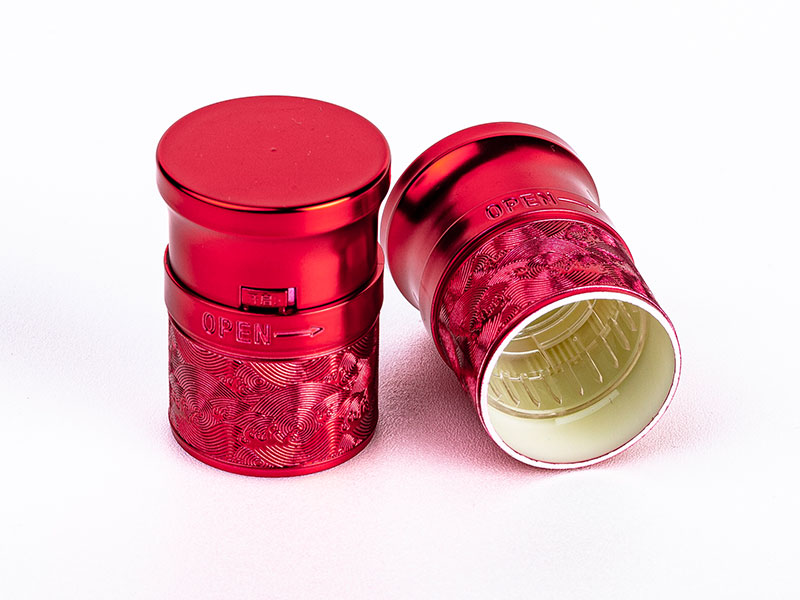
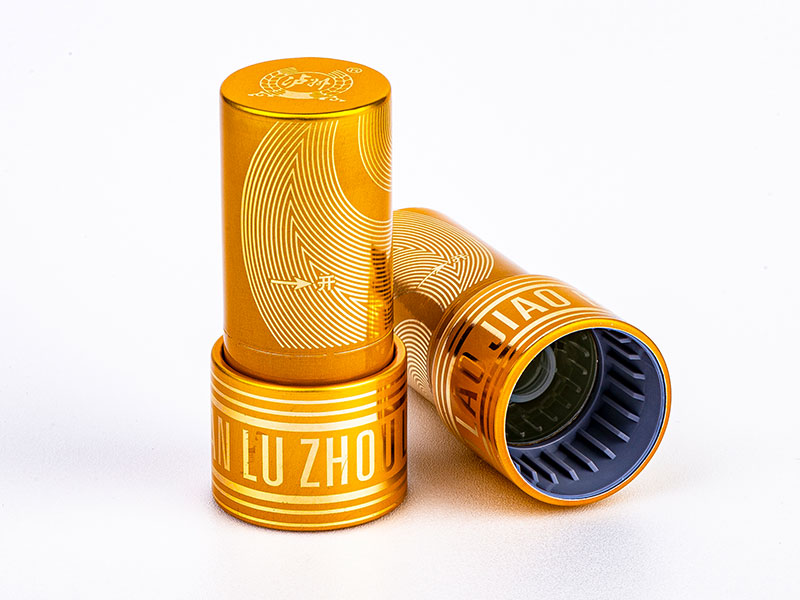
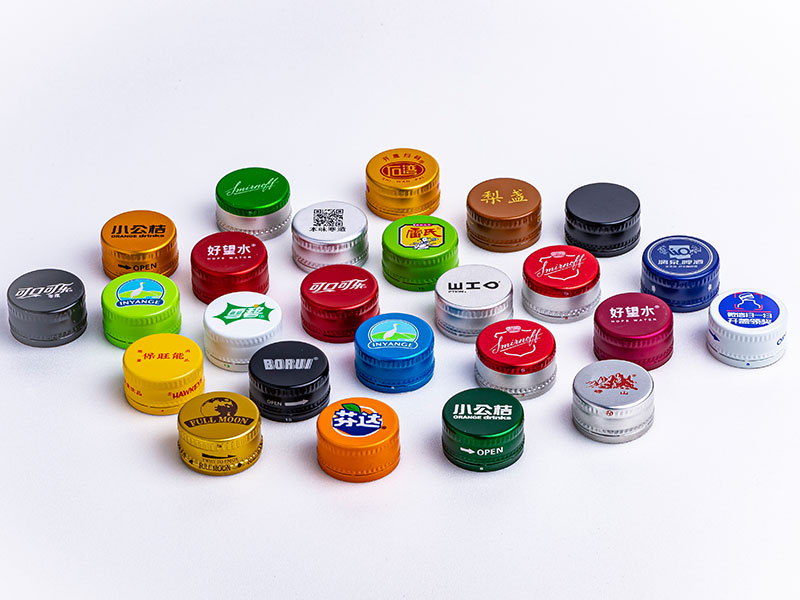
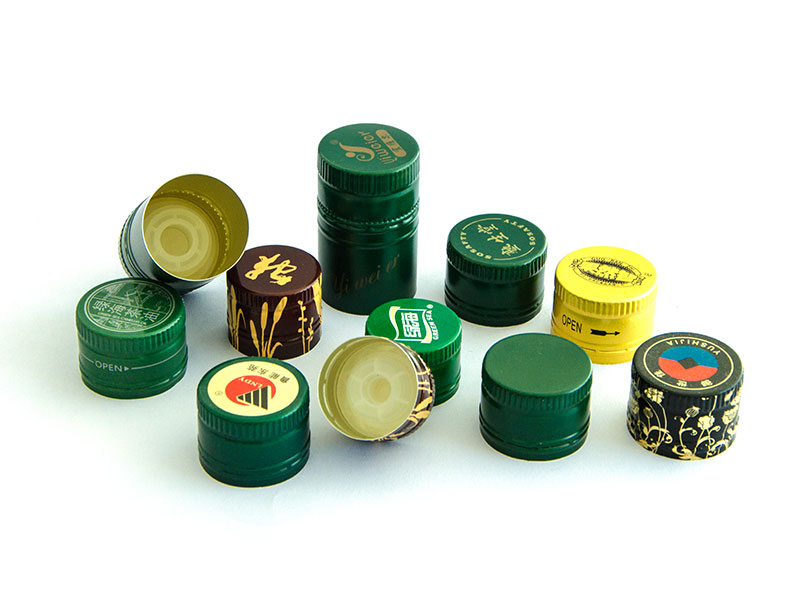
Custom Finish Options That Sell the Bottle
The "custom finish" is more than aesthetics-it also affects grip, scuff resistance, and long-term appearance in cartons and ice buckets.
| Finish Type | Visual / Tactile Effect | Practical Advantages | Best Use Cases |
|---|---|---|---|
| High gloss | Bright, reflective | Strong color pop, premium shelf impact | Sparkling-style visuals, modern labels |
| Matte | Smooth, low reflectance | Elegant, reduces fingerprint visibility | Premium still wines, minimalist branding |
| Metallic / pearlescent | Metallic depth | High perceived value | Reserve tiers, gift packaging |
| Soft-touch | Velvet-like grip | Premium hand-feel, improved handling | High-end reds, tasting-room exclusives |
| Textured / knurled accents | Tactile differentiation | Anti-slip opening | Restaurant channels, chilled service |
| Color-matched to label | Cohesive brand system | Strong identity, easy portfolio extension | Multi-SKU series and exports |
| Emboss/deboss | 3D branding | Anti-counterfeit cues, tactile cueing | Premium, club releases |
Wine Compatibility and Application Scenarios
Aromatic whites and rosés
These wines often benefit from low oxygen ingress to preserve fresh thiols and esters. Screw caps with appropriately selected liners can help keep citrus, floral, and tropical aromas stable across distribution.
Export and long supply chains
For wines traveling across climates and time zones, aluminum closures provide reliable sealing and reduced TCA risk compared with natural cork. Consistent application also supports predictable performance across multiple bottling runs.
By-the-glass and hospitality
Quick opening, reliable reseal behavior, and reduced risk of "corked bottle" complaints make screw caps operationally attractive for restaurants, airlines, and events.
Sustainability-focused branding
Aluminum is widely recyclable, and closure designs can be paired with lightweight packaging strategies. Many brands also use custom finishes and messaging to highlight recyclability and modern closure choices.
Chemical Resistance and Wine-Contact Considerations
Wine is chemically active: ethanol, organic acids, sulfur dioxide, and phenolics can challenge coatings and liners over time. A well-designed aluminum closure uses food-contact compliant coatings and a liner optimized to minimize:
- Flavor scalping (loss of aroma compounds into the liner)
- Undesired oxygen ingress or overly reductive conditions
- Cosmetic corrosion or staining in humid storage
For best outcomes, match liner type to wine style and validate with shelf-life trials, especially for high-ABV wines, high free SO₂ regimes, or extended warm storage.
Quality Control and What to Specify When Buying
A strong purchase specification improves consistency and reduces line downtime. Common customer-controlled requirements include:
- Bottle finish standard and tolerance agreement with glass supplier
- Target application torque window for the filler/capper setup
- Decoration performance: rub resistance, scuff resistance, color tolerance
- Coating and liner compliance (food-contact regulations relevant to destination markets)
- Lot traceability and retained samples for ongoing stability checks
Screw Caps for Wine Bottles with Aluminum Closure and Custom Finish are a high-performance closure option that combines repeatable sealing, brand-defining decoration, and distribution-friendly reliability. They are especially well suited to aromatic whites, rosés, export programs, hospitality channels, and any winery seeking consistent closure performance with a premium look and feel.