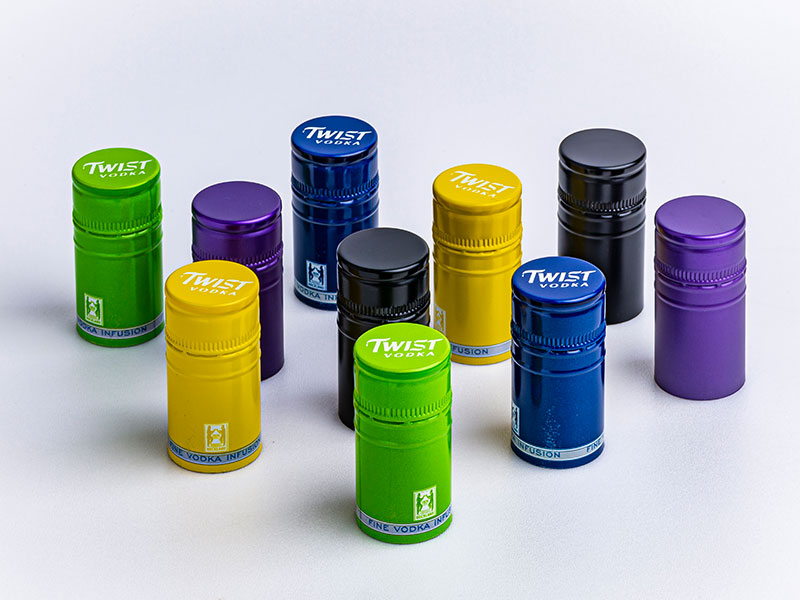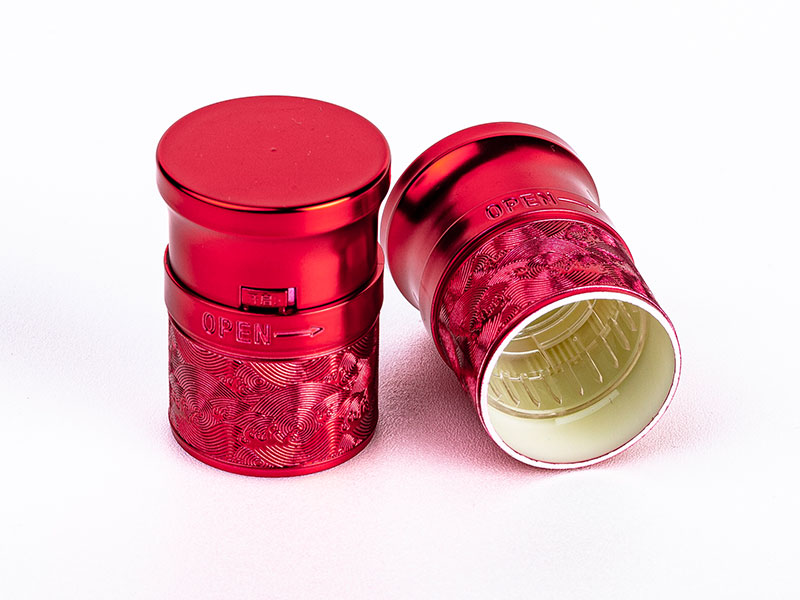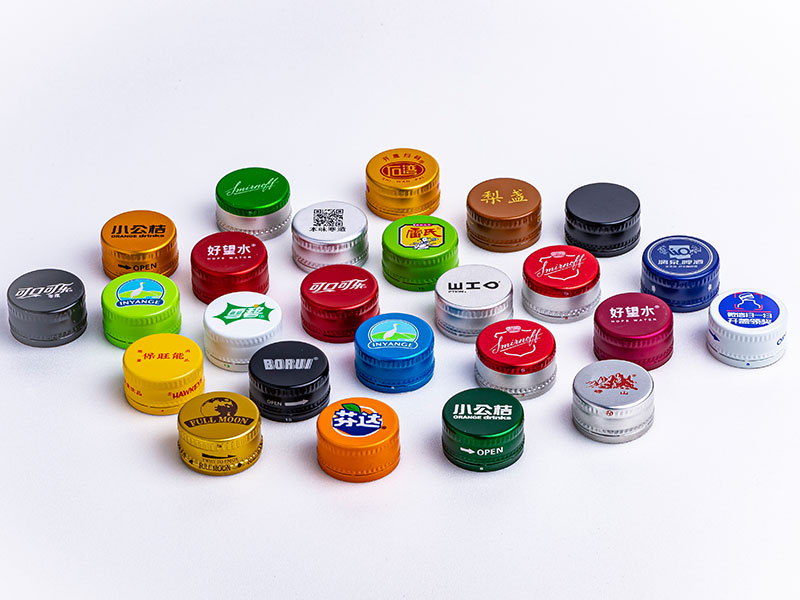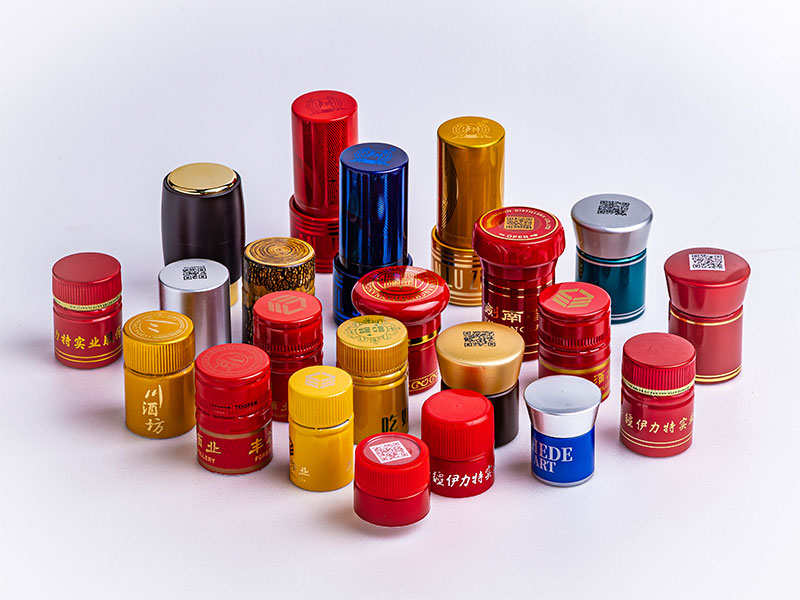


30x60mm Aluminum Wine Closures for Low Carbon Footprint Packaging
A wine closure is a small object with an outsized job: it seals aroma, guards against oxygen, carries brand identity, and quietly signals what a producer believes about quality and responsibility. When the goal is low carbon footprint packaging, the conversation often starts with glass weight, shipping routes, or recycled cartons. Yet the closure-especially in formats used for premium spirits and fortified wines-can be an unexpectedly powerful lever. The 30x60mm aluminum wine closure sits at an interesting intersection of performance engineering and climate accounting: large enough to feel substantial in hand, compact enough to optimize material use, and-when specified wisely-highly compatible with circular recycling systems.
From my perspective as someone who spends more time looking at alloy certificates and forming limits than tasting notes, the most compelling sustainability story here is not "aluminum is recyclable." That is true, but too generic to be useful. The real story is how a 30x60mm closure can be designed and sourced so that its carbon footprint is measurable, improvable, and resilient against supply-chain variability, without sacrificing seal integrity or line efficiency.
Why 30x60mm is a "sweet spot" in closure engineering
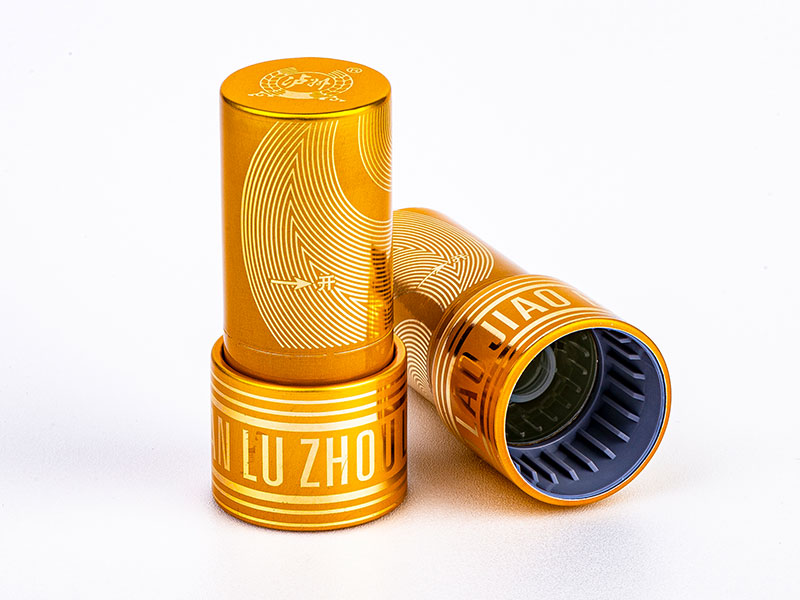
The 30x60mm format typically refers to an outer diameter around 30 mm and an overall height near 60 mm, often used with bar-top style closures, threaded decorative overcaps, or premium-looking caps for special cuvées. The dimensions matter because they define more than aesthetics. They influence:
Material mass and thus embodied carbon
Formability and springback behavior during deep drawing or impact extrusion
Available headspace for liners, inserts, or bar-top assemblies
Torque feel, opening ergonomics, and consumer perception of value
A taller cap can allow a thinner wall without feeling flimsy, which is an overlooked route to footprint reduction: not "use less quality," but "use geometry to do the work." Aluminum's stiffness-to-weight advantage means you can often reduce gauge while maintaining the same tactile rigidity, provided the forming process and alloy temper are selected to avoid wrinkling and earing.
Low carbon footprint starts with the alloy choice, not the marketing copy
If you want a closure program that actually trends downward in CO₂e over time, you need consistency in alloy, temper, and scrap strategy. For 30x60mm wine closures, the most common aluminum families are AA3xxx and AA5xxx, chosen for their balance of formability, corrosion resistance, and surface finish quality.
AA3104 and AA3003 are frequent choices in drawn shell applications. They form well, accept coatings, and are widely available with established recycling streams. AA5052 appears when higher strength or specific forming behavior is needed, especially for certain shell geometries or where dent resistance is prioritized.
Tempering is where many "sustainability" projects quietly fail on the factory floor. A mill can offer a thinner gauge, but if temper is too hard, you'll see cracking or orange peel during forming; too soft, and you'll struggle with dimensional stability, thread definition, or decorative knurl consistency. For closure shells, H24 and H26 tempers are common starting points, with final properties tuned by process anneals or work hardening during forming.
Typical chemical composition reference (common closure alloys)
Below is a practical reference table used in packaging procurement discussions. Actual specs should follow the applicable standard and mill certificate.
| Alloy (AA) | Si (%) | Fe (%) | Cu (%) | Mn (%) | Mg (%) | Zn (%) | Cr (%) | Ti (%) | Al |
|---|---|---|---|---|---|---|---|---|---|
| 3003 | ≤0.60 | ≤0.70 | 0.05–0.20 | 1.0–1.5 | ≤0.05 | ≤0.10 | - | ≤0.15 | Balance |
| 3104 | ≤0.60 | ≤0.80 | ≤0.25 | 0.8–1.4 | 0.8–1.3 | ≤0.25 | - | ≤0.10 | Balance |
| 5052 | ≤0.25 | ≤0.40 | ≤0.10 | ≤0.10 | 2.2–2.8 | ≤0.10 | 0.15–0.35 | ≤0.10 | Balance |
Common implementation standards include ASTM B209 for aluminum sheet and coil, EN 485 for European equivalents, and ISO-based quality systems for traceability. For coatings and food-contact considerations, compliance typically ties to EU 10/2011 frameworks (for plastics components like liners), FDA indirect food additive considerations for coatings, and supplier declarations for inks, varnishes, and epoxies or BPA-NI systems, depending on the market.
The manufacturing route matters as much as recycled content
A closure can be made via deep drawing, impact extrusion, or a hybrid approach depending on wall thickness and decorative requirements. Each route has a different scrap profile, energy demand, and defect signature.
Deep drawing can be efficient for high volumes, but blanking generates skeleton scrap. If your converter has a closed-loop scrap return to the rolling mill, that scrap becomes a carbon advantage rather than a hidden loss. Impact extrusion can yield excellent surface continuity and a premium feel, but it demands precise lubrication and tool control, and energy intensity needs to be managed with modern presses and heat recovery where possible.
The best low-footprint projects I've seen treat forming yield as a carbon KPI. A half-percent improvement in yield can rival headline-grabbing "recycled content" claims, because avoided scrap means avoided remelt and avoided upstream emissions.
Temper, thickness, and performance: a practical starting window
For a 30x60mm aluminum shell used as an overcap or decorative closure component, typical coil thickness might sit in a range such as 0.18–0.28 mm for drawn shells, with design-dependent variation. Harder tempers like H26 offer better dent resistance and crisper knurling but can reduce forming margin; H24 is a more forgiving balance. When the closure must hold threads or resist deformation under top load, engineers often choose geometry enhancements like beads, ribs, or a slightly taller skirt rather than simply increasing gauge.
This is where low carbon and premium design align: sculpted stiffness uses less metal than brute thickness.
Corrosion resistance and coatings: protecting wine without overbuilding
Wine closures live in a chemically interesting neighborhood: humidity, acids, sulfites, cleaning agents on bottling lines, and sometimes salt air in coastal storage. Aluminum naturally forms an oxide layer, but closures almost always rely on organic coatings or anodic treatments to ensure long-term appearance and compatibility.
A low carbon viewpoint doesn't automatically mean "avoid coatings." It means choose coatings that are thin, durable, and compatible with recycling, while minimizing VOCs and rework. Waterborne systems, UV-curable inks, and tightly controlled bake schedules can reduce energy use and scrap. The most sustainable coating is the one that doesn't blister, doesn't scratch, and doesn't cause you to scrap a million caps because a color drifted out of tolerance.
Liner and sealing system: where oxygen management meets footprint
In many 30x60mm designs, the aluminum is the architecture and the liner is the seal. Liners may be EPE, EVA, TPE, or multilayer structures depending on required oxygen transmission and extractables performance. The closure's carbon footprint should include these components, not just the metal.
A distinctive opportunity here is right-sizing the liner. Producers sometimes specify an overly thick liner out of caution. Yet with controlled bottle neck finishes and consistent application torque, you can often reduce liner mass while improving sealing repeatability. Less polymer, fewer volatiles, fewer sealing failures-this is sustainability through process control, not sacrifice.
What "low carbon" procurement looks like in practice
A credible low carbon footprint program for 30x60mm aluminum wine closures usually includes:
Recycled content with documentation, ideally tied to post-consumer or certified mixed scrap streams rather than vague claims
Low-carbon primary aluminum options where available, such as hydro-powered smelting routes, with transparent EPDs
Closed-loop scrap agreements between converter and mill
Tight specifications to reduce defects: coil surface class, pinhole limits, lubricants, and coating adhesion requirements
Packaging optimization for the closures themselves: nestable trays, reduced void space, and right-sized cartons
Most importantly, it includes measurement. Ask for product-specific EPDs where possible, or at minimum, a mass-per-closure figure, recycled content percentage, and an agreed boundary for carbon calculations. Sustainability is not a label; it's a controlled variable.
A closure as a climate signal
The 30x60mm aluminum wine closure is often chosen to elevate a bottle's presence. That same premium sensibility can be redirected: a closure that looks substantial but is engineered to be light, a supply chain that favors circular metal flows, a finish that lasts so the cap is not replaced, scrapped, or discounted.
Low carbon footprint packaging is rarely one dramatic change. It's usually a series of quiet decisions: the right alloy, the right temper, the right thickness, the right coating cure, the right scrap loop. In a world where consumers increasingly read meaning into details, the closure becomes more than a seal. It becomes a small, well-made promise that the producer understands both craft and consequence.