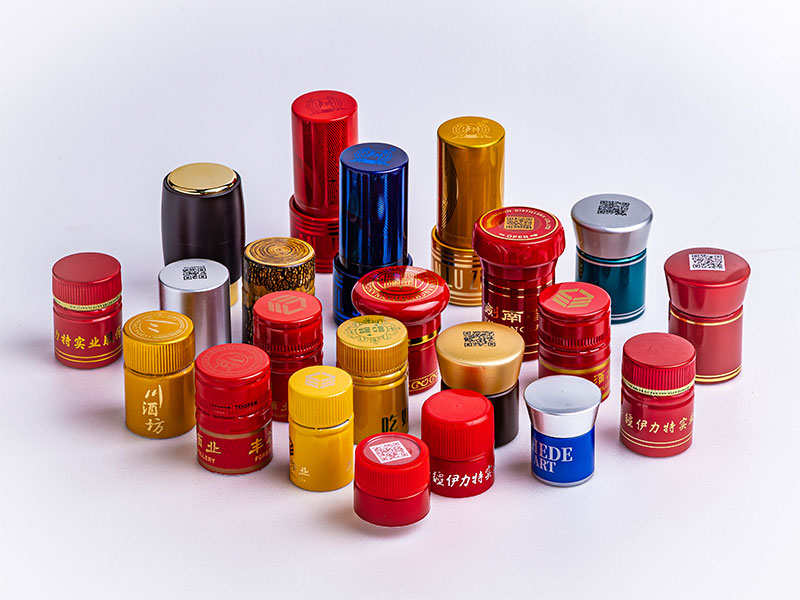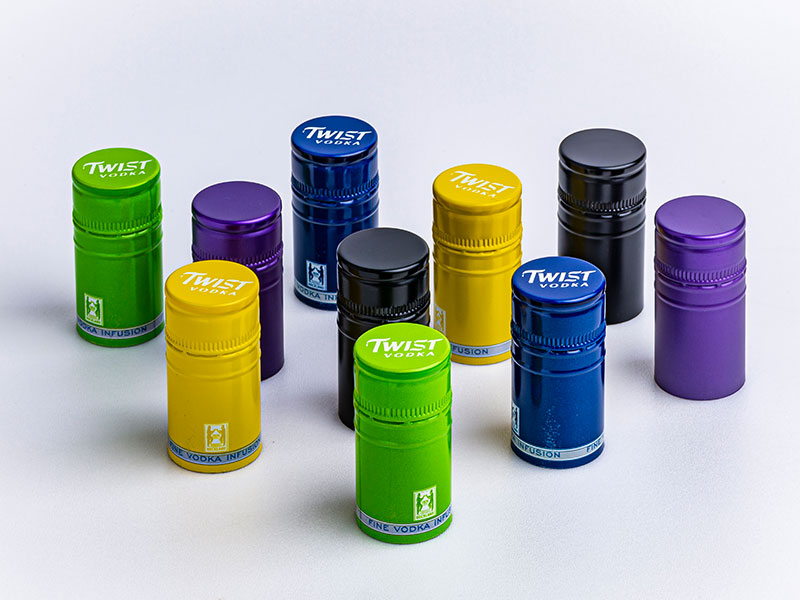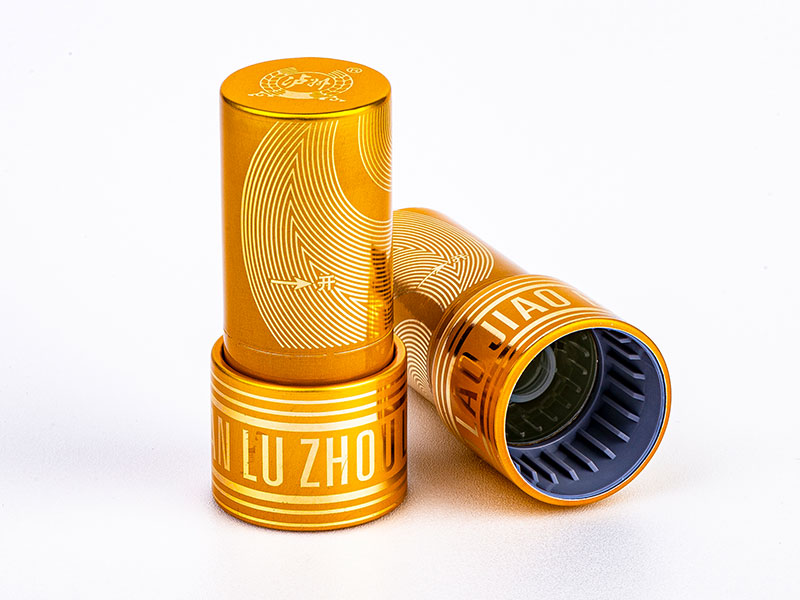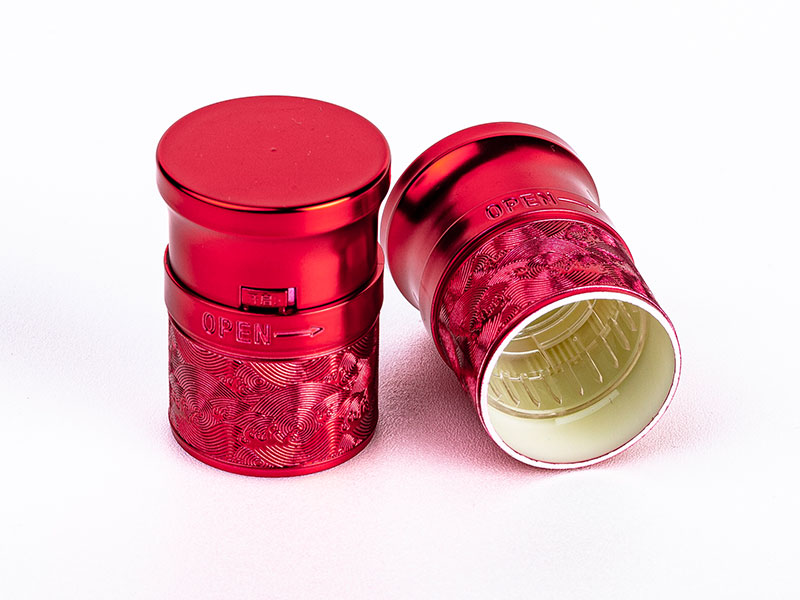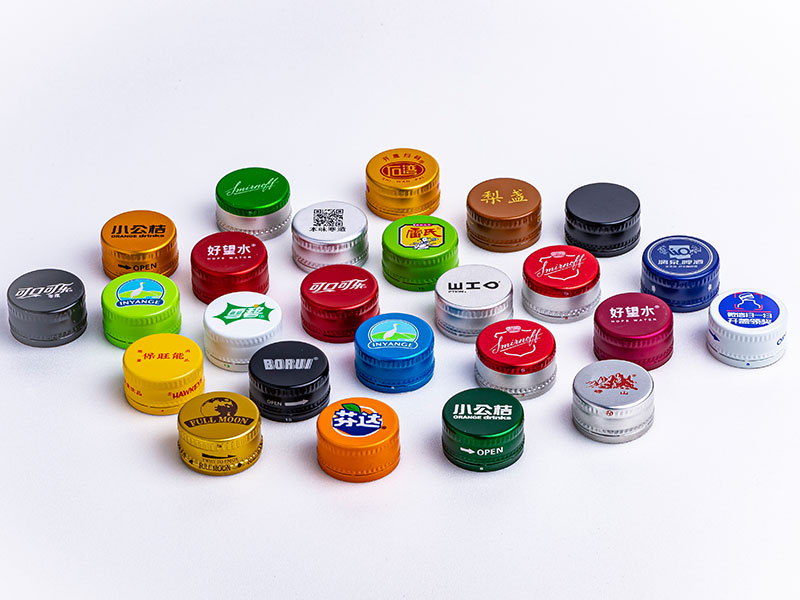


Aluminum Wine Bottle Closures with Smooth Surface and High Gloss Finish
Aluminum wine bottle closures with a smooth surface and high gloss finish are designed to elevate both the performance and presentation of premium beverages. They combine the clean aesthetics of polished metal with reliable sealing behavior, stable torque performance, and strong compatibility with modern bottling lines. For wineries and beverage brands, these closures provide a practical way to signal quality at first touch while protecting aroma, carbonation (for select products), and shelf life.
From an engineering standpoint, aluminum is valued for its consistent formability, corrosion resistance, and excellent response to decorative finishes. When paired with purpose-designed liners and controlled forming processes, the result is a closure that looks refined, opens smoothly, and performs consistently across production batches.
What Makes the Smooth, High-Gloss Finish Different
A true high-gloss aluminum closure is not simply "shiny." The finish is the outcome of controlled surface preparation, coating chemistry, and curing. A smooth, high-gloss surface offers immediate visual impact, but it also delivers practical benefits:
- Lower surface micro-roughness helps reduce scuffing during conveying, capping, and case packing
- Consistent reflectivity improves shelf presence and color accuracy for branded finishes
- Coating integrity improves resistance to fingerprints, stains, and minor abrasion in distribution
- Better print definition for logos, microtext, and fine decorative elements
High-gloss closures are commonly specified for flagship wines, sparkling products, and limited editions where premium packaging is part of the brand's story.
Typical Alloy Options and Chemical Composition
Aluminum closures are commonly produced from AA 1xxx or AA 3xxx series sheet, selected for deep drawing performance and surface quality. Choice depends on the target strength, line conditions, and closure geometry.
Chemical Composition (Typical Ranges, wt.%)
| Alloy (Typical) | Si | Fe | Cu | Mn | Mg | Zn | Ti | Al |
|---|---|---|---|---|---|---|---|---|
| AA 1050 / 1070 (High-purity) | ≤0.25 | ≤0.40 | ≤0.05 | ≤0.05 | ≤0.05 | ≤0.05 | ≤0.03 | Balance |
| AA 1100 | ≤0.95 (Si+Fe) | - | 0.05–0.20 | ≤0.05 | ≤0.05 | ≤0.10 | - | Balance |
| AA 3003 | ≤0.60 | ≤0.70 | 0.05–0.20 | 1.0–1.5 | ≤0.10 | ≤0.10 | - | Balance |
| AA 3105 | ≤0.60 | ≤0.70 | ≤0.30 | 0.30–0.80 | 0.20–0.80 | ≤0.40 | ≤0.10 | Balance |
Material note: high-purity alloys are excellent for surface brightness and forming; 3xxx alloys add manganese-based strengthening for improved dent resistance while retaining good drawability.
Technical Specifications
The closure is a system: aluminum shell, liner, and the interface with the bottle finish. For fast evaluation, the following parameters cover most purchasing and engineering requirements.
Dimensions, Fit, and Performance (Common Options)
| Item | Typical Range / Options | What It Impacts |
|---|---|---|
| Closure diameter | 28–32 mm (common), custom available | Bottle compatibility, visual proportion |
| Skirt height | 45–60 mm (common), custom available | Premium appearance, grip feel, tamper band design |
| Aluminum thickness | 0.18–0.25 mm | Dent resistance, forming stability, thread definition |
| Finish type | High-gloss lacquer, metallic, matte + gloss accents | Shelf appeal, scuff resistance |
| Print options | Offset, flexo, hot stamping, emboss/deboss | Branding precision, tactile identity |
| Opening torque target | Defined per bottle/liner; typically controlled to a narrow window | Consumer experience, leakage prevention |
| Reseal capability | Strong with appropriate liner + thread geometry | Aroma retention after opening |
| Tamper evidence | TE band with bridges, perforation patterns | Brand protection, compliance |
| Liner type | EPE, Saranex, PVDC-free barrier, TPE options | Oxygen barrier, flavor scalping resistance |
| Bottle compatibility | BVS, MCA, and custom finishes | Line changeover reduction |
High Gloss Surface Engineering and Coating Performance
A high-gloss closure relies on both substrate quality and coating system.
- Substrate preparation focuses on low-defect sheet, clean rolling oil control, and uniform surface texture suitable for gloss coatings.
- Lacquer and topcoat selection is tuned for flexibility during forming, chemical resistance to wine volatiles, and abrasion resistance during transport.
- Curing control ensures the coating reaches target hardness and adhesion without brittleness that can cause microcracking around thread features.
Surface and Coating Properties (Typical Targets)
| Property | Typical Expectation | Practical Benefit |
|---|---|---|
| Gloss level (60°) | High gloss commonly ≥80 GU (finish-dependent) | Strong shelf impact, premium appearance |
| Coating adhesion | Pass cross-hatch / tape tests (system dependent) | Reduced risk of flaking during capping |
| Abrasion resistance | Designed to withstand conveying contact | Less scuffing, cleaner presentation |
| Corrosion resistance | Suitable for humid storage and wine cellar conditions | Long-term appearance stability |
| Chemical resistance | Resists ethanol, organic acids, sulfites (coating dependent) | Reduced staining and odor transfer risk |
Targets vary with lacquer supplier and decoration method; specifying the test method and acceptance criteria is recommended for contracts.
Sealing Reliability and Product Protection
Aluminum closures support reliable sealing when the thread profile, liner compressibility, and bottle finish geometry are matched correctly. For wine, the sealing priorities often include:
- Oxygen management to protect aroma and freshness
- Leak resistance across temperature swings in shipping
- Consistent opening torque to reduce consumer frustration and prevent accidental loosening
Closure System Performance Factors
| Factor | Controlled By | Why It Matters |
|---|---|---|
| Oxygen ingress (OTR) | Liner material + seal compression + bottle finish | Shelf life, flavor stability |
| CO₂ retention (sparkling/low-alc beverages) | Liner barrier + thread engagement | Pressure stability, safety |
| Torque consistency | Shell forming + capping head settings + lubrication | Opening feel, reseal quality |
| Top load / dent resistance | Alloy choice + thickness + skirt geometry | Appearance after transport |
| Scalping/taint risk | Liner chemistry selection | Aroma integrity |
Applications: Where High-Gloss Aluminum Closures Shine
These closures are used wherever brand image and dependable function must coexist, especially in fast-moving retail environments.
Common Use Cases
| Application | Why Aluminum High Gloss Works Well | Typical Decoration |
|---|---|---|
| Premium still wines | Clean aesthetics, consistent reseal | Metallic colors, embossing, minimalist logos |
| Rosé and aromatic whites | Freshness perception + modern packaging | High-gloss pastel coatings, foil stamping |
| Sparkling wine-style products (compatible finishes) | Reliable sealing with appropriate liner | Gloss black, champagne gold, custom patterns |
| RTD wine cocktails / low-alcohol beverages | Lightweight, durable, retail-friendly | Bold full-wrap printing, tactile branding |
| Gift packs and limited editions | High perceived value and photo-ready finish | Deep embossing, spot gloss, custom top medallions |
Aluminum closures also support premiumization without complexity, since they integrate well with automated capping lines and reduce breakage risk compared with some alternative closure types.
Customization Options That Influence Customer Perception
High-gloss closures are often selected for the way they feel in hand as much as how they look on shelf. Popular customization routes include:
- Color-matched lacquer systems aligned to brand palettes
- Embossed logos for tactile recognition
- Hot stamping for sharp metallic highlights
- Top printing for clean, centered brand marks
- Knurling or micro-texture bands that improve grip while maintaining a smooth overall body
The smooth high-gloss body paired with subtle tactile features can create a "quiet luxury" effect that reads premium without being flashy.
Quality Control Points Customers Should Ask For
A well-made closure is consistent from pallet to pallet. Quick-to-check QC signals include:
Recommended QC and Inspection Items
| Item | Typical Check | What It Prevents |
|---|---|---|
| Visual defects | Pinholes, fisheyes, scratches, color drift | Brand-impacting appearance issues |
| Dimensional control | Diameter, skirt height, thread geometry | Cross-threading, poor torque consistency |
| Liner placement | Centering, bond integrity, thickness | Leaks, oxygen variability |
| Torque testing | Application and removal torque on target bottle | Consumer complaints, line downtime |
| Coating cure | Solvent rub / hardness indicators (per system) | Scuffing, chemical attack |
Aluminum wine bottle closures with a smooth surface and high gloss finish offer a balance of aesthetics and engineering stability. The aluminum shell delivers consistent formability and a refined look, while modern coatings and liners protect against scuffing, corrosion, and flavor compromise. For wineries seeking a premium signal, reliable sealing, and strong compatibility with high-speed bottling, these closures provide a polished, brand-forward solution suitable for both everyday premium labels and limited releases.