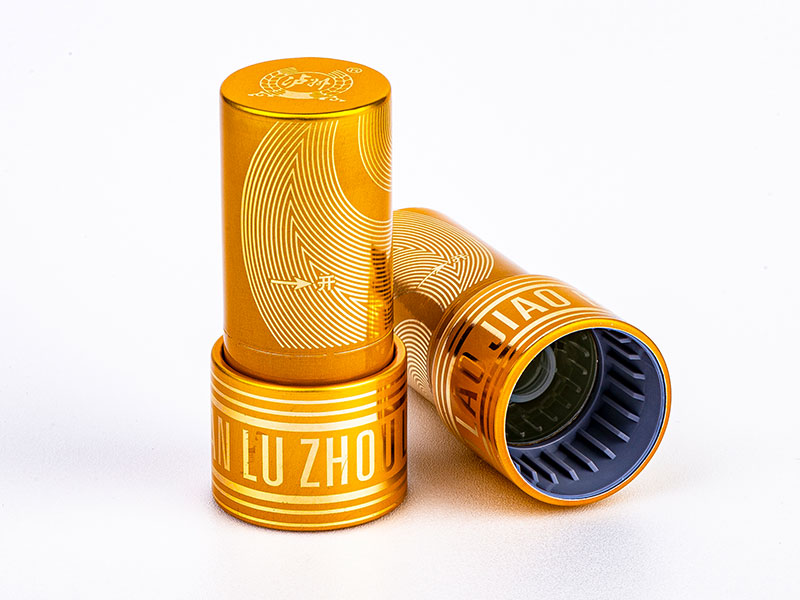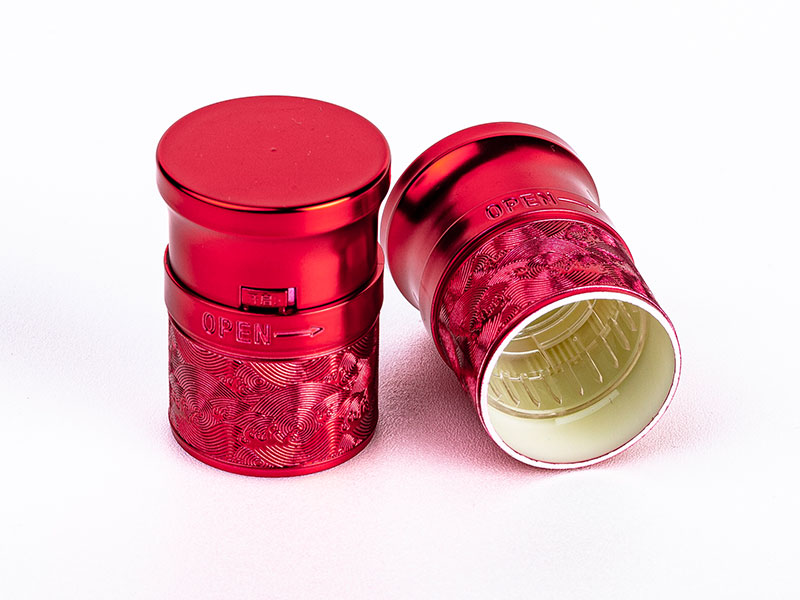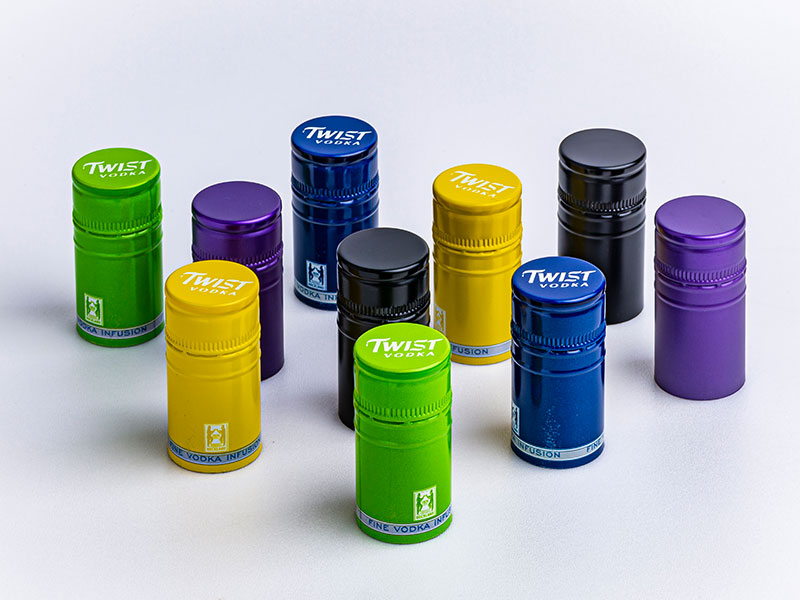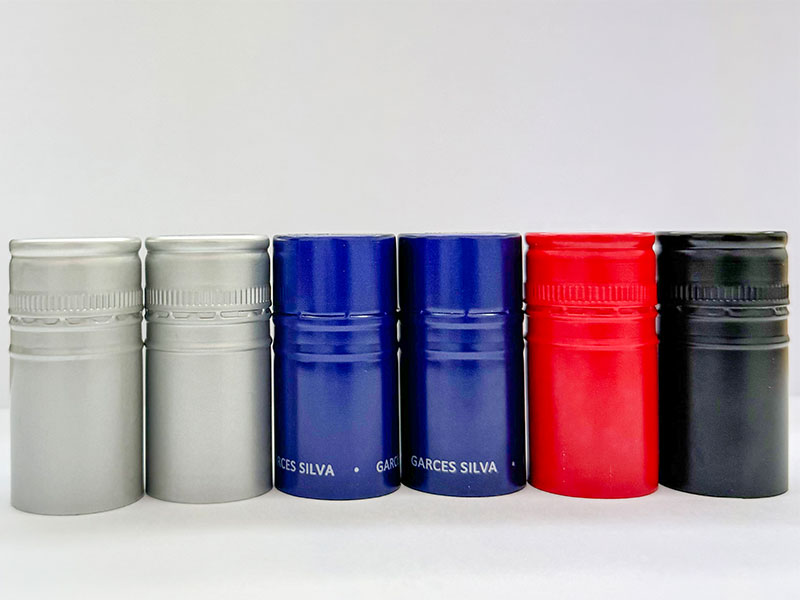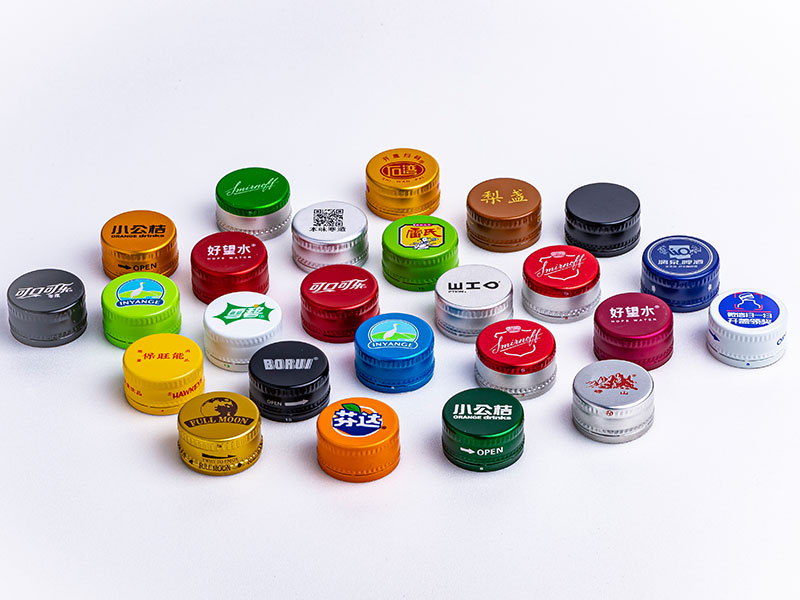


Aluminum Wine Caps for Bottles with Enhanced Leak Proof Mechanism
Aluminum Wine Caps for Bottles with Enhanced Leak Proof Mechanism: The Closure That Behaves Like a Precision Gasket, Not Just a "Cap"
In wine packaging, a closure is often treated as a finishing accessory-until it becomes the root cause of oxidation, seepage, label damage, or export claims. Aluminum wine caps for bottles, especially those engineered with an enhanced leak proof mechanism, are better understood from a different lens: not as a simple lid, but as a miniature pressure-management and sealing system that must perform consistently across glass tolerances, temperature cycles, altitude changes, and logistics vibration.
From that perspective, the real story is not "metal versus cork." It's about controlled elastic recovery, thread geometry fidelity, liner chemistry, and alloy-temper stability working together to create a repeatable seal on every bottle, every time.
What "Enhanced Leak Proof" Really Means in an Aluminum Wine Cap
A leak-proof wine cap is not achieved by tightening harder. It's achieved by designing the closure so that sealing force is maintained even when the system is stressed.
An enhanced leak proof mechanism typically combines the following functional elements, integrated as a single sealing architecture:
A compressible liner with controlled rebound
The liner acts like a micro-gasket. Its job is to fill surface irregularities at the bottle finish, maintain contact pressure over time, and resist absorption or extraction of wine aromatics. Common liner families include EPE, Saranex-based coextrusions, PVDC-free barrier structures, and specialty TPE formulations.
A cap shell with stable hoop strength and form memory
The aluminum skirt must resist relaxation after capping torque is applied. If the skirt "creeps" (permanent deformation or stress relaxation), the liner pressure drops and seepage begins. Alloy selection and temper condition are the invisible difference between a cap that holds for months and one that becomes a warranty issue mid-shipment.
Thread and knurl geometry that converts torque to uniform axial load
A well-designed ROPP (Roll-On Pilfer-Proof) profile does more than "fit." It shapes metal into threads that are continuous, deep enough for grip, and aligned with the bottle's thread lead so torque becomes sealing compression rather than localized stress points.
Tamper-evident band integrity without compromising seal
Leak-proof design fails when the pilfer band fractures prematurely or pulls unevenly during opening. Proper bridge dimensions and alloy ductility allow the band to perform as a security feature without undermining skirt uniformity.
Seen this way, leak resistance is not one feature-it's a controlled balance of material elasticity, forming precision, liner resilience, and standard-compliant bottle interface.
Parameters Buyers Should Specify (and Why They Matter)
When aluminum wine caps are used for domestic retail and export channels, performance depends on a handful of measurable parameters. These are the practical specifications that define whether "leak proof" is marketing language or an engineering outcome.
Cap dimensions and fitment
Common wine ROPP formats include 30×60 mm, 30×35 mm, and 28×44 mm, selected based on bottle finish and branding height. Diameter tolerance, skirt roundness, and top panel flatness directly influence thread forming and liner seating.
Shell thickness and hardness window
Typical aluminum cap shell thickness often falls in the 0.20–0.25 mm range for wine applications, though premium designs, aggressive transport routes, or higher torque programs may benefit from optimized gauges. The right temper targets the sweet spot between formability (to roll threads cleanly) and spring-back resistance (to keep liner compression stable).
Application torque and removal torque targets
A closure that is "too tight" can buckle the skirt or cause liner extrusion; too loose reduces liner compression. A good supplier aligns cap temper, liner compression set, and thread geometry to the customer's capping head and torque window so the seal is achieved predictably.
Internal pressure and thermal cycling tolerance
Even still wine experiences pressure changes during temperature swings. Enhanced leak proof caps are designed to retain sealing force after heat exposure, cold storage, and repeated thermal cycles that can otherwise relax aluminum and liners.
Liner type and barrier performance
The liner is the wine-facing interface. For aromatic whites, low scalping materials matter; for export, barrier layers help manage oxygen ingress pathways at the closure interface. If you are chasing shelf-life consistency, liner selection is not optional-it is central.
Implementation Standards and Compliance, Integrated Into Real Production
Wine caps sit at the crossroads of packaging, food contact compliance, and mechanical fit. Implementation standards matter most when they are translated into factory controls.
ROPP closure interface standards
Most aluminum wine caps in global circulation are based on ROPP principles, where the cap is placed on the bottle and threads are formed by rolling under controlled pressure. That means consistency depends on bottle finish dimensions, capping head setup, and cap shell temper uniformity.
Food contact and migration compliance
For many markets, the liner and internal lacquer must comply with applicable food contact regulations. Suppliers typically support declarations aligned with EU and US frameworks (such as EU food contact requirements and FDA-related expectations), using coatings formulated for alcohol contact and minimizing extractables.
Quality control practices that actually predict leak-proof performance
Leak-proof results come from controlling variables that don't look dramatic on a spec sheet: coating cure, liner centricity, shell thickness consistency, and skirt ductility. A robust QC system commonly includes torque audit, vacuum/pressure leakage checks, bridge integrity checks, and coating adhesion verification.
Alloy Selection From a Closure Engineer's View: Why 8011 and 3105 Are So Common
Aluminum wine caps succeed when the metal behaves predictably under forming. The shell must accept deformation during thread rolling, then resist relaxation afterward.
Two families dominate closure shells:
AA 8011 (Al-Fe-Si series)
Chosen for its forming performance, stable mechanical behavior, and cost-effectiveness. In cap manufacturing, 8011 is often used where consistent stamping and rolling performance is critical.
AA 3105 (Al-Mn-Mg series)
Often selected for good strength, corrosion resistance, and forming behavior, especially when skirt robustness and dent resistance are emphasized.
The best choice depends on capping equipment, cap geometry, and whether you prioritize ultra-clean forming or higher finished stiffness.
Tempering and Process Conditions That Influence Leak Proof Performance
Temper is not just a label. It's the memory of how the metal was rolled, annealed, and stabilized.
Typical temper conditions for cap stock
H14, H16, and H24 tempers are frequently used in closure stock, tuned to balance formability and rigidity. Too soft and the skirt relaxes; too hard and you risk cracking at the pilfer band bridges or inconsistent thread forming.
Annealing and stabilization
Controlled annealing reduces residual stresses that can lead to post-capping dimensional drift. Stabilized tempers help keep skirt tension more consistent through storage and thermal variation.
Surface treatment and coatings
External coatings protect branding and resist scuffing on bottling lines. Internal lacquers and liner compatibility protect wine quality. Poor coating cure can lead to odor, tackiness, or liner adhesion issues that indirectly impact sealing.
Chemical Properties Table (Typical Alloy Composition Ranges)
Below is a practical reference table for common aluminum alloys used for wine cap shells. Actual specifications should follow the mill certificate and the governing alloy standard for your supply chain.
| Alloy | Si (%) | Fe (%) | Cu (%) | Mn (%) | Mg (%) | Zn (%) | Ti (%) | Al (%) |
|---|---|---|---|---|---|---|---|---|
| AA 8011 | 0.50–0.90 | 0.60–1.00 | ≤0.10 | ≤0.20 | ≤0.05 | ≤0.10 | ≤0.08 | Balance |
| AA 3105 | ≤0.60 | ≤0.70 | ≤0.30 | 0.30–0.80 | 0.20–0.80 | ≤0.40 | ≤0.10 | Balance |
These chemistries matter because Fe/Si levels influence forming behavior and surface finish in 8011, while Mn/Mg in 3105 contribute to strength and deformation characteristics that affect skirt retention after thread rolling.
Enhanced Leak Proof Mechanism Design: Where Engineering Meets the Bottle Finish
If you want a distinctive way to evaluate leak-proof performance, treat the closure as a "stored energy device."
During capping, torque compresses the liner and slightly stretches the skirt around the glass finish. The cap then "stores" elastic energy in the formed aluminum and compressed liner. Over time, any mechanism that dissipates this energy-liner compression set, aluminum stress relaxation, coating slip, thread mismatch-reduces seal force.
Enhanced leak-proof designs focus on reducing energy loss:
Liners engineered for low compression set
Better rebound equals more stable sealing force after weeks of warehouse storage or hot container shipping.
Shell temper tuned for lower stress relaxation
A stable temper helps the skirt maintain hoop tension, keeping liner compression from falling below the leak threshold.
Thread profile designed to distribute load
Uniform load reduces micro-gaps and prevents localized liner over-compression that can create leak paths elsewhere.
Top-seal geometry that tolerates finish variation
Because glass finishes vary, a forgiving sealing land and liner geometry can "bridge" minor differences without sacrificing oxygen management.
Performance Indicators Buyers Can Ask For Without Overcomplicating Procurement
Even without turning your purchasing process into a lab project, you can request performance indicators that correlate strongly with leak resistance:
Torque consistency after 24–72 hours
A stable removal torque profile often indicates that the liner and skirt are retaining sealing force rather than relaxing.
Leak testing under vacuum/pressure differential
This simulates pressure changes during transport and storage. A good cap is predictable across lots.
Bridge and band integrity during opening
Security features should separate cleanly without deforming the skirt or tearing unpredictably.
Liner centricity and adhesion
Off-center liners create uneven sealing pressure and are a common root cause of intermittent leaks.
Why Aluminum Wine Caps Are a Brand Decision, Not Only a Packaging Decision
Enhanced leak-proof aluminum wine caps help wineries defend the sensory intent of the product. They also defend the brand from the most expensive kind of problem: sporadic failures that show up in distant markets, long after bottling.
From a premium positioning standpoint, aluminum caps deliver modern aesthetics, high-speed bottling compatibility, strong tamper evidence, and repeatable opening experience. From an engineering standpoint, the best caps are those where alloy temper, thickness, liner chemistry, and ROPP geometry are coordinated as one system-so sealing performance doesn't rely on luck, operator feel, or a narrow temperature window.