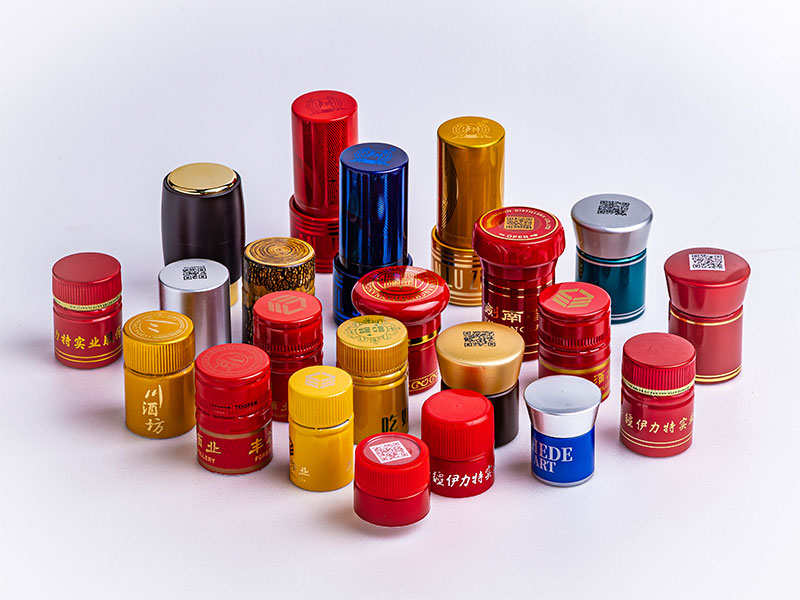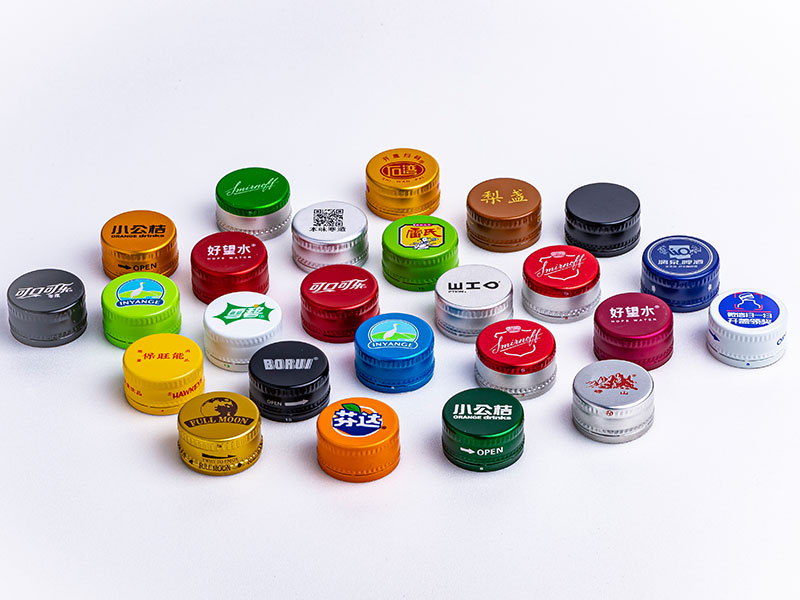


30x60mm Aluminum Wine Bottle Caps with Air Tight Seal and Safety Seal
A wine bottle closure is easy to overlook because it sits quietly at the top of the story, doing its work without asking for attention. Yet the cap is the first physical "handshake" a customer has with the product, and it is also the last line of defense between a carefully crafted liquid and the messy realities of oxygen, handling, transport vibration, and inconsistent storage. From that perspective, a 30x60mm aluminum wine bottle cap with an air tight seal and a safety seal is less like a simple accessory and more like a small engineered system-one that has to perform consistently, look intentional, and communicate trust in a single twist.
Why 30x60mm feels like a deliberate size, not a random dimension
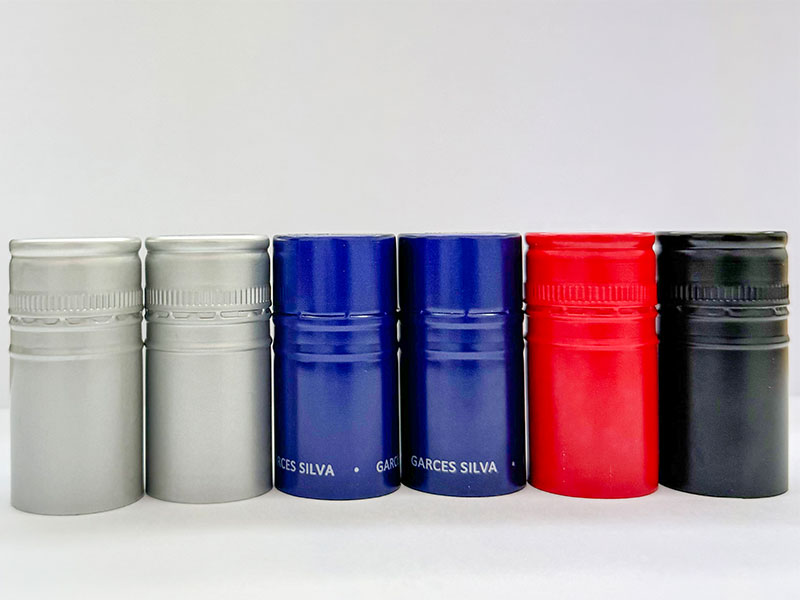
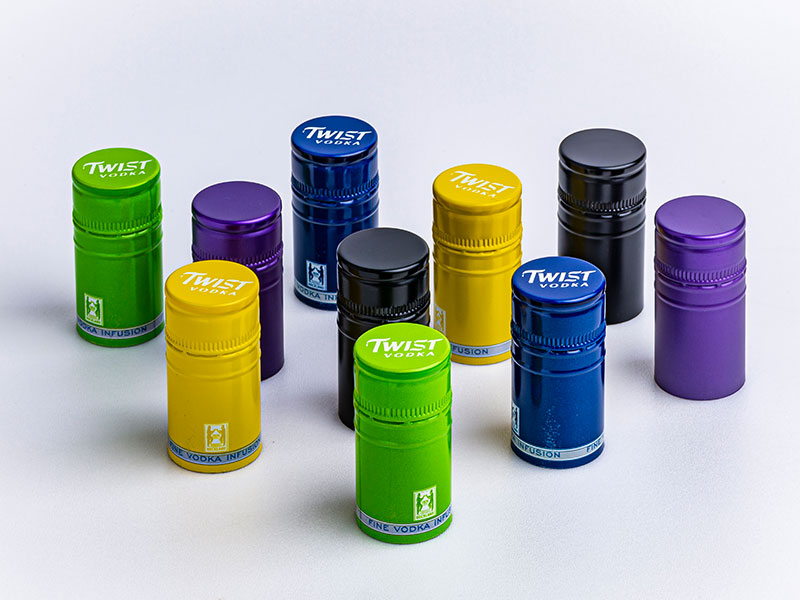
The 30mm diameter and 60mm height format is a familiar silhouette in modern wine and spirits packaging, but its value isn't merely aesthetic. That geometry provides enough skirt length to stabilize the cap during application, create a clean wrap over the bottle finish, and reserve space for a tamper-evident feature without turning the closure into a bulky crown. In production, that extra height can also improve handling on cap feeders and capping heads, reducing tip-over events and scuffing during high-speed runs.
In the hand, 30x60mm offers a comfortable grip area, which matters more than people admit. A cap that is too short forces consumers to pinch; too tall can feel clumsy. This size sits in the practical middle, signaling "premium" without sacrificing usability.
Aluminum as a packaging material: light, protective, and surprisingly expressive
Aluminum closures occupy a special niche. They are lightweight, corrosion-resistant when properly finished, and highly formable, which makes them ideal for deep drawing and consistent skirt formation. In wine packaging, aluminum also offers excellent decoration options-anodizing, lacquer systems, matte effects, high-gloss finishes, and precise embossing or debossing.
From a material standpoint, most caps in this category are produced from aluminum alloy strip designed for forming, commonly in the AA 1xxx or AA 3xxx series depending on the forming method and performance target. For deep drawing and pilfer-proof designs, alloys such as AA 8011 are also widely used in cap stock because they balance strength and formability. The "feel" of the cap-how rigid it is, how it springs back, how cleanly the knurl holds-comes from the alloy choice, temper, and coating system working together.
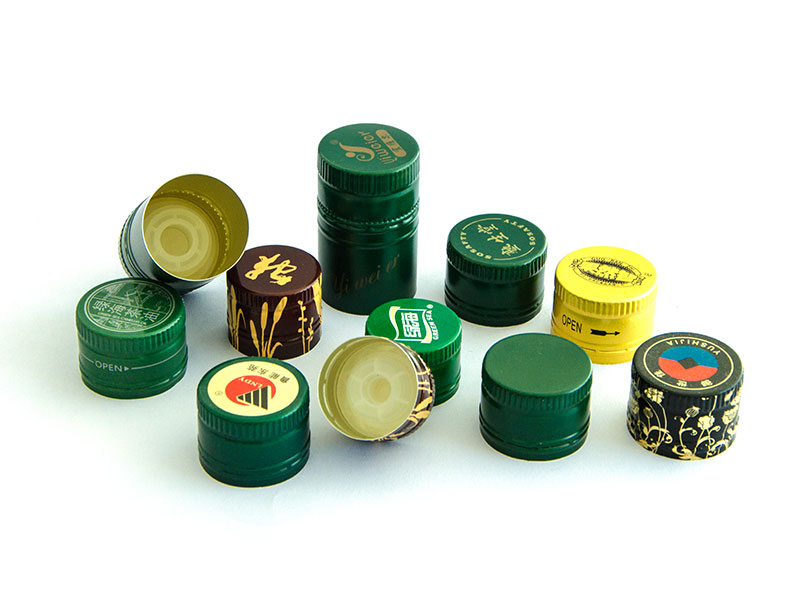
The closure doesn't just block oxygen; it carries brand language. Metallic color depth, tactile knurl patterns, and crisp edge definitions are all part of the product experience, and aluminum is one of the few materials that can make those cues feel precise rather than printed-on.
Air tight seal: what it really means in day-to-day performance
"Airtight" isn't a poetic claim; it is an outcome of controlled interfaces. In a 30x60mm aluminum cap, airtight sealing typically relies on a liner system that compresses against the bottle's sealing surface. Common liner constructions include EPE (expanded polyethylene), Saranex-type barrier liners, or multi-layer structures designed to balance elasticity, low oxygen transmission, and chemical resistance.
In practice, the liner has to do several jobs at once. It must conform to minor glass variation on the bottle finish. It must maintain sealing force after temperature cycling in transport. It must resist scalping of aromas and avoid imparting off-notes. It must remain stable in contact with ethanol vapor and acidic components.
Seal performance is often verified by internal pressure or vacuum retention tests, leak tests, and torque audits after aging. If the closure is applied with inconsistent torque, even the best liner cannot compensate. That is why a good aluminum cap is designed for a predictable torque window and stable thread engagement, helping the packaging line land in the correct application range.
Safety seal: tamper evidence that people can understand instantly
A safety seal is as much psychology as engineering. Consumers want an unambiguous signal that no one has opened the bottle since it left the facility. In aluminum closures, safety sealing is often achieved by a tamper-evident band, pilfer ring, or perforated section that breaks cleanly on first opening.
The is controlled failure. A tamper-evident feature must not break during distribution, but must break reliably when the customer twists the cap. That balance depends on skirt thickness, perforation geometry, and coating flexibility. If the coating is too brittle, the cap may show stress whitening or micro-cracking around the perforations. If the alloy temper is too hard, the band can tear unpredictably. If it is too soft, the band can deform without providing a clear "opened" signal.
Done well, the safety seal becomes a silent quality statement. It says the packer anticipated real-world handling and still insisted on clarity and integrity.
Alloy, temper, and what they change on the production floor
Cap performance is linked directly to tempering conditions because temper controls yield strength and elongation, which affect drawing, knurl formation, thread rolling, and tamper band behavior. Forming operations for caps often prefer softer tempers that can stretch without tearing, then rely on geometry and coatings for final robustness.
Typical alloy/temper options for aluminum cap stock include O temper for maximum ductility and H-temper variants for higher strength after partial work hardening. The "right" choice depends on whether the closure is deep drawn, impact extruded, or formed by multi-stage stamping, and on whether the design includes aggressive knurling or complex tamper-evident features.
Practical implementation standards and testing expectations
Even when a closure looks perfect, qualification is earned through repeatable tests and traceable controls. In many supply chains, aluminum cap manufacturing and coatings align with widely recognized packaging and material management expectations, including quality management systems such as ISO 9001. For food-contact suitability, coatings and liner materials should comply with applicable regulations in the target market, commonly FDA 21 CFR in the United States and relevant EU food contact frameworks in Europe. Migration performance depends on the specific lacquer and plasticizer system, so compliance should be verified with documentation tied to the actual formulation, not a generic statement.
On the line, implementation is about torque discipline and finish compatibility. The bottle finish must match the cap thread profile; the liner must match the sealing land geometry; the application head must deliver consistent torque without over-compressing the liner. Over-torque can create long-term liner set and reduce sealing resilience; under-torque can leak in warm transport conditions.
Chemical properties and material reference table
Below is a practical reference table for aluminum alloys commonly used in cap stock or closure components. Actual selection should be confirmed against forming method, coating system, and customer performance requirements.
| Alloy | Typical Temper for Forming | Nominal Composition (wt%) | Practical Notes for Caps |
|---|---|---|---|
| AA 1070 | O | Al ≥ 99.7 | Very high ductility, excellent for deep drawing; low strength, relies on geometry/coating for stiffness |
| AA 1050 | O / H14 | Al ≥ 99.5 | Good formability and surface quality; commonly used where premium finish is required |
| AA 1100 | O / H14 | Al ≥ 99.0, Cu 0.05–0.20 | Slightly higher strength than 1xxx, good workability and coating adhesion |
| AA 3003 | O / H14 | Mn 1.0–1.5, Cu ≤ 0.20, Al balance | Better strength than 1xxx with good formability; useful for caps needing more rigidity |
| AA 8011 | O / H14 | Fe 0.5–1.0, Si 0.5–0.9, Al balance | Widely used for packaging foil/cap stock; balanced strength and drawability, stable in high-volume forming |
Note that composition ranges vary by standard and supplier practice. Procurement should reference recognized material specifications and confirm with mill test certificates.
A closure is a promise, not just a component
From a distance, the 30x60mm aluminum wine bottle cap seems like a small, standardized object. Up close, it is a compact negotiation between metallurgy, coatings, liner chemistry, application torque, and user experience. Its airtight seal preserves what the winemaker intended. Its safety seal preserves trust. And its aluminum body turns functional protection into something that can look and feel like craft.