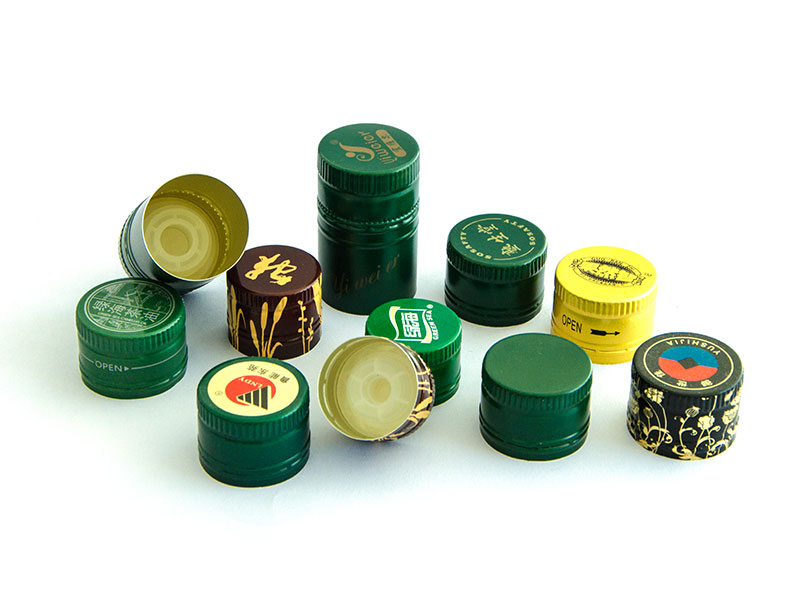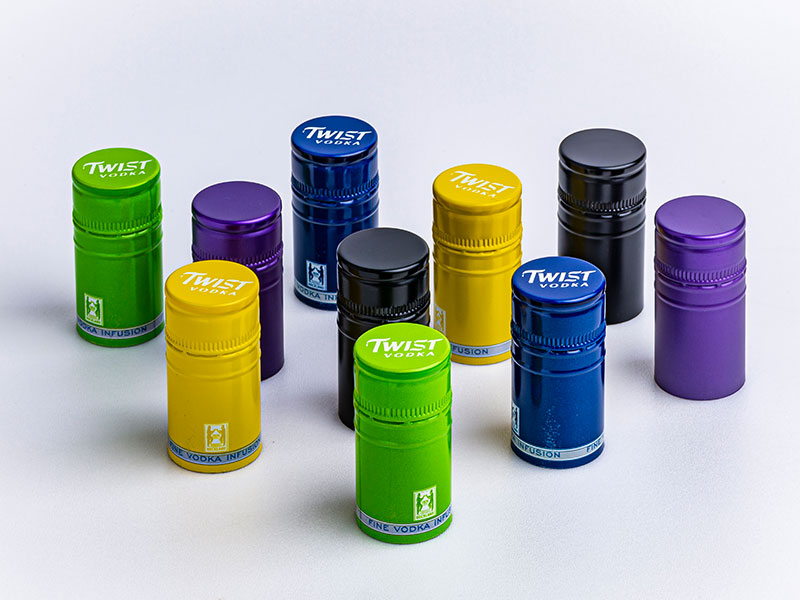


Durable Aluminum Wine Closures for Bottles with Easy Open Design
Durable Aluminum Wine Closures for Bottles with Easy Open Design
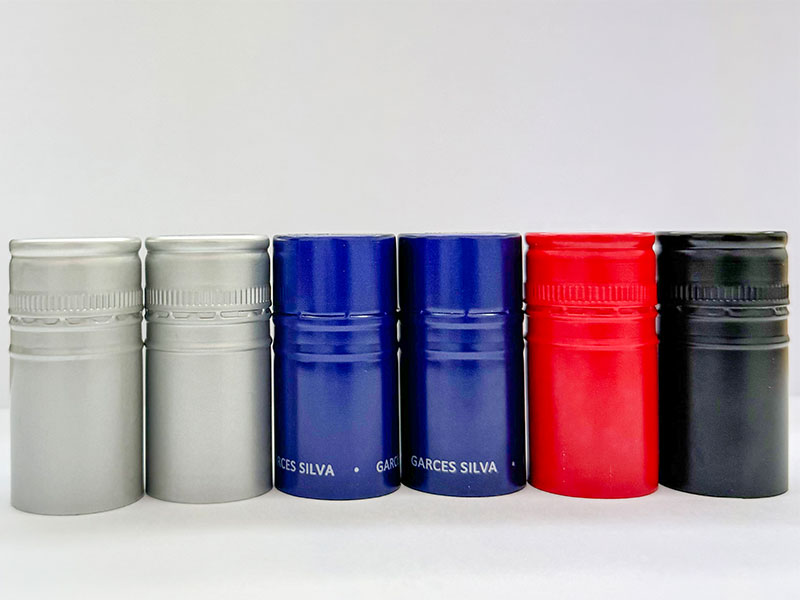
A wine closure is a small component with an oversized job. It has to protect aroma, manage pressure changes, resist corrosion from acidic liquids, look premium on a shelf, and open cleanly when the moment arrives. Aluminum wine closures-especially roll-on pilfer-proof (ROPP) caps and premium screwcaps with easy-open features-approach this job with the mindset of engineering, not tradition. Instead of relying on variability in natural materials, aluminum brings repeatable performance, clean aesthetics, and a modern ritual: twist, open, pour.
Why Aluminum Closures Feel "Durable" in the Real World
Durability is often mistaken for thickness alone, but wine closures succeed or fail at the edges: the skirt, the knurling, the tamper band bridges, and the seal interface. Aluminum is excellent here because it forms crisply under controlled force, creating reliable threads and a uniform skirt that resists denting and deformation during high-speed capping.
durability advantages customers notice quickly include:
- Clean opening torque without "stick-slip" grabbing
- Tamper evidence that breaks predictably without shredding
- Strong corrosion resistance against moisture, acidic vapors, and cellar conditions
- Consistent reseal performance after opening, useful for by-the-glass programs
When a closure is tuned correctly, it opens with a deliberate, confident feel-neither stubborn nor loose. That "feel" is engineering translated into fingertips.
Easy Open Design: What It Actually Means
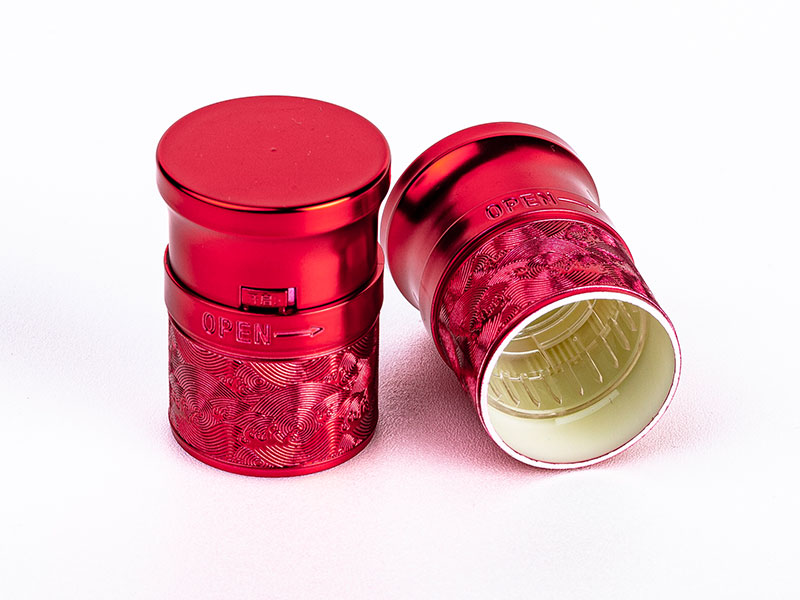
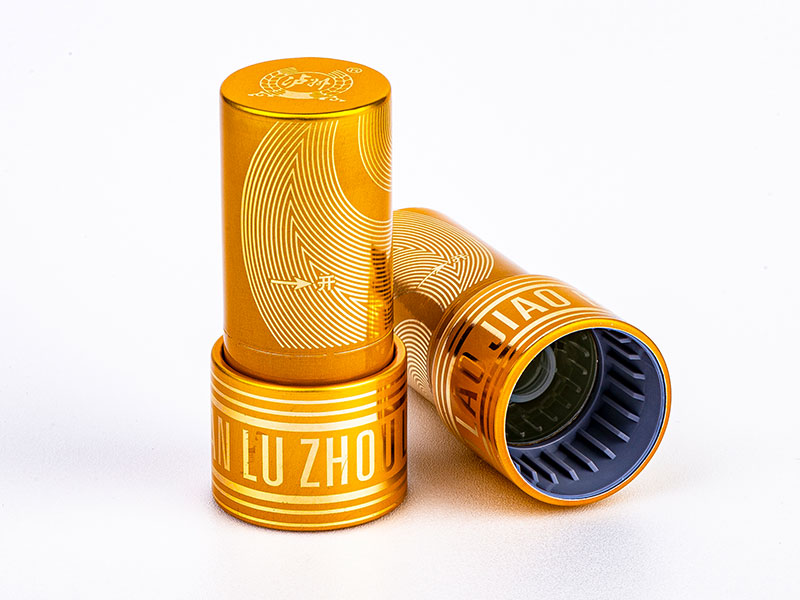
An easy-open aluminum wine closure isn't simply looser. Done poorly, low torque leads to leakage and oxidation. Done well, easy-open is achieved through coordinated design choices:
- Optimized thread profile and lead-in so the cap "finds" the start of the thread quickly
- Controlled internal coating and surface finish to reduce friction where it matters
- Liner formulation that seals at lower compression force while maintaining elastic recovery
- Knurling or grip pattern that increases traction with dry or slightly wet hands
- Consistent pilfer band bridge strength so tamper evidence releases smoothly
For wineries, easy-open designs reduce customer frustration and support accessibility goals, while still meeting sealing performance targets.
Typical Parameters for Aluminum Wine Closures
The most common wine closure format is ROPP, formed onto the bottle finish during capping. Dimensions vary by market and bottle type, but the parameters below reflect common, production-proven ranges.
Common closure sizes and fitment
- 30 × 60 mm for standard wine bottles
- 30 × 44 mm for some spirits-style or shorter-skirt applications
- 31.5 × 24 mm often seen in select markets and bottle standards
Material thickness
- 0.20–0.23 mm for many wine screwcaps
- 0.23–0.25 mm used when extra stiffness is desired or for premium aesthetics
Opening torque targets (typical operational ranges)
- Application torque commonly controlled in the range of about 12–22 lbf·in (approximately 1.4–2.5 N·m), adjusted to bottle finish, liner type, and desired consumer feel
Leak performance expectations
- No leakage under inversion testing and thermal cycling when matched with the correct liner and application settings
- Pressure tolerance depends on bottle finish and liner; sparkling and high-pressure products require specialized systems and are not interchangeable with standard still-wine closures
Liner options
- Saranex or PVDC-based barriers for very low oxygen transmission
- EPE or co-extruded liners for balanced performance and cost
- Tin-saran combinations used in some premium programs for long aging profiles
Implementation Standards and Production Controls
A closure system only performs as well as its process discipline. Aluminum wine closures are typically produced and validated under widely recognized packaging and quality frameworks.
Common implementation and verification practices include:
- Food-contact compliance aligned with FDA 21 CFR (US), EU Framework Regulation EC 1935/2004, and GMP principles such as EC 2023/2006
- Migration and sensory neutrality testing to ensure no taint transfer
- Dimensional inspection for shell height, skirt diameter, thread geometry, and pilfer band integrity
- Coating cure verification and adhesion testing to prevent flaking or corrosion initiation
- Application validation on the intended bottle finish using the customer's capping head settings
In practical terms, this means wineries get fewer line stoppages, fewer post-fill leaks, and a more predictable consumer experience.
Alloy Selection and Tempering: The "Hidden Backbone"
Aluminum closures succeed because the alloy and temper are tuned to do two contradictory things: remain strong enough to resist dents, while staying ductile enough to roll form threads cleanly without cracking.
Common alloys used for closure shells include:
- 8011: a widely used closure alloy with good formability and barrier-friendly behavior
- 3105: known for corrosion resistance and strength, often used in building and packaging applications
- 5052: higher magnesium alloy with strong corrosion resistance and strength; used where robustness is prioritized (with careful forming control)
Typical temper conditions:
- H14 / H16 / H19 for strain-hardened strength with workable forming behavior
- Temper choice influences pilfer band behavior, thread formation quality, and dent resistance
In closure manufacturing, consistency matters as much as the nominal alloy. Coil-to-coil stability in mechanical properties helps deliver stable opening torque and consistent sealing compression.
Chemical Properties Table (Typical Alloy Composition)
Actual compositions vary by standard and supplier, but the table below reflects commonly referenced ranges for closure-related aluminum alloys. Values are approximate mass percentages.
| Alloy | Al (balance) | Si | Fe | Cu | Mn | Mg | Zn | Ti | Notes |
|---|---|---|---|---|---|---|---|---|---|
| 8011 | Remainder | 0.5–0.9 | 0.6–1.0 | ≤0.10 | ≤0.20 | ≤0.05 | ≤0.10 | ≤0.08 | Excellent formability; widely used in packaging |
| 3105 | Remainder | ≤0.60 | ≤0.70 | ≤0.30 | 0.30–0.80 | 0.20–0.80 | ≤0.40 | ≤0.10 | Strong, corrosion-resistant; good for caps |
| 5052 | Remainder | ≤0.25 | ≤0.40 | ≤0.10 | ≤0.10 | 2.2–2.8 | ≤0.10 | ≤0.15 | High corrosion resistance; higher strength |
If your wine is sensitive to oxygen pickup, the liner choice and barrier strategy usually matter more than minor alloy differences-but alloy stability strongly affects forming quality and long-term appearance.
Coatings, Corrosion Resistance, and Shelf Aesthetics
Wine closures face a "quiet" corrosion challenge: humidity, acidic vapors, and salt in coastal storage. Aluminum naturally forms an oxide layer, and modern closures add protective internal and external coatings to improve durability and print performance.
Common coating features include:
- Internal lacquer designed for food contact and chemical resistance
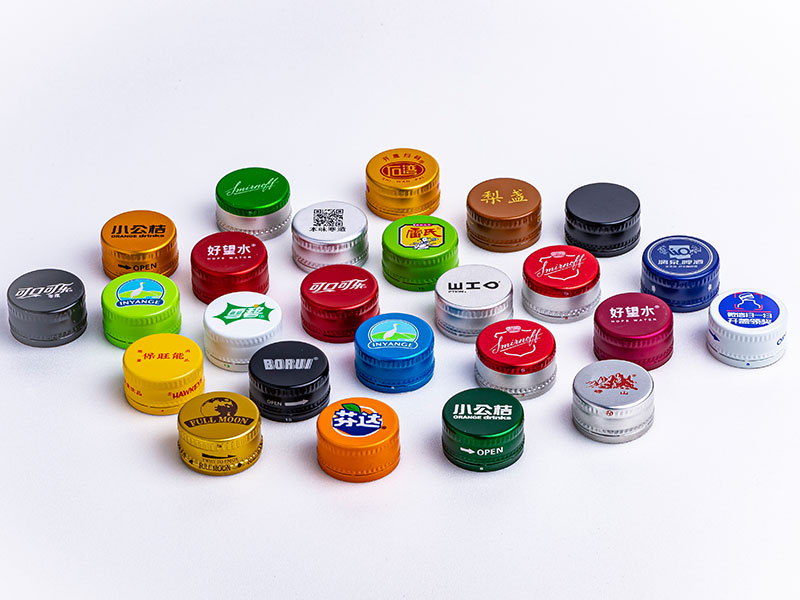
- External coatings that support high-definition printing, embossing, and matte/gloss effects
- Options for anti-scuff performance during packing and transport
The result is a closure that looks as premium after months in a carton as it did on the bottling line.
The Takeaway: A Closure That Acts Like Part of the Wine
Durable aluminum wine closures with easy-open design are not simply a packaging trend-they're a controlled system. When alloy temper, shell geometry, liner choice, and application settings align, the closure becomes a reliable guardian of flavor and a pleasant moment of access. It protects what the winemaker intended, while meeting modern expectations for convenience, cleanliness, and consistent quality.