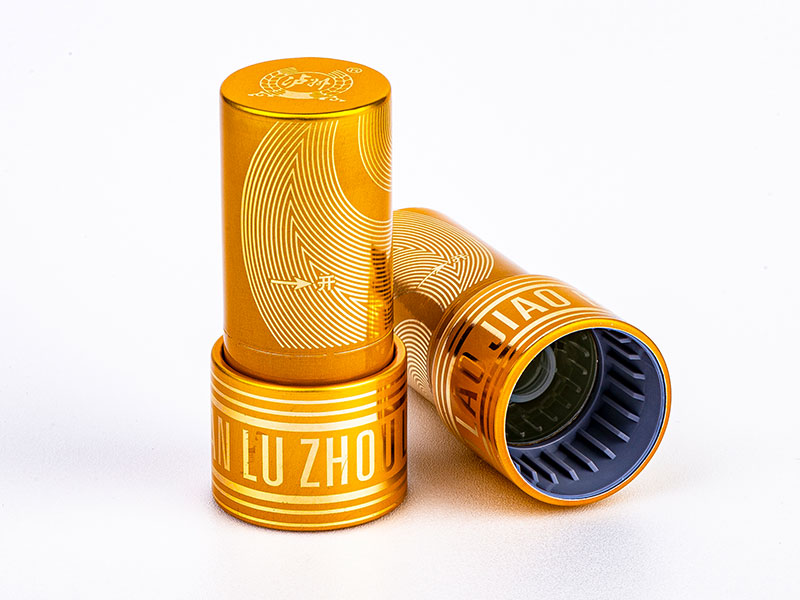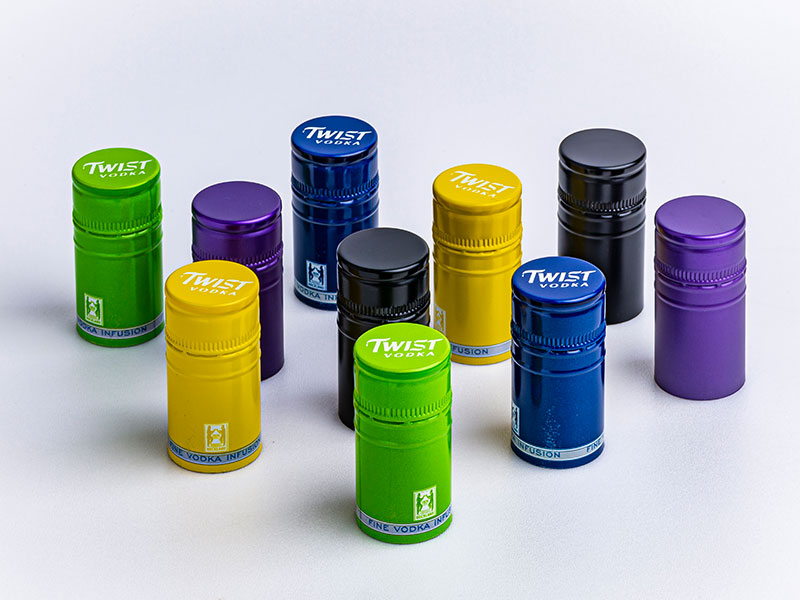


Custom Printed Aluminum Wine Bottle Caps with Logo and Design
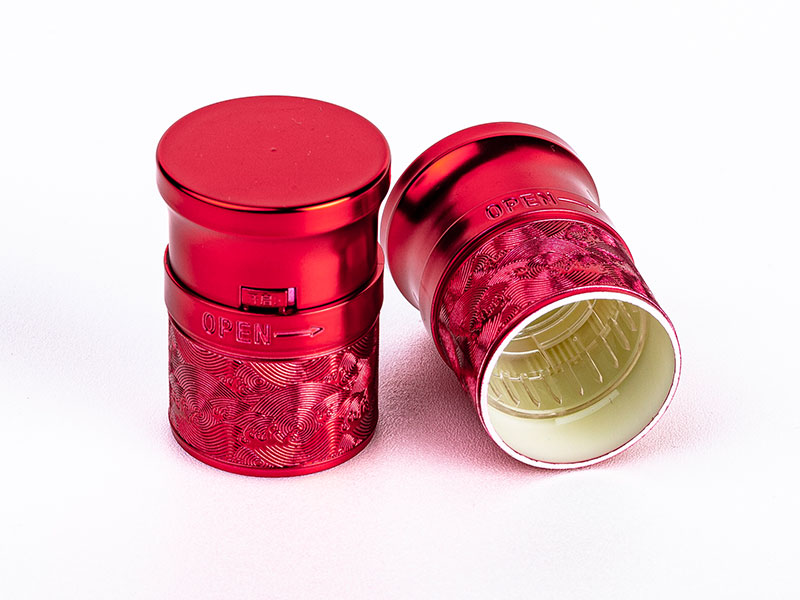
Custom printed aluminum wine bottle caps combine premium shelf appeal with reliable sealing performance. Designed for wineries, spirits brands, and private labels, these caps offer crisp logo reproduction, consistent torque behavior on bottling lines, and corrosion-resistant aluminum construction suitable for global distribution. With the right alloy, coating system, and liner selection, an aluminum cap becomes both a brand signature and a functional closure that protects aroma, flavor, and carbonation-sensitive profiles.
Why Aluminum Caps for Wine Packaging
Aluminum is widely chosen for premium closures because it is lightweight, formable, and naturally corrosion resistant. For wine bottle caps, these advantages translate into:
- Excellent print clarity for logos, patterns, and metallic effects
- Stable dimensional tolerance for consistent application on high-speed cappers
- Barrier protection when combined with food-grade coatings and liners
- Recyclability that supports sustainability claims without compromising appearance
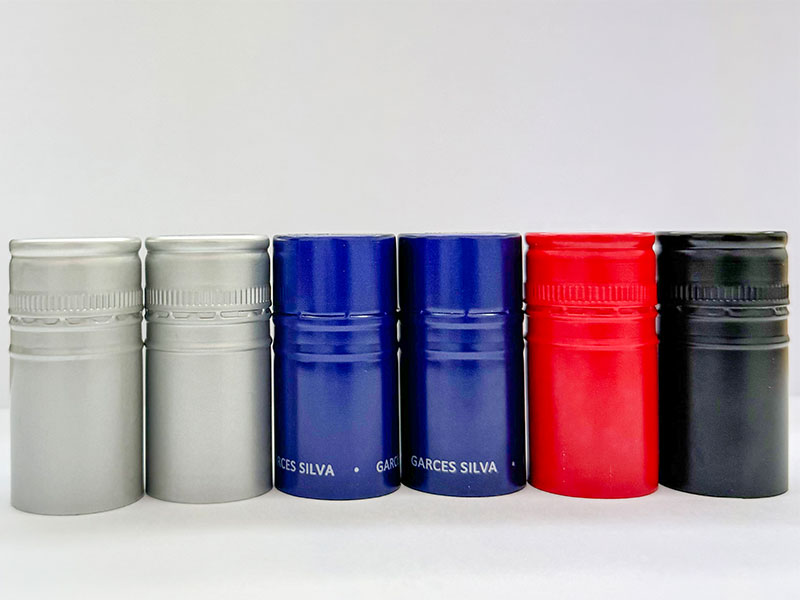
Aluminum also accepts a wide range of surface finishes-from matte and soft-touch to high-gloss and brushed metallic-allowing brands to tailor the tactile experience to their positioning.
Custom Printing and Design Options
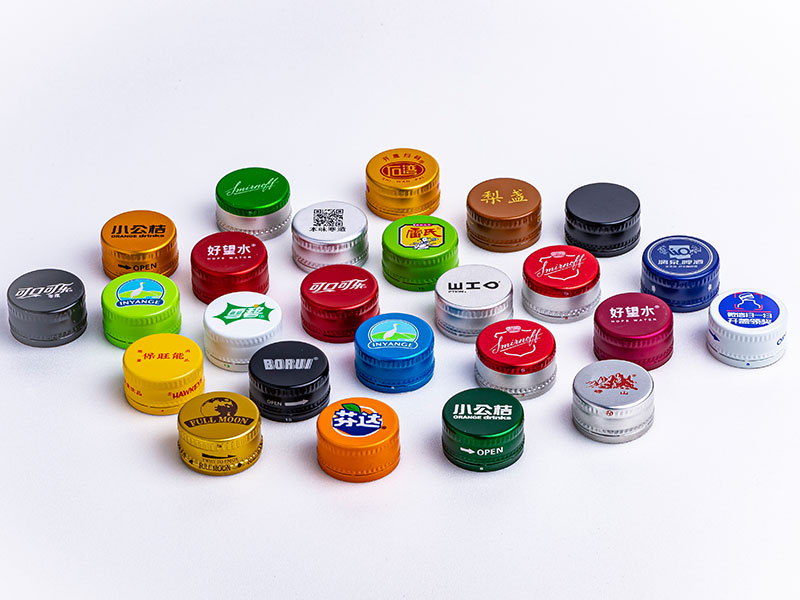
Branding on a closure is often the first element a consumer touches. Custom printed aluminum caps support both simple identity marks and high-detail artwork.
Available decoration methods typically include:
- Offset printing for multi-color logos and fine gradients
- Screen printing for bold solid colors and strong opacity
- Hot stamping for metallic foil accents (gold, silver, copper, holographic)
- Embossing and debossing for premium texture and anti-counterfeit cues
Designs can wrap around the skirt, sit on the top panel, or combine both. For high-end lines, pairing embossed logos with spot gloss or foil can create contrast that remains legible under low retail lighting.
Material Selection: Common Aluminum Alloys for Caps
Most aluminum bottle caps are produced from wrought aluminum sheet, selected for formability, strength after forming, and coating adhesion. The following alloys are commonly used for closures and deep-drawn components.
Typical Chemical Composition (Reference Ranges)
| Alloy (AA) | Si (%) | Fe (%) | Cu (%) | Mn (%) | Mg (%) | Zn (%) | Ti (%) | Al |
|---|---|---|---|---|---|---|---|---|
| 8011 | 0.50–0.90 | 0.60–1.00 | ≤0.10 | ≤0.20 | ≤0.05 | ≤0.10 | ≤0.08 | Balance |
| 3105 | ≤0.60 | ≤0.70 | ≤0.30 | 0.30–0.80 | 0.20–0.80 | ≤0.40 | ≤0.10 | Balance |
| 5052 | ≤0.25 | ≤0.40 | ≤0.10 | ≤0.10 | 2.20–2.80 | ≤0.10 | ≤0.10 | Balance |
Note: Final alloy choice depends on forming depth, target skirt rigidity, capping torque window, and desired "hand feel." Actual composition can be tailored within standards to meet performance needs.
Coatings, Inks, and Food-Contact Safety
The inside and outside surfaces of a cap are typically protected by coatings that enhance corrosion resistance and prevent flavor scalping. A well-engineered coating system helps maintain compatibility with:
- acidic wines and flavored beverages
- humidity and salt exposure in coastal logistics
- abrasion during conveying and capping
Common coating options include:
- Epoxy or epoxy-phenolic internal lacquers for robust chemical resistance
- Polyester/acrylic external coatings for print receptivity and gloss control
- BPA-NI coating systems when required by brand or market regulations
Because closures may contact the bottle lip and the product environment through the liner, suppliers typically provide migration and compliance documentation aligned with destination-market requirements.
Liner and Seal Structure: Where Performance Is Won
While printing sells the first impression, the liner protects the product. Liner choice should match the bottle finish, filling method, and storage profile.
Typical Liner Options and Use Cases
| Liner Type | Strength | Typical Use |
|---|---|---|
| EPE / PE foam | Cost-effective cushioning, good recovery | Standard wines, short-to-mid distribution |
| Saranex / multilayer barrier wad | Improved oxygen/moisture barrier | Aromatic wines, export routes |
| PVDC-free barrier systems | Market-driven compliance and barrier balance | Brands targeting specific regulatory regions |
| Tamper-evident band + liner | Consumer confidence, brand protection | Retail channels and duty-free |
A cap can also integrate tamper-evident bands, breakaway rings, or perforated skirts to clearly indicate first opening-an increasingly important feature for premium gifting and online sales.
Technical Specifications (Customizable)
Dimensions vary by bottle standard and regional preferences. The most common formats target standard wine bottle finishes and are tuned to match application equipment.
Typical Cap Parameters
| Item | Common Range | Notes |
|---|---|---|
| Cap diameter | 28–35 mm | Selected to match bottle finish and brand style |
| Cap height | 18–60 mm | Short profiles for modern look; tall profiles for traditional wine |
| Aluminum sheet thickness | 0.18–0.25 mm | Balances formability and skirt strength |
| Coating thickness | 3–8 μm (typical) | Depends on system and performance target |
| Print colors | 1–8+ | Offset supports high detail; foils add premium effect |
| Surface finish | Gloss / matte / soft-touch / brushed | Influences grip and perceived quality |
| Tamper evidence | Optional | Band, perforation, or tear strip designs |
For high-speed bottling, tight control of skirt geometry and knurl profile improves grip during application while reducing risk of scuffing adjacent bottles.
Performance Characteristics That Matter on the Line
A well-made aluminum wine bottle cap should run smoothly from hopper to final pack-out. performance signals include:
- Consistent application torque to avoid under-tightening or thread damage
- Low defect rate in printing and embossing, especially around knurl peaks
- Corrosion resistance under humid warehousing and temperature swings
- Abrasion resistance to prevent ink rub during conveying and carton contact
For brands exporting across climates, it's common to request validation testing such as humidity exposure, salt-fog screening, and rub tests for printed surfaces.
Typical Quality and Mechanical Targets (Project-Dependent)
| Property | Typical Target Range | Why it matters |
|---|---|---|
| Skirt roundness tolerance | Tight, controlled by tooling | Reduces wobble and improves capping stability |
| Coating adhesion | Pass cross-hatch/rub tests | Prevents flaking and print failure |
| Color consistency | Controlled ΔE per brand spec | Ensures batch-to-batch brand uniformity |
| Top-load / deformation resistance | Fit for distribution handling | Minimizes dents during transport |
Applications Across Wine, Spirits, and Specialty Beverages
Custom printed aluminum bottle caps are used beyond classic still wine. Their flexibility makes them suitable for:
- Still wine where brand differentiation is on crowded shelves
- Low-alcohol and flavored wine beverages benefiting from barrier-focused liners
- Spirits and RTD cocktails that demand tamper evidence and premium decoration
- Gifting and limited editions with foil, embossing, and special finishes
- Private label and contract bottling needing fast artwork changeovers and consistent fit
For seasonal releases, caps can carry batch-specific artwork, QR codes, or short-run designs without changing the bottle or label-an efficient way to create collectability.
Sustainability and End-of-Life Value
Aluminum is highly recyclable and retains value in recycling streams. Using aluminum caps supports sustainability messaging, especially when paired with:
- lightweight cap designs
- solvent-conscious inks and coatings where feasible
- optimized packaging to reduce transport damage and rework
Because closures are small but frequent, consistency and recyclability can contribute meaningfully to overall packaging impact at scale.
Customization Checklist for a Smooth Project
To specify a custom printed aluminum wine bottle cap efficiently, customers typically confirm:
- bottle finish and neck dimensions
- cap diameter, height, and tamper-evident preference
- artwork format, color targets, and finish level
- liner type based on product sensitivity and shelf-life goals
- intended bottling line speed and capping equipment type
- destination markets and compliance documentation needs
Aligning these inputs early helps minimize sampling cycles and ensures the final cap performs as well as it looks.
https://www.bottle-cap-lids.com/a/custom-printed-aluminum-wine-bottle-caps-with-logo-and-design.html