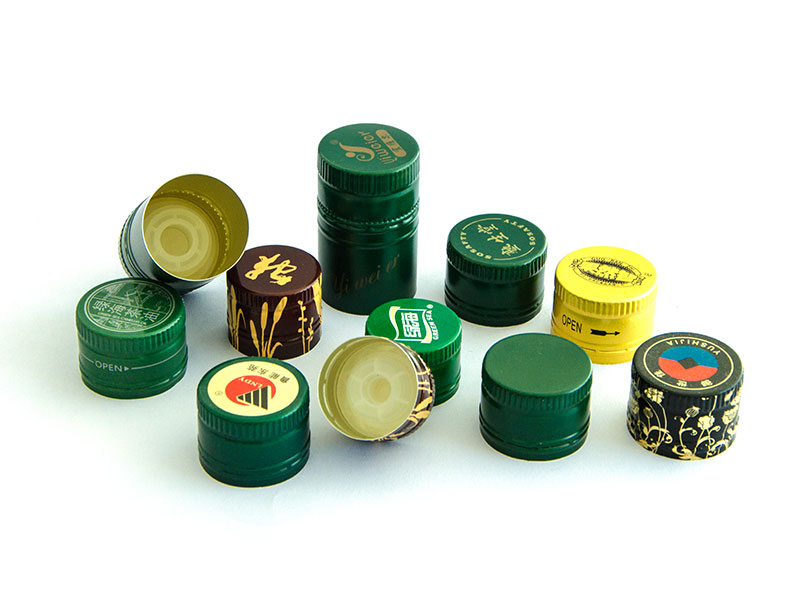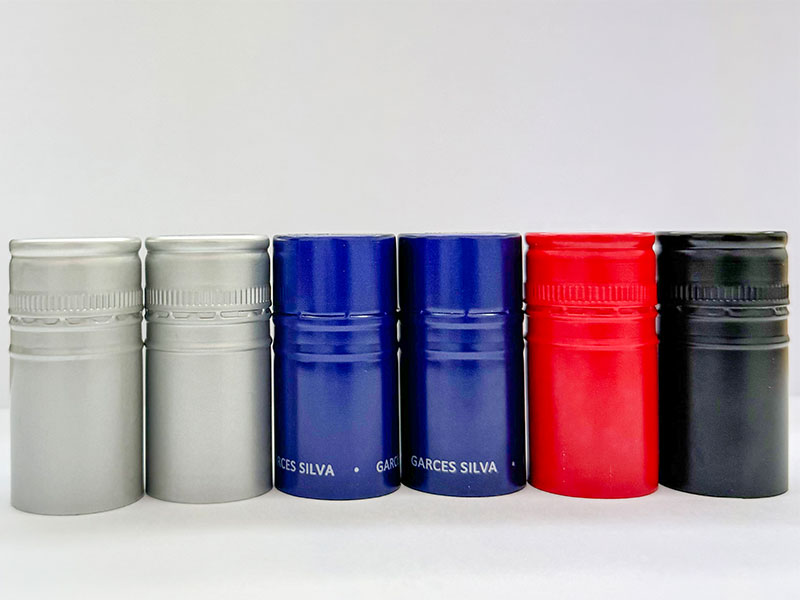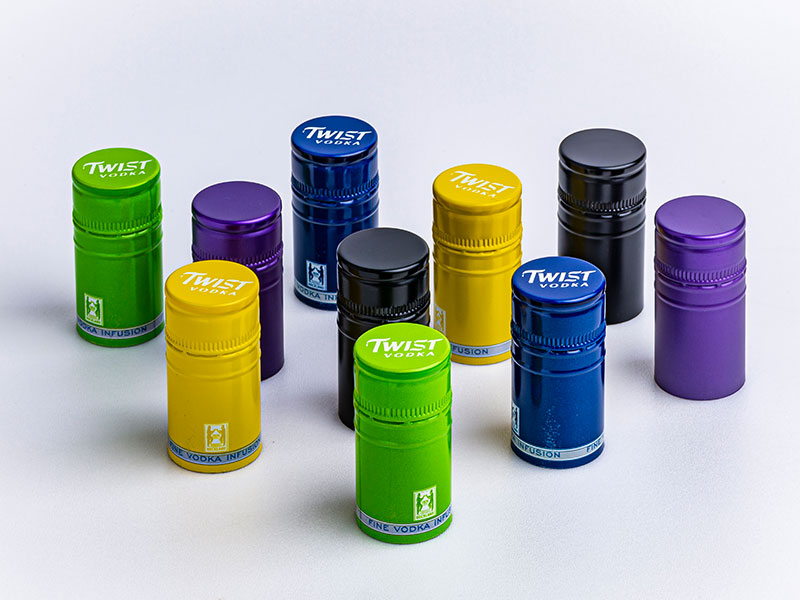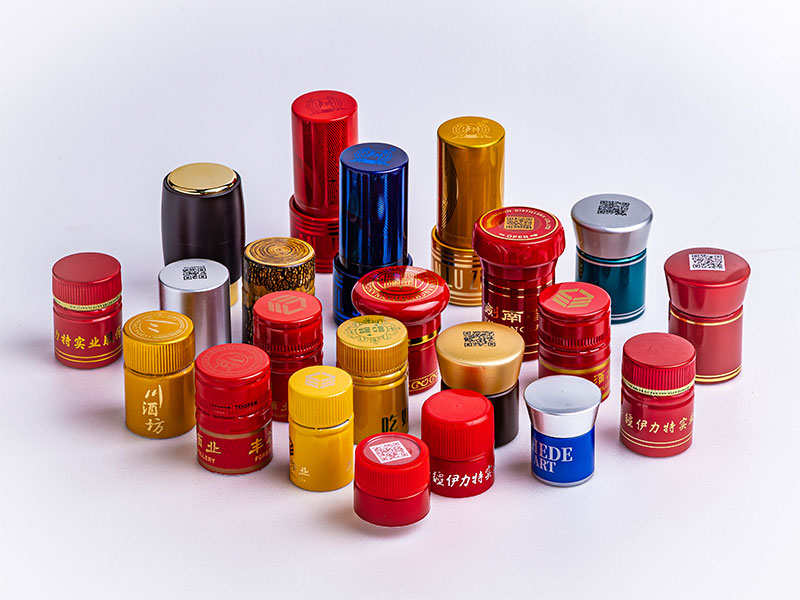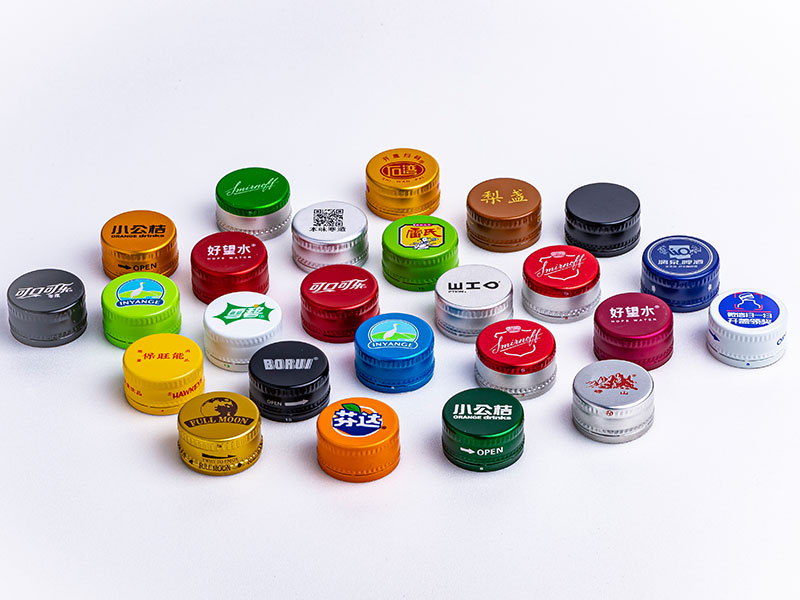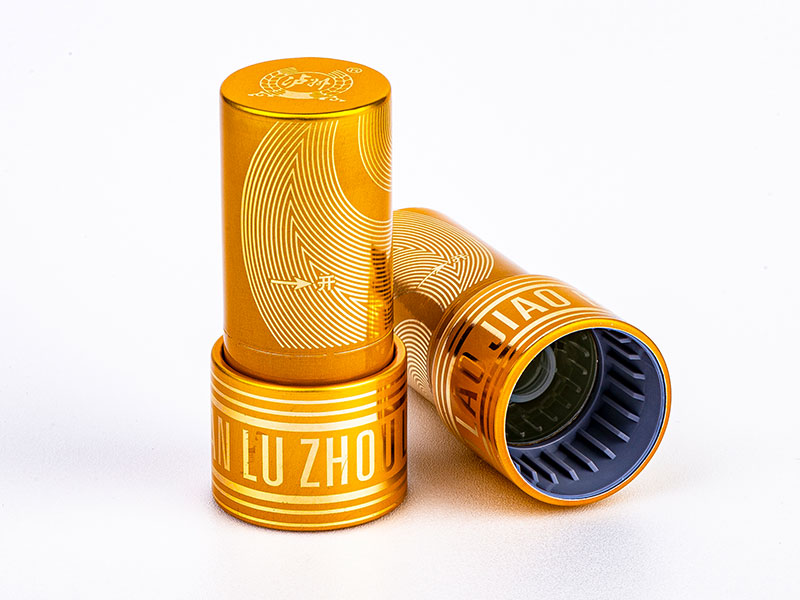


30x60mm Aluminum Wine Bottle Caps with Clear Protection Coating
30x60mm Aluminum Wine Bottle Caps with Clear Protection Coating: A Metallurgical View from Inside the Closure
When most people discuss 30x60mm aluminum wine bottle caps, they focus on branding, color, and convenience.
1. What Exactly Is a 30x60mm Aluminum Wine Bottle Cap?
“30x60” refers to two dimensions:
- Outer diameter: 30 mm
- Outer height: 60 mm
This is the dominant size for still wine screw caps worldwide, designed for:
- BVS threaded finish (e.g., 30H60)
- Typical bottle neck ring and thread profile used for still wine bottles
From a materials standpoint, it’s not just “an aluminum piece.” It is a multilayer functional component:
- Aluminum body (specific alloy + temper)
- Inner lacquering & liner system
- Outer base coat and decorative print
- Outer clear protective coating (the final clear layer)
The clear protection coating is the cap’s “micro-armor”: a thin, transparent polymer-engineered layer that shields branding inks and the aluminum substrate from corrosion, abrasion, and bottling line stress.
2. Why Alloy and Temper Matter More than Color
A 30x60mm wine cap must be:
- Soft enough to be formed (deep drawing + thread rolling)
- Tough enough to avoid split, tearing, or cracking
- Ductile enough to form pilfer-proof bridges and knurls
- Stable enough to stay dimensionally consistent in high-speed capping
To hit this balance, closure producers typically rely on soft, high-purity or Mn-alloyed aluminum in specific tempers.
2.1 Common Alloy Choices for Wine Caps
The two main alloy “families” for 30x60mm closures:
AA 8011 (Al–Fe–Si) – Classic closure alloy
- High elongation, good deep drawability
- Very common for roll-on closures
AA 3105 / AA 3003 (Al–Mn–(Mg)) – Workhorse non-heat-treatable series
- Better strength than 1xxx series
- Good formability + good corrosion resistance
Wine caps often use variations of:
- AA8011A / AA8011-H14/H16/H24
- AA3105-H14/H16/H24
Choice depends on forming depth, visual quality, and line speed.
3. Typical Chemical Composition (Reference Data)
Below is a typical (non-contractual) composition comparison for alloys frequently used in 30x60 wine bottle caps.
3.1 Chemical Composition Table (wt%)
| Alloy | Si % | Fe % | Cu % | Mn % | Mg % | Zn % | Ti % | Others (each) % | Others (total) % | Al (approx.) % |
|---|---|---|---|---|---|---|---|---|---|---|
| AA8011 | 0.5–0.9 | 0.6–1.0 | ≤0.10 | ≤0.05 | ≤0.05 | ≤0.10 | ≤0.08 | ≤0.05 | ≤0.15 | Balance |
| AA3105 | ≤0.6 | ≤0.7 | ≤0.3 | 0.3–0.8 | 0.2–0.8 | ≤0.4 | ≤0.1 | ≤0.05 | ≤0.15 | Balance |
| AA3003 | ≤0.6 | ≤0.7 | ≤0.05 | 1.0–1.5 | ≤0.05 | ≤0.10 | ≤0.1 | ≤0.05 | ≤0.15 | Balance |
Actual production compositions are tightly controlled within standard ranges to ensure consistent forming and capping performance.
4. The Role of Tempering: How Hard Should a Wine Cap Be?
Temper describes the mechanical condition of the aluminum sheet after rolling and annealing. For wine closures, this determines:
- Drawability (forming the shell)
- Thread-rolling response
- Resistance to tearing at the bridges
- Torque behavior in application and opening
4.1 Common Tempers for 30x60mm Closures
- H14: Half-hard, ~¼ hardness from full cold work
- H16: Two-thirds hard
- H24: Half-hard, but obtained by a combination of strain hardening + partial anneal
- H26: More heavily worked variant than H24
Manufacturers often fine-tune:
- Yield strength around 80–140 MPa
- Ultimate tensile strength around 110–200 MPa
- Elongation A50 > 15–22 %
The objective is controlled softness: enough strength to maintain thread integrity, but enough ductility to bend and “flow” around the glass neck during roll-on, without cracking.
5. Why a Clear Protection Coating Is a Functional Layer, Not Just Cosmetics
The clear protection coating is typically a transparent organic film applied as a topcoat over base lacquer and print. From a technical perspective, it performs four essential tasks:
Corrosion Barrier
- Isolates aluminum and pigments from humidity, sulfur compounds, and winery atmosphere
- Prevents filiform corrosion, staining, or edge-attack
Abrasion & Scuff Protection
- Bottling lines, case packing, and transport generate micro-abrasion
- The clear coat buffers mechanical contact and preserves glossy appearance
Chemical Resistance
- Must tolerate common winery cleaning chemicals, condensate, and minor acid/alkali contact
- Prevents ink bleeding or loss of brilliance over time
UV & Color Stability
- Helps prevent fading of inks under light exposure
- Reduces chalking (loss of gloss and surface whitening)
5.1 Typical Technical Parameters of the Clear Protection Coating
While exact formulations are proprietary, technical specs usually include:
- Type: Polyester, modified epoxy, or hybrid BPA-NI (Bisphenol A–non-intent) enamel
- Thickness:
- 6–10 µm per side (outer) typical for decorative topcoat
- Curing conditions:
- Oven peak metal temperature ~210–250 °C
- Hold time ~8–15 minutes, depending on coil-coating line
- Pencil hardness: HB–H (ASTM D3363 equivalent)
- Adhesion: 0 grade (no loss) in cross‑hatch test (ISO 2409)
- Gloss: Typically 65–85 GU at 60° (for high-gloss finish)
- Food contact compliance: EU Regulation 1935/2004, 10/2011 where applicable, FDA 21 CFR https://www.bottle-cap-lids.com (depending on resin)
The coating is usually applied on coil-coated sheet before printing and forming. Precise viscosity, film weight, and line speed control are critical; otherwise, any micro-defect may translate into corrosion points or cracking lines during forming and thread-rolling.
6. From Flat Sheet to 30x60mm Cap: Process Parameters
The technical behavior of a wine cap is defined by what happens to the material at every step.
6.1 Raw Material Parameters (Aluminum Coil)
Typical coil specs for 30x60mm wine caps:
- Alloy: AA8011, AA3105, AA3003 (closure-grade)
- Temper: H14 / H16 / H24 (finely calibrated)
- Thickness: 0.20–0.25 mm (typical range)
- Width: Custom to press layout
- Flatness tolerance: ≤ 5 I-units (EN 485-4) or per internal standard
Mechanical target window (example values):
- Yield strength (Rp0.2): 90–130 MPa
- Ultimate strength (Rm): 130–180 MPa
- Elongation A50: ≥ 16–20 %
6.2 Coil Coating & Printing Parameters
- Pretreatment: Chromate-free conversion layer (or RoHS/REACH-compliant alternative) for improved adhesion and corrosion resistance
- Primary coat: White or tinted basecoat (if required)
- Decorative print: Brand colors by offset litho or flexo
- Topcoat: Clear protection coating (6–10 µm)
- Curing: Optimized curing profile to cross-link resins without embrittling the film
Adequate adhesion between all layers is essential. Weak interfaces lead to micro-delamination when the cap bends around the glass threads.
7. Interface with Wine, Glass, and Air: The Inside of the Cap
The outside clear coating protects the brand; the inside affects the wine itself.
7.1 Inner Lacquer & Liner System
Typical inner structure:
- Inner lacquer: Food-contact-approved epoxy or epoxy-free lining applied on aluminum side facing wine/atmosphere
- Liner disk / insert:
- Saranex / tin-Saran (for controlled OTR)
- EPE (expanded polyethylene) foam liners, or other multi-laminate solutions
This duet determines:
- Oxygen transmission rate (OTR)—critical for aging style (reductive vs. oxidative)
- Scalping behavior—how liners absorb aroma compounds
- Neutrality—no unwanted taints or off-flavors
Even though the external clear coat never touches the wine, it reinforces overall system durability, reducing the risk of corrosion infiltration that could eventually threaten inner lacquers at cap edges.
8. Compliance and Implementation Standards for 30x60mm Aluminum Wine Caps
Producers of aluminum wine caps align to multiple standards to provide predictable performance.
8.1 Dimensional & Thread Standards
- Glass finish: BVS 30H60 or similar
- Cap dimensions:
- Height: 60 mm ± tolerance (typically ±0.3–0.5 mm)
- Diameter: 30 mm ± small tolerance to ensure rollout on bottle finish
- Thread form, knurling, and pilfer bridges comply with glass packaging and closure standards so capping machines can guarantee specific application torque and removal torque ranges.
8.2 Material and Testing Standards
Depending on region and producer, the following are commonly referenced:
- EN 573 / EN 485: Wrought aluminum alloys – chemical composition and mechanical properties
- EN 546: Aluminum and aluminum alloy foil for packaging; some principles adapted for closure sheet
- ISO 9001: Quality management systems into which internal cap standards integrate
- EN 602 / EN 14359 equivalents: Aluminum closures and roll-on pilferproof caps (or corresponding national standards)
Routine validation tests for finished 30x60 caps include:
- Visual & surface inspection for pinholes, fisheyes, scratches
- Coating adhesion (cross-hatch, tape test)
- Cupping test to evaluate flexibility & crack resistance
- Tensile and elongation measurements of strip samples
- Corrosion tests: Neutral salt spray, humidity chambers
- Application & removal torque tests on reference glass bottles
- Seal integrity & leakage tests under pressure/inversion
9. Technical Advantages of Clear-Coated 30x60mm Aluminum Wine Caps
Framed from a metallurgical and coating-science viewpoint, a high-quality 30x60mm cap with clear protection coating offers:
Enhanced Corrosion Margin
- Alloy optimized for formability + corrosion resistance
- Conversion layer + multilayer coatings block most electrolyte paths
Stable Mechanical Behavior in High-Speed Capping
- Narrow temper control ensures predictable yield/elongation
- Clear coat designed to flex with the metal during roll-on
Consistent Brand Presentation Over the Product Life
- UV- and stain-resistant clear coat preserves color fidelity
- Scratch resistance keeps caps attractive even after transport and shelf-handling
Improved Line Efficiency
- Smooth, lubricious clearcoat can reduce scuffing & jams on capping lines
- Lower reject rates from surface damage or ink chipping
Regulatory & Sensory Safety
- Food-contact-compliant coating systems
- Reduced risk of metallic or coating taints reaching the wine when properly specified
Below is an integrated parameter snapshot for a typical 30x60mm aluminum wine cap with clear protection coating:
Base Material
- Alloy: AA8011 / AA3105 (closure-grade)
- Temper: H14–H24
- Thickness: 0.20–0.25 mm
- Rp0.2: 90–130 MPa
- Rm: 130–180 MPa
- Elongation A50: ≥ 16–20 %
Outer Surface System
- Pretreatment: Cr-free conversion layer
- Basecoat: Polyester or epoxy-polyester, 5–8 µm
- Print: Offset litho inks, cured
- Clear Protection Coating:
- Type: Polyester / epoxy hybrid, BPA-NI as required
- Thickness: 6–10 µm
- Adhesion: 0 (ISO 2409)
- Pencil hardness: HB–H
- Gloss: 65–85 GU (60°)
- Resistance: Humidity, moderate acids/alkalis, winery chemicals
Inner System
- Inner lacquer: Food-contact enamel, ~5–8 µm
- Liner: Saranex / tin-Saran / EPE or similar, tailored OTR
Dimensional
- Size: 30 x 60 mm (OD x H)
- Threading: Suitable for BVS 30H60 glass finish
- Knurl & bridges: As per agreed closure design standard
Closing Thought: The Cap as a Micro‑Engineered Component
Well-designed 30x60mm aluminum wine caps with clear protection coating are micro-engineered systems. Alloy composition, temper profile, surface treatments, coating thickness, and curing all interact to create what the consumer perceives as a simple, elegant screw cap.
When wineries specify closures, small decisions like alloy temper range, clear coat type, or line-testing protocols can be the difference between a cap that merely looks good on day one and a closure that protects both wine and brand image reliably for its entire shelf life.