

Screw On 30x60mm Aluminum Wine Caps with Secure Leak Proof Design
Screw On 30x60mm Aluminum Wine Caps with Secure Leak Proof Design
A wine closure is often treated as an afterthought-until a bottle leaks in transit, oxygen sneaks in during storage, or a consumer struggles with inconsistent opening torque. The screw on 30x60mm aluminum wine cap sits at the intersection of practical engineering and brand experience: it protects what matters most inside the bottle while quietly signaling quality in the hand.
Why 30x60mm matters in real-world packaging
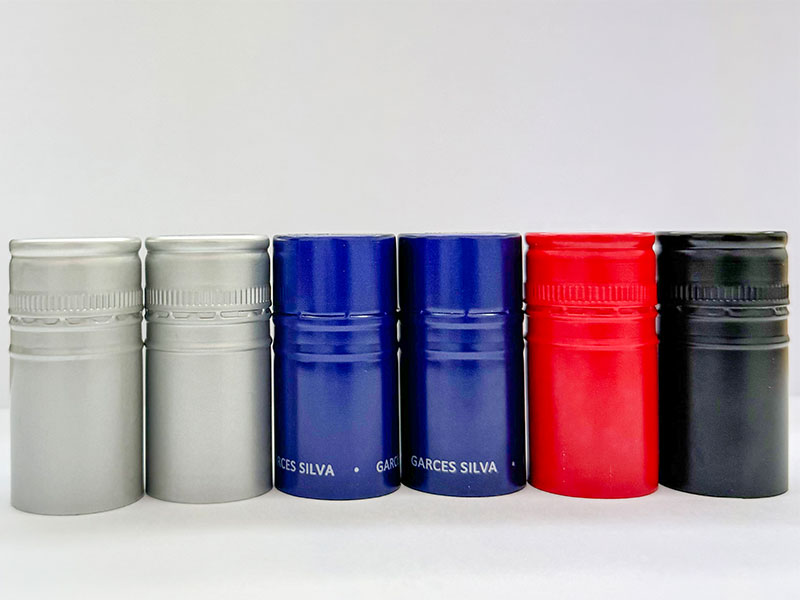
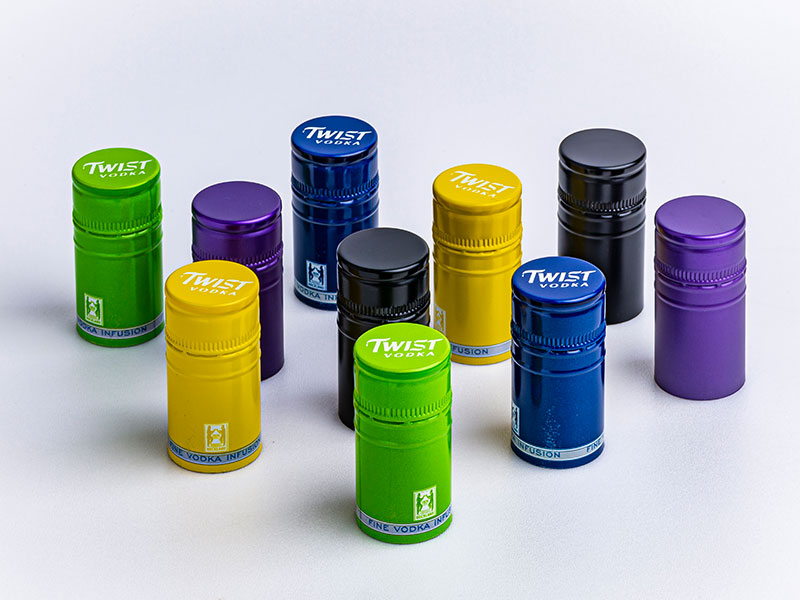
The 30x60mm format is widely used for spirits and wine-style bottles that require a tall skirt for stability, tamper evidence, and controlled application torque. The 30mm diameter provides ample thread engagement and sealing surface, while the 60mm height supports a longer skirt that improves grip, pilfer-band integrity, and decoration space for premium branding.
This size also plays nicely with modern filling lines because it offers forgiving handling during capping-important when production speeds increase and minor misalignments can create micro-leaks. A well-made 30x60mm aluminum cap helps reduce line stoppages caused by deformed skirts, inconsistent knurling, or thread mismatch.
Secure leak proof design: what "leak proof" really means
Leak prevention is not a single feature-it's a system. A secure leak proof 30x60mm aluminum wine cap typically relies on three cooperating elements:
A consistent thread profile that seats smoothly without cross-threading and maintains stable removal torque over time.
A sealing liner designed to conform to small variations in glass finish, maintaining a continuous contact ring even under temperature cycling.
A skirt and pilfer band geometry that resists deformation during capping, transport vibration, and consumer handling.
When these elements are engineered together, the cap can maintain a tight seal against leakage and help limit oxygen ingress, supporting flavor stability on shelf. For exporters and e-commerce shippers, this can be the difference between a confident delivery and a costly return.
parameters customers actually care about
Below are the typical parameters buyers evaluate for a 30x60mm aluminum screw cap. Exact values can be customized based on bottle finish and liner choice.
Common specifications
- Cap size: 30x60mm
- Material: Aluminum alloy sheet (typical 3xxx series for closure stock)
- Temper: H14 / H16 / H24 (chosen for balanced formability and rigidity)
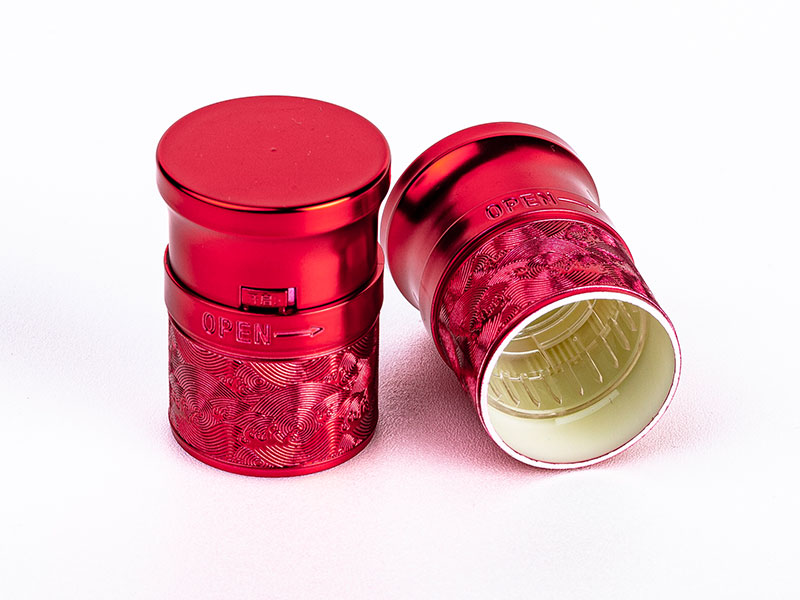
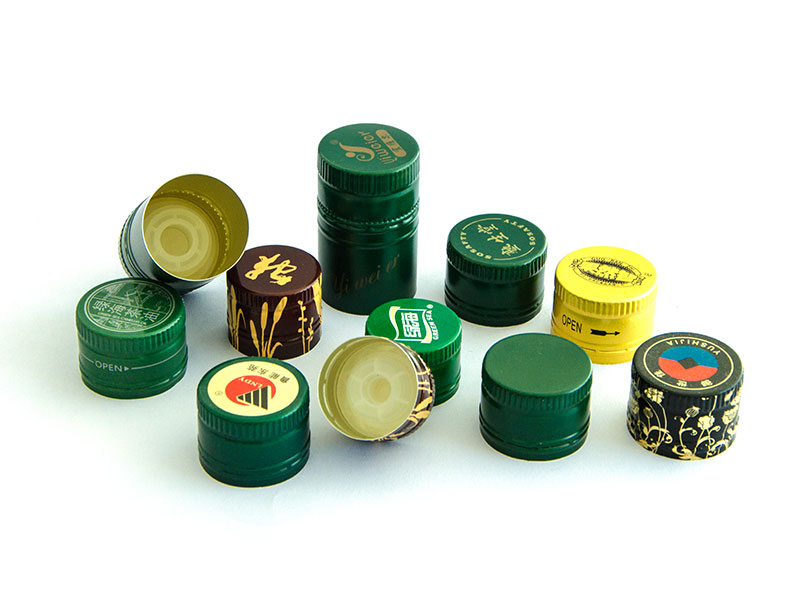
- Finish options: matte, glossy, anodized look, metallic, textured
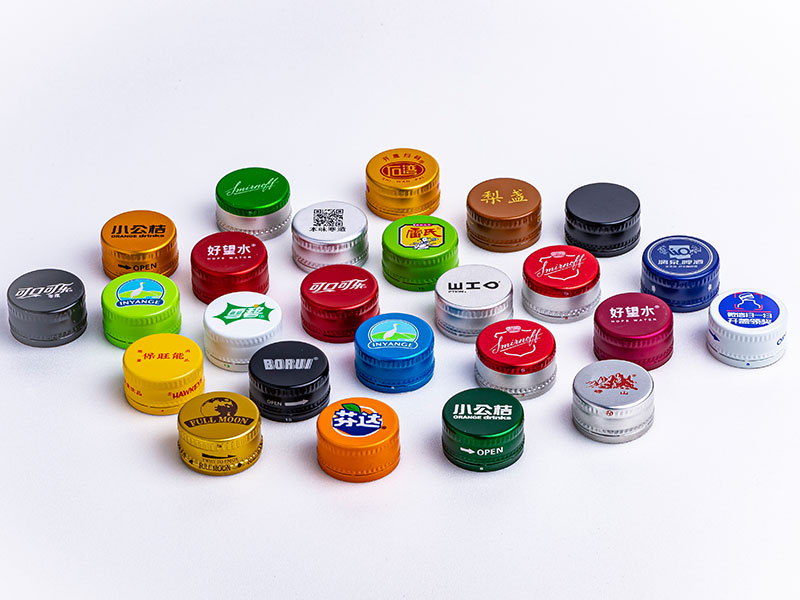
- Decoration: offset printing, hot stamping, embossing/debossing, knurling
- Thread: matched to bottle finish standard (commonly ROPP-style thread forms)
- Liner options: EPE, Saranex-type barrier liner, PVDC-free barrier structures, custom sealing compounds
- Tamper evidence: pilfer band with bridges or perforations
- Typical application: wine, low-to-medium carbonation beverages, spirits, infused products, olive oil, specialty liquids
In procurement terms, the cap should be treated as a functional component that must match the bottle finish specification, the product's chemical profile, and the distribution conditions.
Implementation standards and quality references
Screw caps for wine and spirits are commonly manufactured and controlled under recognized packaging and quality frameworks. While requirements vary by market and customer, production typically aligns with:
- ISO 9001 quality management practices for consistent manufacturing control
- Food-contact compliance for coatings and liners depending on destination market, such as FDA 21 CFR indirect food contact considerations in the United States, or EU Framework Regulation (EC) No 1935/2004 and related GMP requirements (EC) No 2023/2006 in Europe
- Migration and sensory neutrality checks for liner/coating systems, especially for alcohol-containing products
- Dimensional and torque performance testing aligned with bottling line needs, including application torque, removal torque, and bridge break performance for tamper evidence
A practical takeaway: a cap can look premium and still fail if the liner chemistry is wrong for ethanol, or if torque targets are not validated on the actual bottle. Performance verification should include line trials and storage simulation.
Alloy selection and tempering: why the aluminum "feel" is engineered
Aluminum wine caps are typically made from closure-grade aluminum sheet designed for deep drawing and roll forming. Many manufacturers use aluminum-manganese alloys because they form cleanly without cracking and hold decorative finishes well.
Common alloy families
- 3000 series aluminum (Al-Mn) is frequently used for caps due to its balance of strength, corrosion resistance, and formability.
- 5000 series (Al-Mg) may be used in some cases where higher strength is needed, but it can be less forgiving in certain forming operations depending on temper.
Temper selection
- H14 / H16 tempers offer a controlled level of work hardening, improving stiffness and dent resistance while retaining forming ability.
- H24 can provide additional strength from partial annealing after work hardening, depending on supplier and process route.
In everyday terms, temper determines whether a cap feels "crisp" and premium or "soft" and easy to deform, and it influences bridge behavior in the pilfer band during opening.
Coatings, corrosion behavior, and alcohol compatibility
Wine and spirits bring ethanol, organic acids, sulfites, and aromatic compounds into the equation. Aluminum itself forms a protective oxide film, but closures still rely on internal coatings and liners to prevent interaction, protect flavor, and maintain appearance.
- Internal lacquer systems are selected to resist ethanol and limit any taste or odor transfer.
- External coatings protect printing and provide abrasion resistance during conveyance and case packing.
- Barrier liners can be chosen to manage oxygen ingress targets, which is particularly important for aromatic whites, rosé, and lower-sulfite products.
If the product is acidic or contains botanical extracts, a higher-barrier liner and a chemically resistant internal coating become more than "nice-to-have"-they are part of shelf-life engineering.
Chemical properties table for typical closure-grade aluminum
Values vary by alloy, supplier, and standard. The table below shows common composition ranges for widely used closure stock alloys.
| Alloy (typical) | Si (%) | Fe (%) | Cu (%) | Mn (%) | Mg (%) | Zn (%) | Ti (%) | Al |
|---|---|---|---|---|---|---|---|---|
| 3105 (Al-Mn) | ≤ 0.60 | ≤ 0.70 | ≤ 0.30 | 0.30–0.80 | 0.20–0.80 | ≤ 0.40 | ≤ 0.10 | Balance |
| 3003 (Al-Mn) | ≤ 0.60 | ≤ 0.70 | 0.05–0.20 | 1.00–1.50 | ≤ 0.05 | ≤ 0.10 | - | Balance |
| 5052 (Al-Mg) | ≤ 0.25 | ≤ 0.40 | ≤ 0.10 | ≤ 0.10 | 2.20–2.80 | ≤ 0.10 | - | Balance |
Note: These are typical reference ranges used in industry documentation. Final selection should be confirmed against the supplier's material certificate and your closure performance targets.
A buyer's-eye view: what makes a "good" cap on the bottling line
From the bottler's perspective, the best cap is the one you don't have to think about. It feeds smoothly, forms consistently, and opens with the expected tactile snap of tamper evidence. The leak proof design is proven not by a marketing claim but by repeatable measurements: stable torque bands, low leak rates after thermal cycling, and liners that stay compliant over time.
A well-built screw on 30x60mm aluminum wine cap delivers that quiet reliability while giving brands a clean canvas for premium finishes and distinctive shelf presence. In an industry where small details influence consumer trust, the closure becomes a compact, engineered promise: what's inside stays protected, intact, and ready to be enjoyed.